Postmodern narrating in contemporary art has been discussed extensively; let's try to develop "A theory on thinking about the 14th Istanbul Biennial" as the biennial has a confusing attitude towards letting the work be alone with the viewer, feeding off of the rich world of theory.
Oceanography history, environmental studies, marine archaeology, architectural history through Art Nouveau, neuroscience, physics, mathematics and the history of theosophy[1], which we learn is a movement of thought on faith... Interdisciplinary—or supra disciplinary—has been studied as a notion extensively after Braudel's claim that social sciences cannot be separated from each other. The manifestation of the current approach in contemporary art started with an objection against the modernist tradition of disciplines and reached our day. Carolyn Christov-Bakargiev, who "drafted"—to use the term used—this year's biennial, never mentions "discipline" in any of her talks or texts, but 14th Istanbul Biennial appears as a unique example of this approach that does not leave a space that is purely artistic. And naturally text-focused and a bit more distant...
"Saltwater" in the heading "Saltwater: A Theory of Thought Forms" refers to tangible material—or appears to, at least—; the second section is constructed around vibrations, forms of thought in the air and their reflections on people within the framework of the theosophy. The heading of the biennial is formulated around socialist, theosophist, and feminist Annie Besant's (1847-1933) theory of Thought Forms that is based on the "objectified entities of the imaginary field." Art including representation of thought forms and is even a thought form in and of itself; thought thus forms a model to think about art—these are ideas that shape the biennial.[2] The text is difficult to access and yes, the distance... Then the 14th Istanbul Biennial can be comprehended through the concept of "distance" and a theory can be developed, as is expected, through developing a thought form and even a discursive analysis.
Carolyn Christov-Bakargiev says that she is inspired by three different fields: feminism, Arte Povera, and psychoanalysis; she is considered to be one of the brightest names in today's art world. In 2012, she organized Documenta 13 and was widely recognized for her efforts. She appears to do everything to oppose the "star curator" image that corresponds to the descriptive word, "bright." After Documenta, she took a step back to teaching at the university or she does not call herself a biennial curator but a "drafter" or she constantly mentions the alliances that she sought. But the system is already constructed—the doctrines are already functioning.
During the press conference organized on the Haldun Taner Stage in 2014, all the press members sat on the stage and the biennial team sat on the audience chairs, Bakargiev started by reading lines from the Legend of Ali of Keşan, pointing to a desire not to take distance, not to remove one's self from existing hierarchies. "Drafter" Bakargiev trying to speak in Turkish within a performative construction during the biennial press conference on Wednesday, September 2, instead of making a list of artists participating in the biennial, listing the "participants" which include people involved in different ways, calling the "main spaces" of the previous biennials "group exhibition spaces" or calling "Saltwater" a heading rather than a "conceptual framework" in the press releases that were distributed before the biennial opened... The strikingly designed biennial catalogue visually saying, without any hesitation, "this is where the knowledge is," reminiscent of a holy book or the curatorial text included in the book being called an "introduction." The artists included in the biennial, the works, the spaces, the language around the biennial, the catalogue, everything done within the 14th Istanbul Biennial should be considered as part of Bakargiev's construction that is centered on a horizontal organization, weaving together positive sciences with metaphysics against the already-existing system. An effort to differentiate that appears in the discourse and that is reproduced through the discourse.
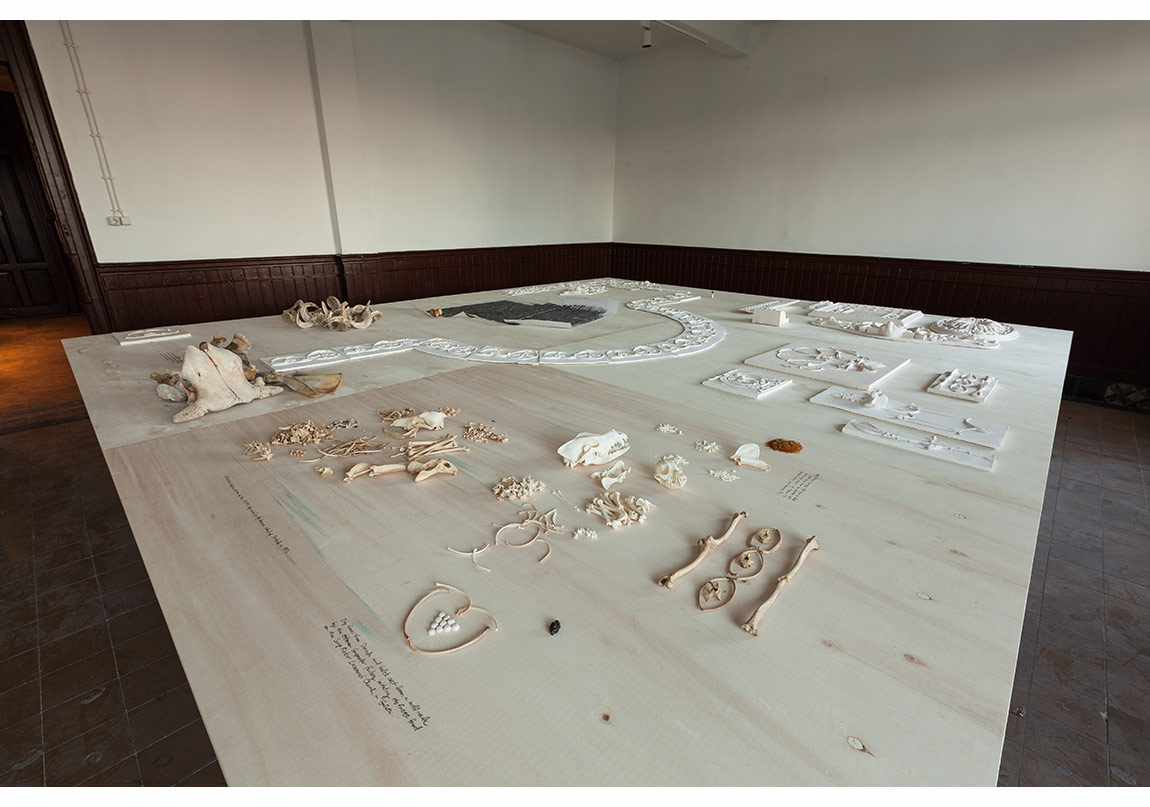
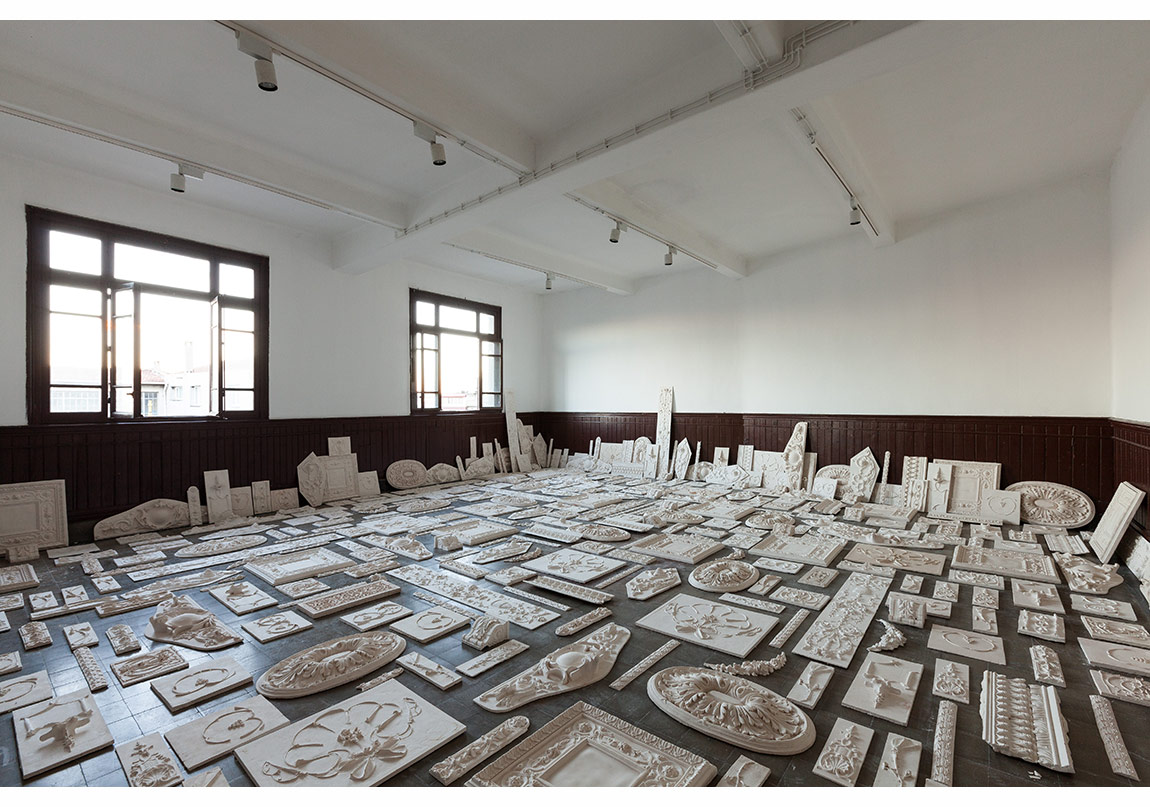
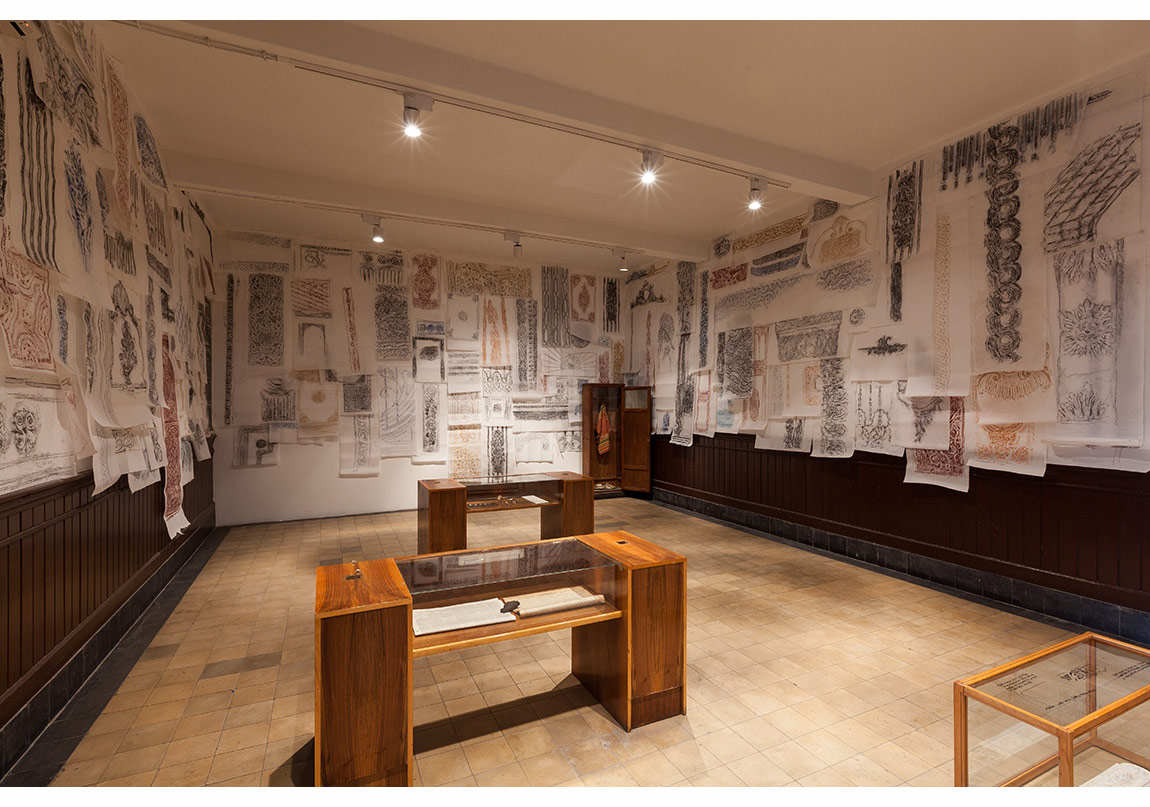
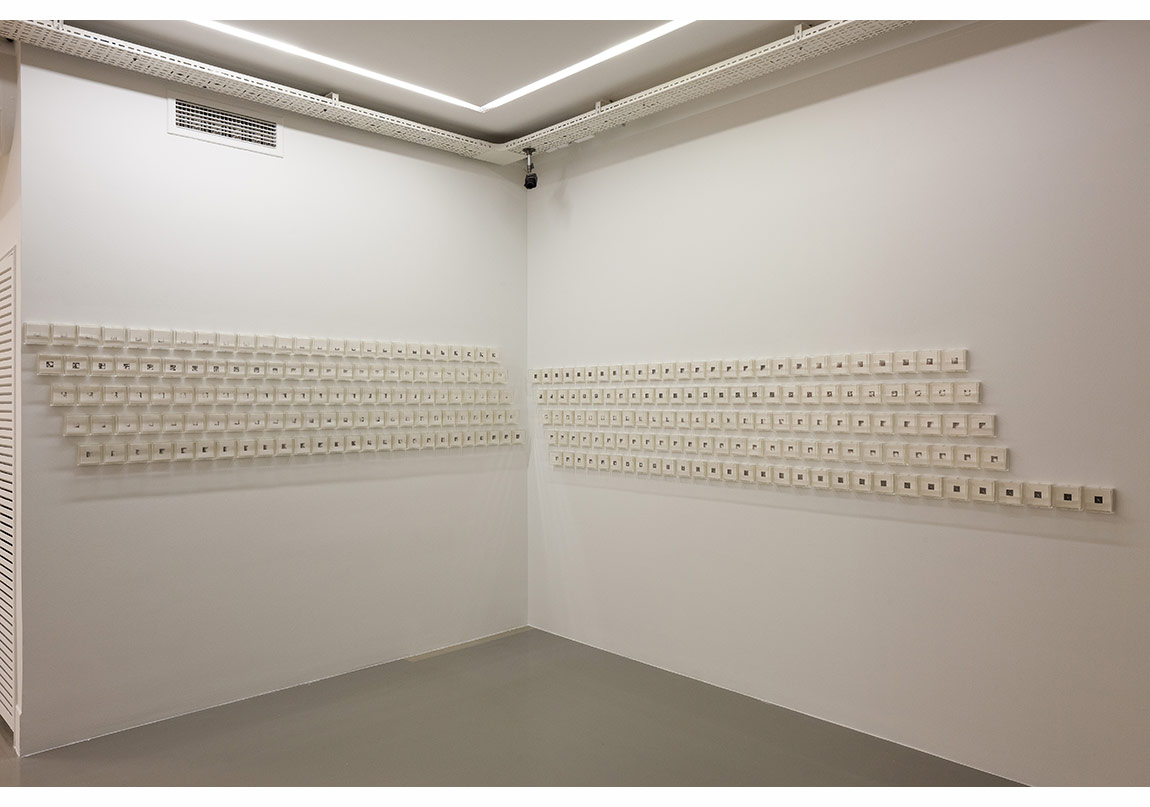
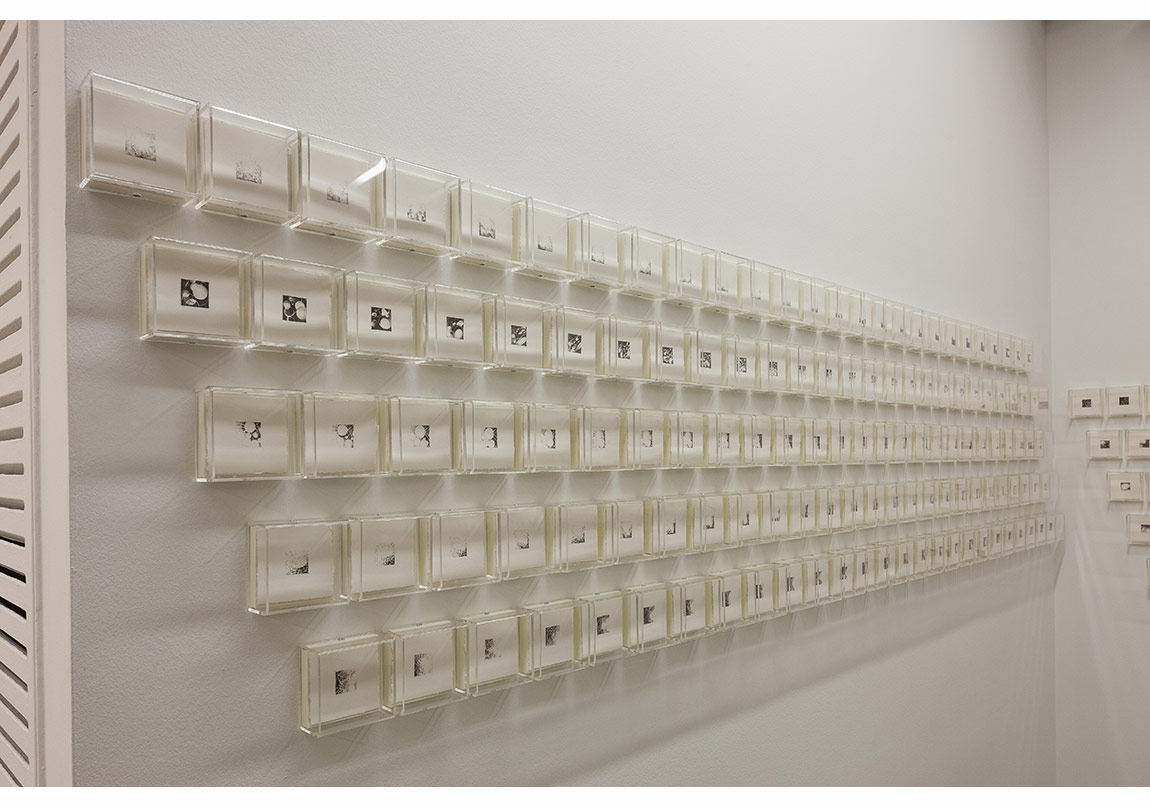
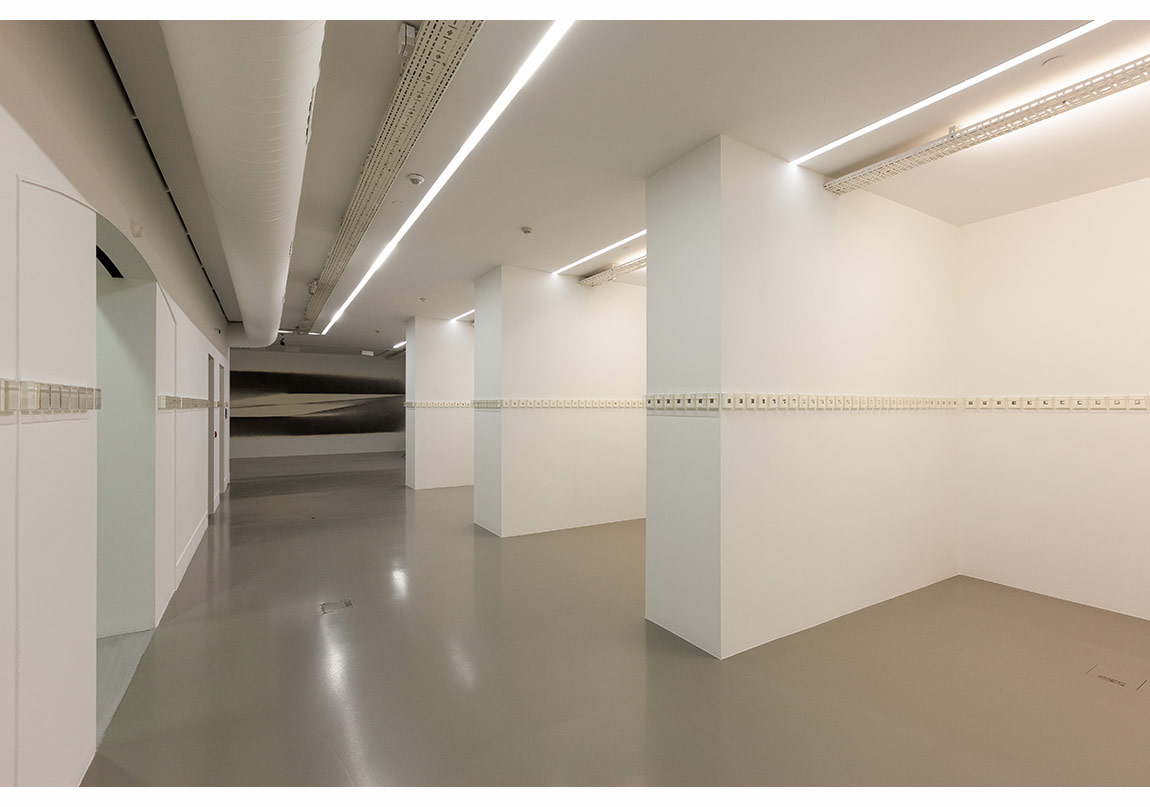
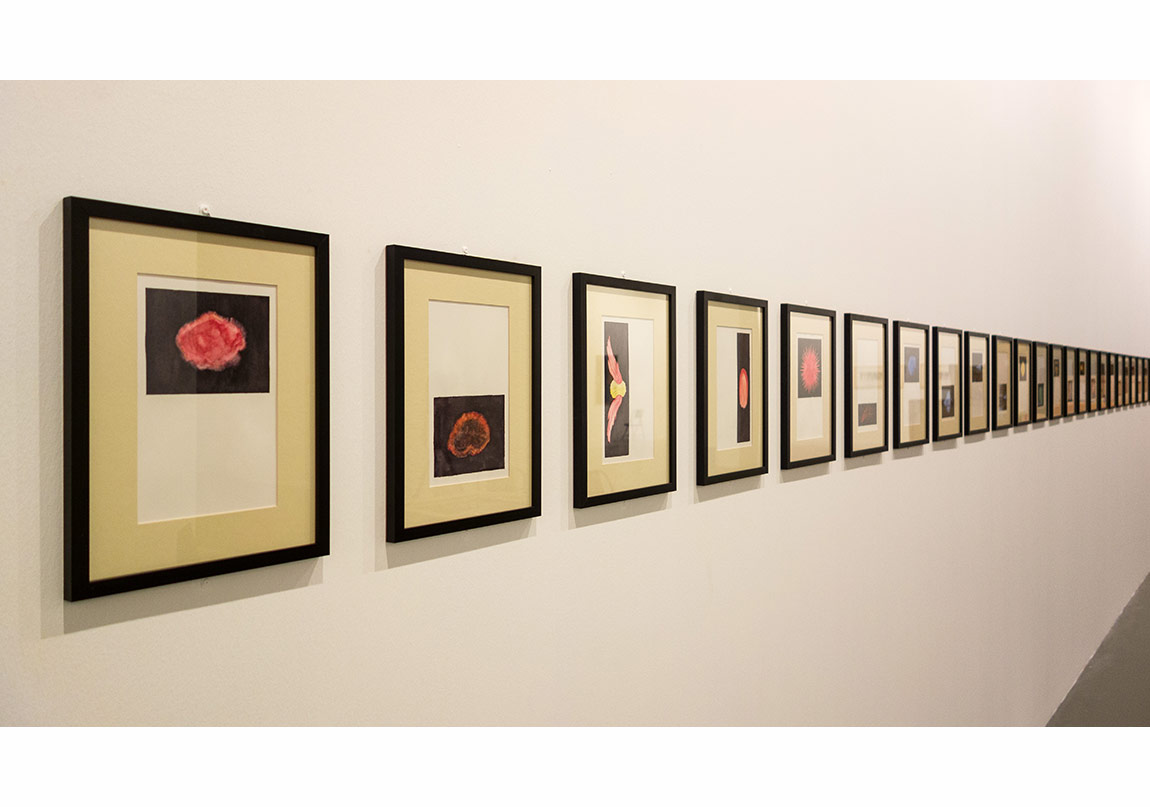
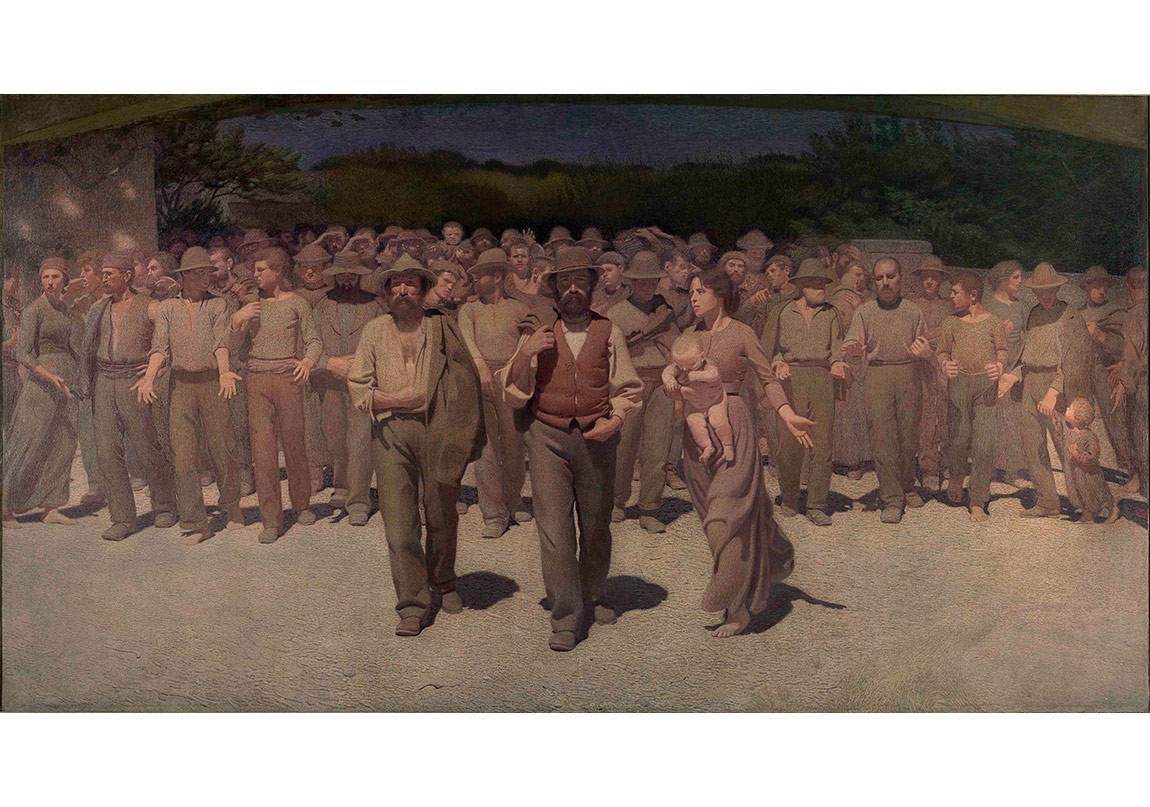
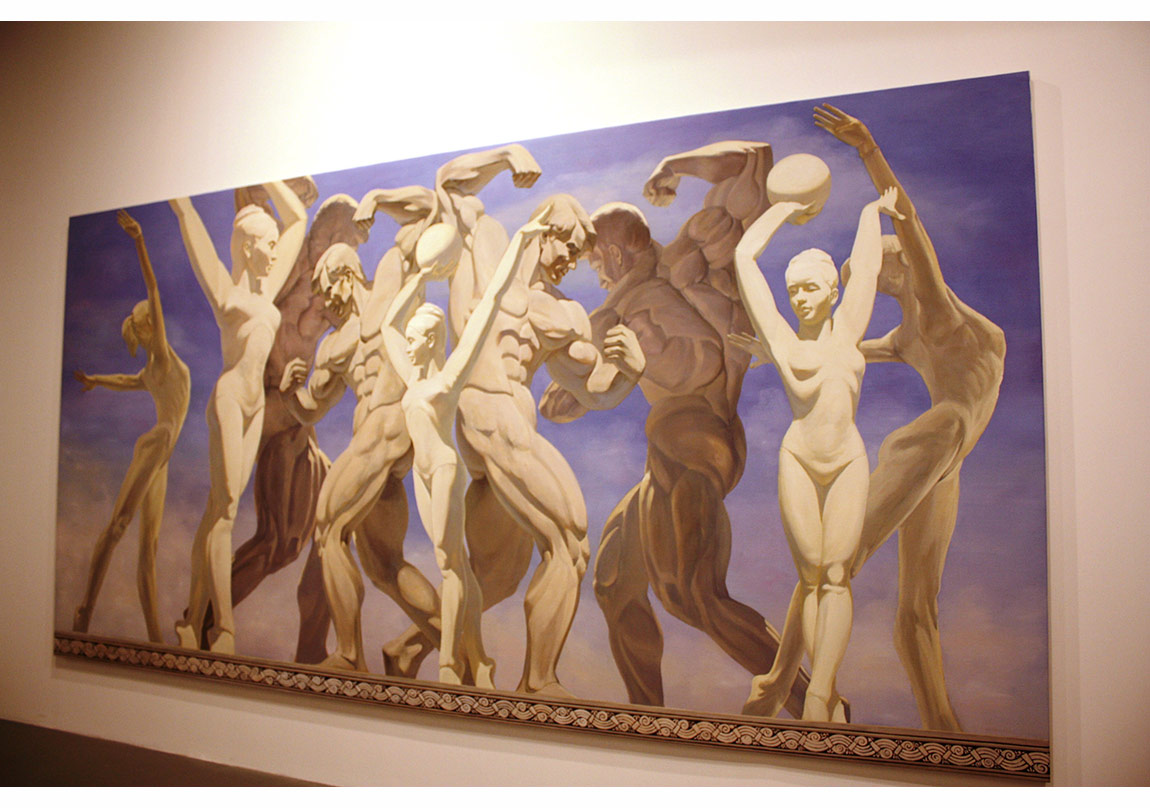
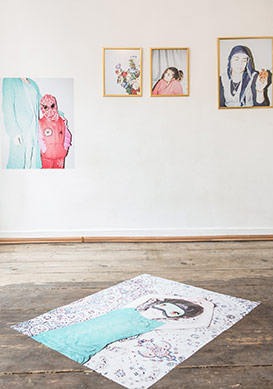
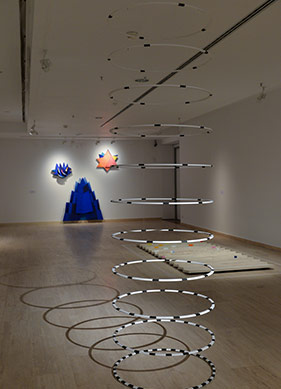
On the one hand are works such as Taner Ceylan's "Portrait of Giuseppe Pellizza da Volpedo" or the meticulously made copy of Volpedo's "Fourth Estate" that the viewer cannot fully grasp by just looking, not including an explanation, bound to the text in which Bakargiev narrates working with only a number of artists... On the other hand are works that require craftsmanship such as Michael Rakowitz's "The Flesh is Yours The Bones Are Ours" that aim to draw attention to the craftsmanship of Armenian masters and the pain of their people... The persistent emphasis on Art Nouveau that we encounter in the texts and talks again show the importance of craftsmanship and manual labor. The proud declaration of "over 1500 works in 36 spaces" include 1000 works by Christine Taylor Patten's ink drawings on sheets of paper 6 cm2 that the artist calls "micros" and the inclusion of drawings by Lacan, Orhan Pamuk, Annie Besant, Charles W. Leadbeater and many others, even sketches by installation artists are exhibited in glass cases, thus again emphasizing manual work and production. On the other hand, the assertion is that the immaterial approach of the theosophists, the nature of art as something that is intangible. It can thus be claimed that while the 14th Istanbul Biennial produces "distances," it is also trying to demolish the distance. These words by Bakargiev emphasize the attention to distance: "The exhibition looks at where the line should be drawn, relating to each other processes of research in art and research in other fields [...], where a withdrawal will take place through non-linear and organic forms, where they get closer and where they are distant."[3]
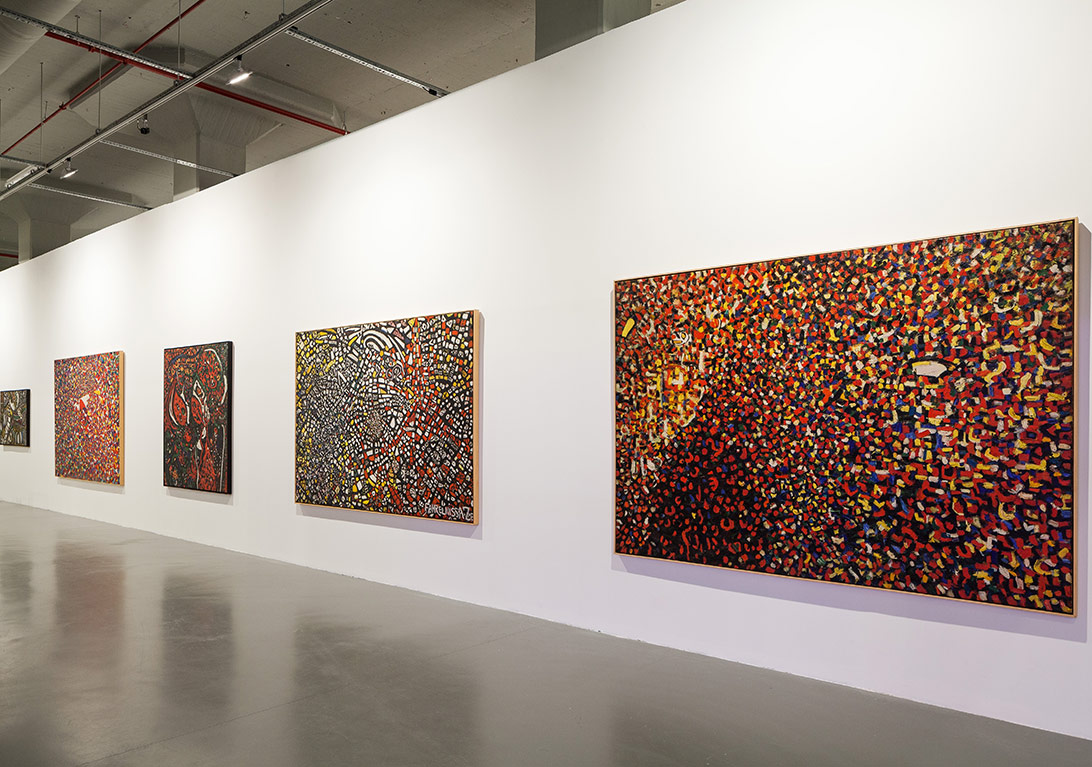
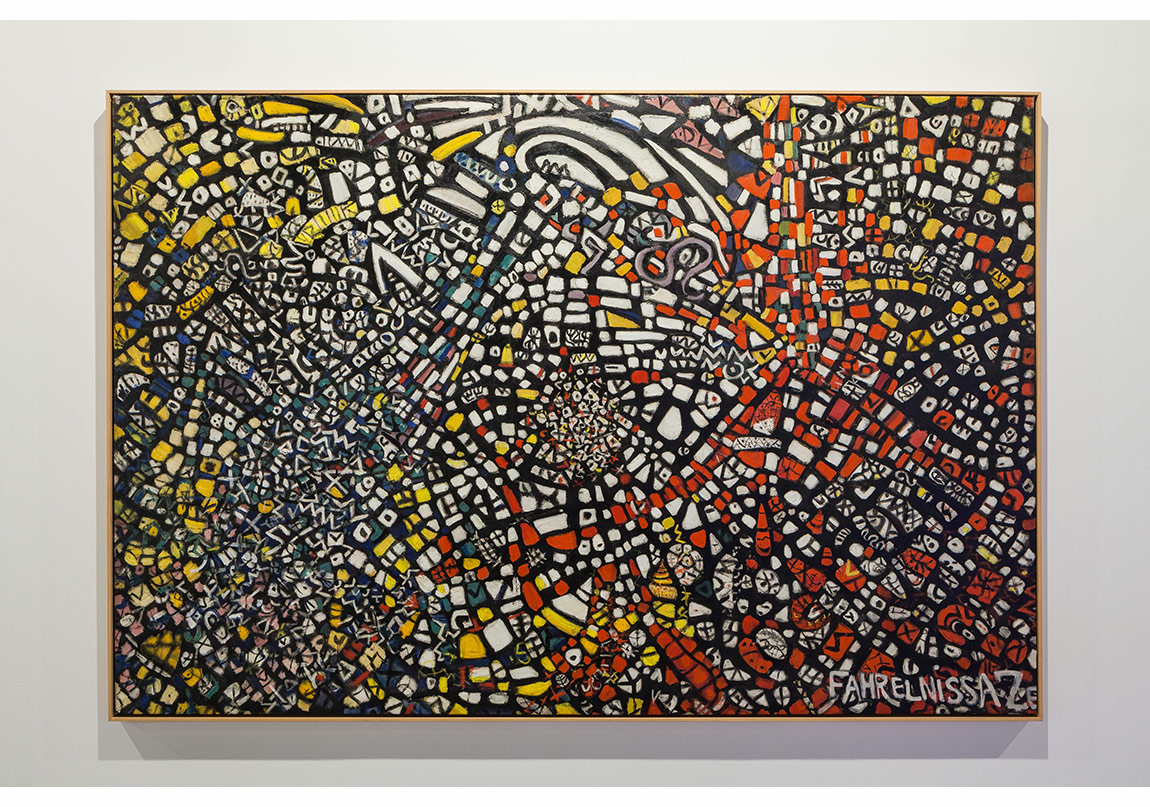
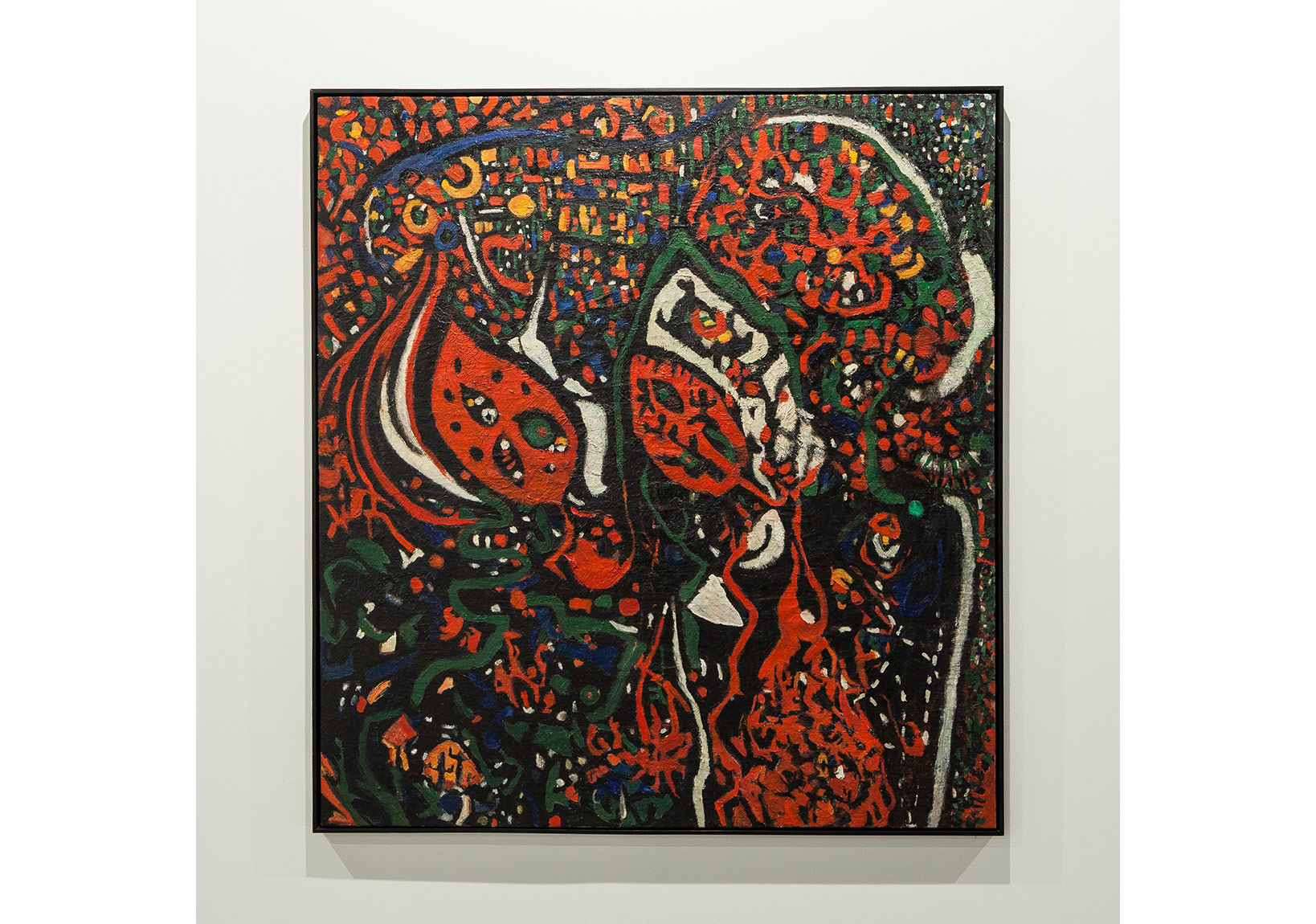
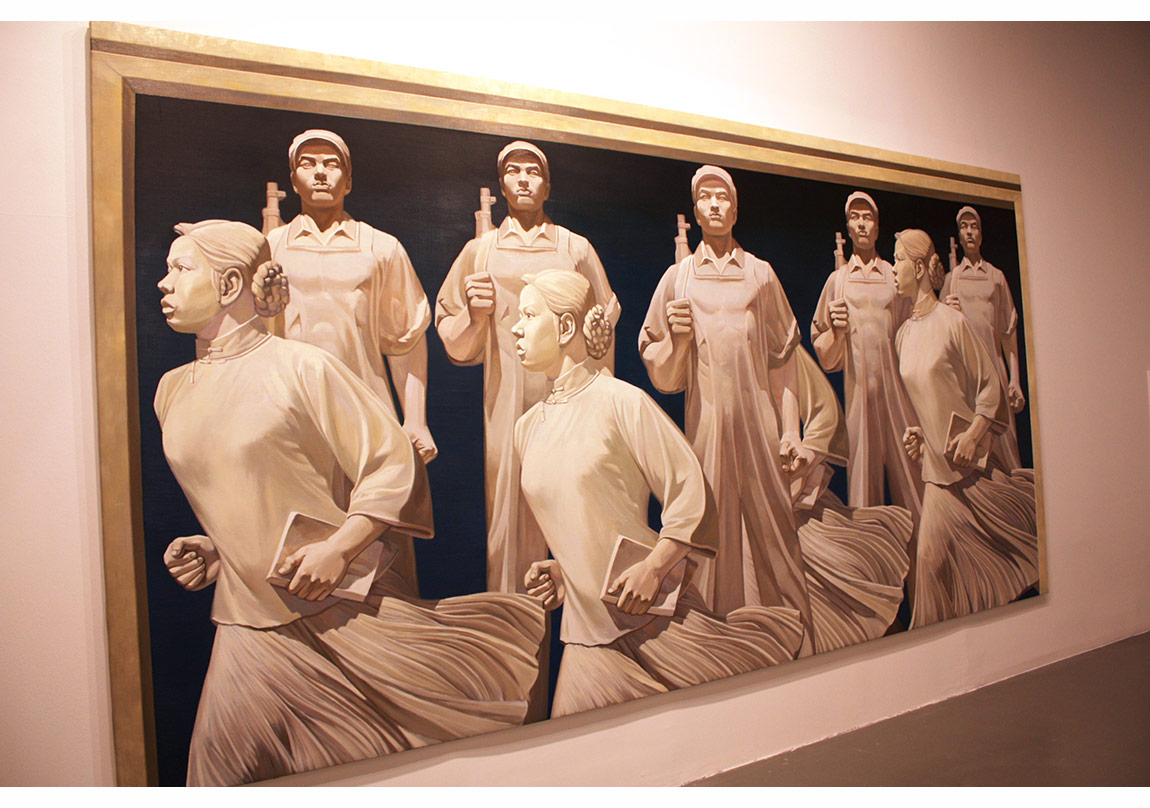
The presentation words used for many of the choices in the biennial, especially the drawings, are formed on metaphors including waves, frequencies, knots, flow, and breathing. Try to close your eyes and imagine an image related to the biennial. It is not really possible. The biennial's poster has drawings, stain-like drawings instead of figures or photography. Although there are figurative works included in the biennial such as Liu Ding's socialist realist-monumental paintings, these remain outside of the general framework of the exhibition and thus appear separate. What is striking at the Istanbul Modern is the number of oil paintings and painting using other techniques. For examples, in contrast to Ding's figurative sensibility, Fahrennisa Zeid paintings from the Eczacıbaşı collection that appear to pay respects to the family, moving from upstairs in Istanbul Modern to downstairs, are striking in the artist's idiosyncratic use of abstraction. Michelangelo Pistoletto's "Venus in Rags" that has already been exhibited in Istanbul before and that has been aging on the pages of art history only serve to point to Bakargiev's Arte Povera influence.
One of the main differences between the 14th Istanbul Biennial and others is the choice of spaces. Walking through the historic peninsula for the Istanbul Biennials was a kind of reproduction of orientalism. This lasted until the 9th biennial in 2005. As the urban transformation of Istanbul as a "center of attraction" and as art became the centerpiece, we delved into the metropolis life. Now, through another route, we have entered the Bosporus line through the theme of "saltwater." Seeing the biennial through sea transportation rather than land routes, being on water in the process, could correspond to experiencing the city from a touristic perspective even for a little while and that could be good for everybody. Bakargiev anchors this in the history of salt, its history, connecting it to the Bosporus line that the biennial spaces spread out to and the time spent on saltwater. For example, she lectures on the benefits of making contact with saltwater[4], even talking about how your cell phone would be ruined when dropped in saltwater. (!) When all of these are taken into consideration, the choice of the Bosporus axis to Bakargiev's expressed desire to, in her own words, to "change the cliché of East-West"[5], with the ideologically charged meaning of East-West conjures up another type of an orientalist perspective, no?
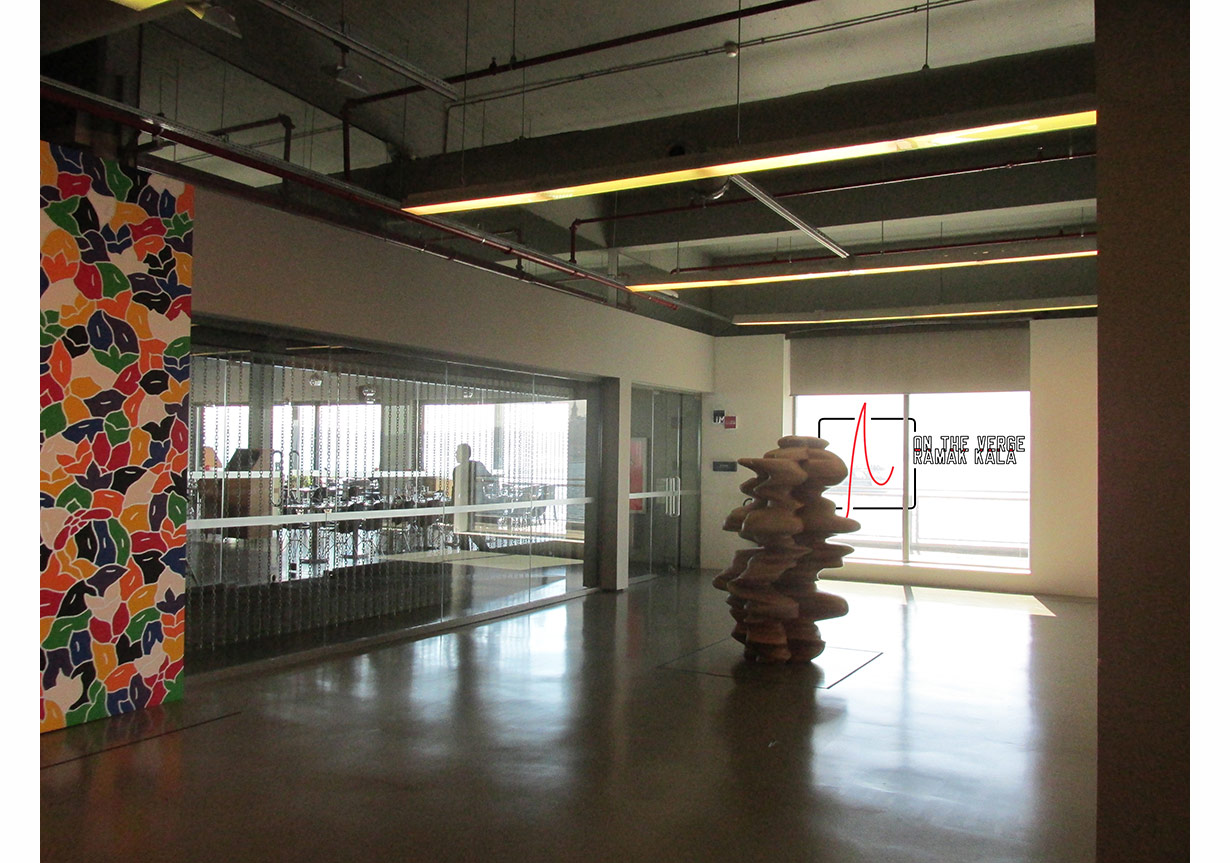
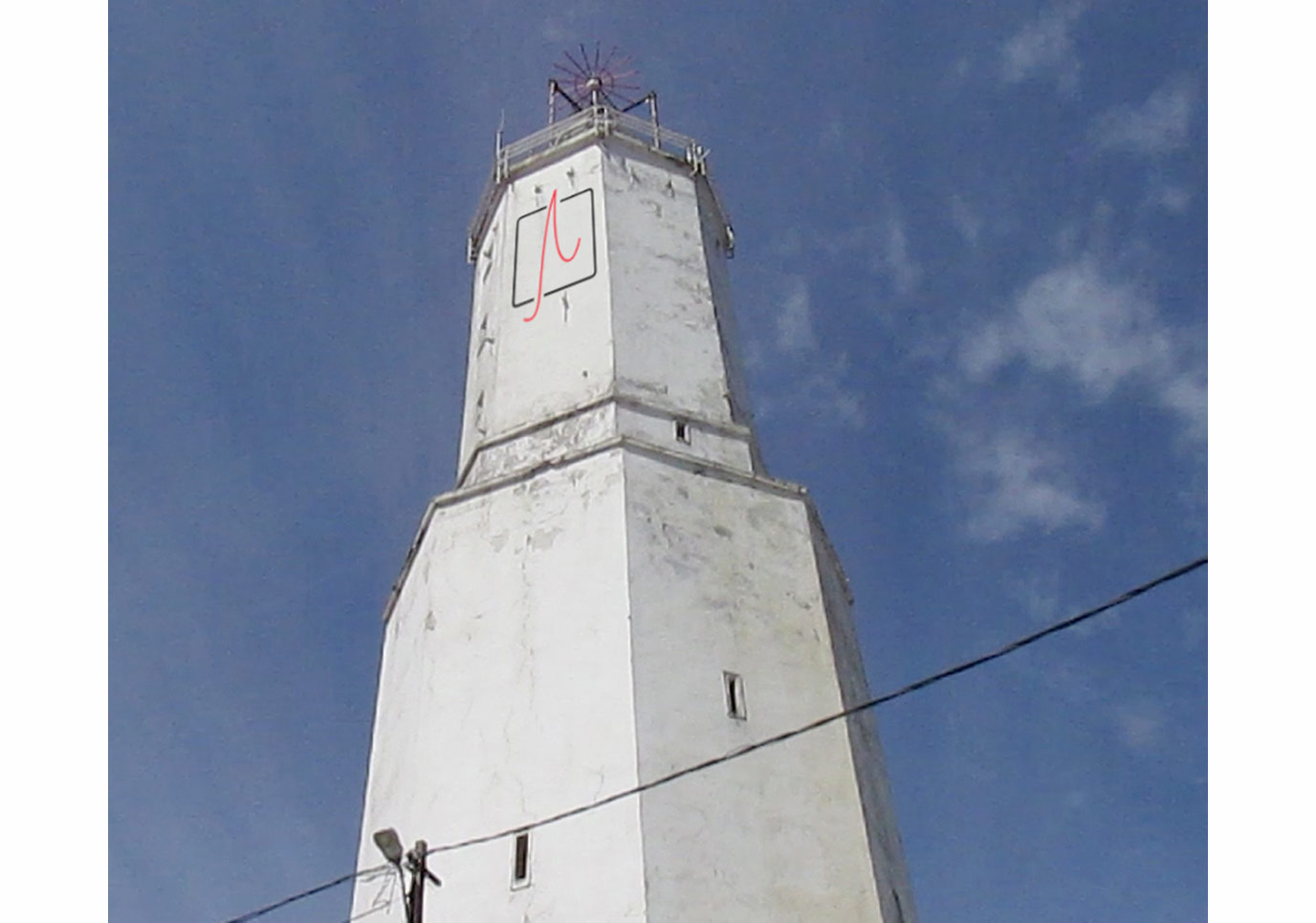
The most ironic work in the biennial is Lawrence Weiner's work at the Rumeli Lighthouse. It is proof that Bakargiev's intention of traveling on saltwater to see the biennial is not functional for Istanbul. During the viewing tours organized by the biennial, we were able to see the work on a trip that took 1,5 hours to get there and 1,5 hours to come back. Unfortunately, the work cannot be seen in-person using public transportation. "On the Verge" is based on being able to imagine it.
If we once again return to the text that is not a "curator's text," Bakargiev's words on art's potential to enter the market are striking: "There are other ways to glorify art's agency and to offer appropriate platforms. One of these ways it to disrupt the finitude of art works, to mobilize ideas and emotions with artistic actions, to make them useful and to catalyze them by creating other historic knots."[6] These words show an effort to sustain the production of the 20th century avant-garde, which denied meta value. As the 14th Istanbul Biennial evokes non-existing-object, non-space, durational deeds that are all too familiar, "imaginary space" is also added to the mix. The seemingly bright idea of using "imaginary spaces" when one reads about them, is confusing to many—Casa Garibaldi, the military zone in Riva and the French Orphanage cannot be seen.
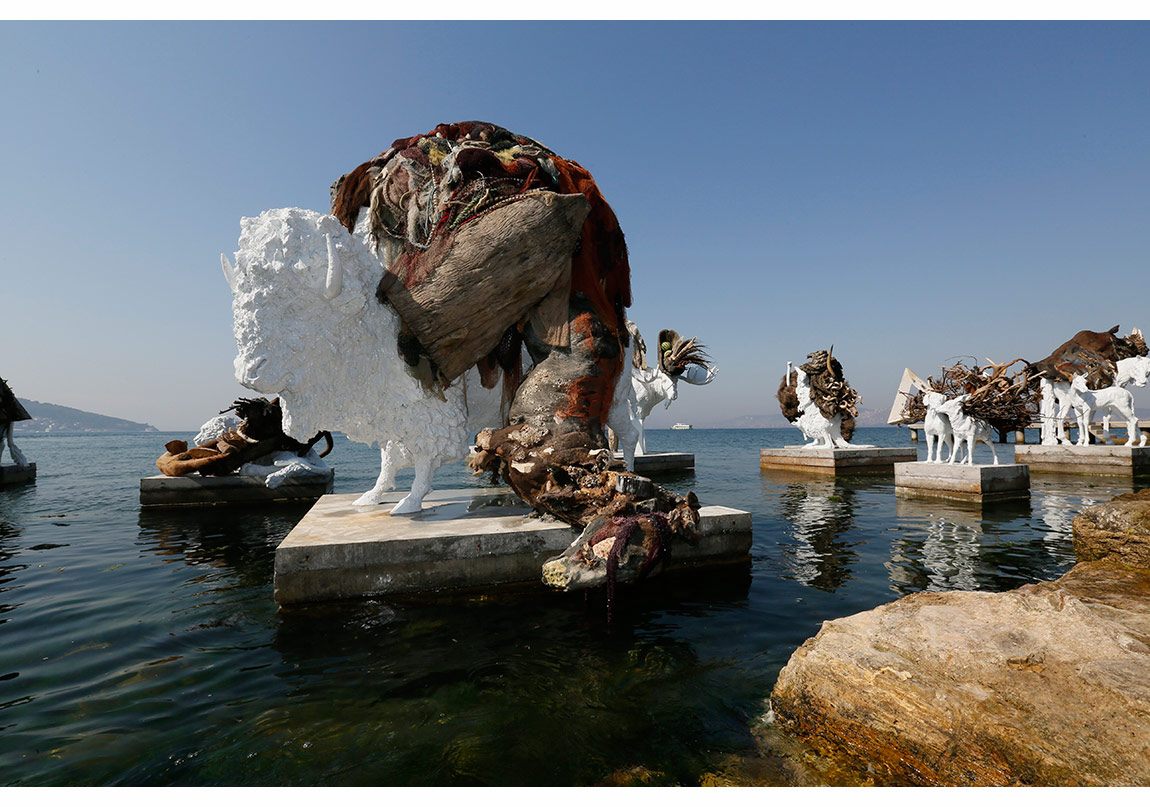
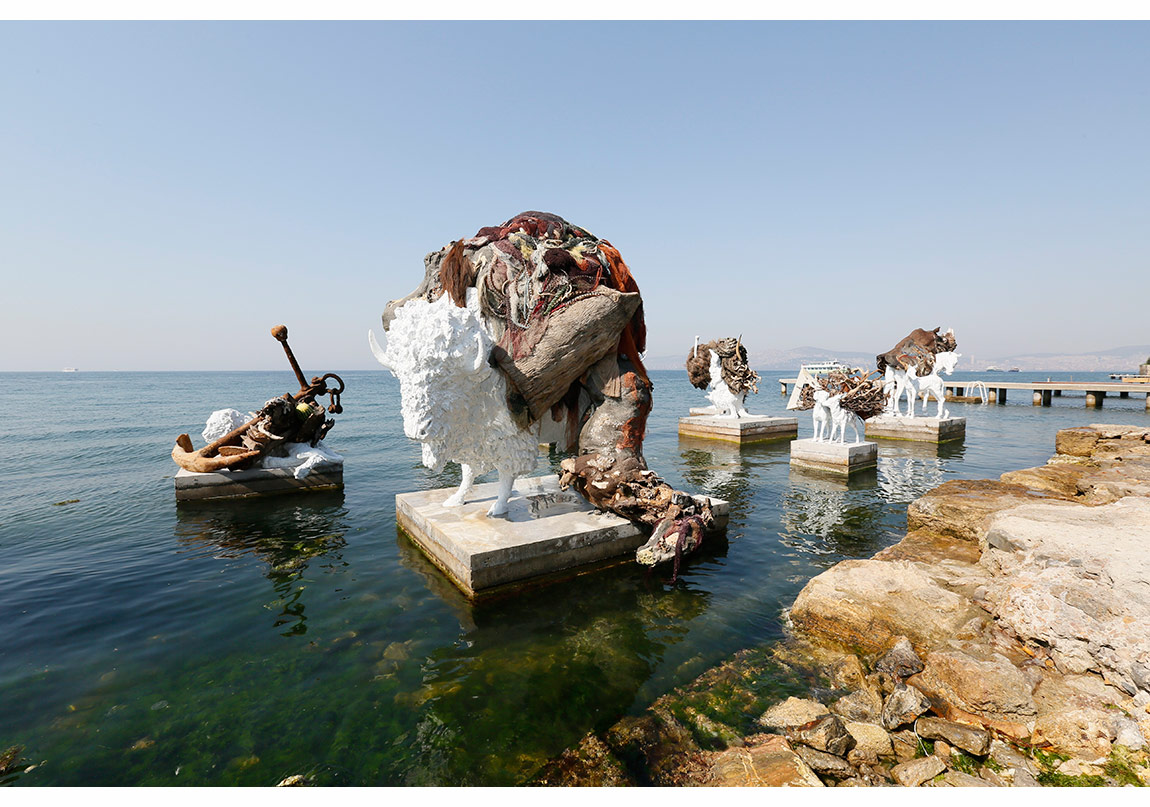
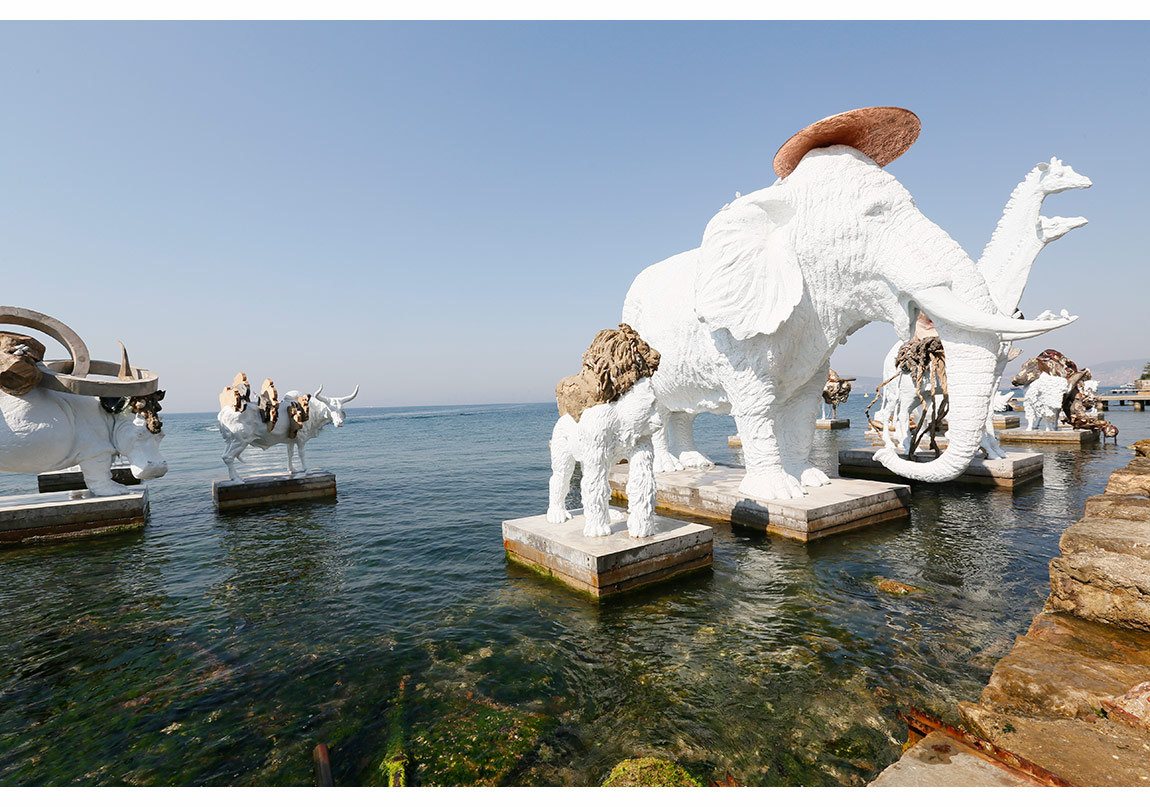
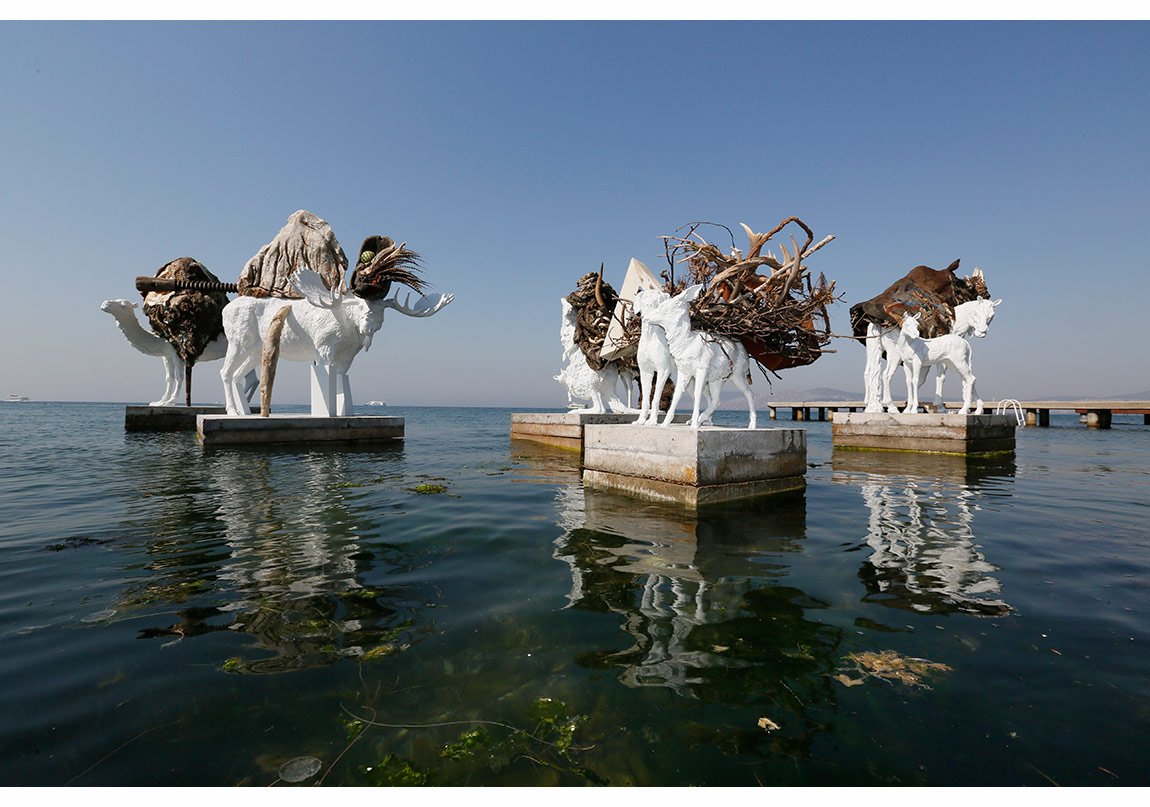
Without a doubt, the most interesting route of the biennial is Büyükada. A few different spaces included here have been considered together with the traveling to the island. Bakargiev says that the whole idea of the exhibition was formed because of the Trotsky house; Trotsky's days of exile on the island, combined with the film Citisienfour that is on Edward Snowden, gave her the idea for the exhibition. Trotsky's intensely prolific period during his exile, his loneliness, encountering one's self in the moment of introversion have been perceived as a form of meditative form of existence. Yesterday's homebound loneliness has been transformed into the expression of the overdose of communication today.
14th Istanbul Biennial, "Saltwater: A Theory of Thought Forms," is in the form of defining the knowledge production hierarchy and through action as can be interpreted from its discourse. When we take into consideration what the goal was, the biennial is a very successful exhibition. At this point, I will end here with the presupposition that every interpretation is incomplete. However, while doing this, the biennial requires and calls for a text, but the texts on the works are purposefully lacking, pushing the text away. After this point, we think that the concept of "distance" is perceived as "coldness" rather than its metaphoric meaning of "space."
*Bienal hakkında değerli fikirlerini paylaştığı için Burak Delier’e çok teşekkürler.
[1] Küratör metninde “teosofi” olarak geçen disiplin Türkçede “teozofi” olarak kullanılıyor. bkz: Ahmet Cevizci, Felsefe Sözlüğü, 6. baskı, İstanbul, Paradigma Yayınları, Kasım 2005, s. 1614.
[2] Pietro Rigolo, “Teosofi, Annie Besant ve Düşünce Şekilleri”, 14. İstanbul Bienali Kataloğu, Çev. Münevver Çelik, İstanbul, Yapı Kredi Yayınları, 2015, s. 28.
[3] Carolyn Christov-Bakargiev, “Tuzlu Su: Düşünce Biçimleri Üzerine Bir Teori”, 14. İstanbul Bienali Kataloğu, Çev. Savaş Kılıç, İstanbul, Yapı Kredi Yayınları, 2015, s. XXXIV.
[4] Carolyn Christov-Bakargiev, “Tuzlu Su: Düşünce Biçimleri Üzerine Bir Teori”, 14. İstanbul Bienali Kataloğu, Çev. Savaş Kılıç, İstanbul, Yapı Kredi Yayınları, 2015, s. XXXIV.
[5] http://sanatatak.com/view/ChristovBakargiev-Turkiyenin-sarilmamis-pek-cok-yarasi-var/1913
[6] Carolyn Christov-Bakargiev, “Tuzlu Su: Düşünce Biçimleri Üzerine Bir Teori”, 14. İstanbul Bienali Kataloğu, Çev. Savaş Kılıç, İstanbul, Yapı Kredi Yayınları, 2015, s. XXXVI.
;