ÖNCEKİ
24 AĞUSTOS, PAZARTESİ, 2015
SONRAKİ
I didn't count how many people there are who left this world without realizing that they have transformed art into a brand. Since I'm not really sure as to how many more times I will come back to this material world, I found an opportunity to set foot in the Van Gogh Museum in Amsterdam in the Netherlands, finally getting a chance to breathe in the love there.
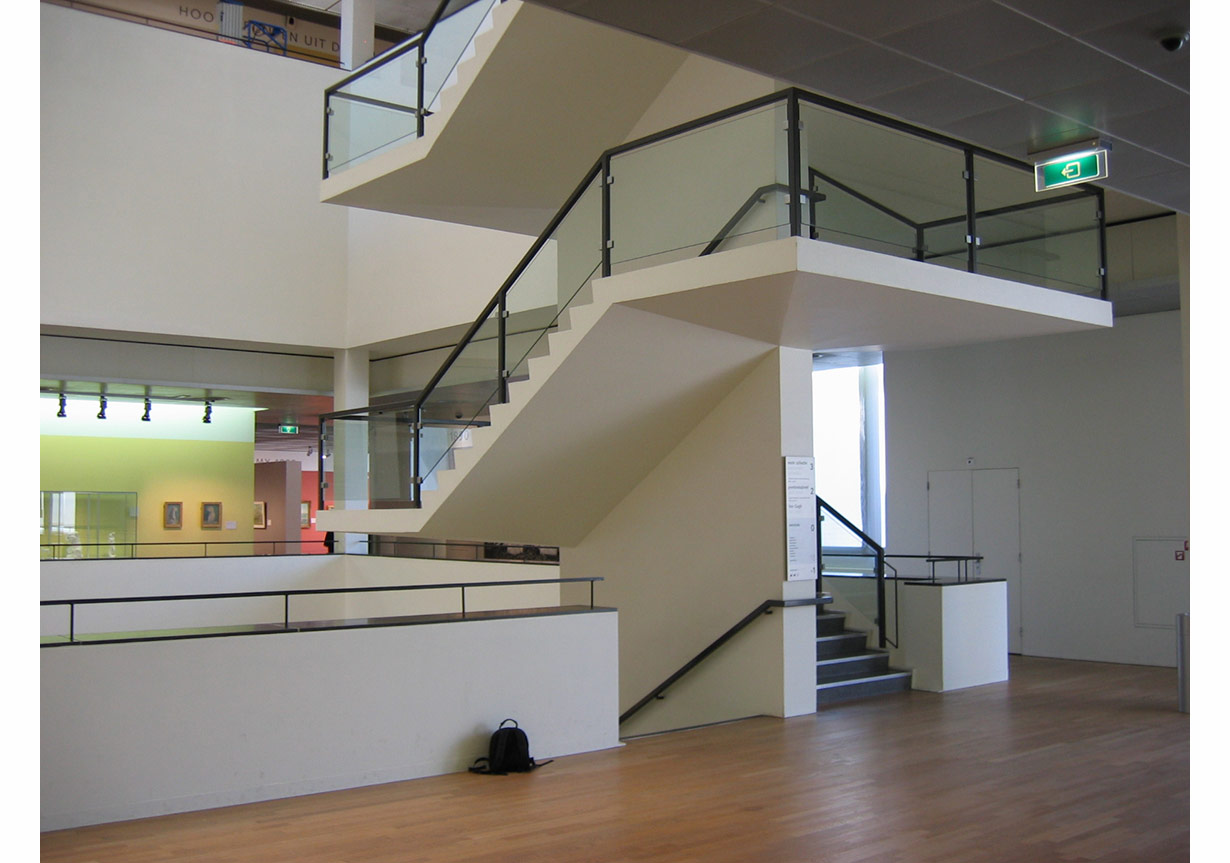
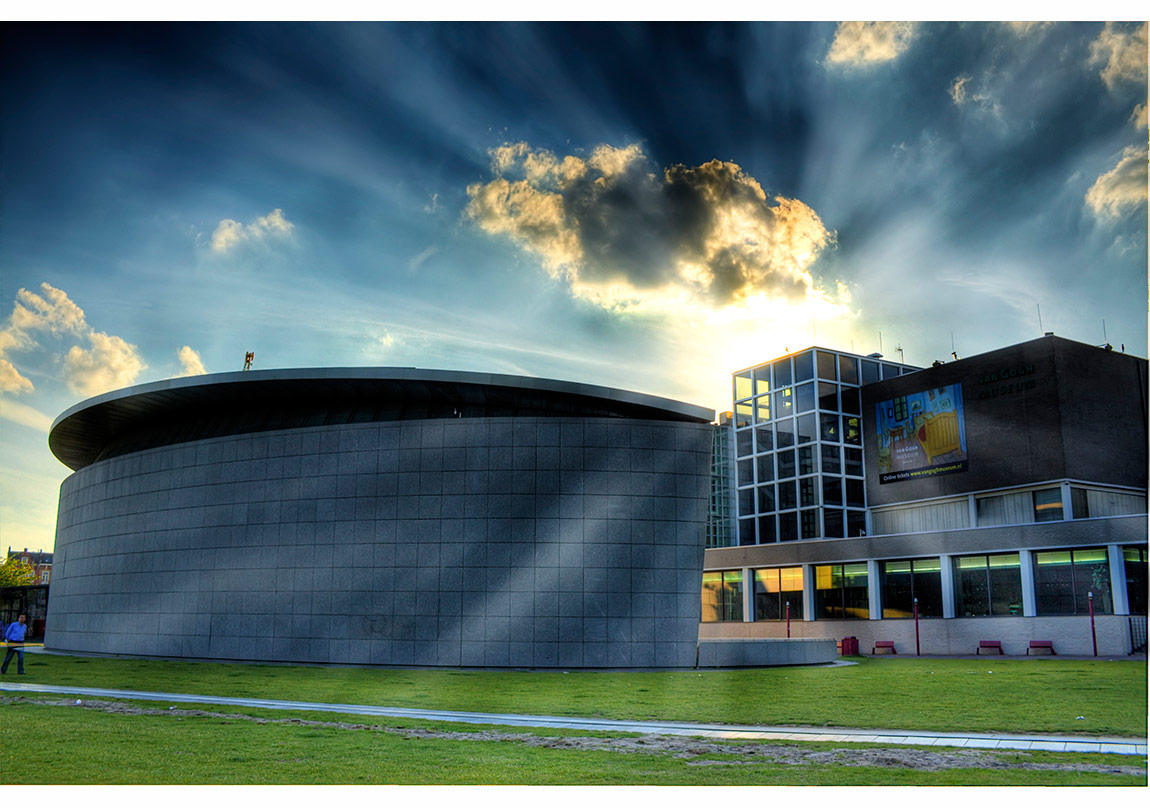
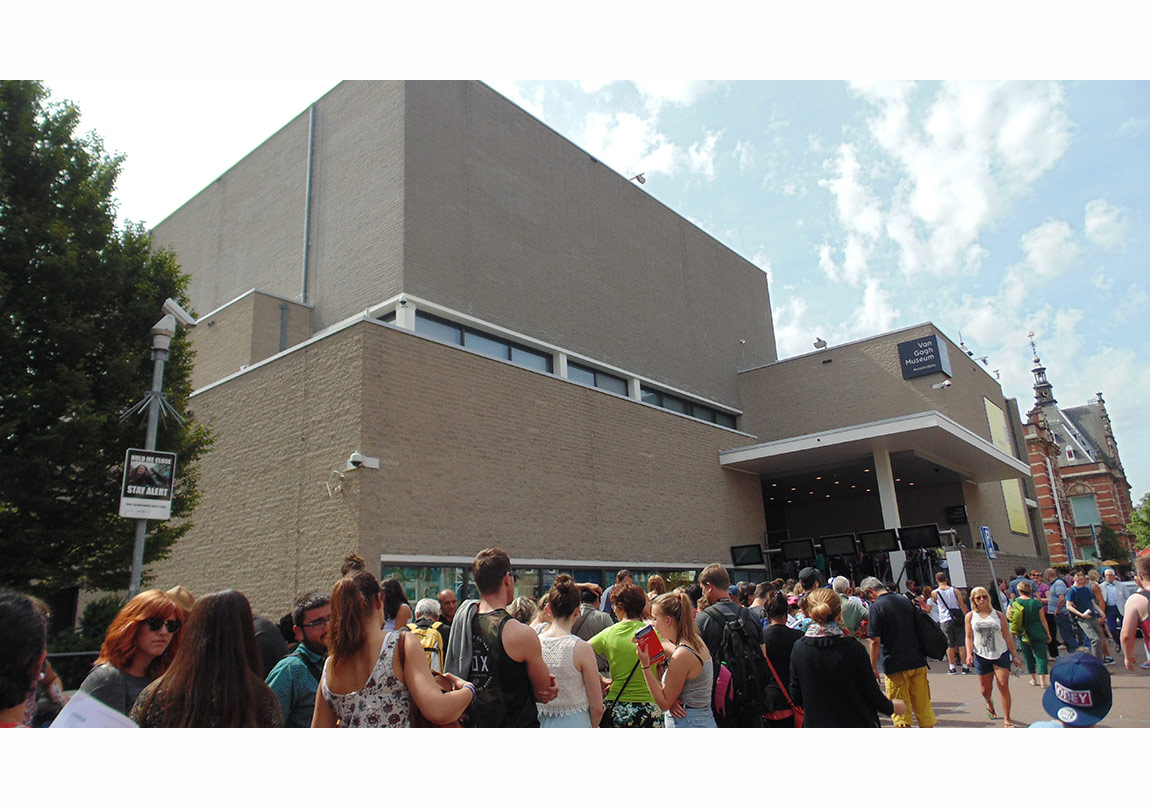
The modern building is walking distance from "culture reservoir" that includes Rijksmuseum Amsterdam, Stedelijk Museum and Concertgebouw. A new entrance will open in the second week of September that will add 800-meter squares to the building. To be able to realize this "transparent" project, a transparent funding mechanism was employed and the public was asked to make donations. The project cost 20 million Euros. The main building opened on June 3, 1973; just last year, Van Gogh Museum issued 1 million 600 thousand tickets. The museum has the signatures of Dutch Gerrit Rietveld and his Japanese colleague Kisho Kurokawa, who added a new exhibition wing to the museum in 1999.
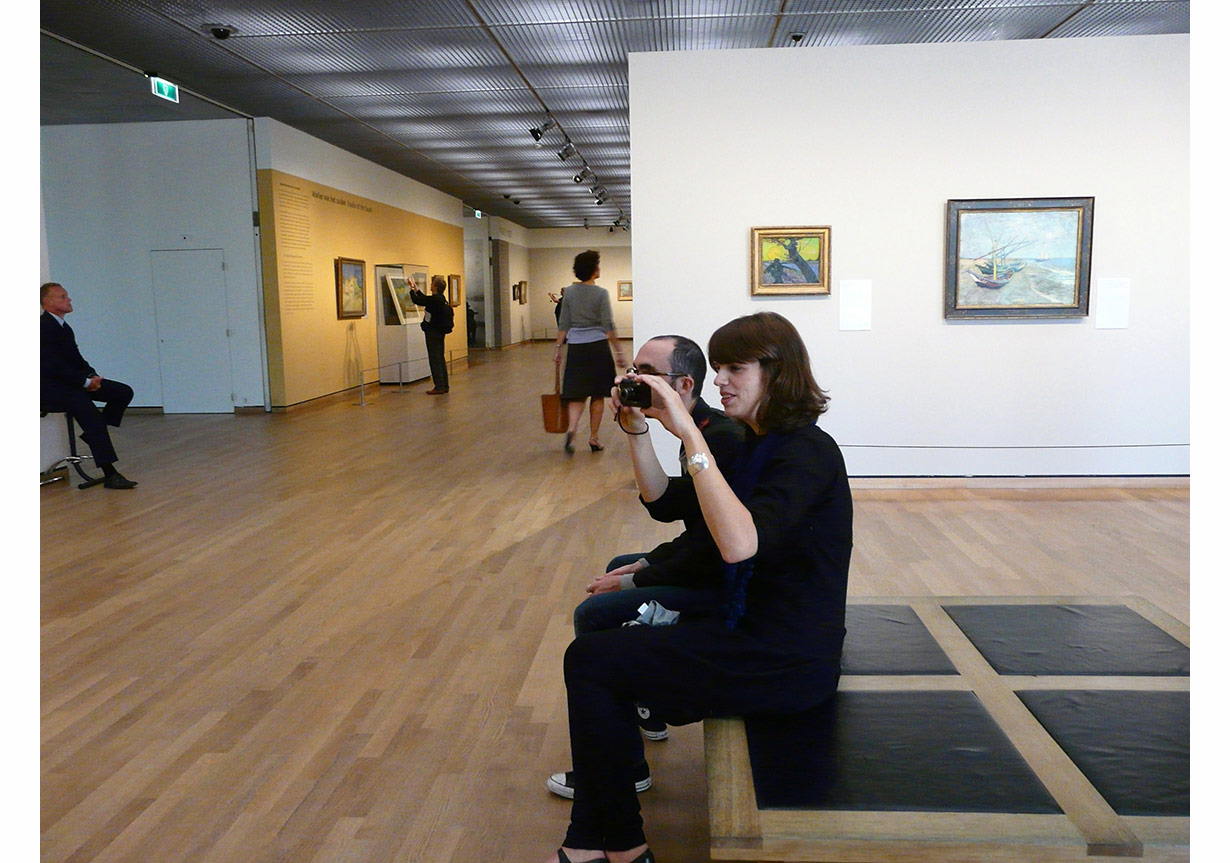
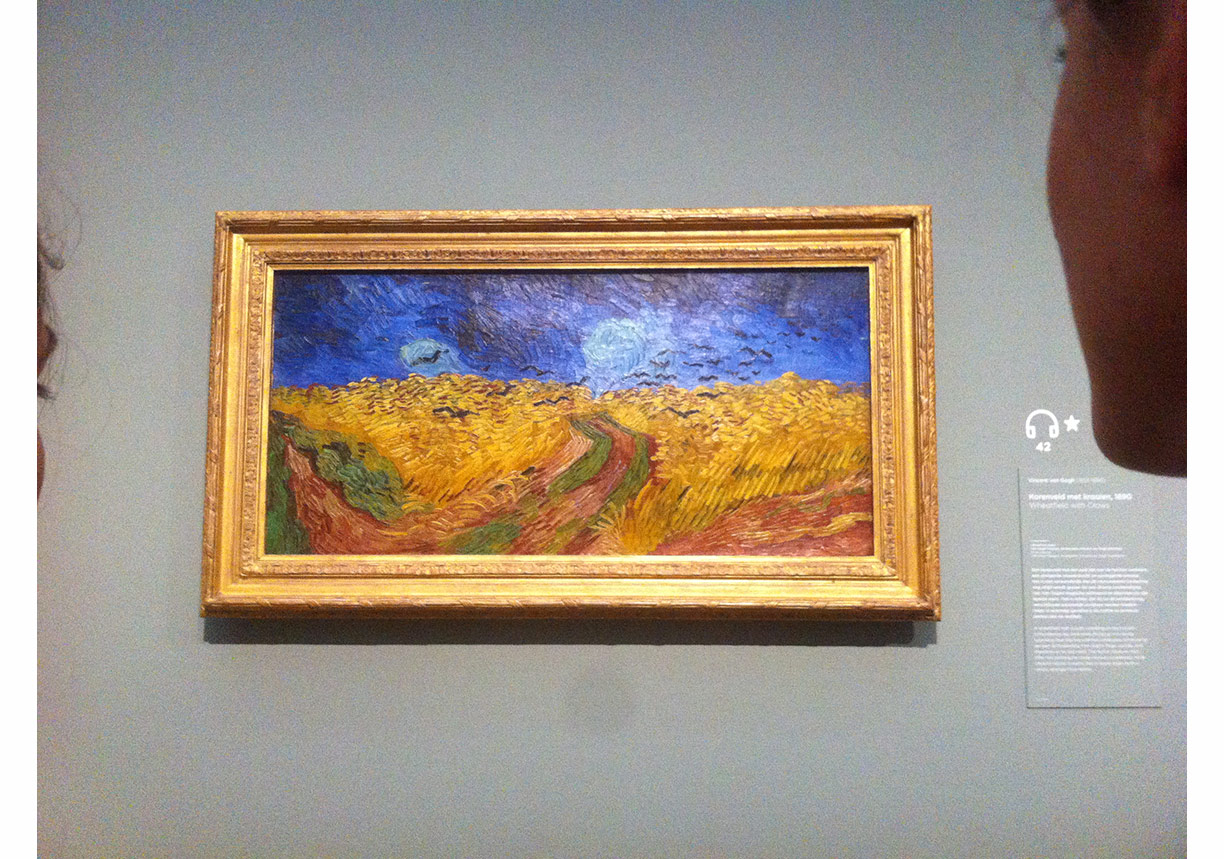
If you ask why one would need to go in person to the museum that is registered on the global cultural reservoir "Google Cultural Institute", the answer is that the institution owns the highest number of unique Van Gogh works in the world, legitimizing—if that is the correct term—the international line at the door. Van Gogh's dark crows, fields of harvest yellows, his stars that makes one's heart drunk with pleasure, and his spring branches of almond flowers that are almost illuminated, can all be seen in their true colors and bluntness. This state of mind justifies the expensive tickets and the line that could take hours of your time.
In front of the museum are many "shops" that sell Van Gogh umbrellas, posters, puzzles, t-shirts, and ties without a license. Even during a weekday, there is a line of at least 300 people, which puts pressure on the limit for the number of visitors per day. This line is so intense that there are up to five staff members with their cockaded t-shirts who manage the line, not dissimilar to the management of music fans at a concert.
I should warn, however, that a press member couldn't go into the museum whenever they want, when their personal calendar allows it. No matter who you are, no matter which publication you come from, you need to make a reservation through e-mail to be able to make a professional visit to the museum. Only after this confirmation can you plan your Amsterdam trip.
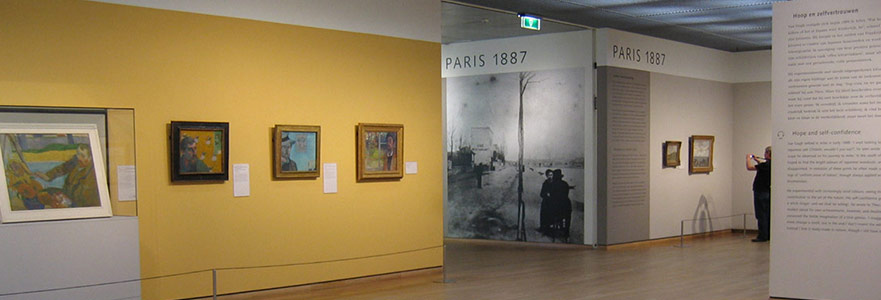
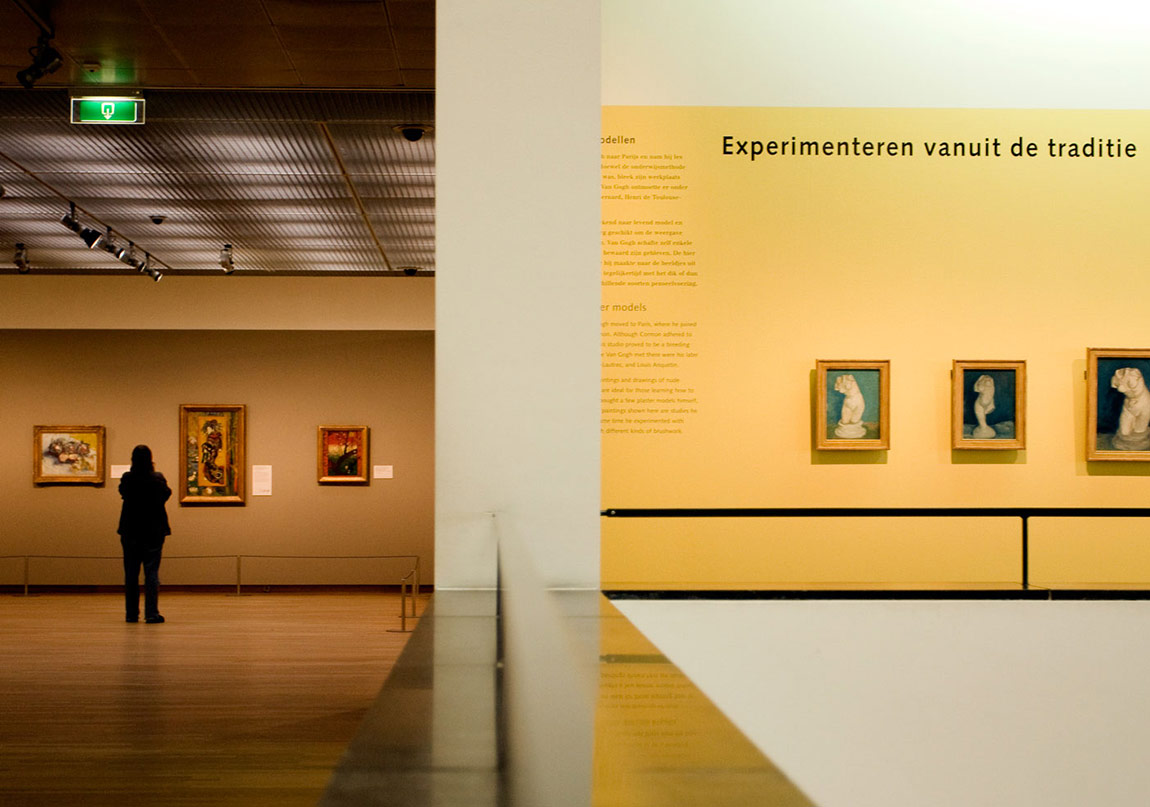
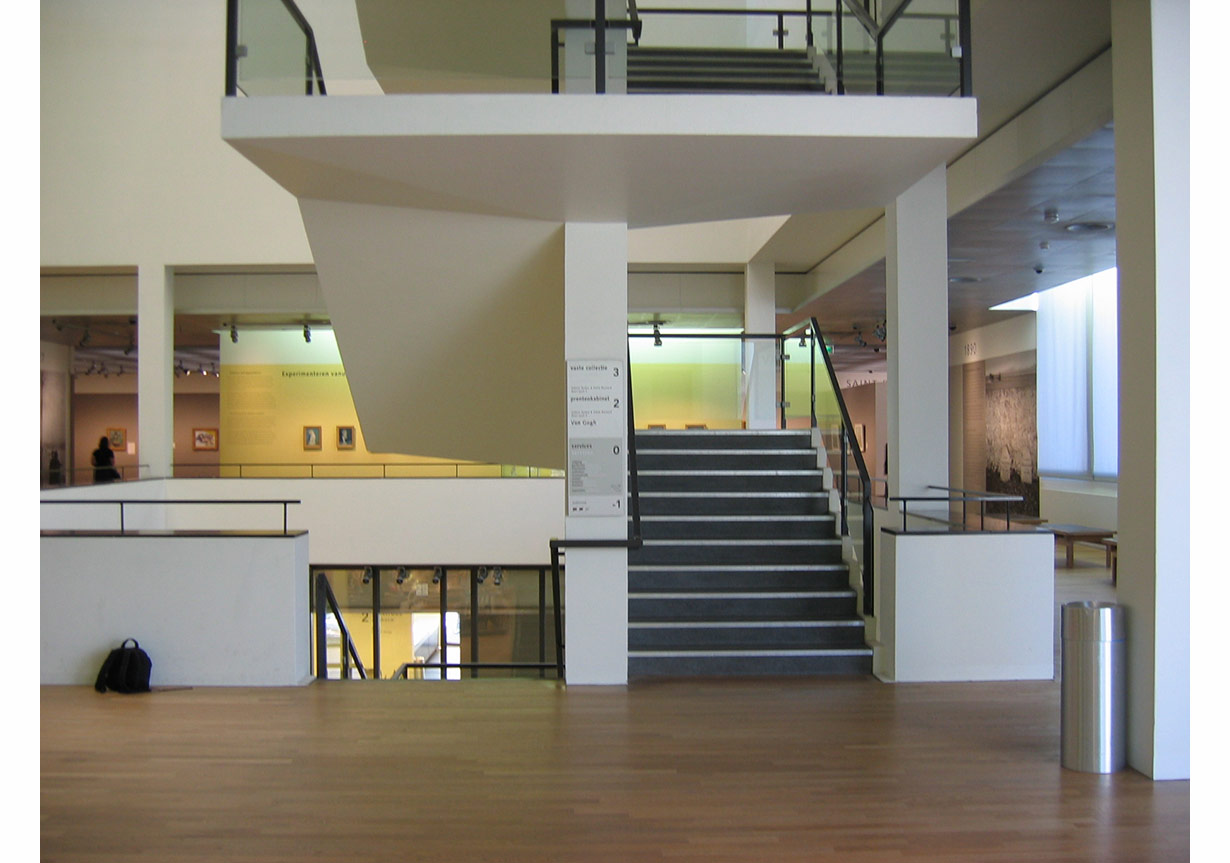
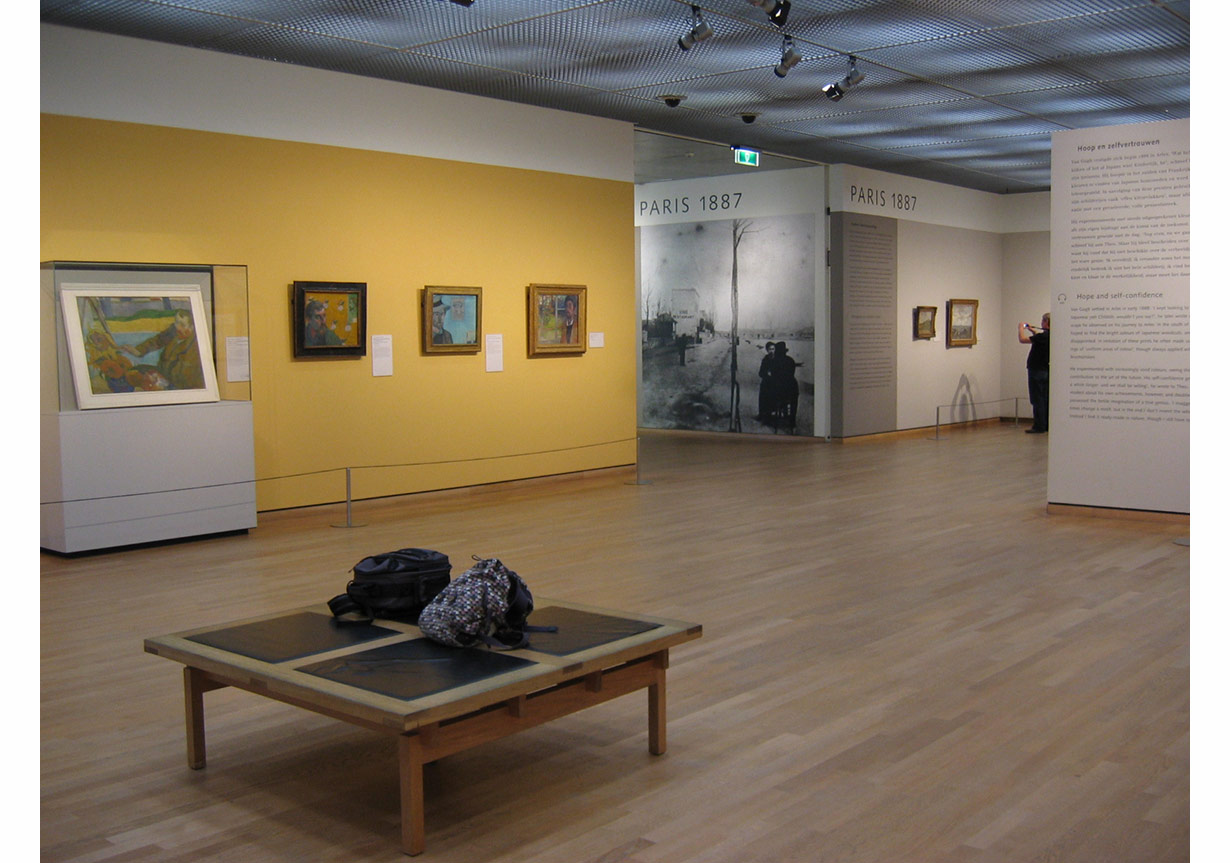
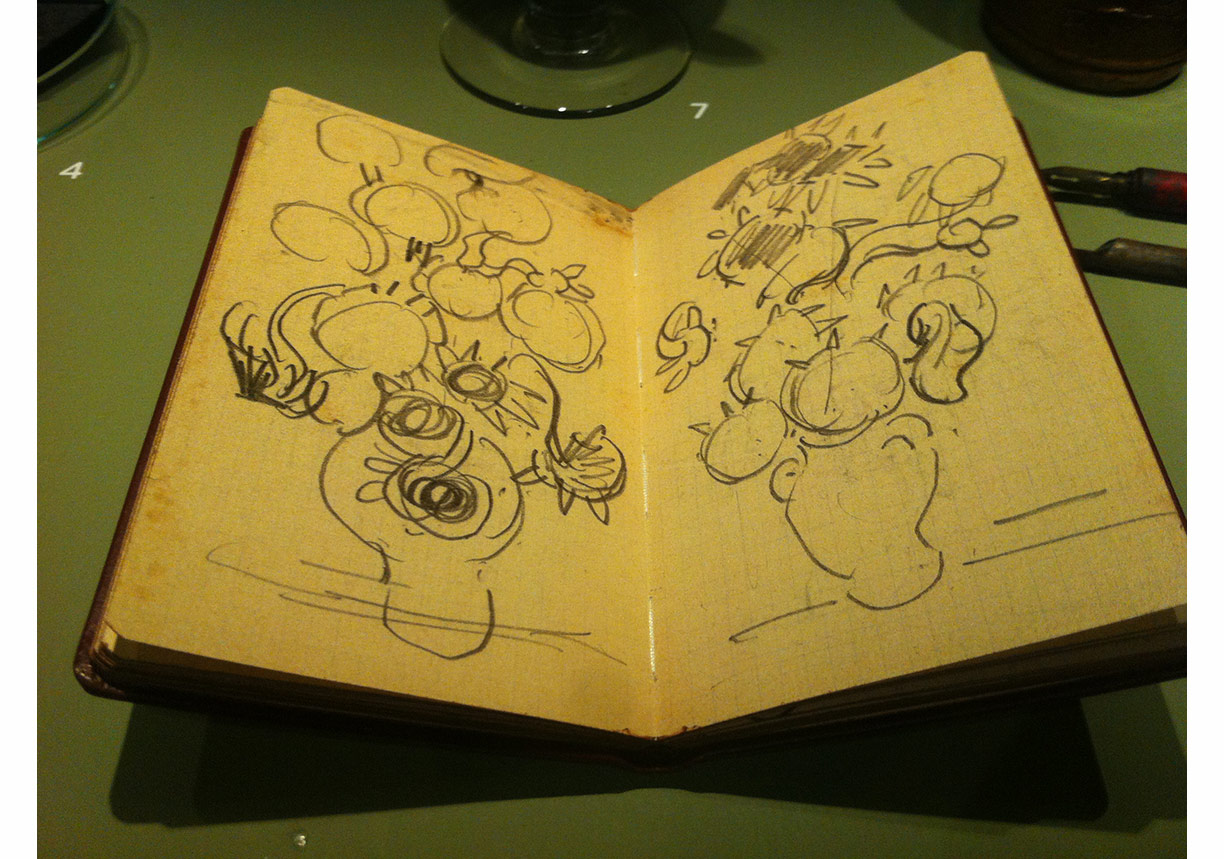
Van Gogh Museum includes approximately 200 canvases, 400 drawings, and 700 letters. The main building in Rietveld has four floors. The first floor of the museum is dedicated to the pioneer of post-impressionism, mostly self-portraits that enable viewers to make eye contact with Van Gogh. The museum informs the viewers the most important milestones in the artist's life alongside his works. On the first floor is his production and experiences between 1883 and 1889 and on the second floor is specific pieces of information, documents, images, canvases, paint tubes, brushes and sketchbooks that enable a "closer look" on the artist.
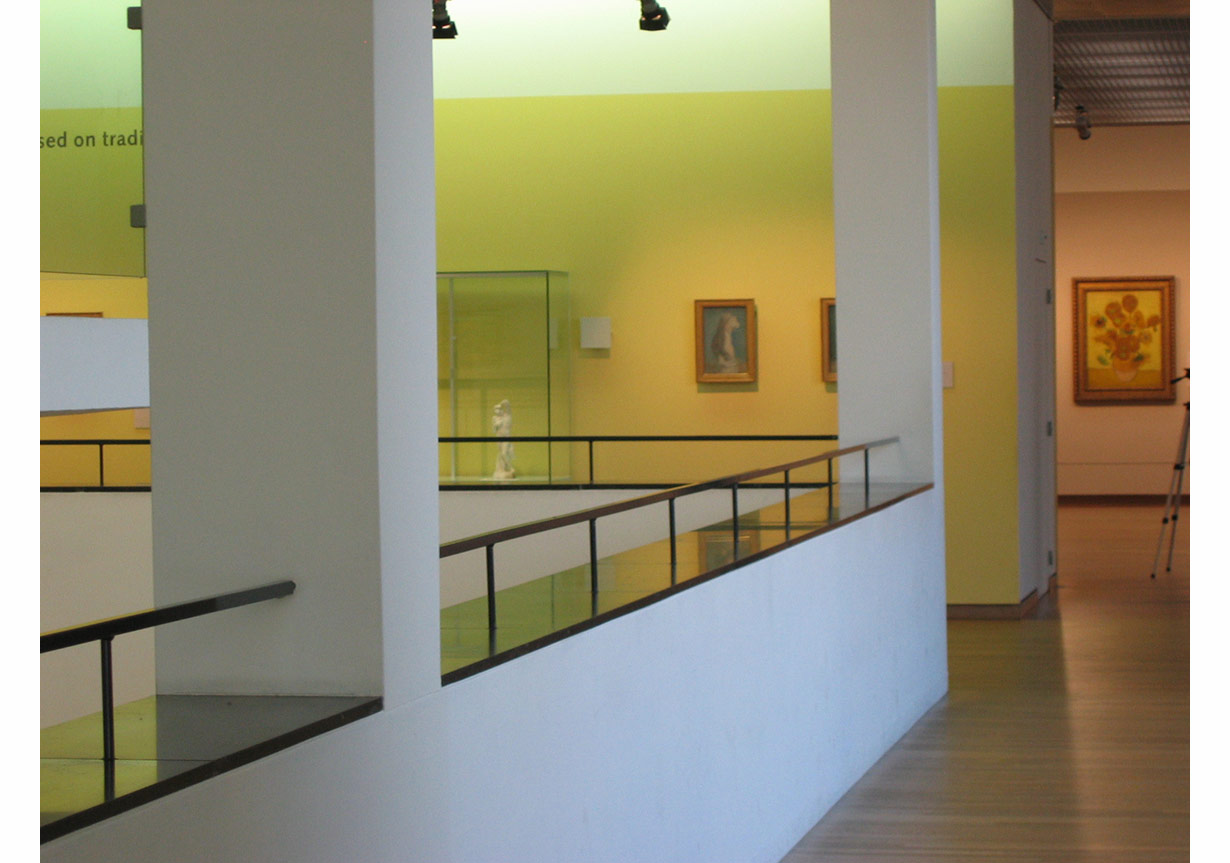
Within this framework, viewers can see "cult" works by the painter works from Nuenen, as well as "A Skull accompanied by a burning cigarette" (1886) or "Agostina Segatori in Café du Tambourin" (1887) or "Irises" in the first corridors of the museum. The excitement increases as one goes up, moving towards "masterpieces." The fourth floor, which is the highest floor of the museum, includes "Sunflowers" (1889), "Wheat Fields under Rain Clouds" (1889) and "Shoes" (1886), which can "draw in" the viewers. The museum hosts nine self-portraits by the painter, going back to 1882. When one returns to the second floor of the museum, it is possible to see the correspondences of Van Gogh, mostly with his older brother Theo, and also with his friends Emile Bernard and Paul Gauguin. Vincent Van Gogh was interested in Japanese printmaking techniques while he was looking for his own style. The museum also includes a well-considered shop that has a selection of important publications on the artist and promotional materials.
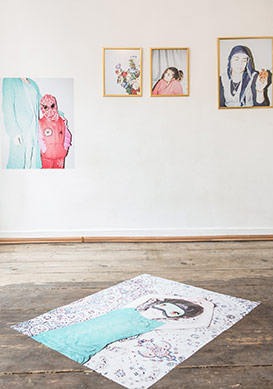
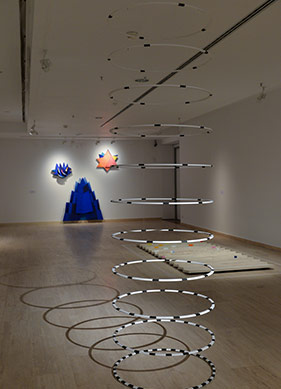
Under these circumstances, to keep the enthusiasm for the museum fresh and to make sure that the global Van Gogh image that the museum reflects is not stale, the projects and exhibitions are note-worthy. For example, the exhibition "When I Give, I Give Myself" curated by Henk Schut, includes contemporary works that deeply respect and embrace the master, on display right next to the original works. The exhibition promises an experience that makes visible the artistic and intellectual reflexes of contemporary artists to Van Gogh's letters.
Included in this exhibition that can be viewed until January 2016, Turkish artist Eylem Aladoğan, whose name is familiar from the 2011 Istanbul Biennial and who lives in the Netherlands. Other participating artists are: Maria Barnas, Michael Borremans, Hafid Bouazza, Constant Dullaart, Jan Fabre, Alicia Framis, Ryan Gander, Arnon Grunberg, Christian Jankowski, Anish Kapoor, Job Koelewijn, Nicole Krauss, Yayoi Kusama, Gabriel Lester, Navid Nuur, Rory Pilgrim, Cheng Ran, Viviane Sassen, Pilvi Takala and Siri Baggerman, Simon van Til, Diego Tonus and Wouter Venema.
One of the artists, Aladoğan, is inspired by this excerpt from Van Gogh's letter from August 7, 1883, "I should not let myself rush, it is no use. I should CONTINUE TO WORK in peace and calmness." Aladoğan's drawing depicts her impressions from a dessert trip within an abstract sensibility, showing a mode of production that is without rushing, disciplined and charged with curiosity.
Another impressive work from this exhibition is by Job Koelewijn. The artist is known for including literature in his work and for this project, he did what he has been doing since February 2006: reading out loud and making a recording. The particular installation, which is intimately connected with the Van Gogh works, is renamed for this rendition, "Relief." He reads all of Van Gogh's letters (numbering at 902!) and exhibits the recordings. The reason behind the artist doing this is an excerpt from a Van Gogh letter (#345): "I reject the idea that a painter should not and cannot do anything but painting. I say this because a lot of others think that reading books or other things is a waste of time. I feel the opposite. […] When one does this, one works more and with better results."
Also, included in this exhibition that brings together diverse and conceptually strong works, Christian Jankowski's project takes as a departure point an excerpt from Van Gogh's letter from September 20, 1882, in which the artist discussed in depth matters of originality and imitation. Jankowski uses the Internet in this project, discovering individuals who pose as Van Gogh. He then makes a deal with a mysterious Chinese painter who makes their portraits on canvas, which constitute Jankowski's "Van Gogh II" project. And all of this happens in a highly secured building visited by millions that hosts original Van Gogh canvases.
The museum administration also encourages young artists who are still students to develop their self-expression in art. In accordance with this principle, artists are invited to propose projects based on an excerpt from the letters that Van Gogh penned to his older brother Theo; the artists are asked to think of what it means to be a young and emerging artist. The Van Gogh Museum will take these proposals into consideration until October 22, 2015, and the winning work will be included in the aforementioned exhibition, which opens in December.
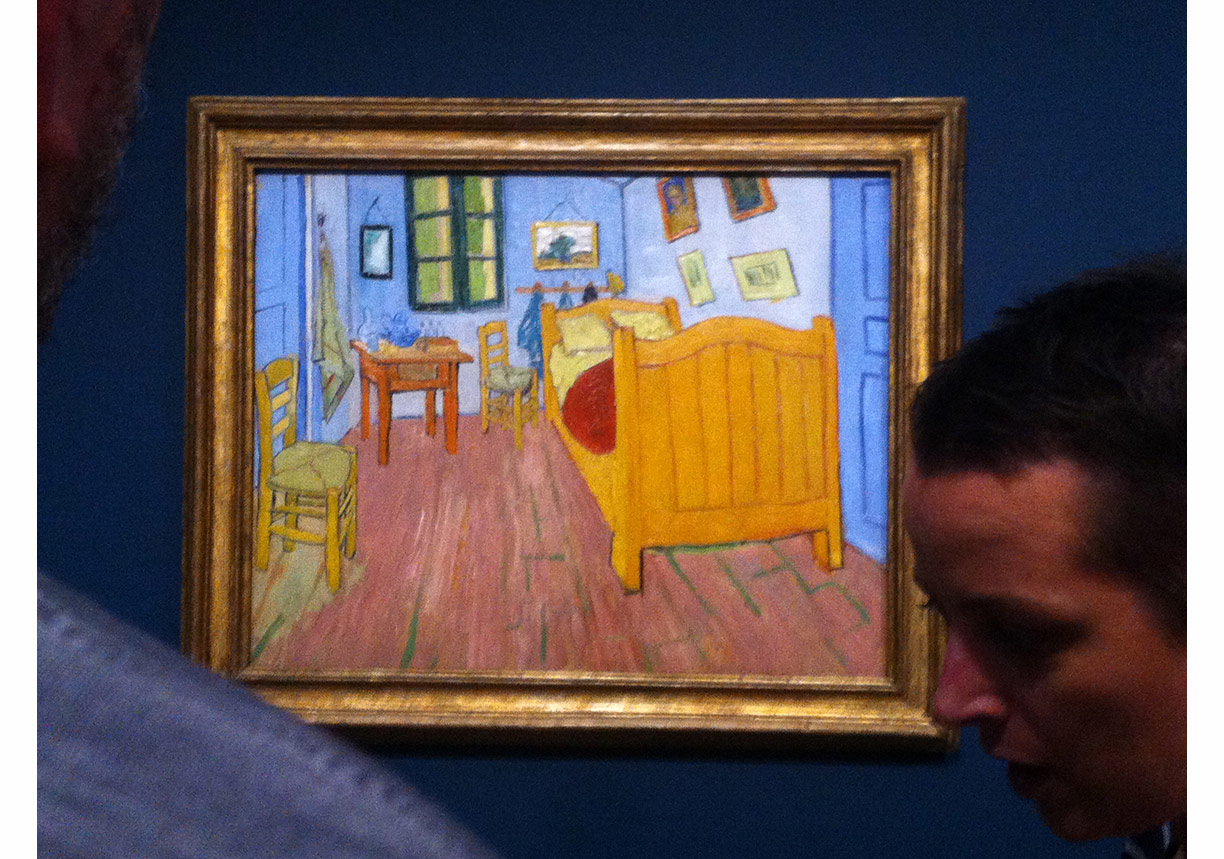
The Van Gogh Museum is preparing for an exhibition that puts together Van Gogh and Edvard Munch's unique works together visually, art historically, and intellectually, opening on September 25th. The museum also organizes special tours for disabled visitors. The museum aims to "infect" not only viewers who can see with their eyes and walk on their feet, but everybody with a passion for Van Gogh's colors and violence; the museum has made reproductions of Van Gogh in three dimensions that were made for visually impaired art lovers. The project, called "Feeling Van Gogh", the "relievos" that were produced based on the artist's famous works such as "Bedroom" and "Sunflowers" can be experienced. In addition to this, disabled individuals can freely visit the museum through the facilitation of guide dogs and experts.
;