ÖNCEKİ
03 ARALIK, PERŞEMBE, 2015
SONRAKİ
A “thematic” exhibition that focused on the memory of art history in Turkey has not been realised for a while. The exhibition, “Bared, Naked, Nude” at the Pera Museum is important in that it focuses on a specific topic and then puts this topic within the framework of art history. At the end of the day, the art history that we are talking about here has limited visibility on which research, thought production, publications are scarce, creating big gaps in knowledge. The nude is a strong and acute way to encounter individuals within this history. It is also a means with which the adventure of westernization and modernization from the Ottoman to the Republican era can be traced, a main axis of the exhibition. A nude was never just a nude in the history of humanity; it was always a state that included various forms of resistance. First and foremost, the nude was the deshabille state of the civilized individual, who covered themselves up with clothes; it was primitive and by nature, it was against etiquette, which was manmade. Even today, we see that the nude is used as a counter-image.
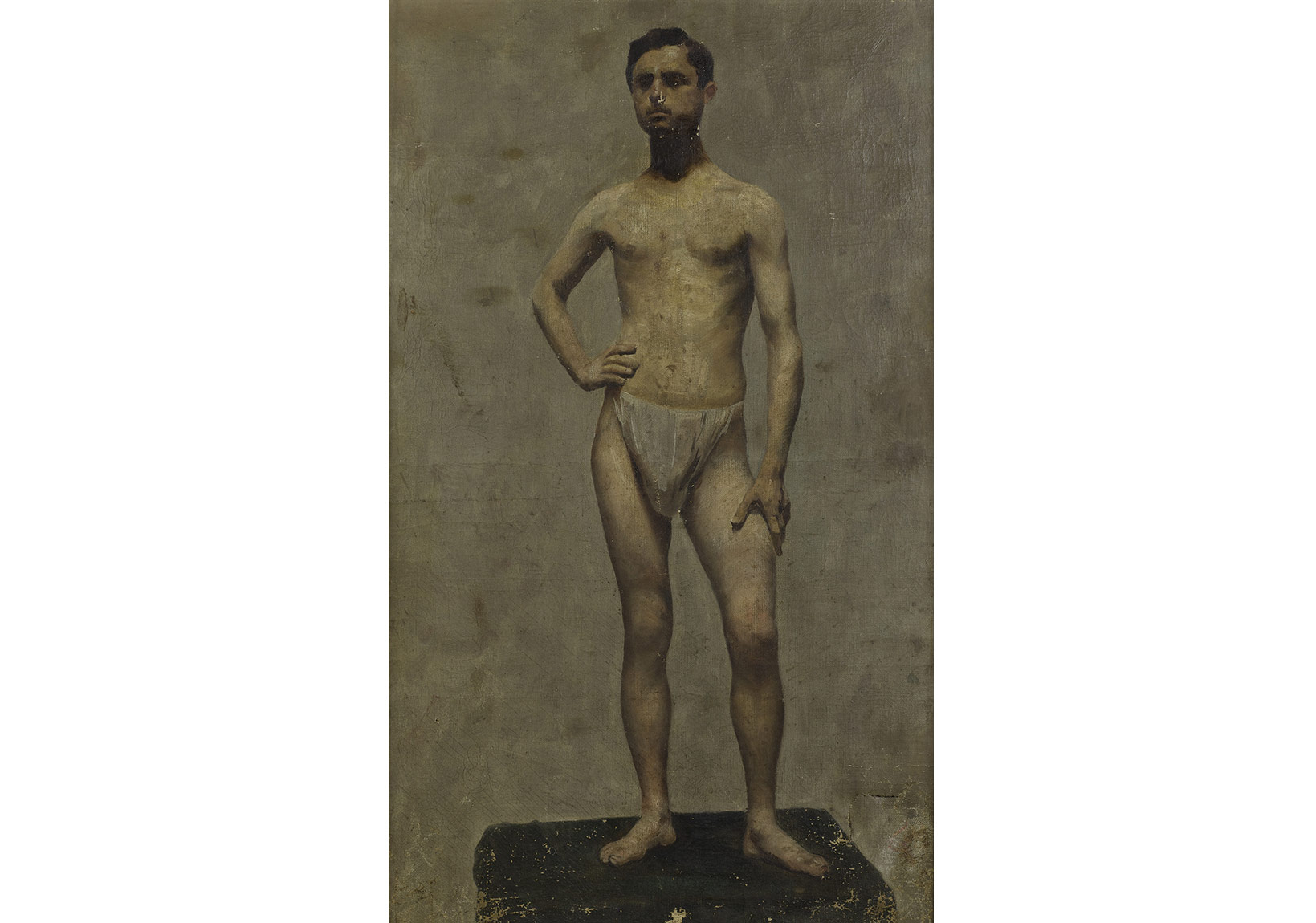
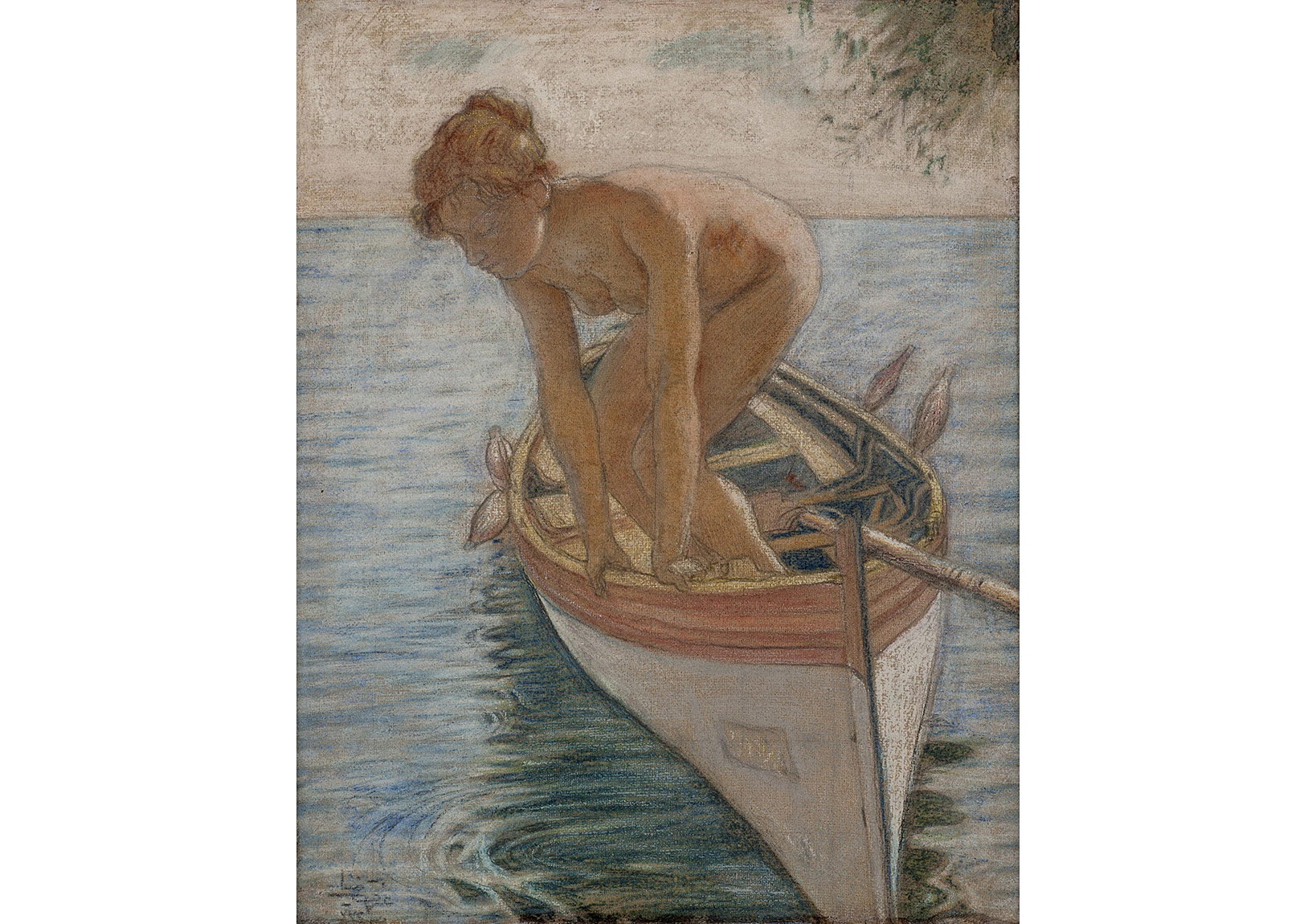
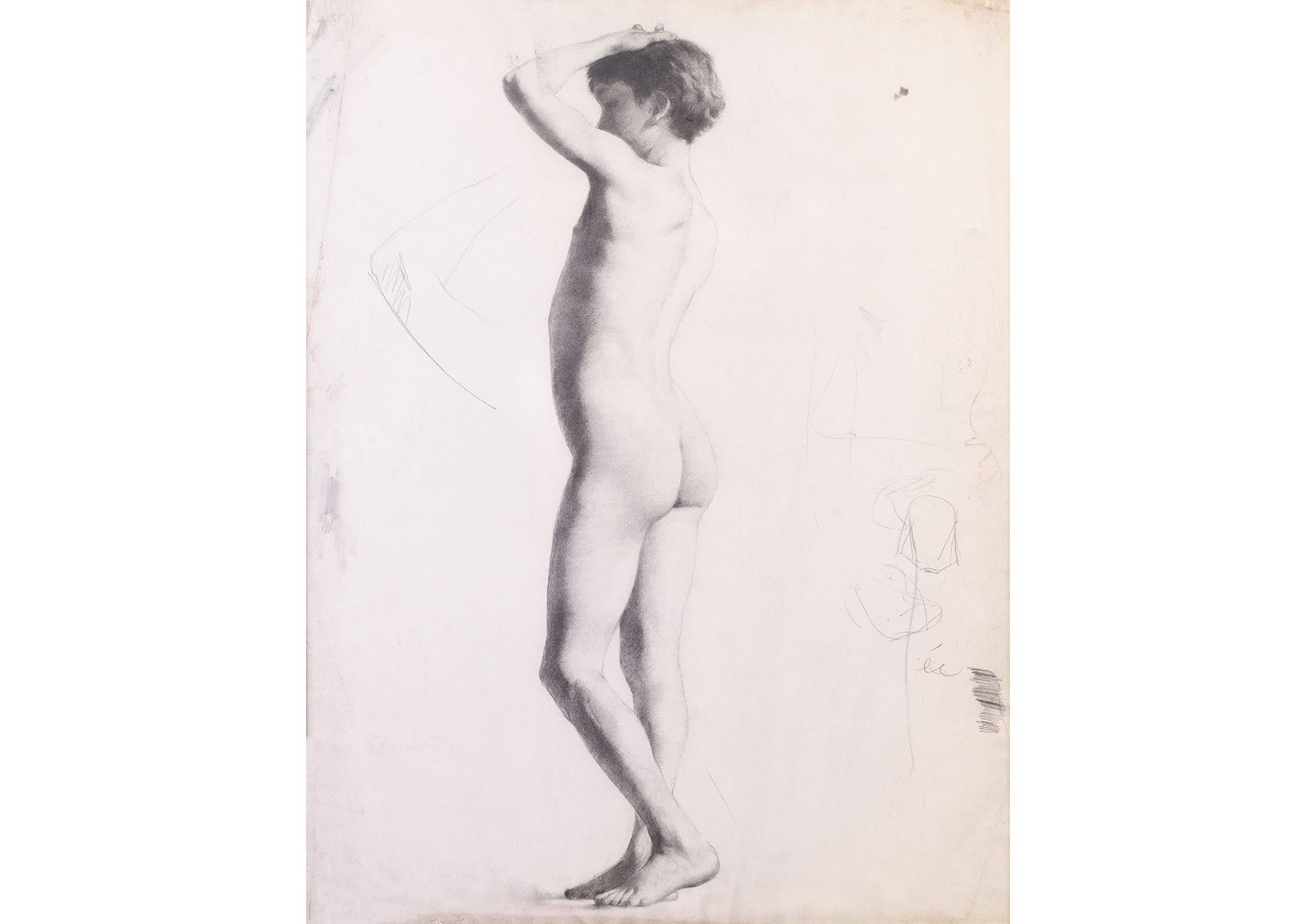
İzzet Ziya, Melek Celal, who are represented in the exhibition with more than one work, are extraordinary artists about whom books have not been published as of yet, further contributing to the importance of such exhibitions. For example, in the section of drawings at the entrance of the exhibition is a nude work by Halil Paşa. This nude drawing depicts a boy, calling attention to itself with its softness and sensibility. This charcoal drawing reveals the soft brushstroke that marks his paintings. When his landscapes are considered with his figures, Halil Paşa’s feeling for and skilful use of light places him among the three masters of light in the history of Turkish painting, alongside Nazmi Ziya and Avni Lifij. Light is very obvious in the paintings of a Venetian artist; this is the bright and hot light of Venice. Istanbul’s light is also special in this sense. Halil Paşa’s paintings both from the time that he lived in Egypt as well as the paintings he made in Istanbul reveal a striking use of light and a soft brushstroke. The exhibition in question is thus important to be able to form a conceptual link between a drawing and the artist’s oeuvre.
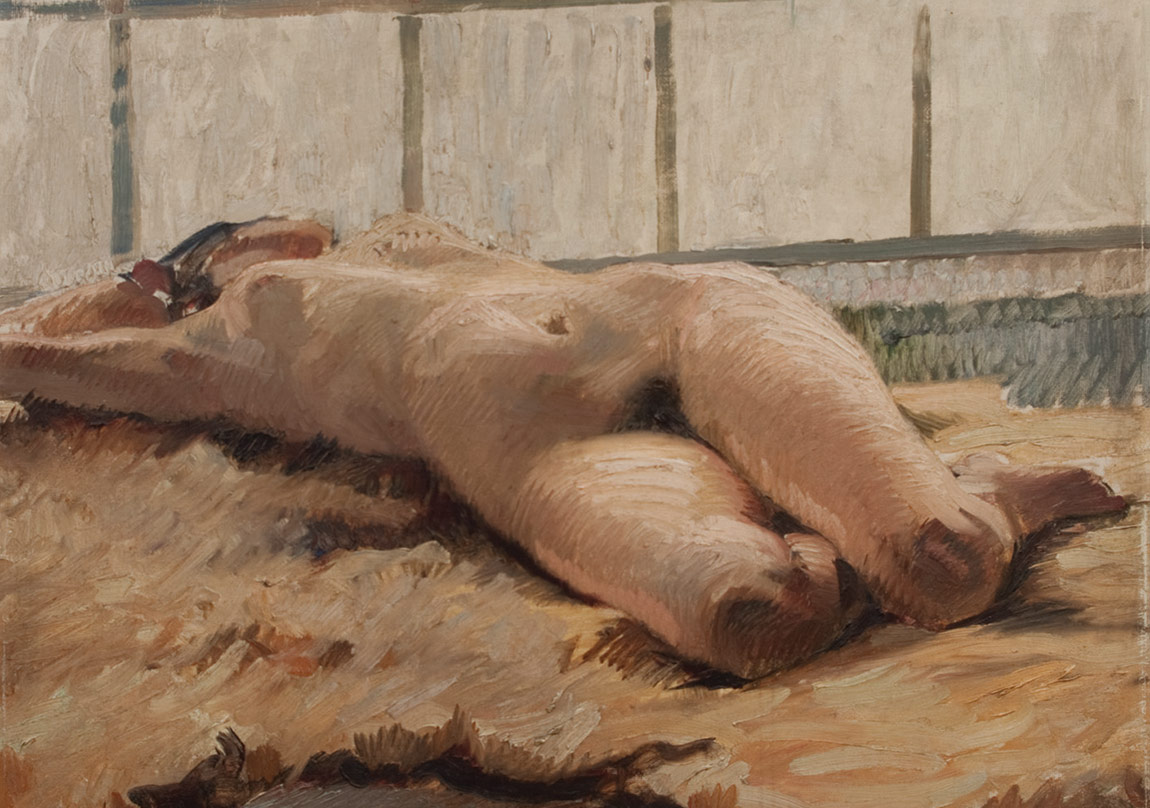
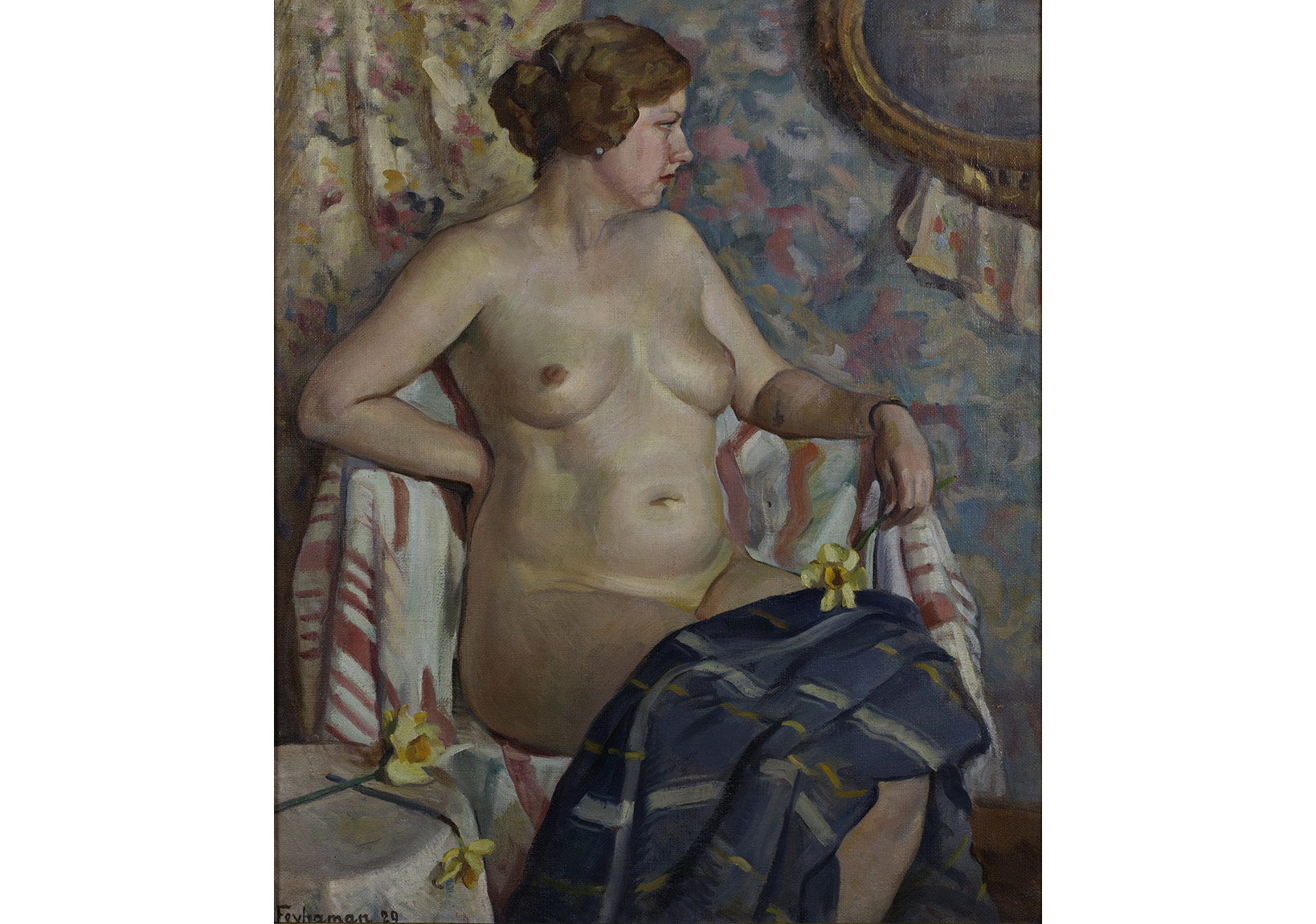
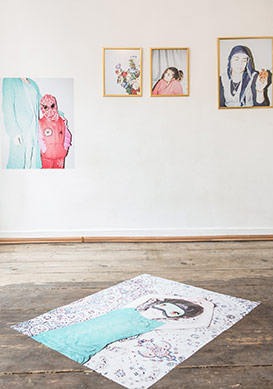
“Bared, Naked, Nude” is an exhibition project that art historian Ahu Antmen and the late Semra Germaner, one of the most seminal figures in art history in Turkey who passedd away this past year, worked on together. It is valuable to mention Semra Germane here, as Ahu Antmen has mentioned specifically in a few places in the texts, for our cultural memory. Sera Germane was the only department head, who enabled the teaching of Turkish art history; it was only 10 years ago when there were no classes being taught on Turkish artists. Germaner, who studied at the Fine Arts Academy’s Painting Department in Istanbul and who also finished the Art History Department at the Sorbonne University in Paris, taught this class herself in the 4th year of undergraduate studies at Mimar Sinan University’s art history department was a privilege for the students who had a thorough and high-level knowledge of western art history. As our memoryless culture places little emphasis on appreciation, as artists and their works are in circulation only with the prices, while there are huge gaps in our knowledge and the absence of valuable publications can be counted among the reasons for such tendencies. This can be referred to as not knowing what to do with the past, which becomes translated into a lack of memory. In a place where the dates of work, their titles, and often who they were made by are ambiguous, where museum inventories have not been kept as they needed to be kept, the need for new research, information, real painting experts and exhibitions that reveal what has been hidden is acute. It is inevitable to move towards the past. When seen from this perspective, Ahu Antmen is an important art historian of the Semra Germane school. We see that Antmen wants to enter this exhibition with a specific problematic. This problematic is, “who is the painter and who is the painted / who is looking and who is being looked at?” which have been dealt with by a variety of thinkers ranging from Michel Foucault to Linda Nochlin, a problematic of the relationship between power and the woman. Antmen places contemporary artist Özlem Şimşek’s Woman Lying Down (After Halil Paşa) at the entrance, whispering into the viewer’s ear a fundamental question related to the image. Actually, this decision carries meaning as it reveals that we look at history from the perspective of today. It is not for nothing that we immediately encounter a large-scale print of the photograph, Working with models at the Fine Arts Academy, dating back to the 1940s. Here, we see instructors including Ali Avni Çelebi, Sabri Berkel, Zeki Faik İzer, Cemal Tollu posing to appear to be making studies with naked female models. While works by Mihri Müşfik, Hale Asaf, Şükriye Dikmen are included in the exhibition, it is not a coincidence that most of the artists in the exhibition are men. The subjects of paintings are mostly women, drawings reveal a variety, because at the Academy, male models were used first before being able to work with female models at the beginning of the 1900s. The Academy, or if we use its name back then, Sanayi-i Nefise Mektebi, is the most important center of working with the naked model and painting in general. The first nudes in the history of painting in Turkey are made by the students who were sent to Paris in the period between Tanzimat and the 2nd Constitutional Monarchy, in the ateliers they were studying in. It is possible to see these works at the entrance to the exhibition, ranging from Osman Hamdi to Sami Yetik. The students first go to École des Beaux-Arts and then to the first independent school, Académie Julian, then returning home and stepping into the difficult world of painting at home. The Galatasaray Exhibitions, which started in 1916, are important for being the first exhibitions with which art was brought to the people. Being able to include nudes in the exhibition was possible in a Galatasaray Exhibition in 1922. It is not a coincidence that the first two artists who exhibited nude works were Namık İsmail and İbrahim Çallı. Needless to say, these two artists are the first two names that come to mind when the subject is the nude. Namık İsmail’s Nude from 1925, on display at the Pera Museum, borrowed from the Izmir RHM Collection, is a masterpiece revealing the artist’s mastery of the nude. With İbrahim Çallı’s Nude Getting Dressed, which is not included in this exhibition, these two works are the most sensual, erotic masterpieces of nude women. Namık İsmail didn’t look at the woman’s body as an object of study, nor did he look at it as a thing to be looked at with shyness, nor as a means to get to modernism. His drawing sketches, his use of paint and light reveal that he was particularly self-confident and skilful. The separation between men and women and the use of live models for study at the Academy happened during his administration, in 1927.
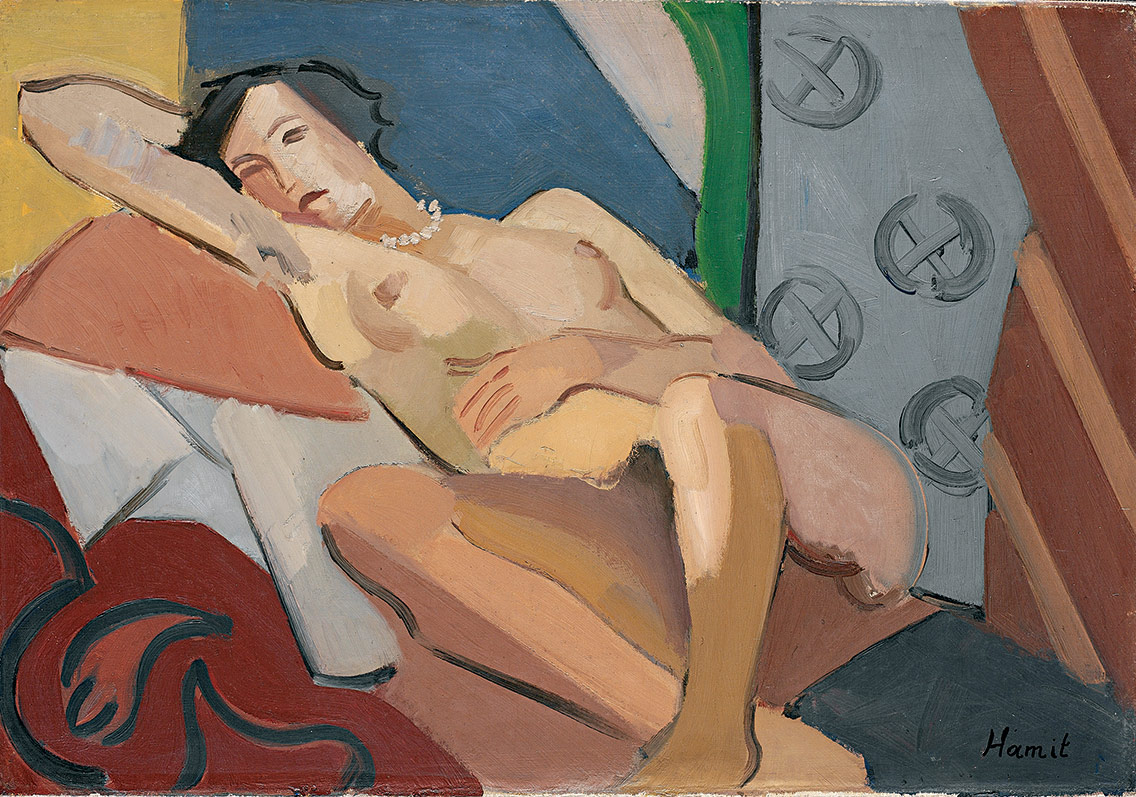
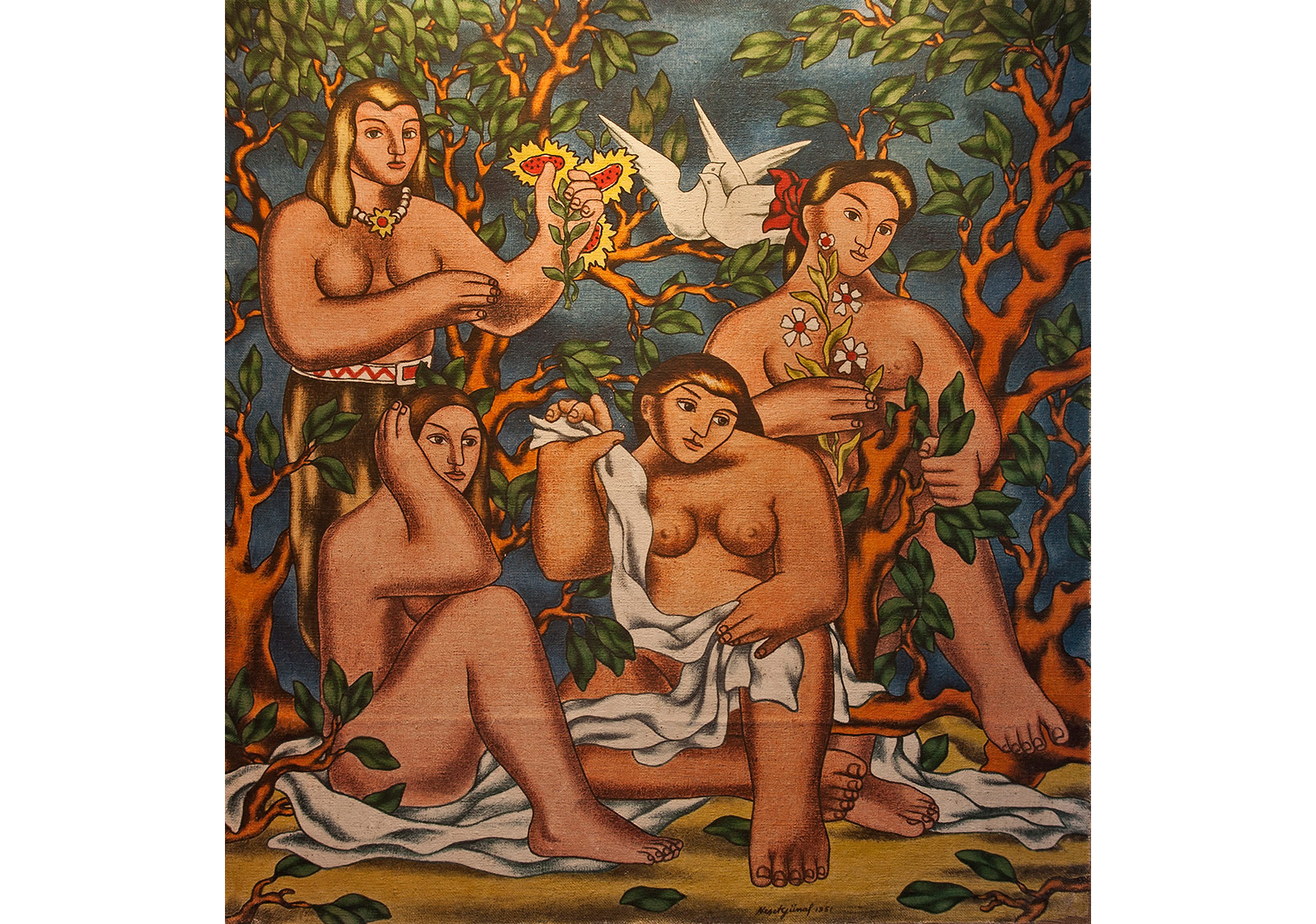
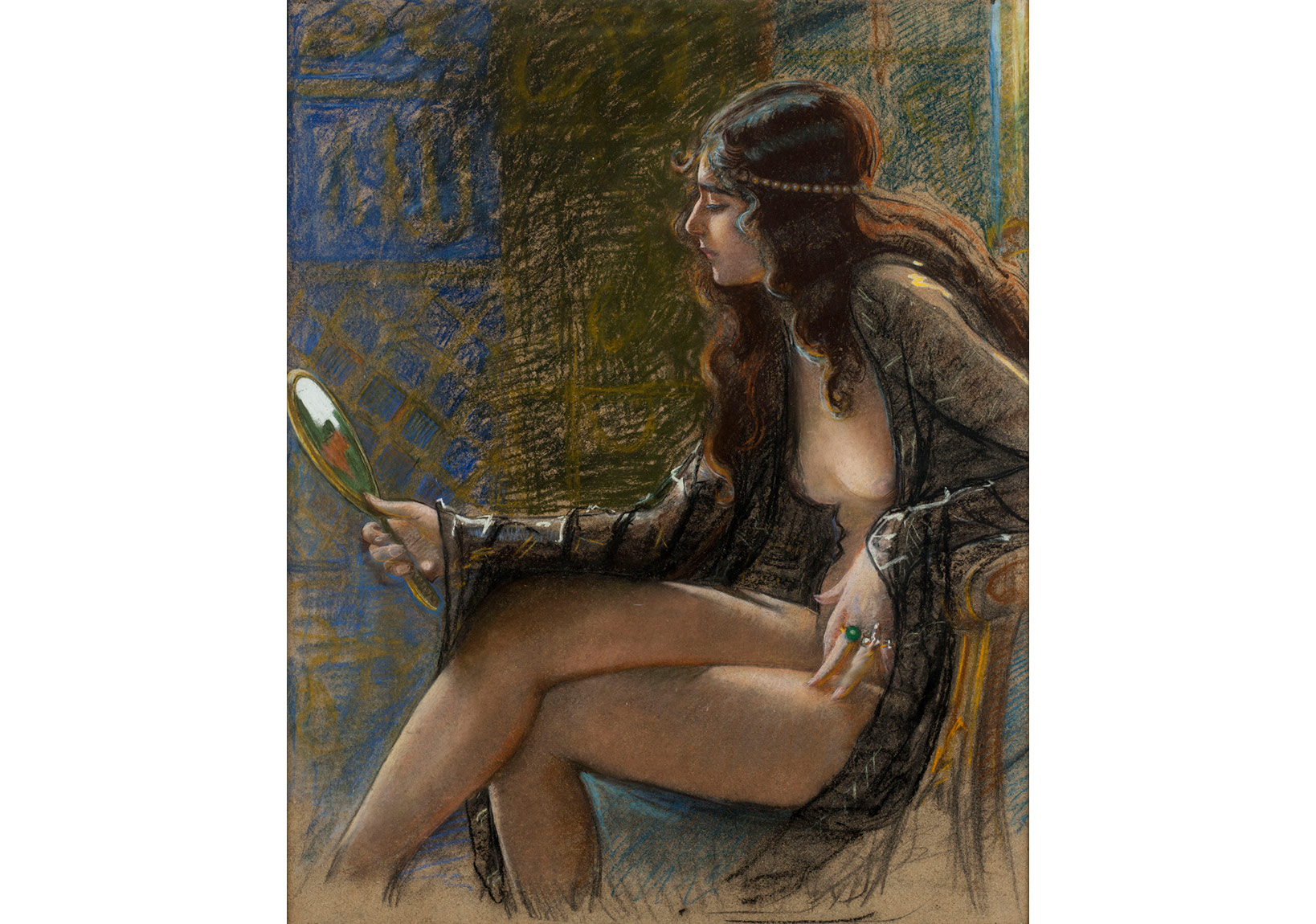
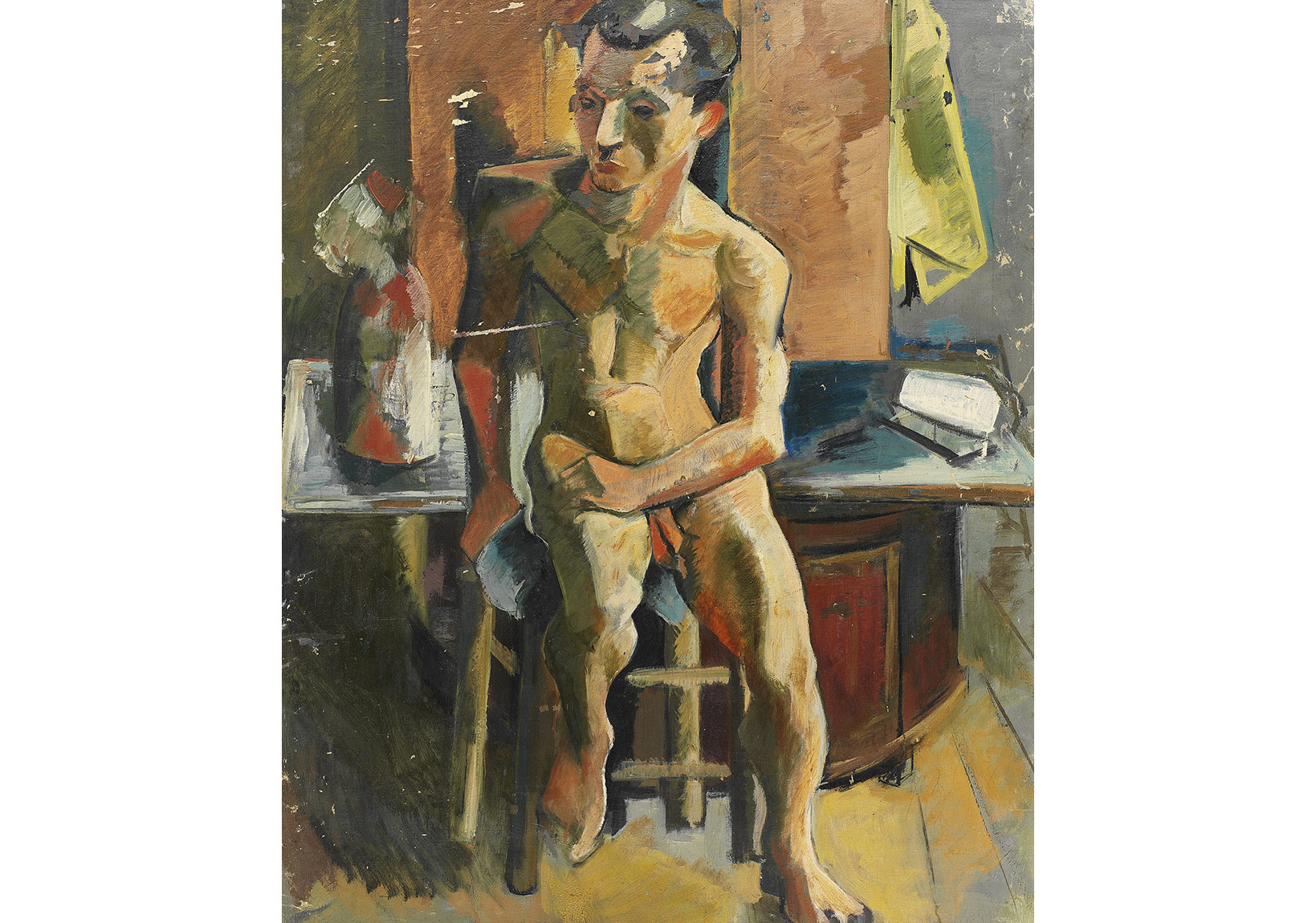
The exhibition flows sequentially after Özlem Şimşek’s video, presenting a perspective from the 1860s to the 1970s. It is possible to see here which movements and artists were influential for the artists. The impact of cubism and constructivism can be seen in the ateliers of André Lhote and Fernand Léger from the 1930s. The artists openly look at Picasso and Matisse as role models. Alongside this direct influence extraordinary works appear as well. For example, Eren Eyüboğlu’s almost comical Nude from the end of the 1920s appears to have been influenced by a Henri Rousseau painting. İbrahim Çallı’s Woman with Magnolias from 1939 wears a transparent outfit and is a very “local” woman type; it is extraordinary with the amount of details included and for not being fully nude. Mihri Müşfik’s Favourite with a mirror is a classical work presenting ideal beauty and it is interesting to see here the dominance of black in the artist’s work as also being present here. Neşet Günal’s Four Beauties from 1951 presents the Three Beauties of Antiquity from a local perspective, shifting the antiquity’s sense of beauty to Anatolian voluptuousness and a background with motifs.
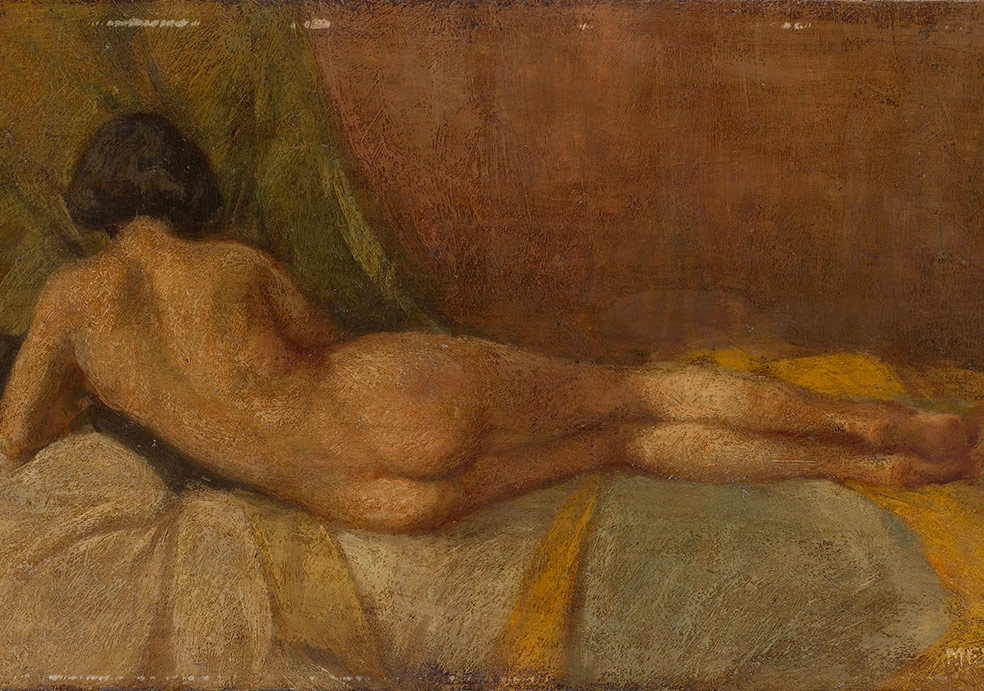
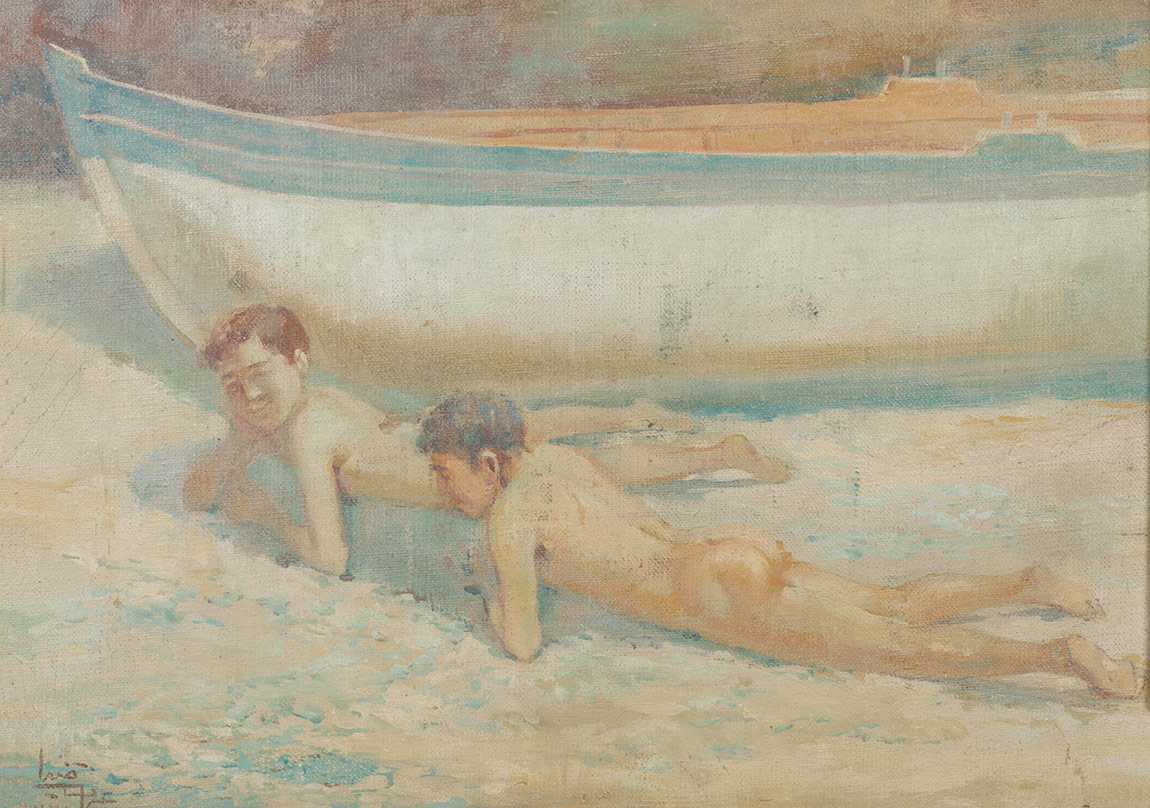
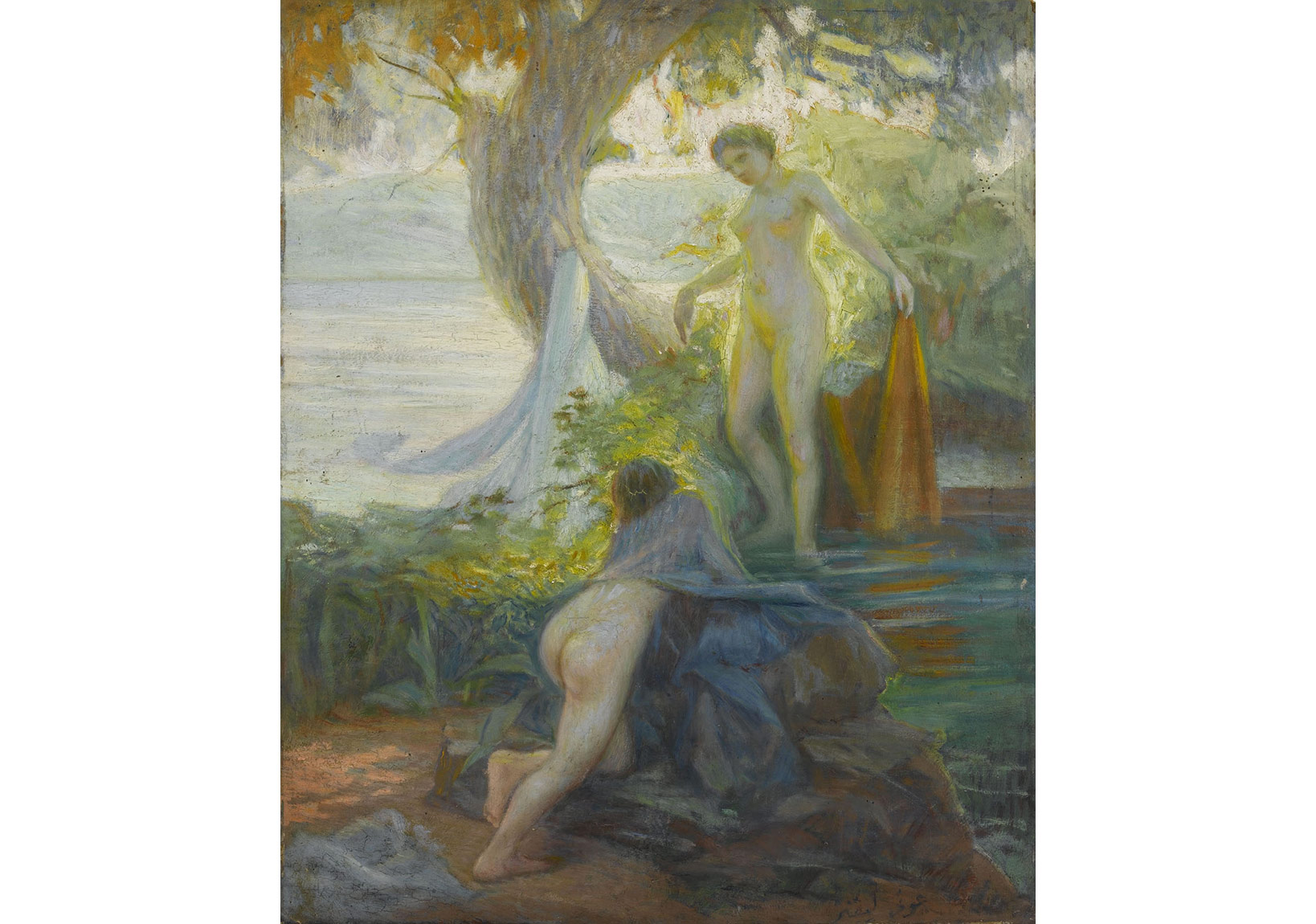
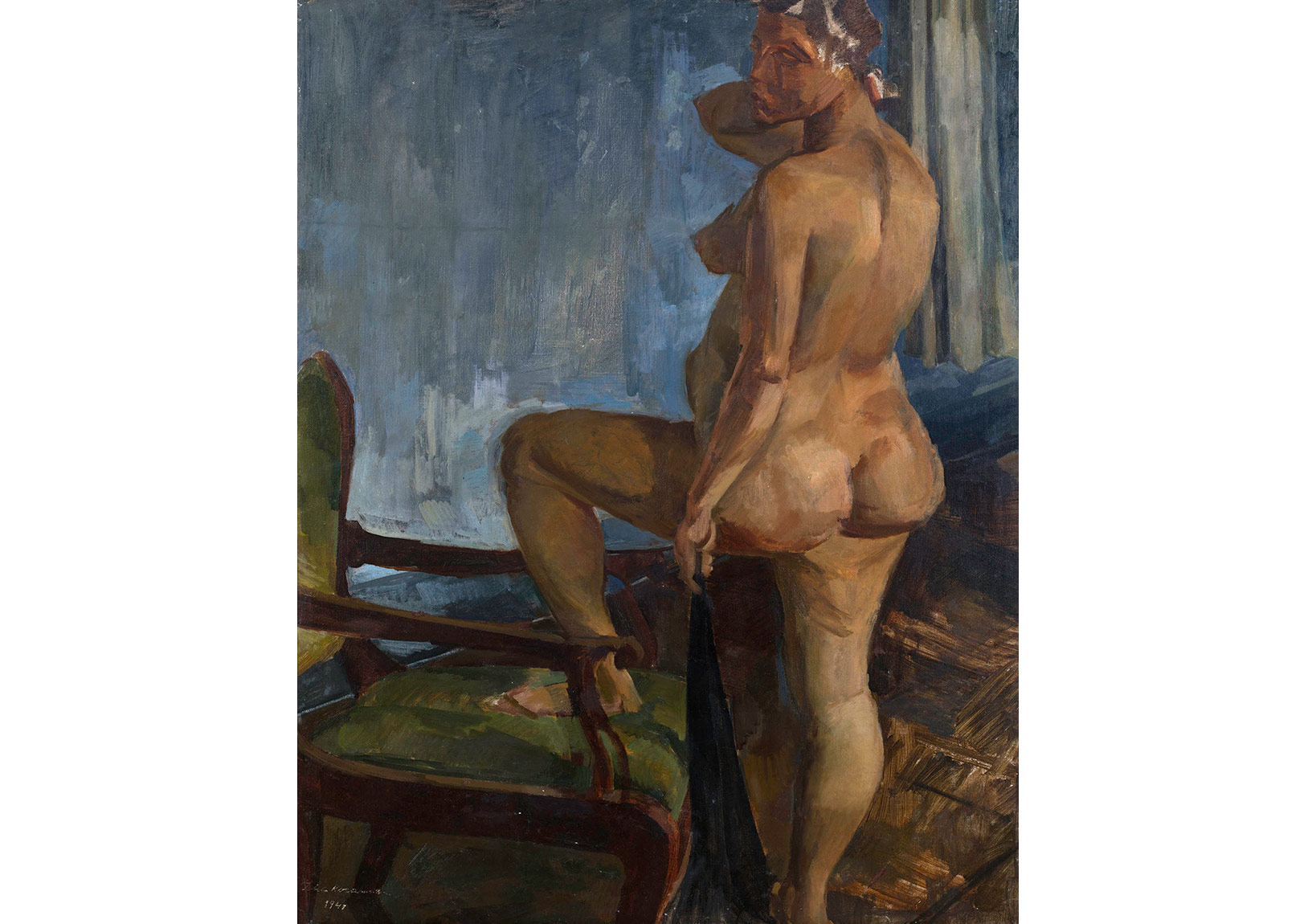
When we look at the artists’ struggle with the nude both sensually and formally, it is possible to see that some artists had brighter painting worlds than others. İzzet Ziya, who did not go to the Academy and who did not come from the Paris school, is one of these figures. Those who never went to Joaquin Sorolla’s home-museum in Madrid should think about the dialogue between these two artists when visiting this untouched Mediterranean house with dozens of paintings. Yes, it is possible to say that İzzet Ziya, Avni Lifij, Ali Avni Çelebi, Namık İsmail are important painters, but it is hard to say the same thing about Zeki Faik İzer, who was influenced by many and who was less than interesting. Melek Celal, who did not go to the Academy but who was instructed by Halil Paşa, painted striking nudes with their backs turned. We do not know whether the artist thought to conceal the faces through this position upon the models’ demands or whether this was a form of resistance to the image of the woman as “gazed upon” and “represented.” The absence of Halife Abdülmecid’s nudes is a big gap in the exhibition. Nudes are still deemed an unapproved genre and the decision of the National Palaces not to lend works proves this. Artists were influenced by Paris for a long time; they looked for the key to the story of Westernization and modernization in Paris. While this is the state position here right now, in Paris, a state museum, Musée d’Orsay, an exhibition titled Splendour and Misery. Pictures of Prostitution, 1850-1910 is on display. Needless to say, the balance between art and censorship still has a long way to go. Nevertheless, the exhibition at the Pera Museum is a move in the right direction. Let’s hope that such exhibitions will multiply in number with the opening of MSGSÜ Istanbul Painting Sculpture Museum and new readings that look at artists from uncles and afar will emerge.
;