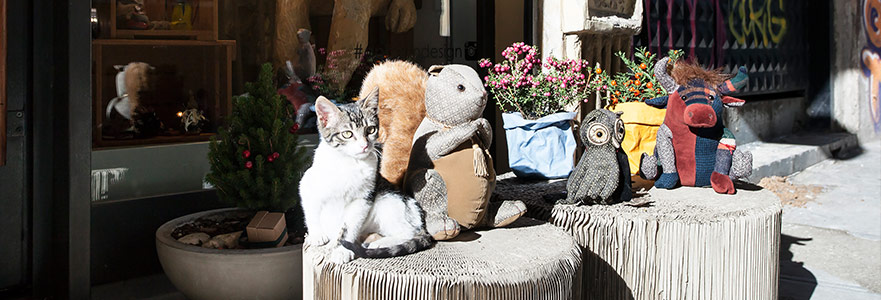
The Galata neighborhood is the only place where the most beautiful urban landscapes can be seen from one place. There is also multiple stories about the name of Galata. One of the best known stories is included in Seyahatname, written by Evliya Çelebi in the 17th century. “Back in the day, when ‘Konstantiniyye Tower’ was first constructed, there were a lot of villages in the area with fertile lands. The villagers’ herd would graze on these fertile lands and they would present the milk they produced to the king. The king would really enjoy this milk and he would call this neighborhood galata because of the milk. In Greek, milk is ‘galata.’” According to another story, the sharply sloped Galata of today with its cobblestones derives its name from the word ‘calata’ in Italian, which means “the descent down to the port.”
Let’s get to today’s Galata, a hybrid and touristic neighborhood, a paradise of artist studios and galleries…
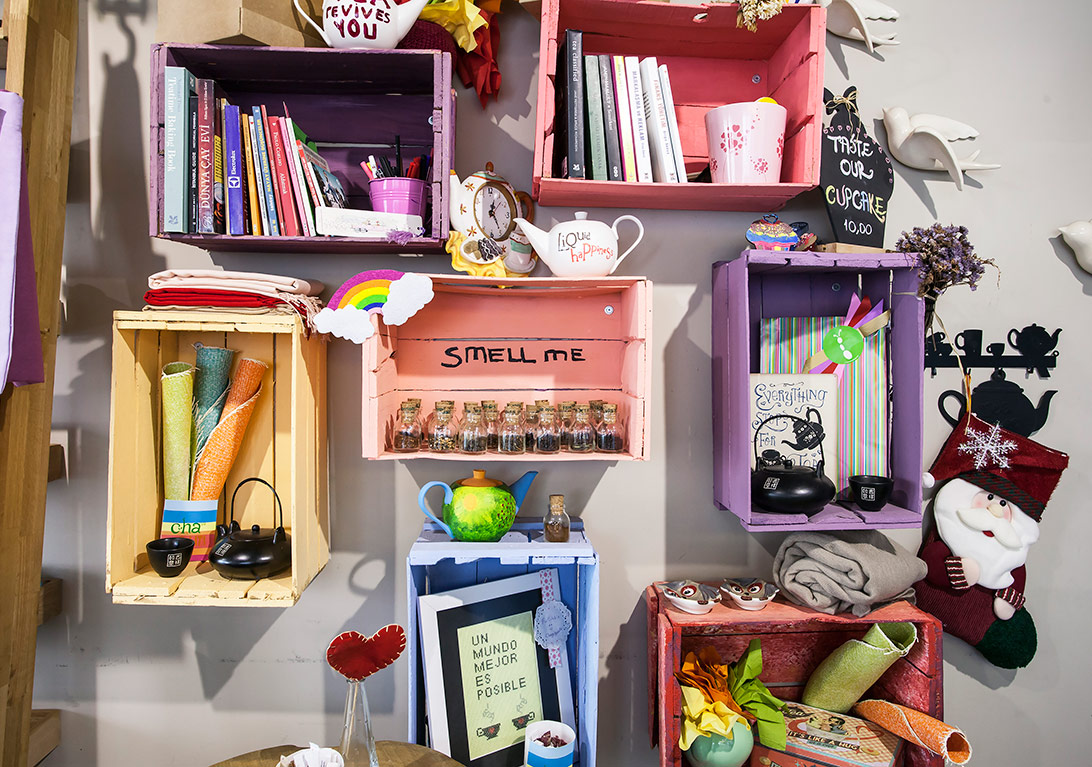
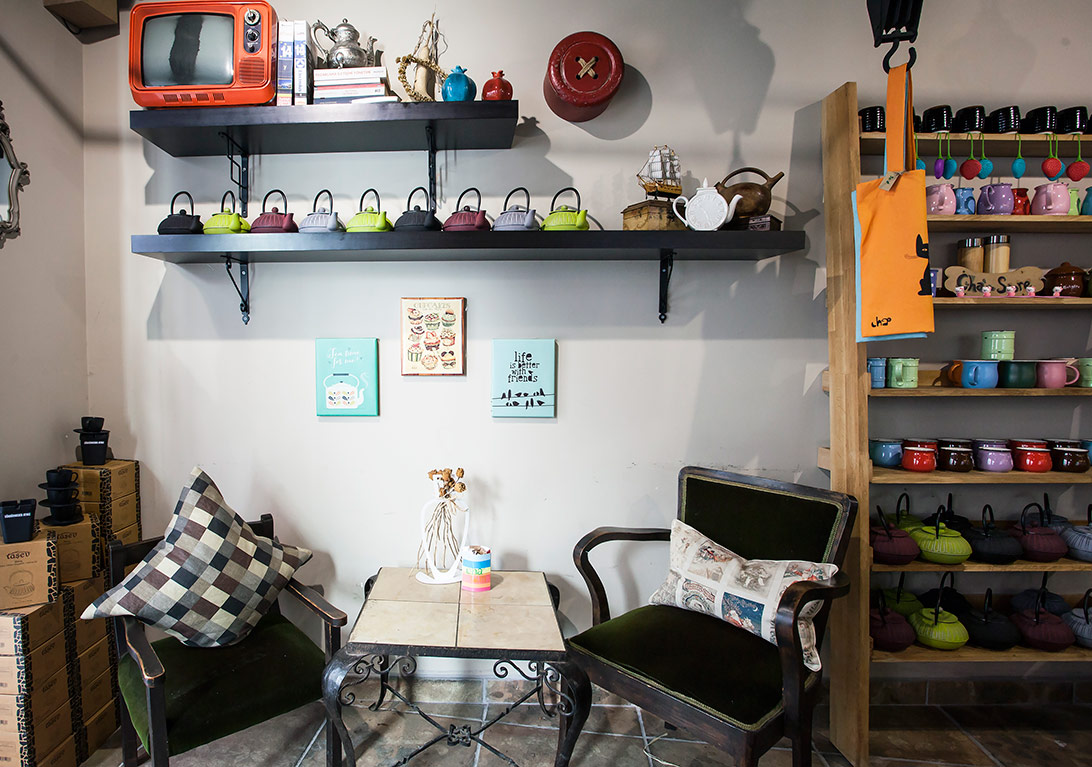
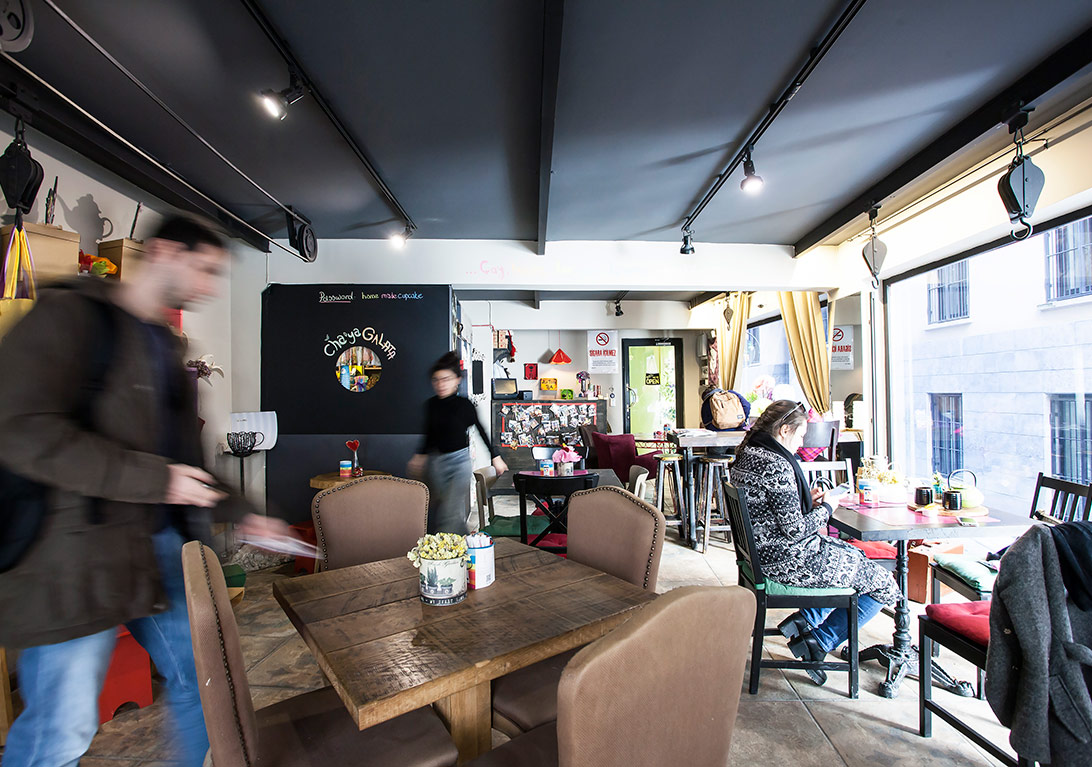
I wanted to start my journey in Cha’ya Galata on Serdar-ı Ekrem to warm up with tea and I just entered the street. Cha’ya Galata’s space is at the end of the street and appears to be hidden, but it’s actually a very open space. The minute you enter the space, delicious smells of cinnamon and tea greet you. Included on their menu are an interesting selection of teas ranging from melon flavored white tea to Morocco’s famous mint tea. If you are one of those people who can only wake up with tea, you definitely need to try their jasmine green tea. After their impeccable presentation of tea, you can finally open your eyes fully with the cinnamon cookies you smelled before and the jasmine green tea—now you can finally start the hour of discovery.
A studio where the mysterious language of ceramics still reigns
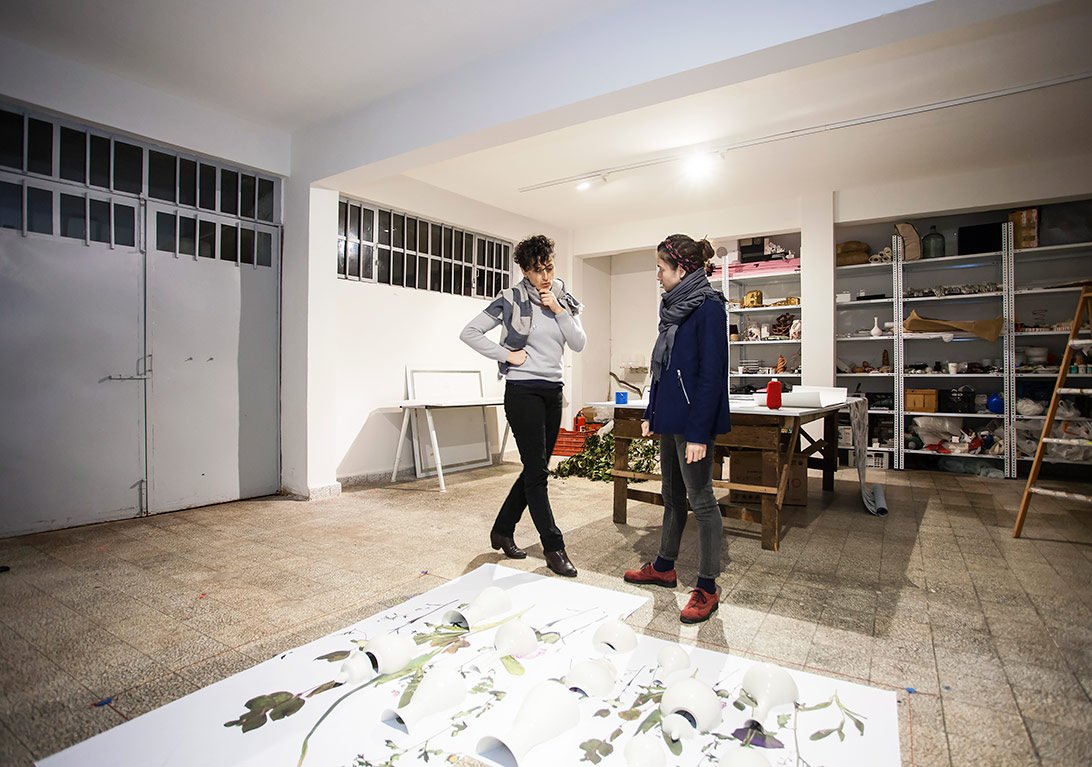
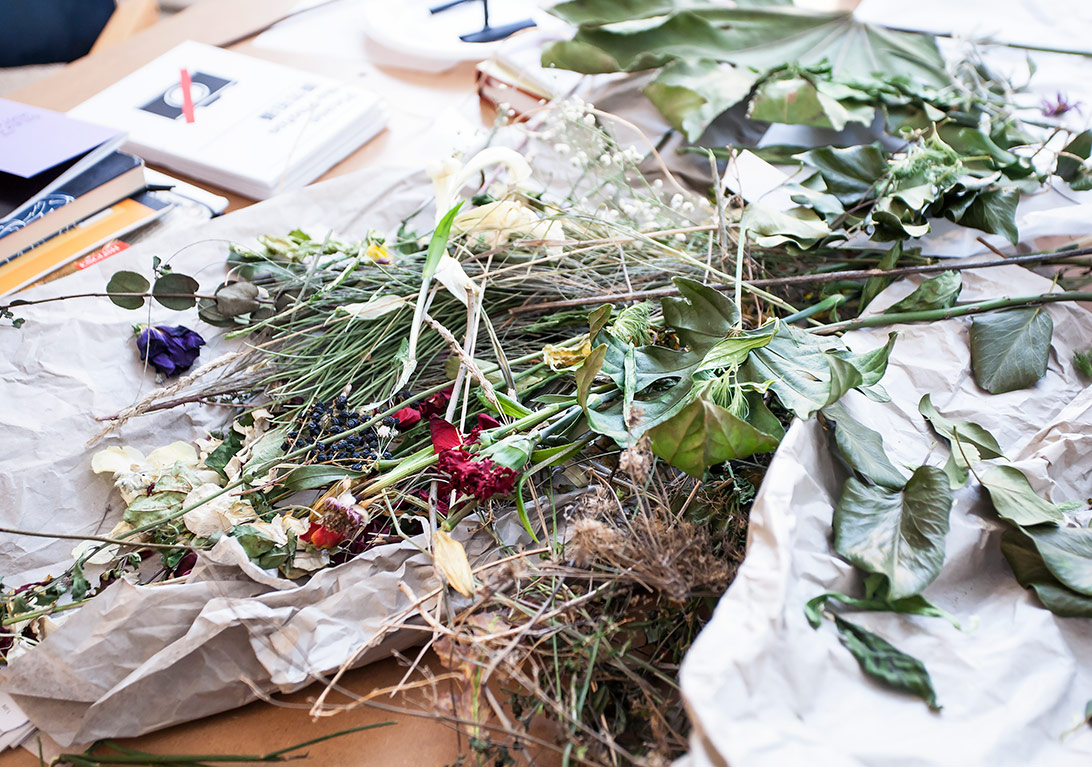
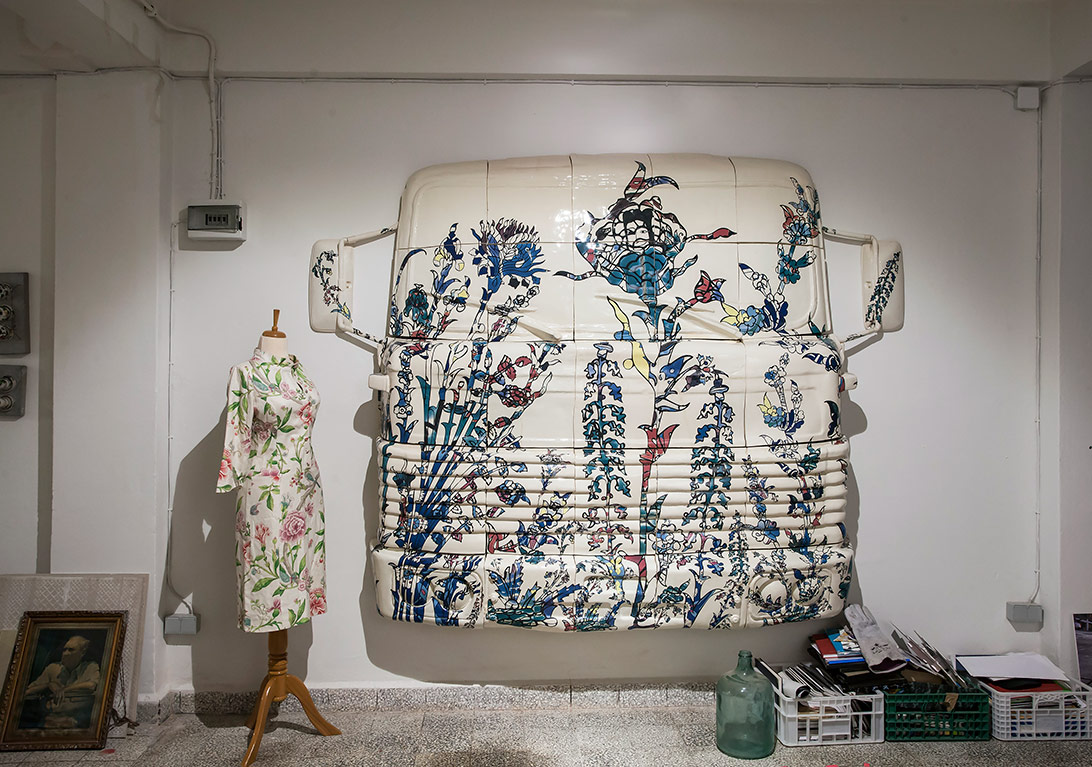
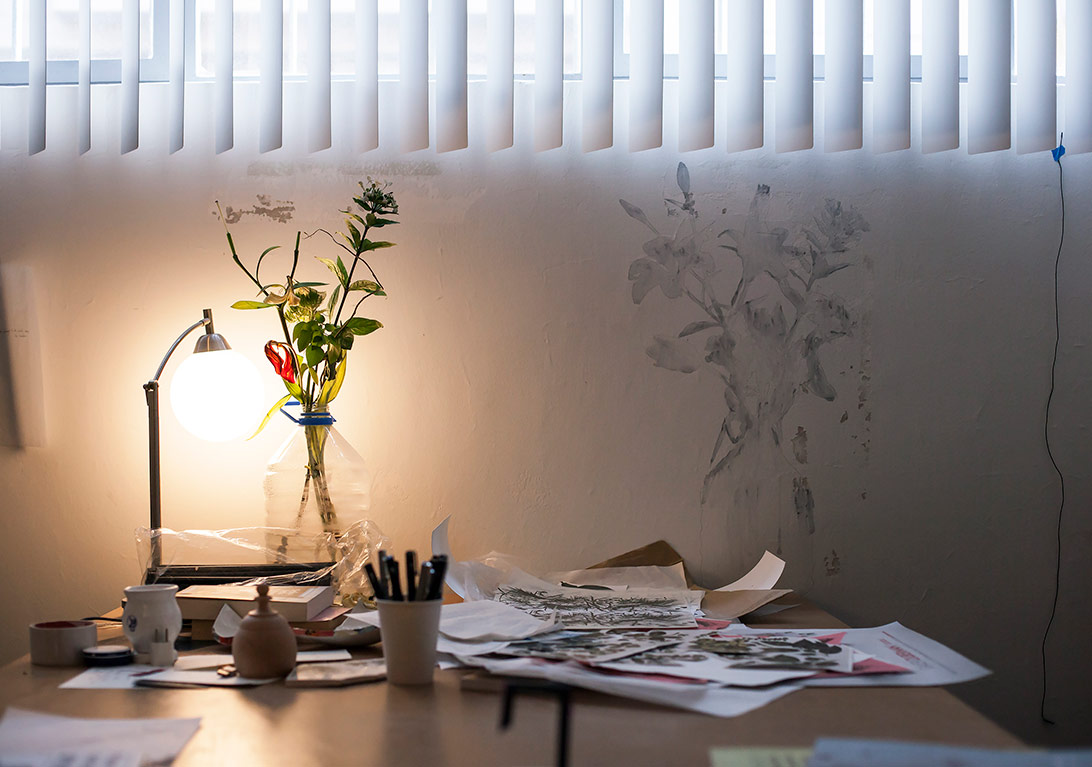
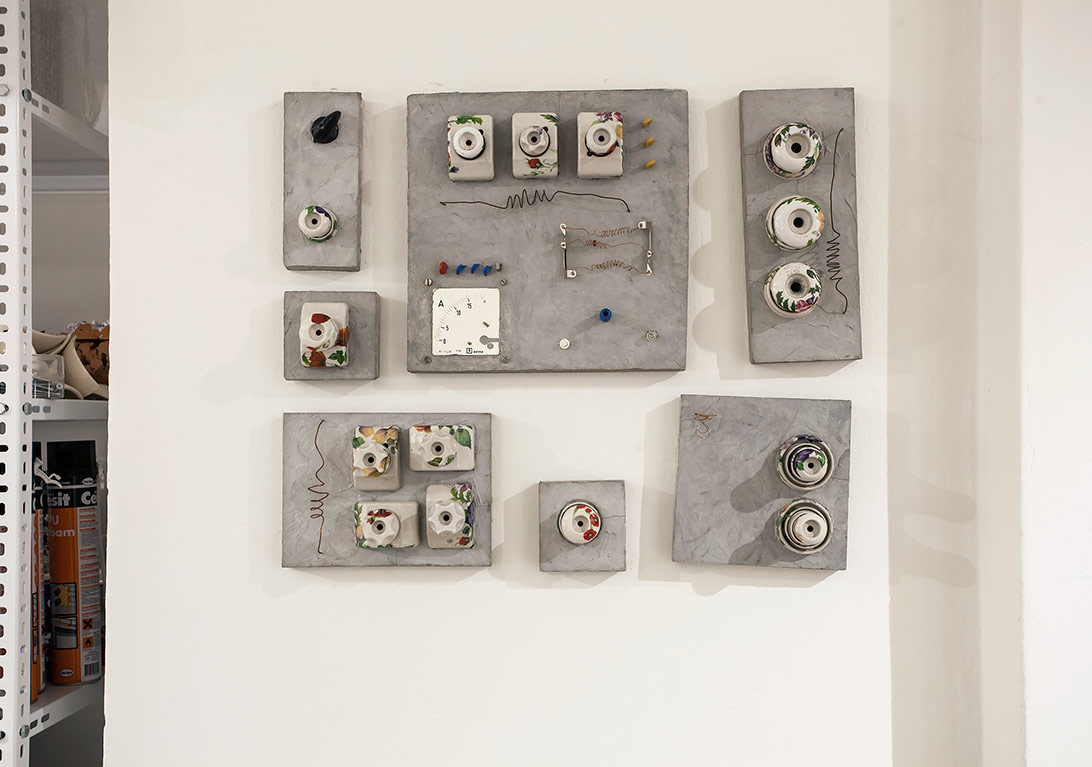
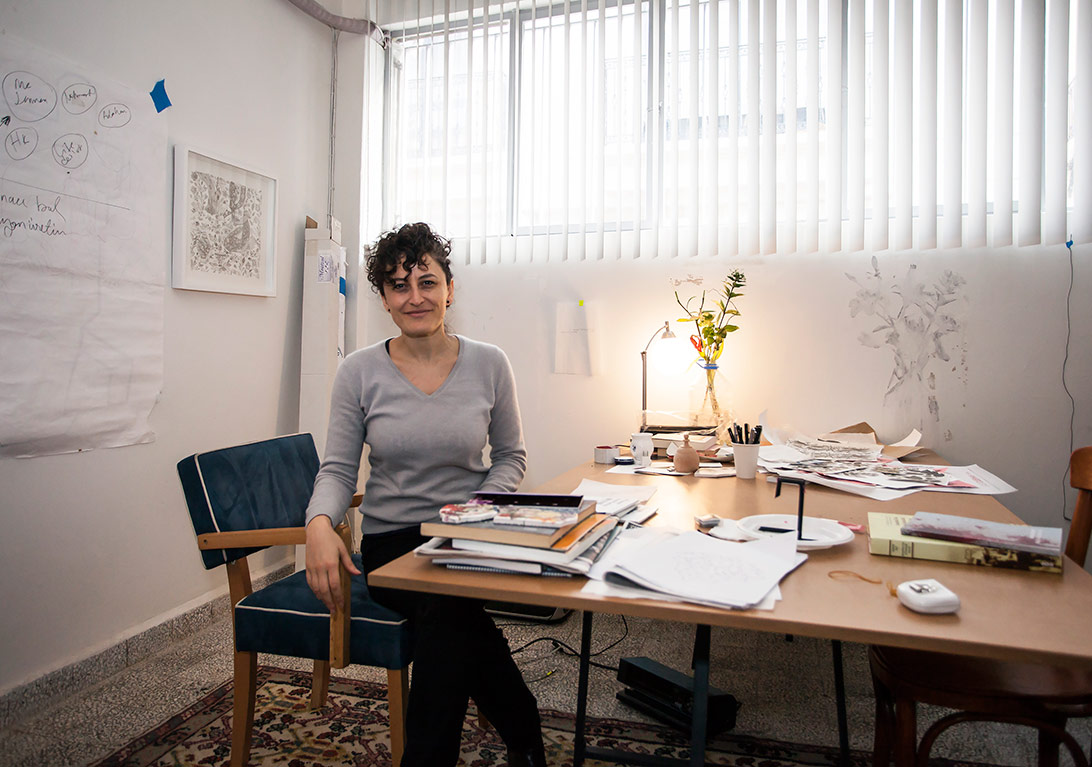
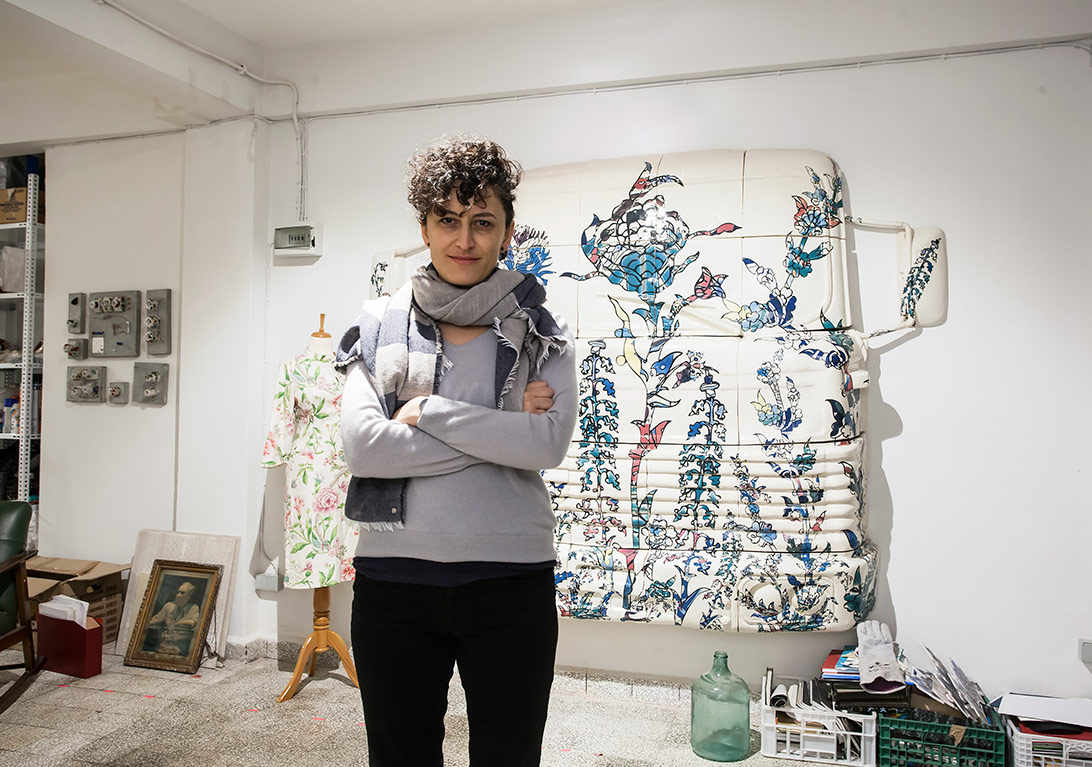
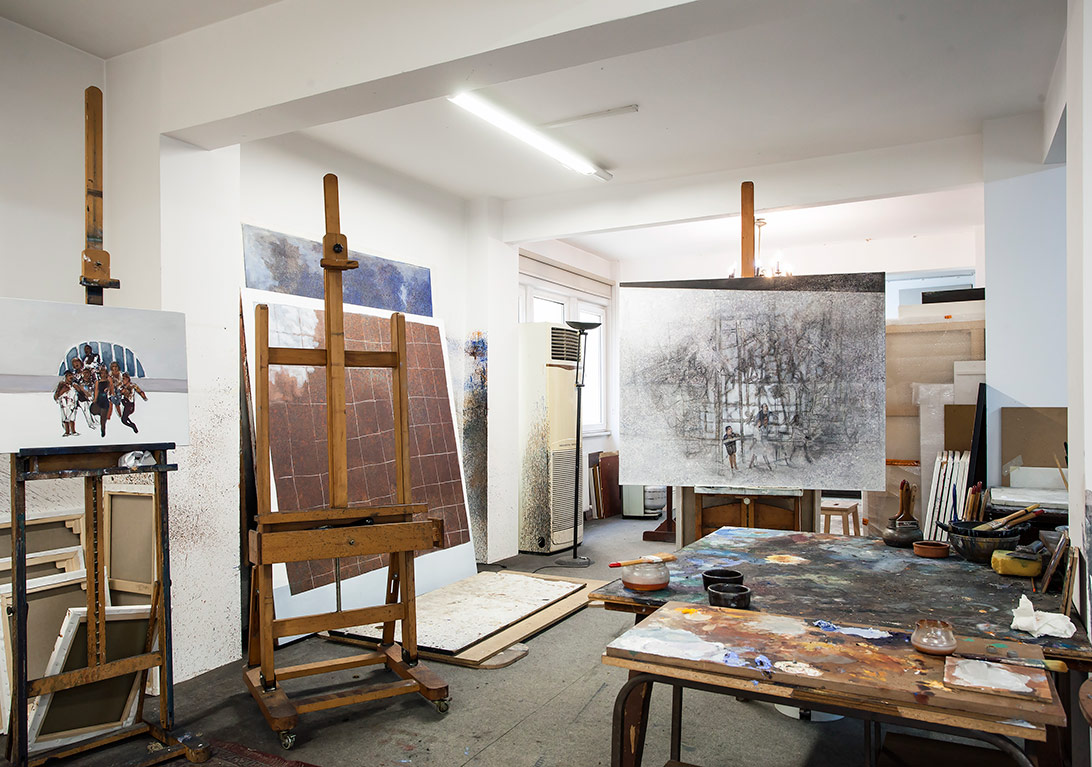
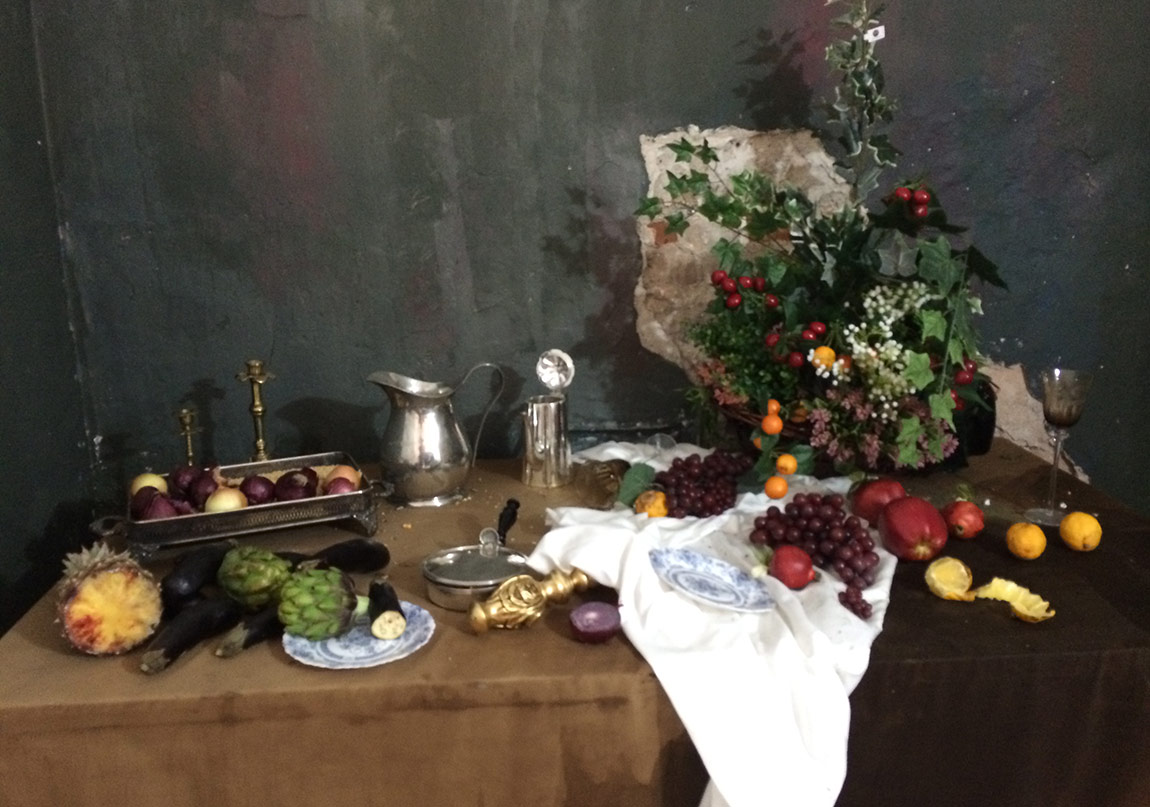
After warming up a bit, I go down the hill to Burçak Bingöl’s vast studio; she questions concepts of labor-intensive reproduction, abstraction and representation, the line between art and crafts in her practice. I have always been curious about an artist’s kitchen. Where do those shiny works in the “white cube” come from? What are their conditions of production? It was possible to see in the studio where the ceramic truck, Seyir, from the artist’s exhibition A Carriage Affair, was produced, where the flower motifs came from, how these motifs were relayed from the scanner and how a reality and representation were produced in this studio. The artist told us about the ceramics on which she will render the motifs of flowers that she brought from Germany by hand on a plane. It was incredible to learn about how the work she was going to present at Plato Sanat’s “Still Life” exhibition was being produced and to see the real versions of the flowers she was going to place on the ceramics. If you’d like to contact her, you can reach her through her website, http://www.burcakbingol.com/.
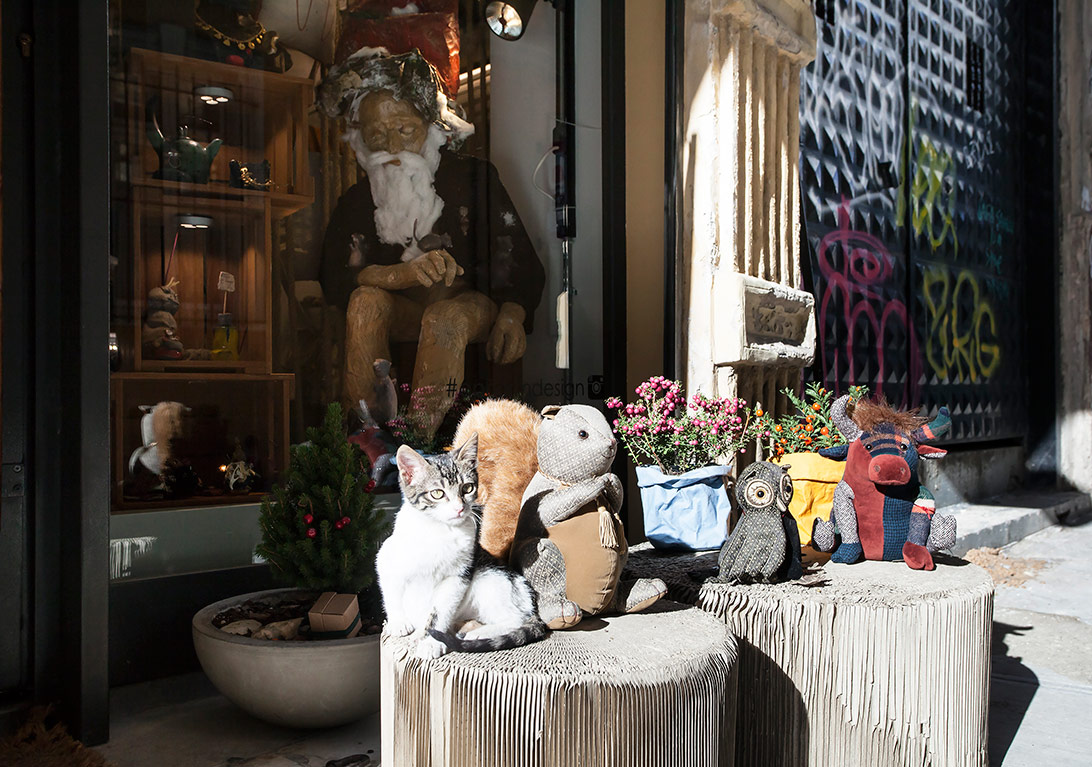
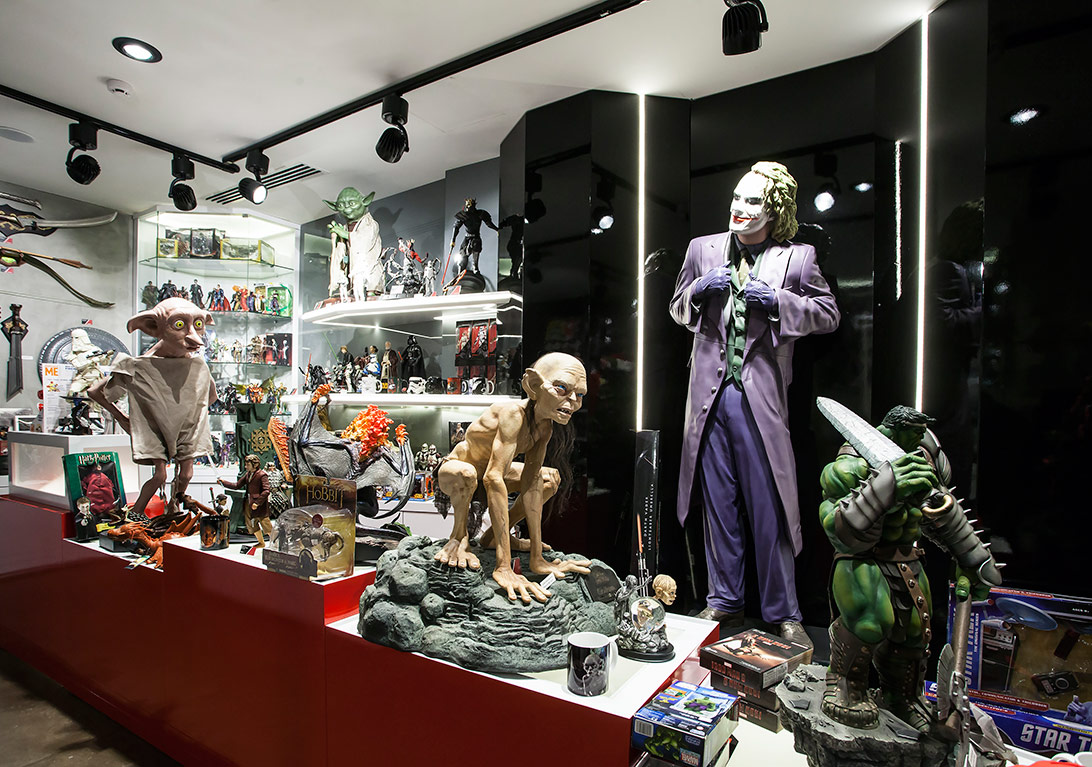
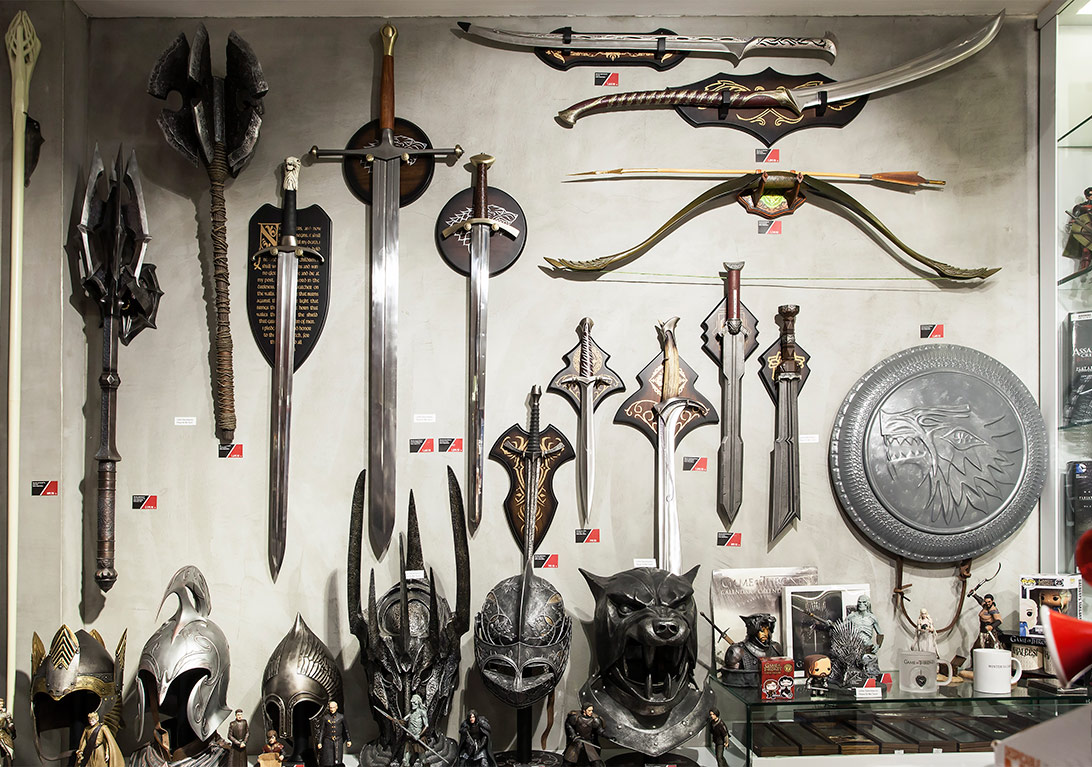
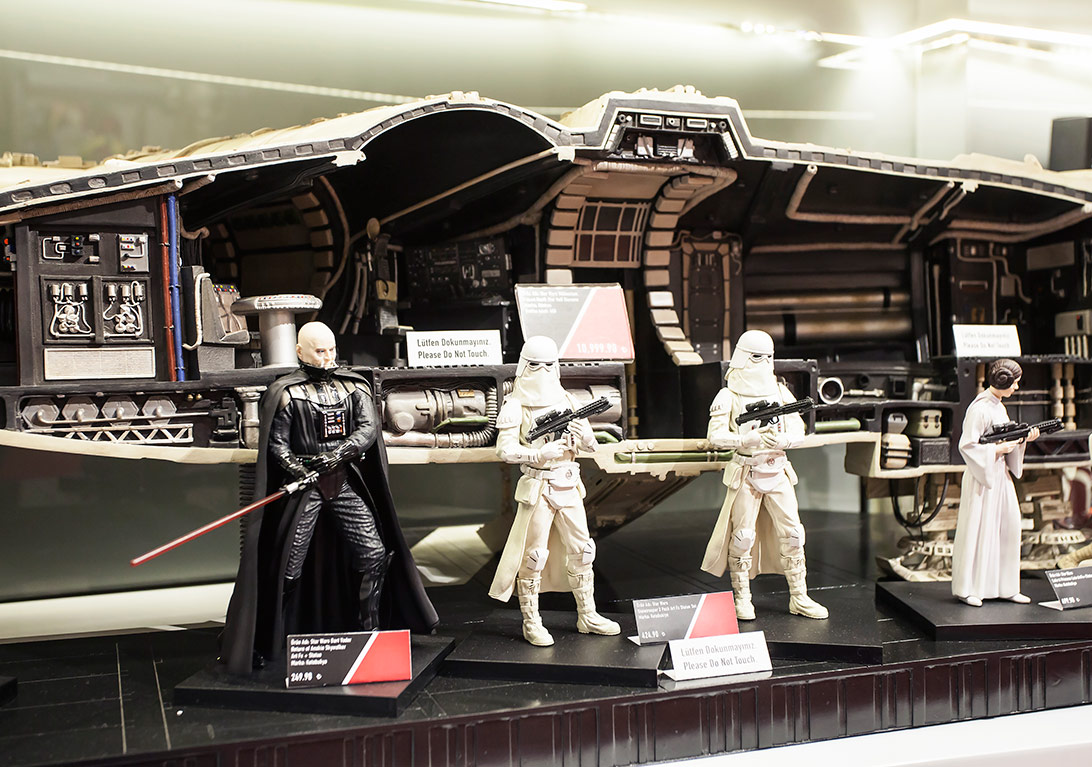
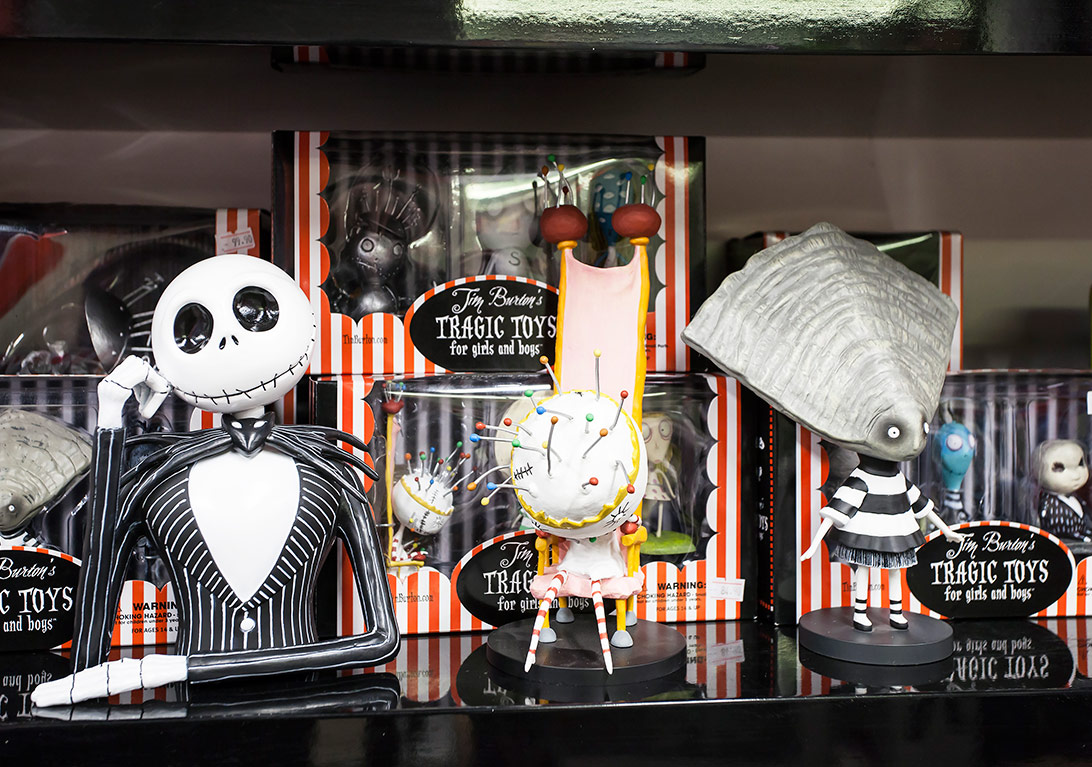
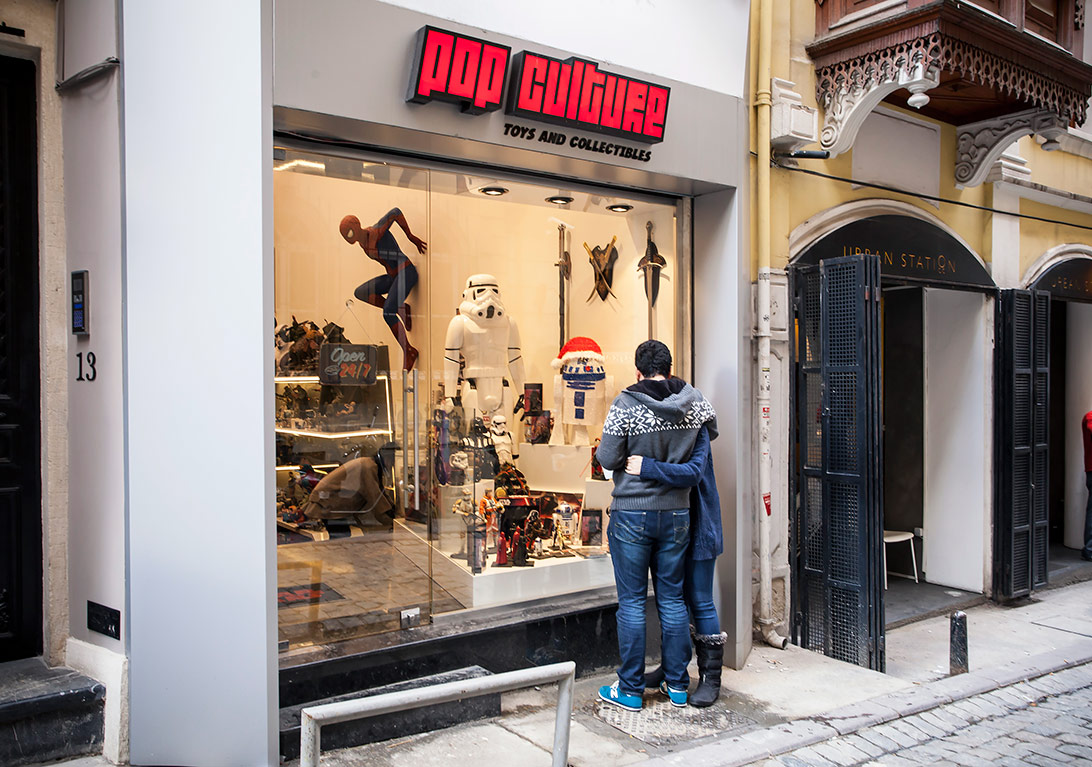
As I walk from Serdar-ı Ekrem to the tower, I encounter a shop of figurines called Pop Culture. It is a shop where you can find all sorts of objects. The minute you enter through the door, these figures are in dialogue with you. The space is quite new and anyone who has a collection needs to visit this place urgently!
The journey continues, following post-its and neons.
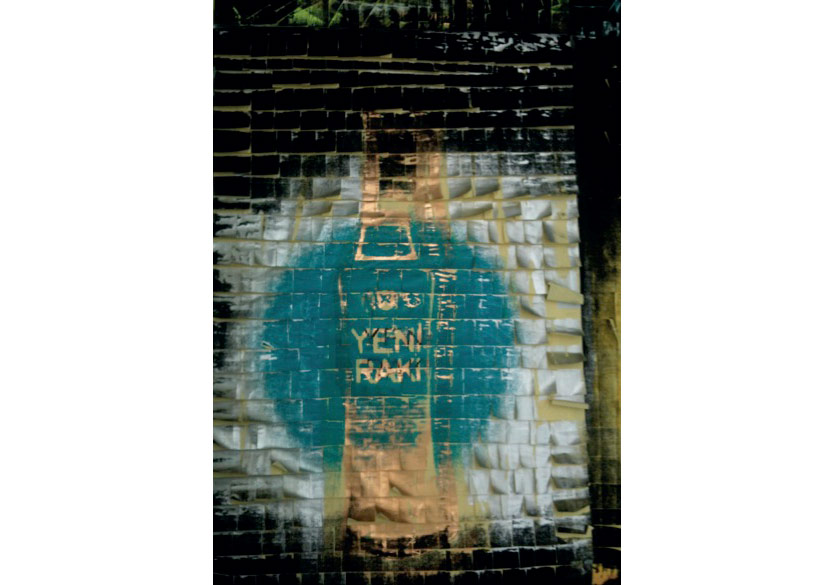
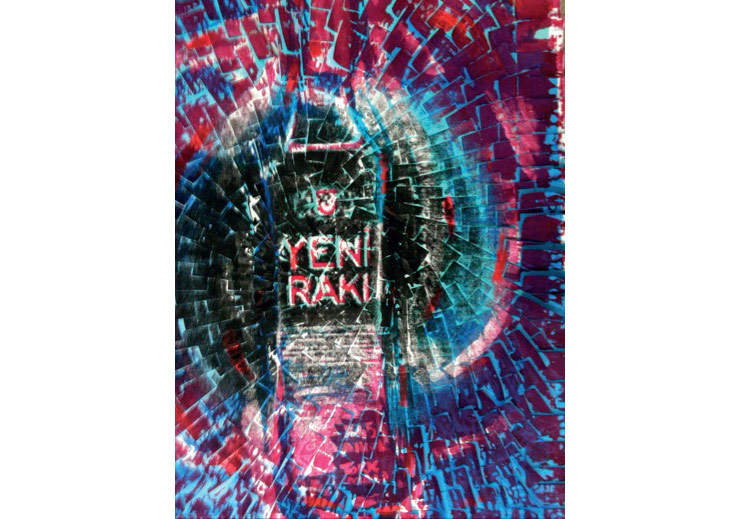
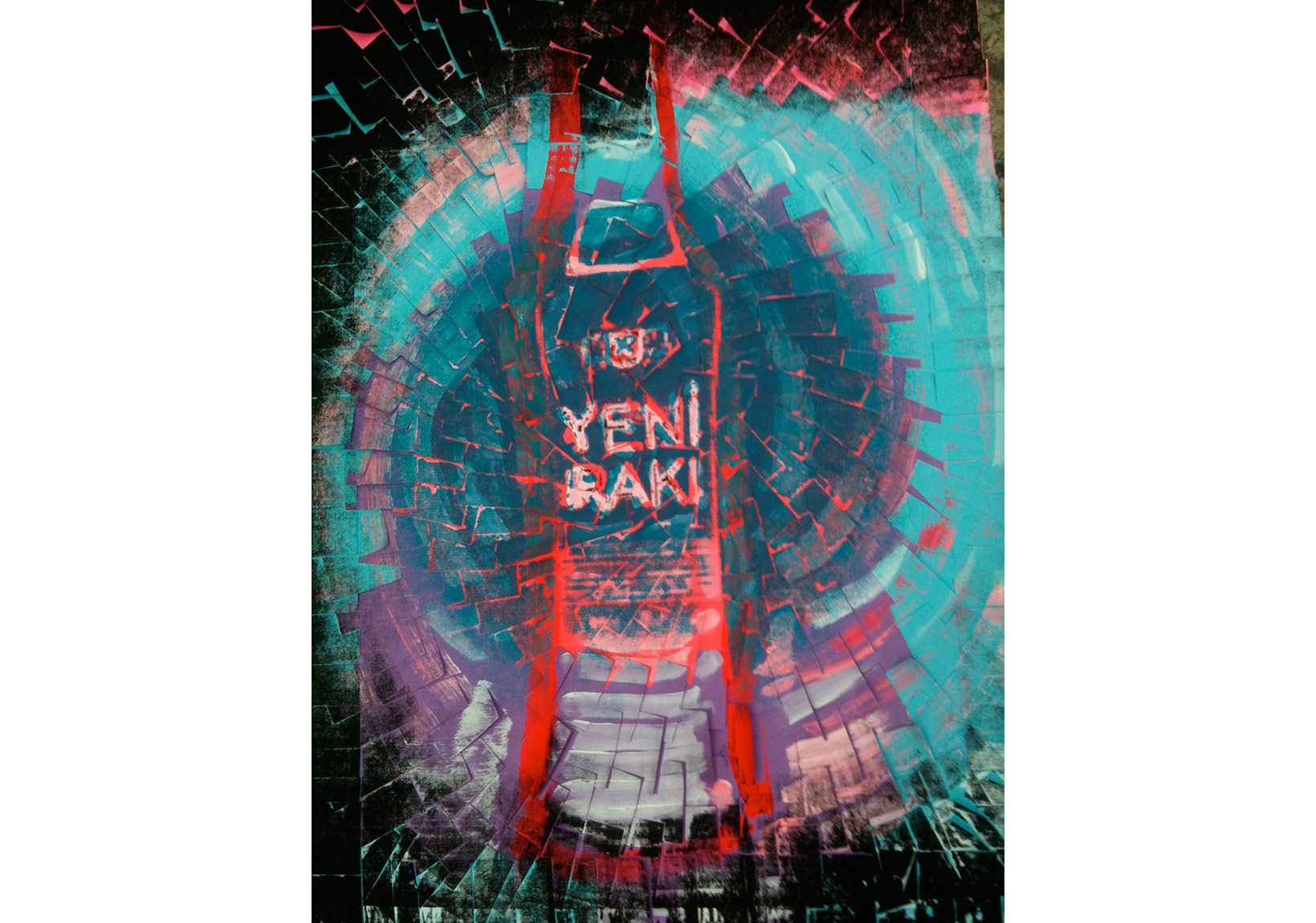
Öktem&Aykut Gallery, one of the pioneering young galleries of Istanbul is hosting an exhibition by Ardan Özmenoğlu called Abilerim Ablalarım. http://oktemaykut.com/exhibition/ardan-ozmenoglu-14-01-2016-17-02-2016/. The exhibitions at Öktem&Aykut Gallery was conceived in tandem with the artist’s gallery in Ankara, Siyah Beyaz. Özmenoğlu tries to subvert Turkish and global popular culture images with her works using neons and post-its, leaning towards a mis-en-scene approach. The exhibition is on view until February 17th.
A studio as powerful and as energetic as the tower.
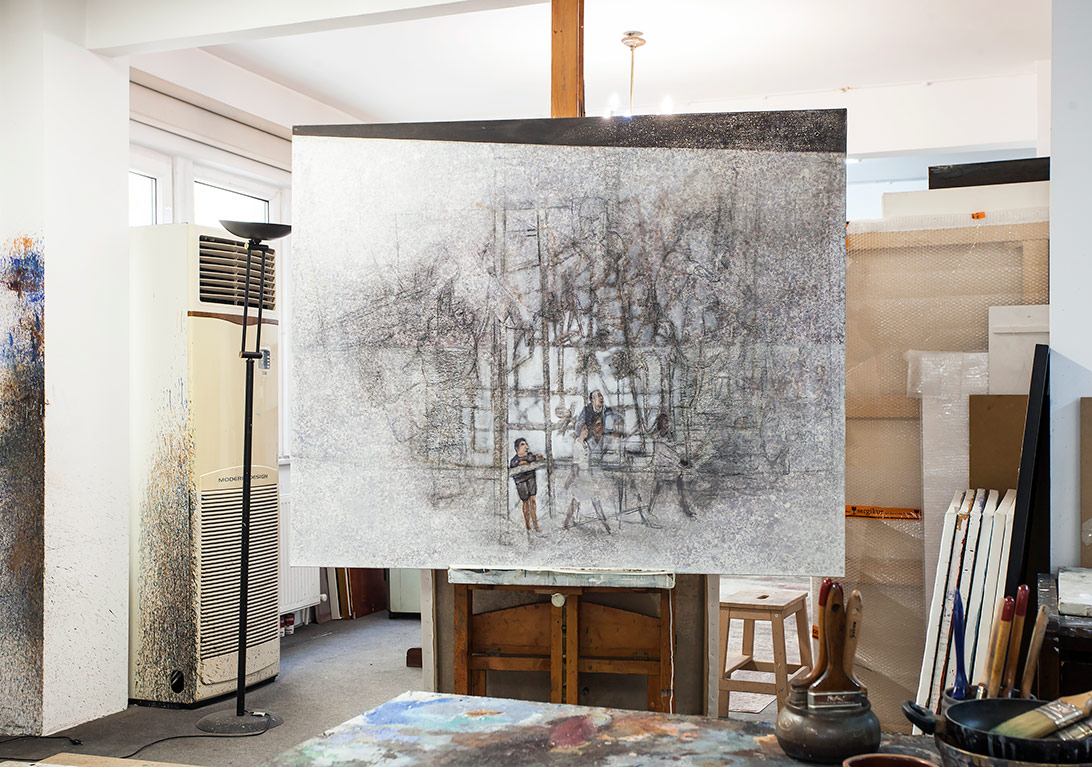
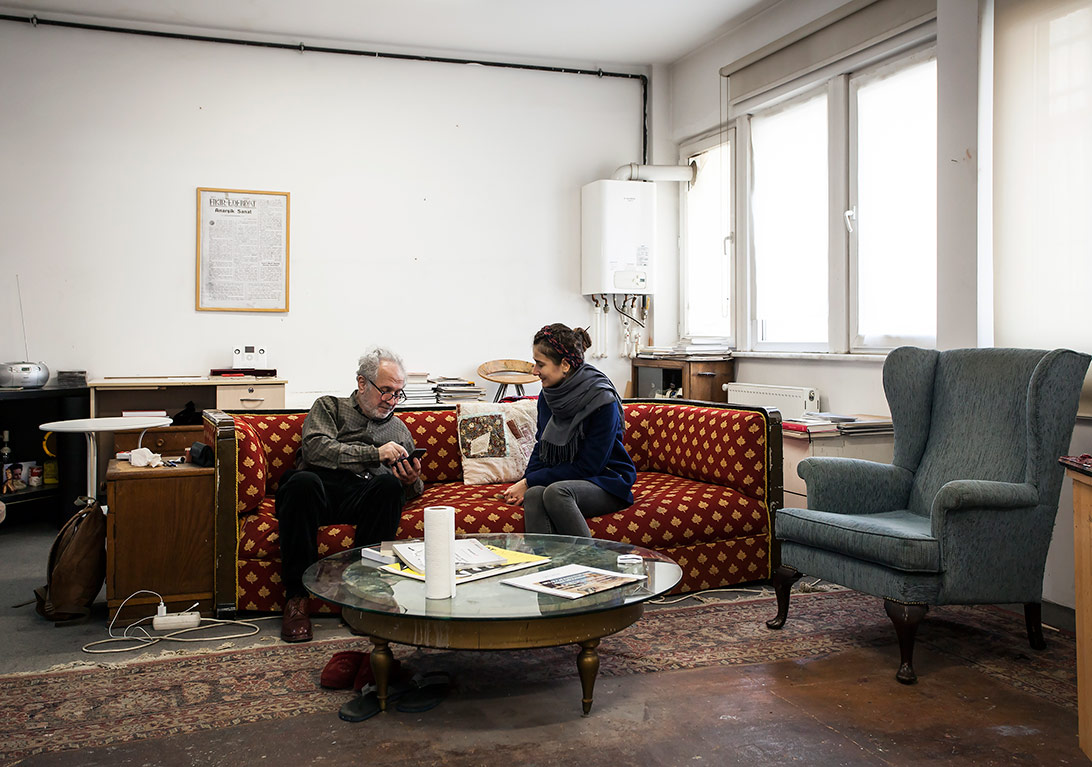
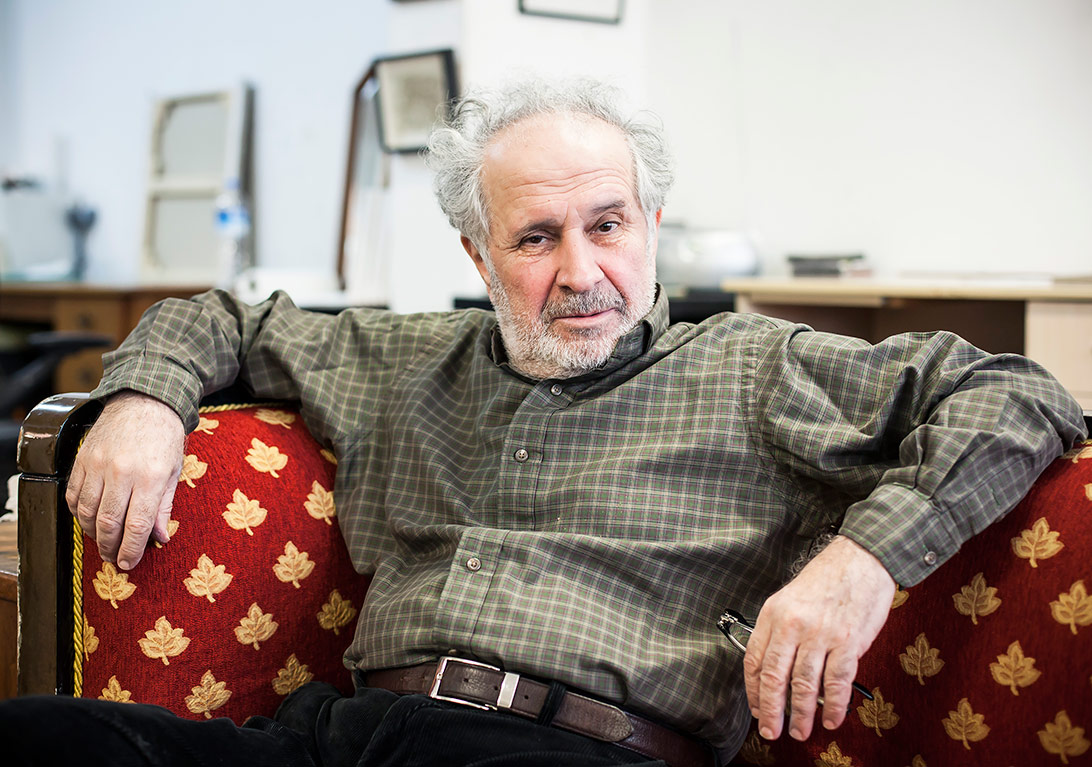
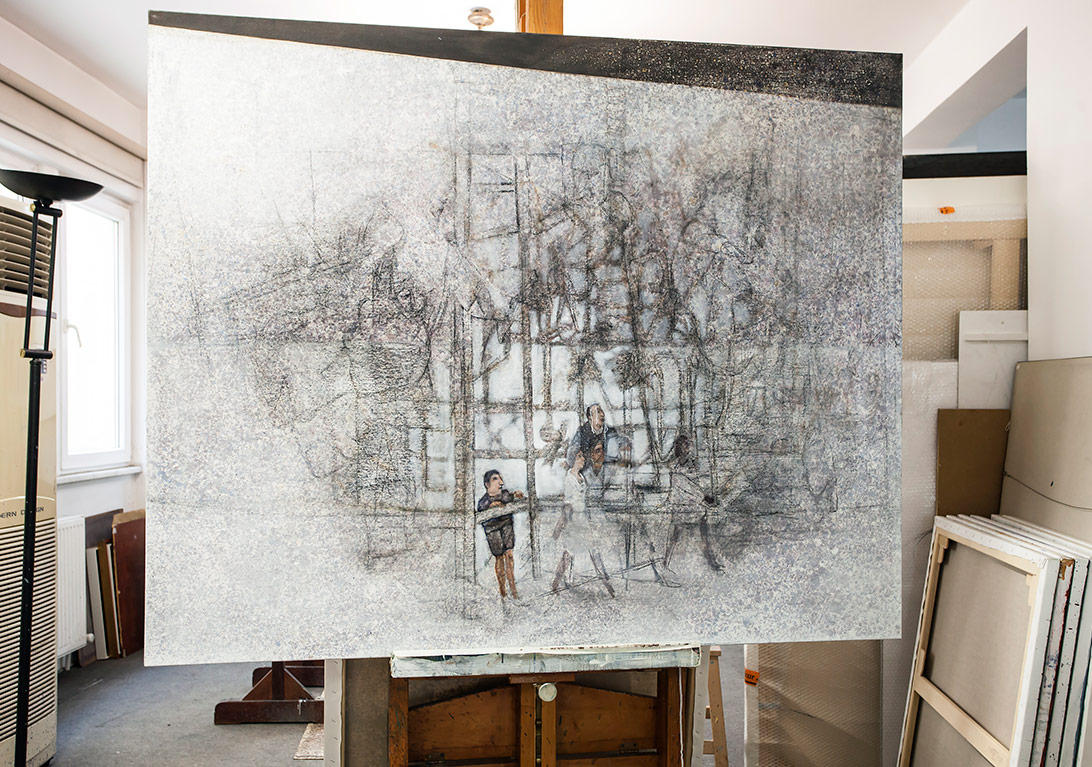
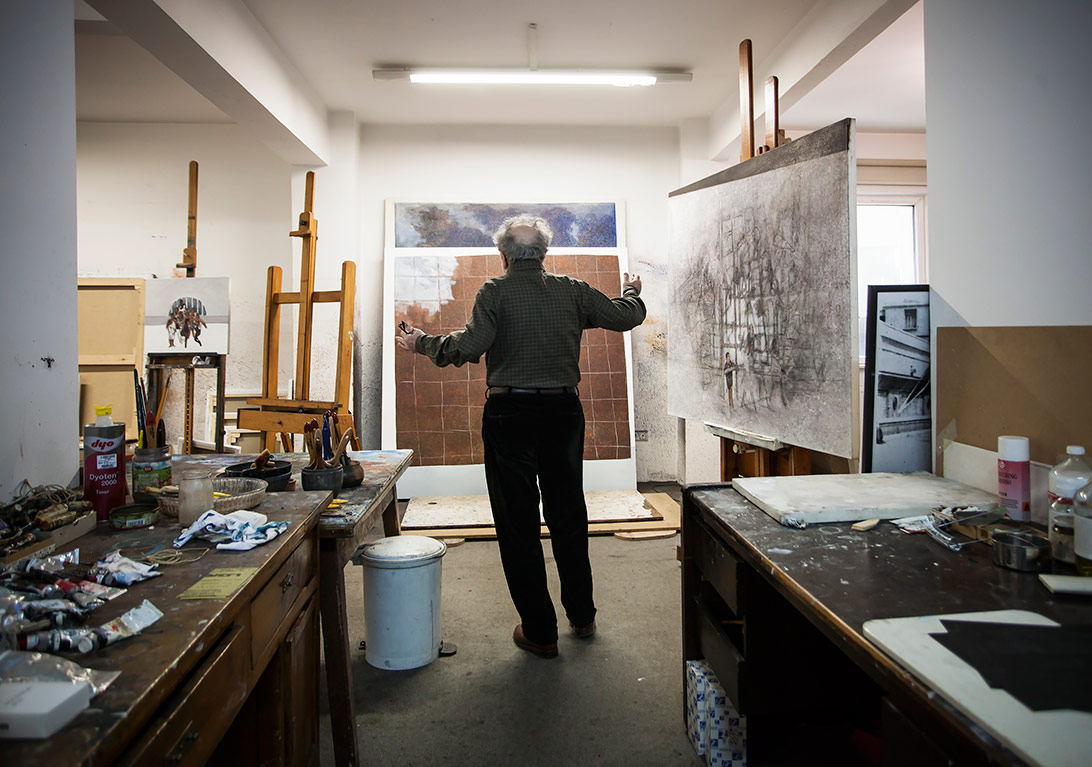
After my visit to Öktem&Aykut Gallery, I go to Komet’s studio. Komet Gürkan Coşkun is one of those figures that prominently heralded Turkish art. If you ask him where his name comes from, he says, “When I was a student at the Academy, I would open up my arms and run down on the stairs yelling ‘Komet is coming.’” We learn that Komet is an airplane model. Since then, the name stuck. His studio is as old as he is. You encounter a new work with every step in this studio, finding pieces from things that have been produced over many years. Komet and his studio are right next to the tower. As powerful and as energetic as the tower, as nostalgic as that piece of history.
Artist spaces that become one with their personalities
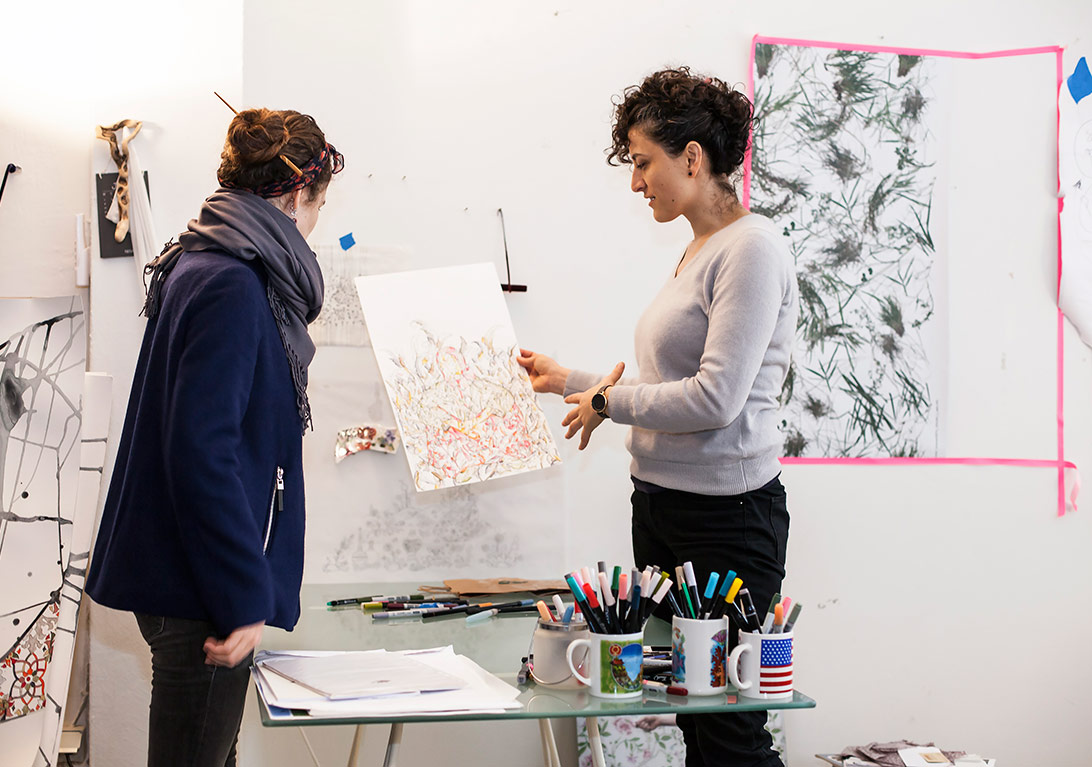
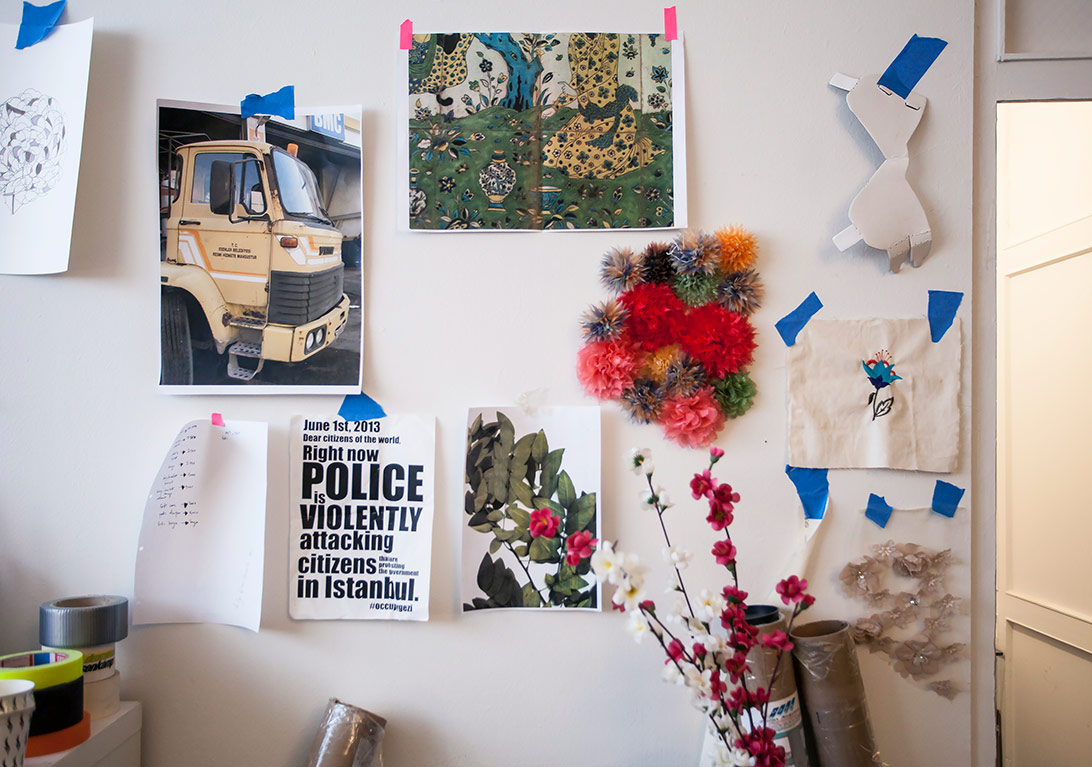
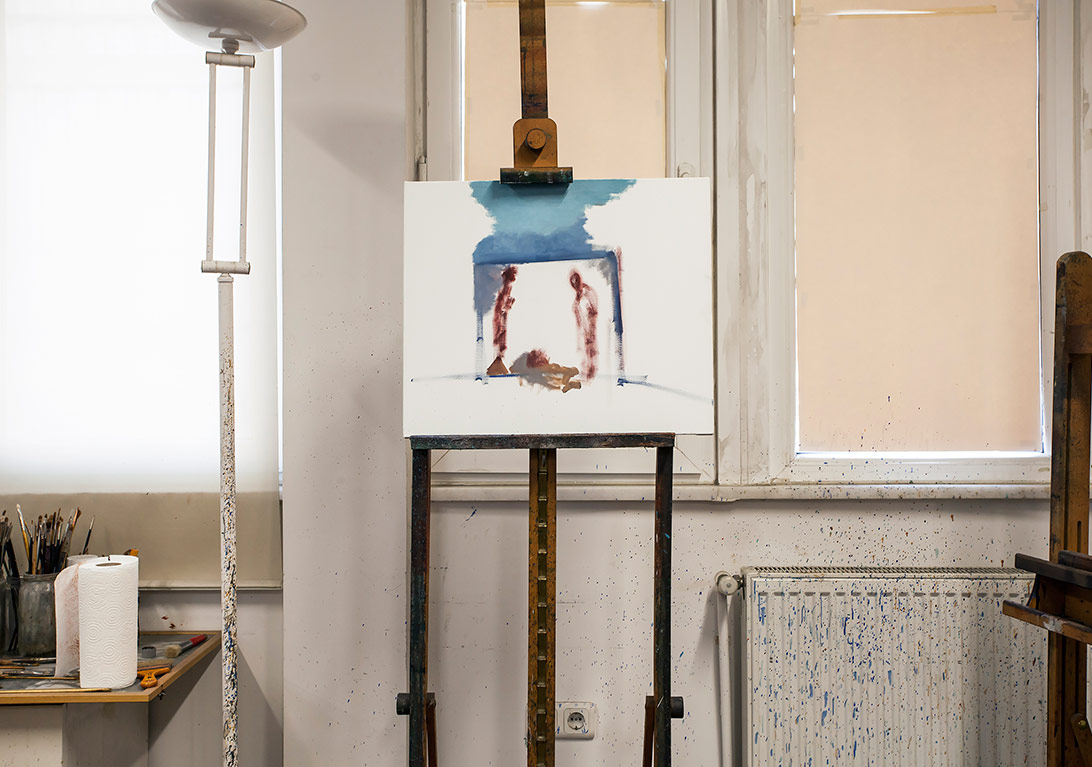
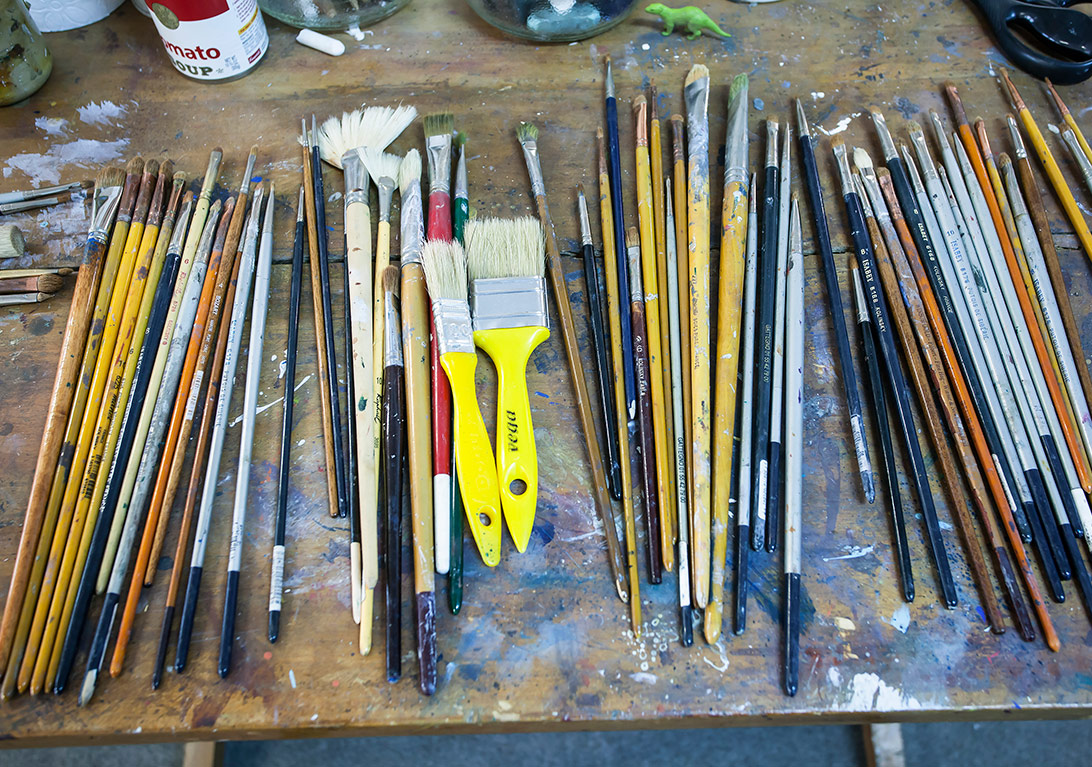
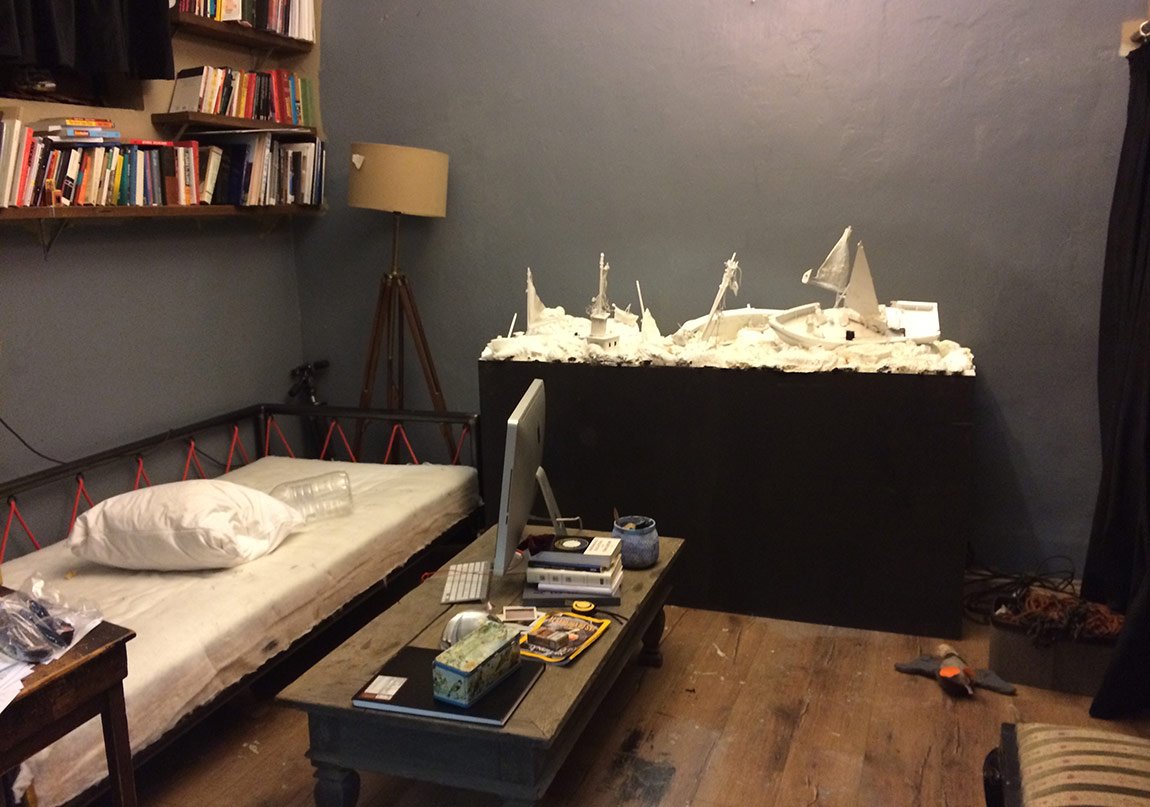
Next is artist Elif Boyner’s studio. One of the things that I’m very curious about in artist studios is how their spaces become one with their personalities and whether they reflect the persona that the artist relays. Boyner’s studio is one such space, it is very young and modern. In the expansive, loft-like apartment-cum-studio, it is possible to find something different in each corner. Walls where colors were tried out, a table for cutting, a comfortable couch, works that you can see, some that you can’t see…
Galata, endless cobblestones, narrow and steep roads… New and old, restored houses, walls adorned with graffiti, a neighborhood that we cannot resist, full of history, a neighborhood which immerses you with all your spirit. I continue, as the cool morning is replaced with a warmer winter day.
A historic building in Galata: SALT Galata
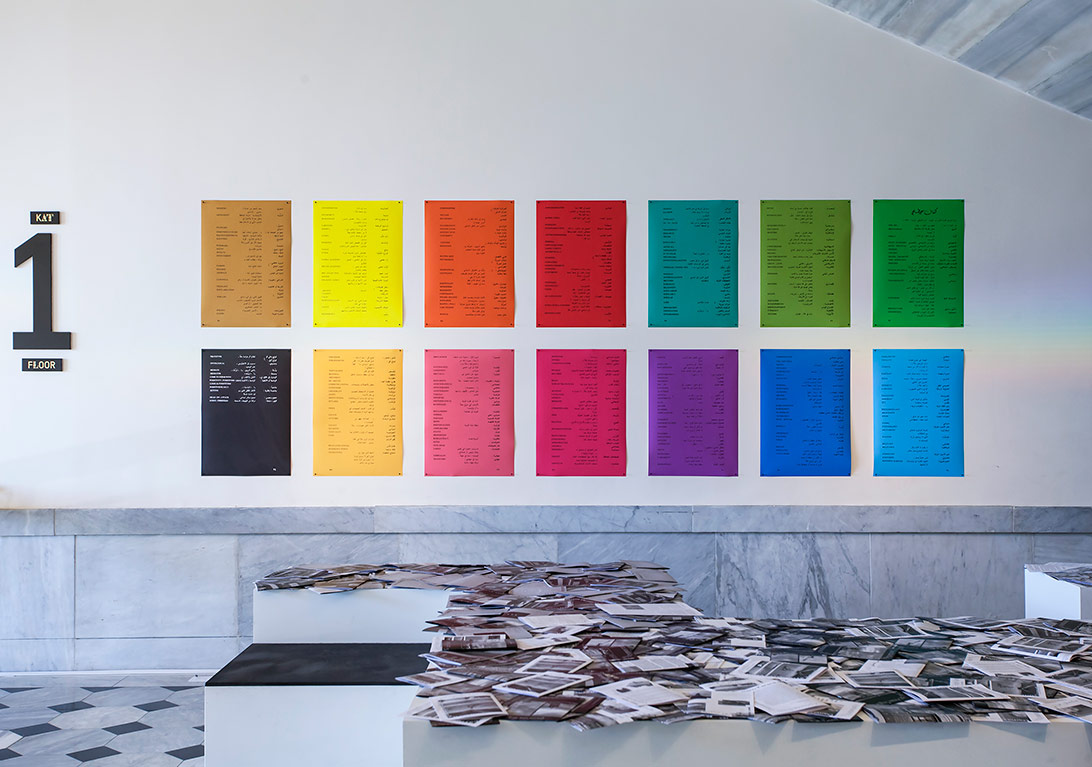
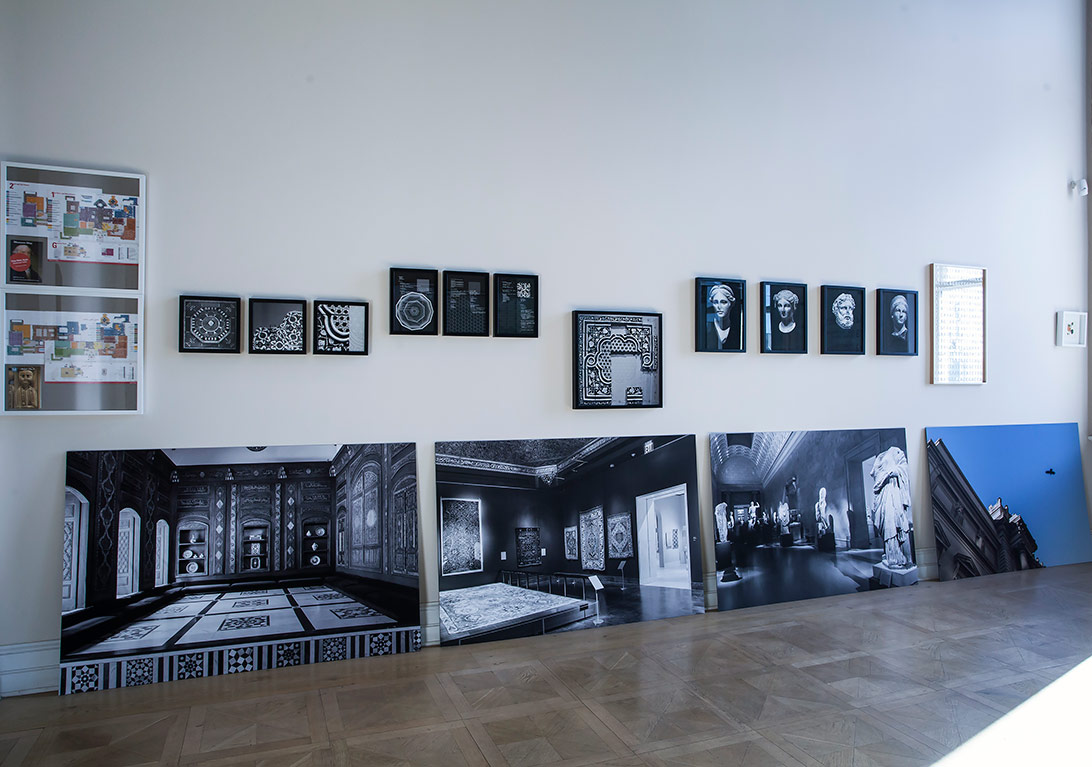
Even touching the walls of SALT Galata makes one peaceful; the building was designed for Bank-ı Osmani-i Şahane by the French architect Alexandre Vallaury. The building was first opened in 1892 and it is unique for its use of neoclassical and orientalist architecture that is used on the front and back facades. Since 2011, It houses a comprehensive library, a Robinson Crusoe bookshop, cinema and exhibition spaces, and the Ottoman Bank Museum. The space hosts two important exhibitions these days. The first is: “Apricots from Damascus.”
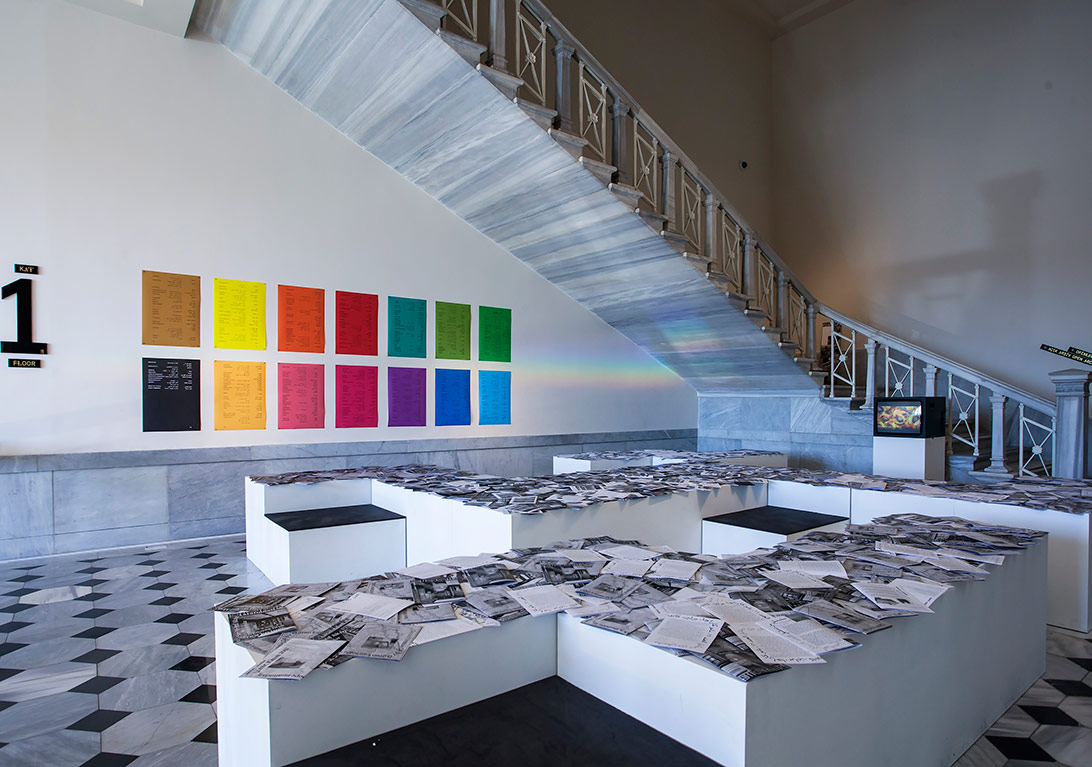
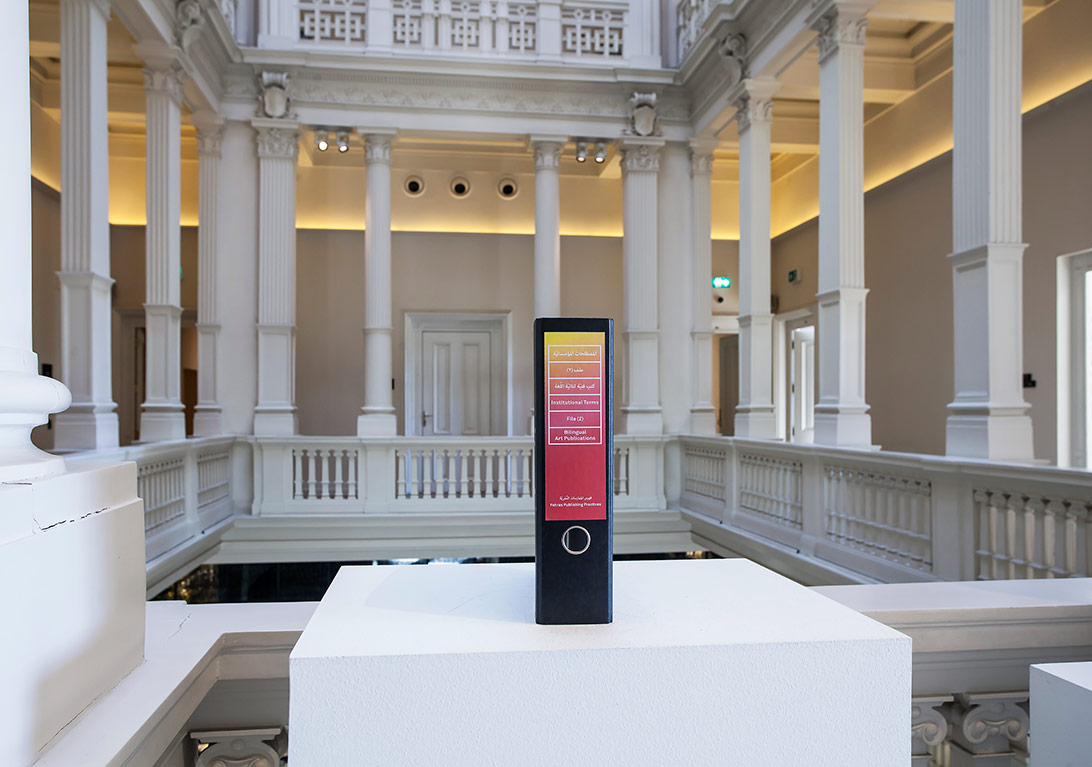
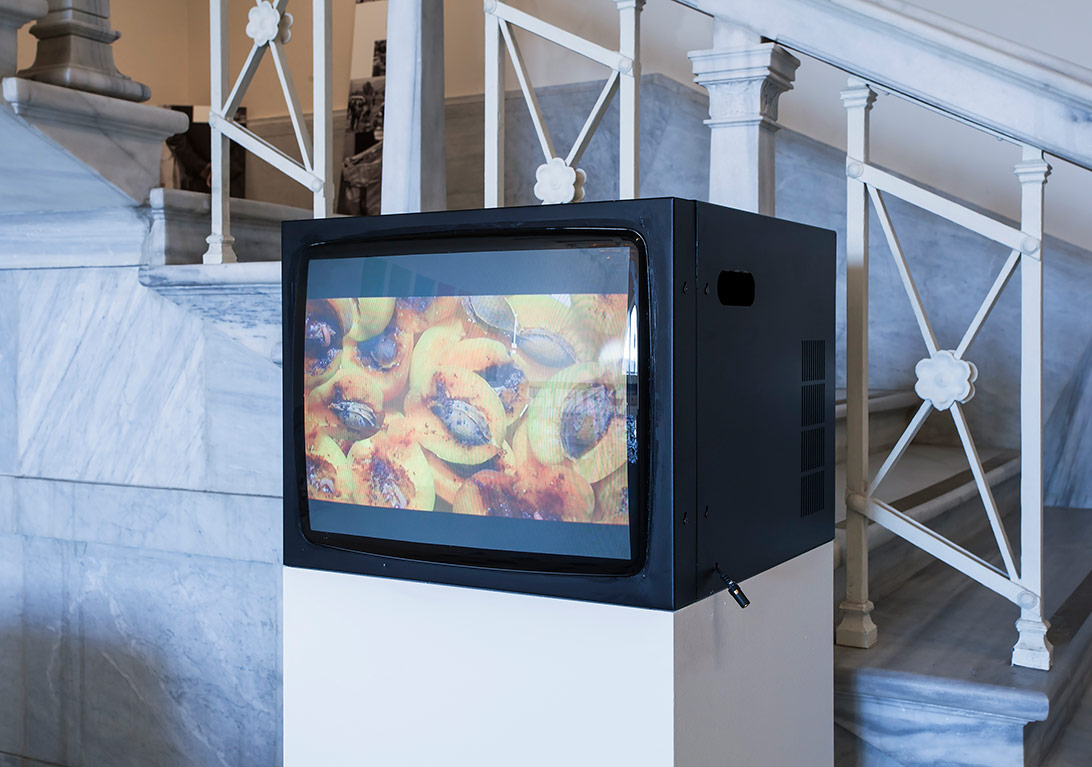
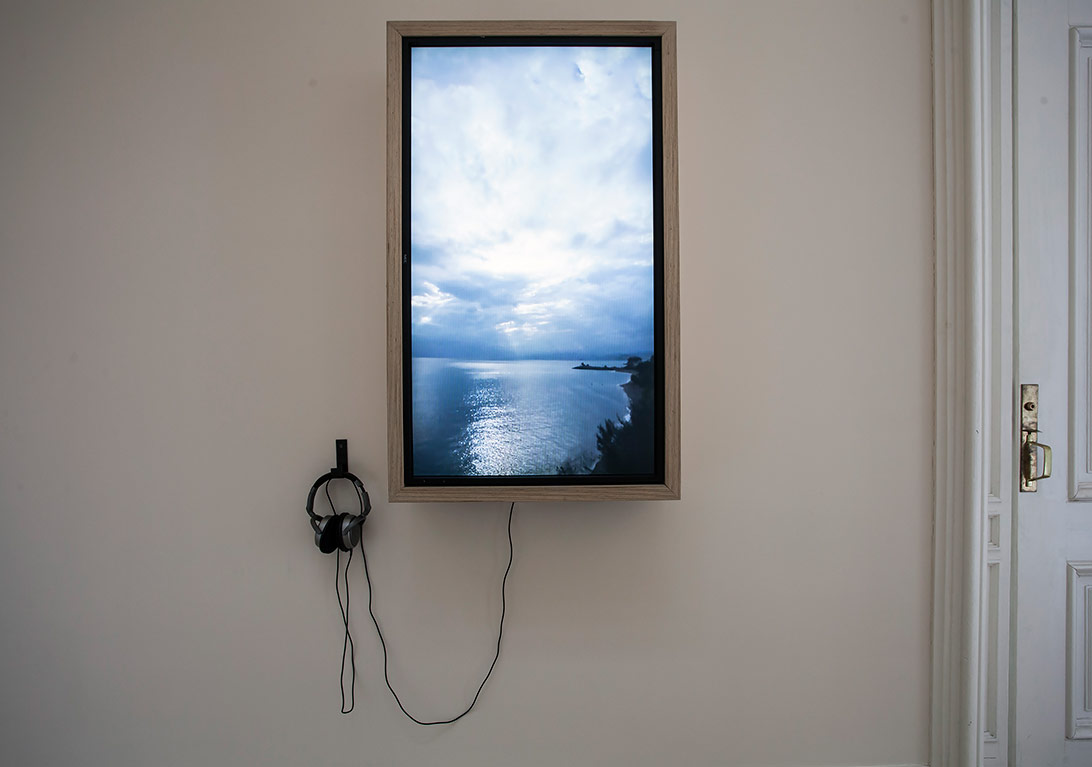
“Apricots from Damascus” (http://saltonline.org/tr#!/tr/1287/samda-kayisi?home) was constructed by Dilek Winchester and Atıf Akın, referring to André Breton’s “One publishes to find comrades!” and the Turkish "Şam'da Kayısı" that forms part of an idiomatic expression meaning “It doesn't get any better than this.” The zines included in Apricots from Damascus positions a form of publication as an artistic practice, in an effort to create a more accessible template for a cultural commons, to reveal these practices that are in dialogue with the culture and communication that Syrians migrate to, showing dimensions of the war in Syria. Participants include Atıf Akın, Nadia Al Nissa, Khaled Barakeh, Hera Büyüktaşçıyan, Güven İncirlioğlu (The Pope), Pınar Öğrenci, Dilek Winchester and Fehras Publishing Practices. One of the most important goals of the exhibition is expressed in the press release as such, “The hope is that by integrating the exhibition into the active areas of the building, exiled or settled artists in Istanbul can find spaces to commune together.” The exhibition is on view until February 21.
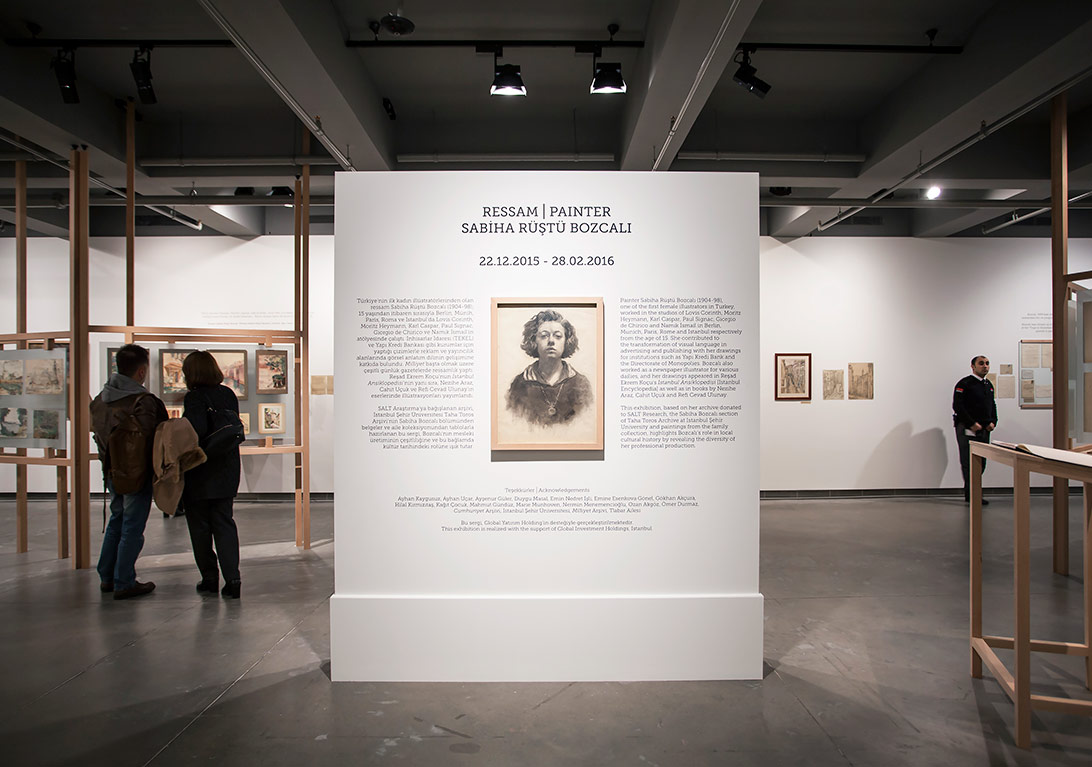
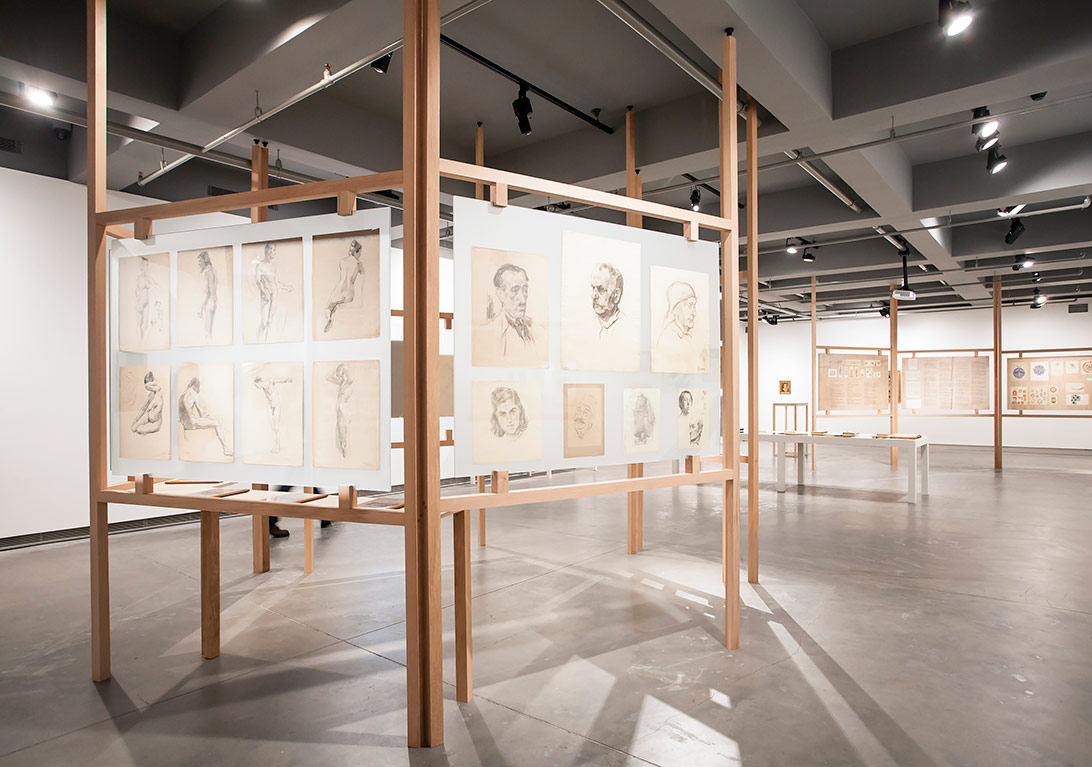
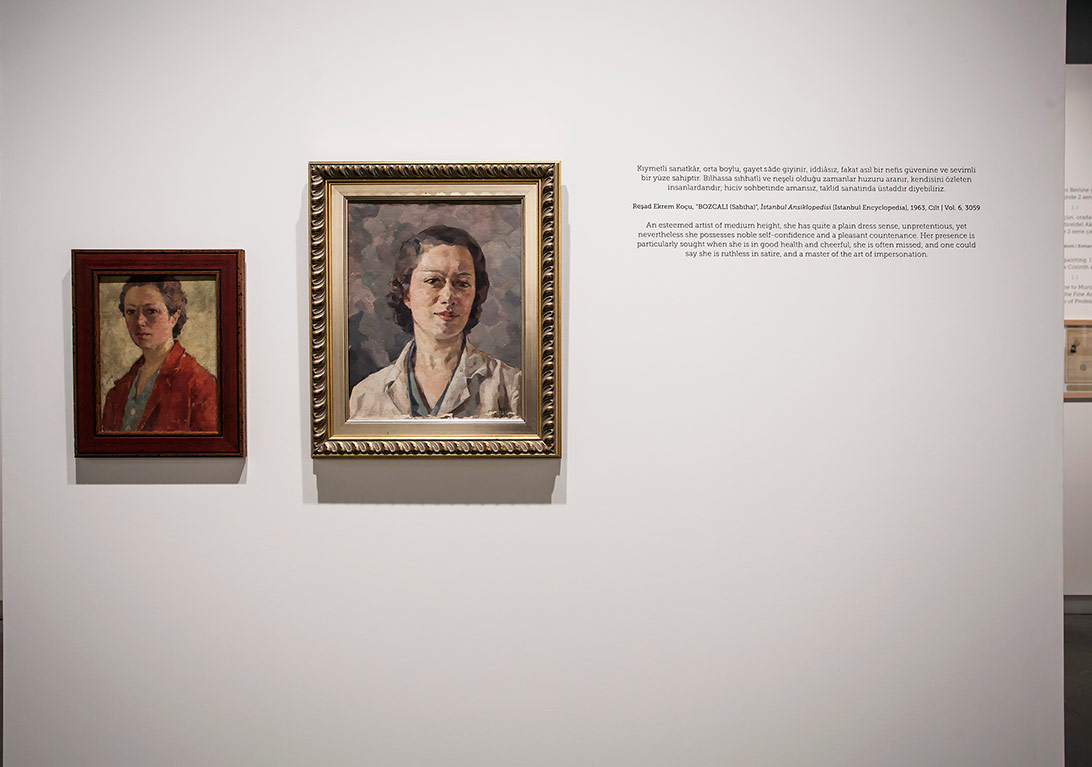
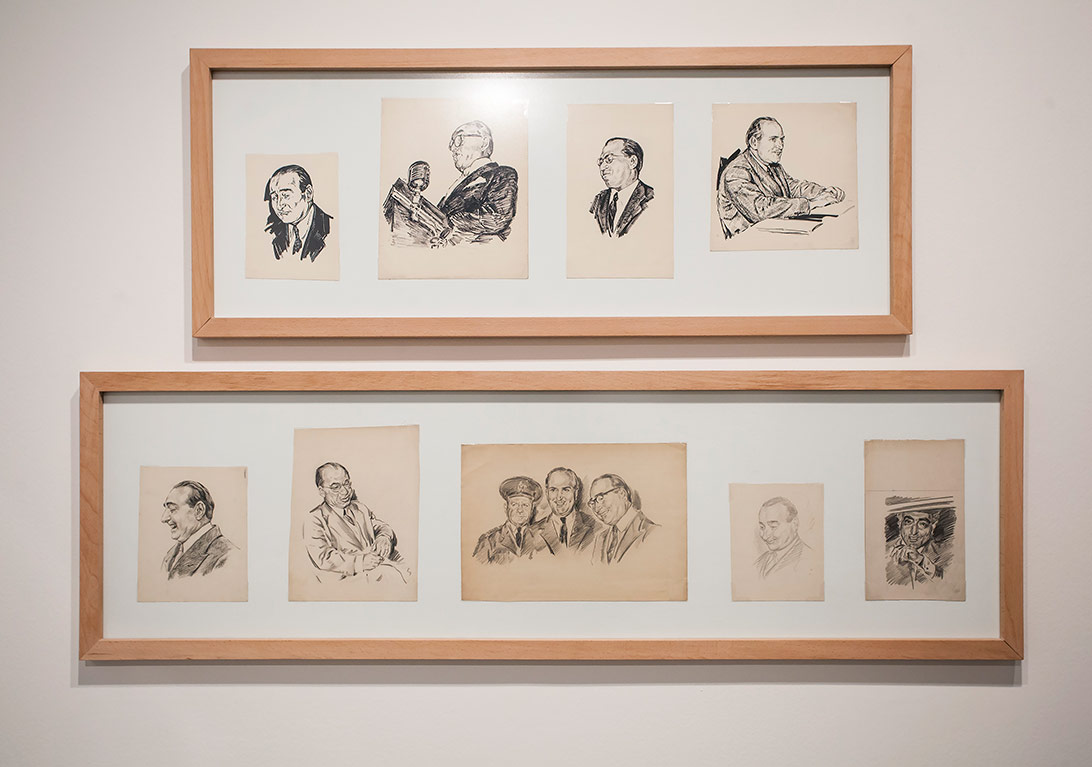
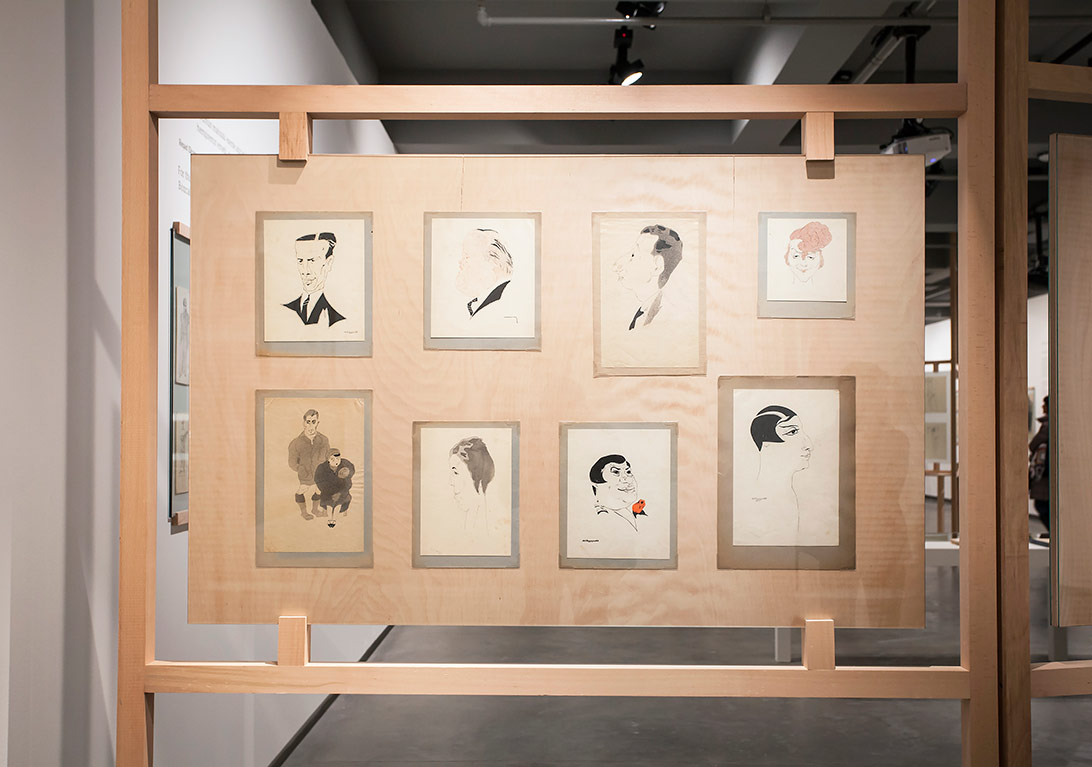
Another exhibition at SALT Galata is “Painter Sabiha Rüştü Bozcalı.”
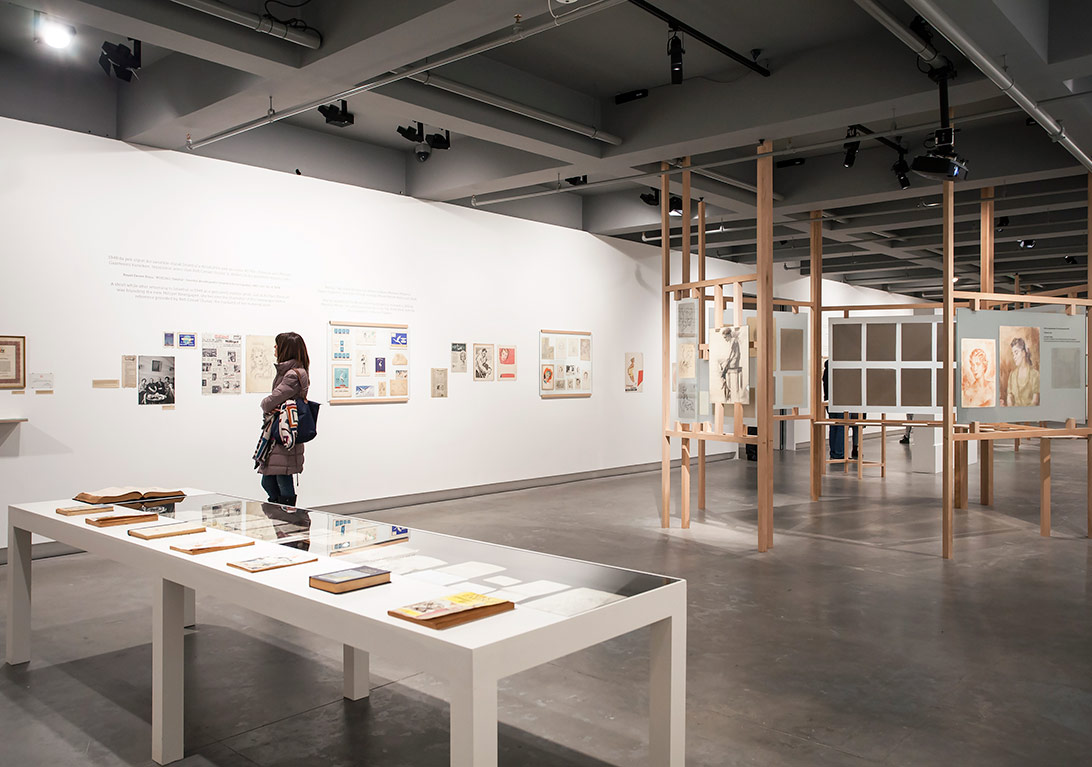
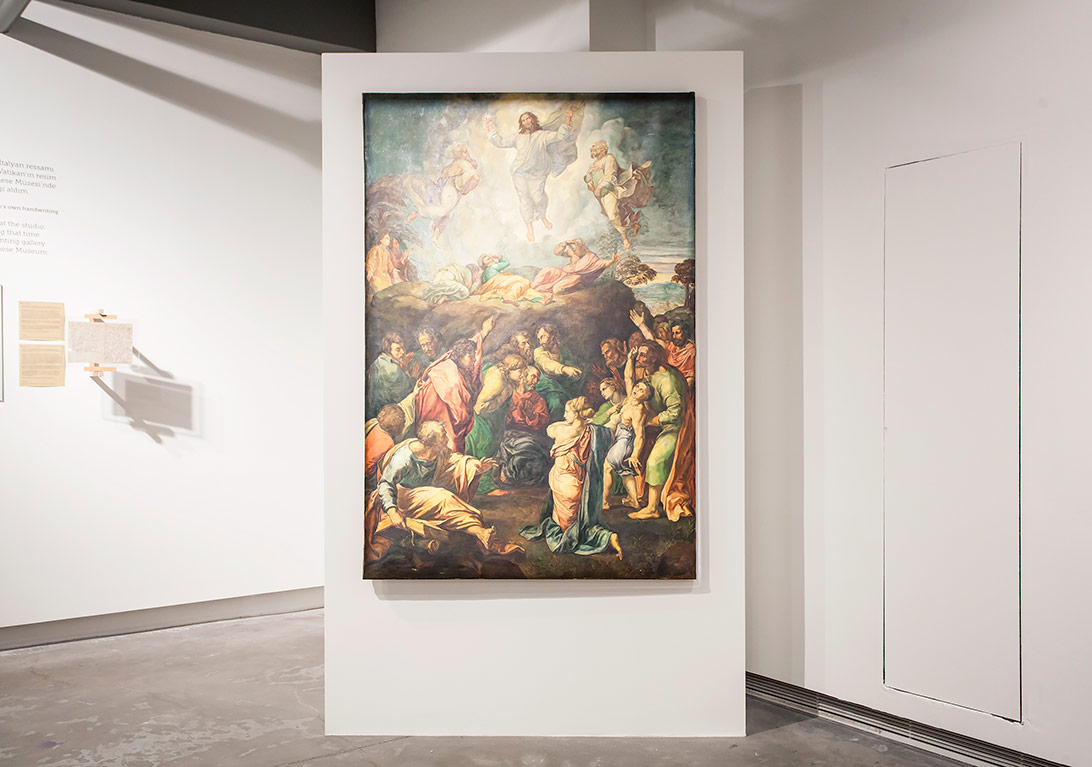
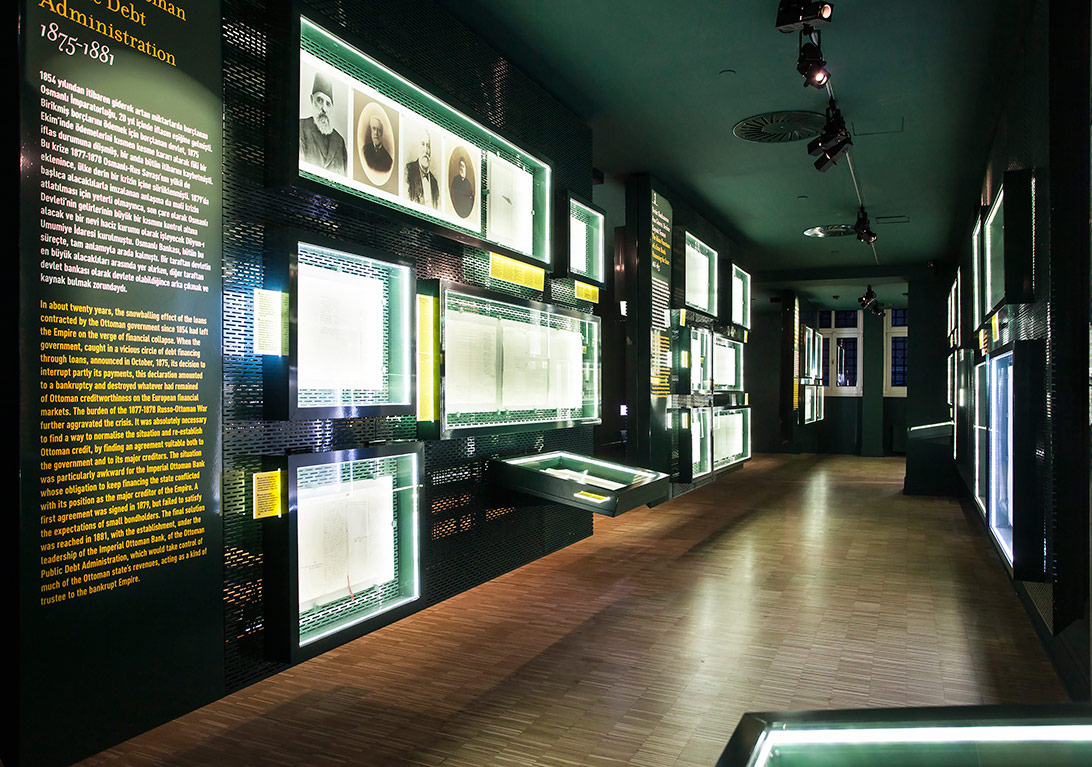
One of the things I like the most about SALT is that important artists, architects, literary figures pass on the things that they wrote, created and for these documents to be accessible for the public soon thereafter. The exhibition is from the archives of Bozcalı, who was born in the early transition period to the Republic, who was trained as an artist, working alongside famous artists in Italy, Austria. The painter was one of the first illustrators from Turkey and who participated in the “Homeland Journeys.” I was impressed by the exhibition design. The exhibition includes watercolors, letters and illustrations. The exhibition, open until February 28, is a rare exhibition and should not be missed.
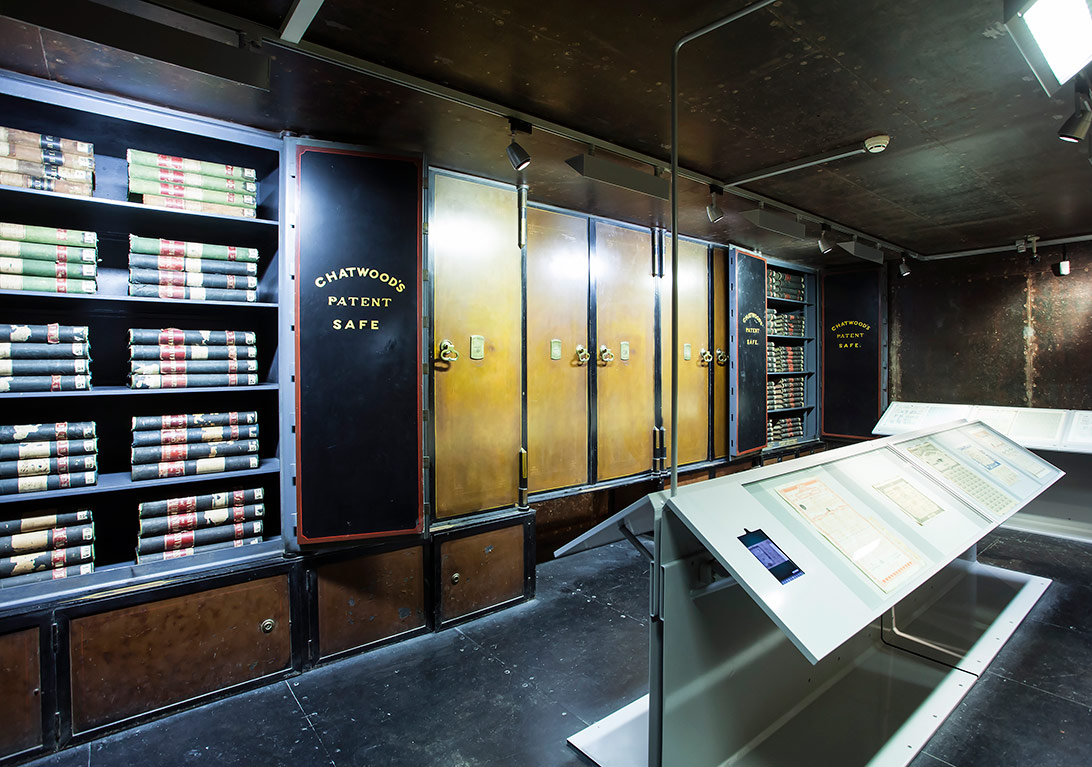
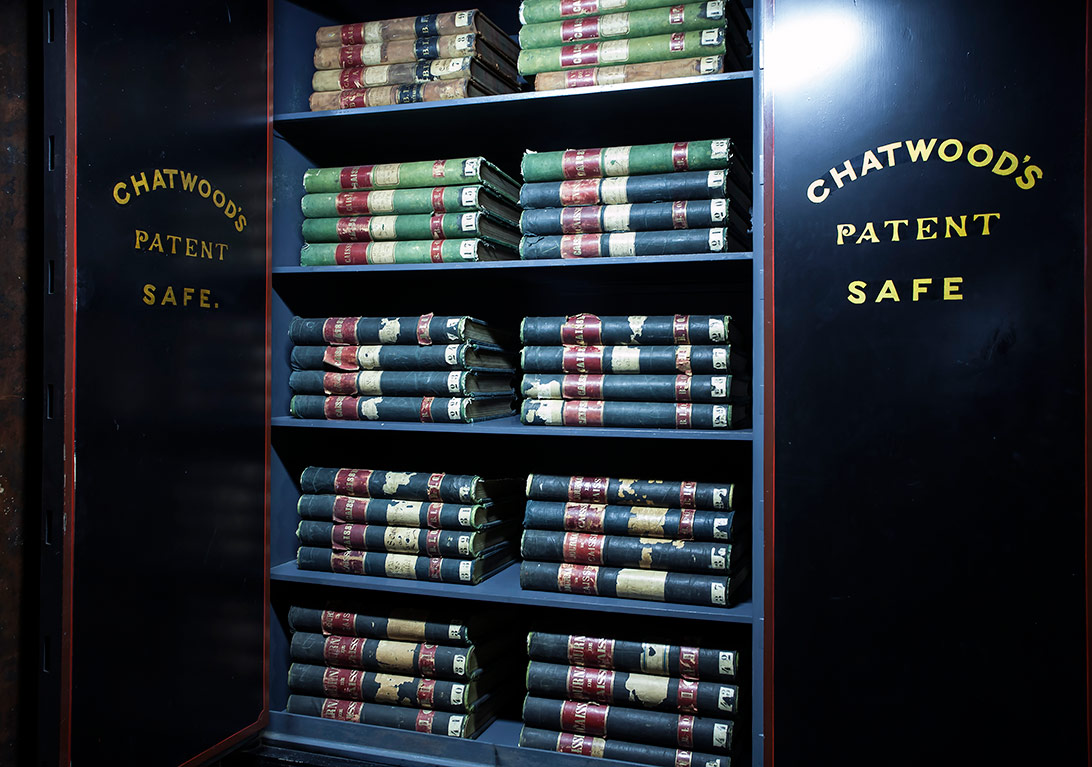
One of the important spaces in SALT Galata is the Ottoman Bank Museum. The museum includes small bills, large old notebooks, old stamps and deeds. It is a very interesting space in terms of the exhibition design.
As I complete my one-day art journey, I walk to the Karaköy port, lighter, accompanied by the screams of the seagulls. How could Galata be so small in scale and yet contain so many big things? With this question on my mind, I go to Kadıköy with the pleasures of the day. Lots of small design stores, boutique cafes, coffeeshops, the old owners of the neighborhood that I see on the narrow streets of the neighborhood, hallucinations of the old spirit in the newness of Galata.
Tourists, shopkeepers, artists, galleries, and Muhsin Bey….
Muhsin Bey from Doğan Apartmanı calls out, Galata becomes intertwined with the voices of the seagulls…
;