ÖNCEKİ
20 AĞUSTOS, PERŞEMBE, 2015
SONRAKİ
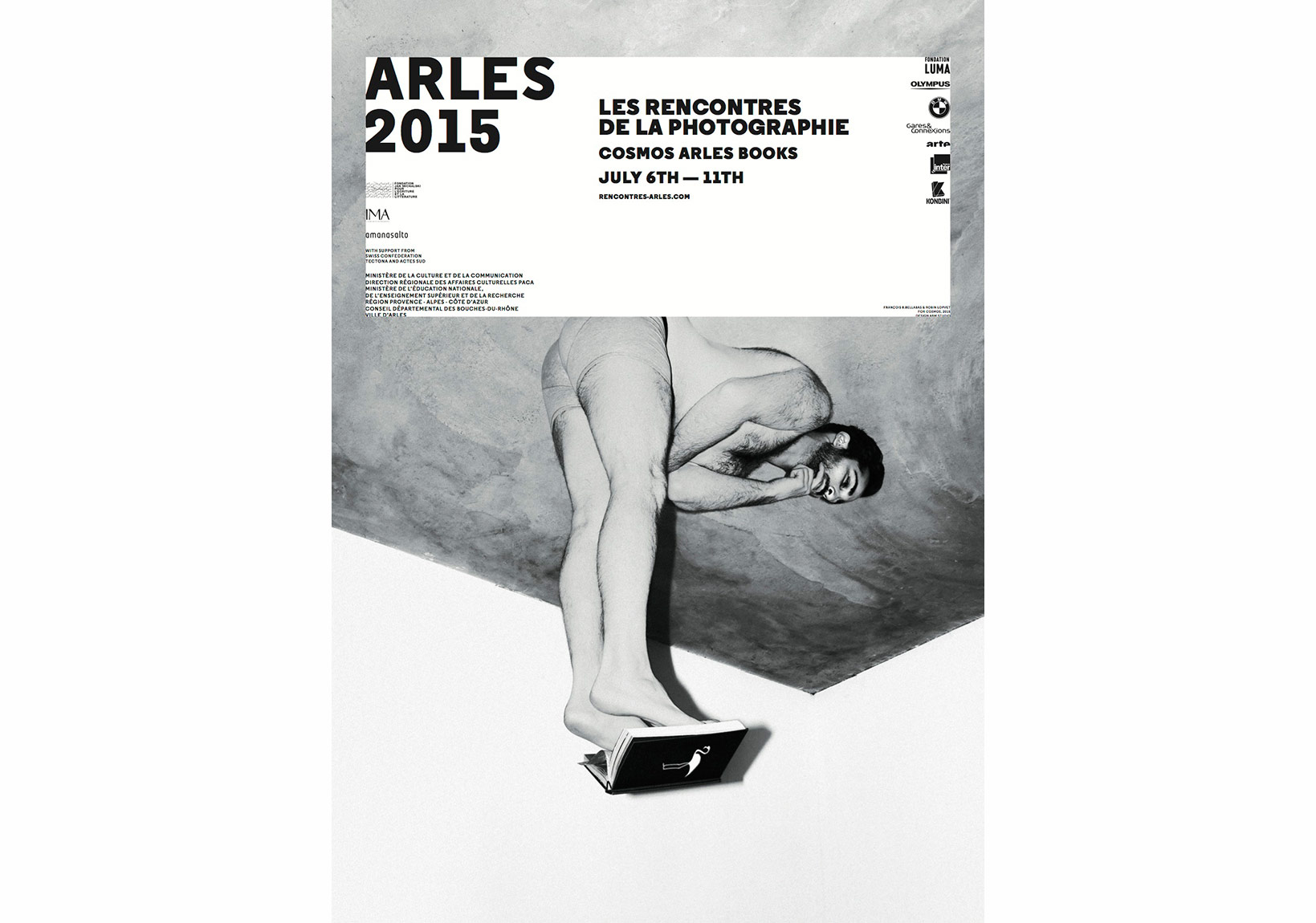
Van Gogh had produced his painting of a bedroom in the town of Arles in the Province region of southern France. This town was highly influenced by Spain, hosting archaeological sites and one of the most influential publishing houses of France, Actes Sud. The long-term urban development plan that began in 2004 has been finalized with the large museum constructed by the Luma Foundation, on the dilapidated train maintenance spaces. In addition to this entire introduction, I need to add that we'll be discussing a small town with a population of 50,000. This culturally rich town hosts the Photography Meeting, which is realized for the 46th time this year.
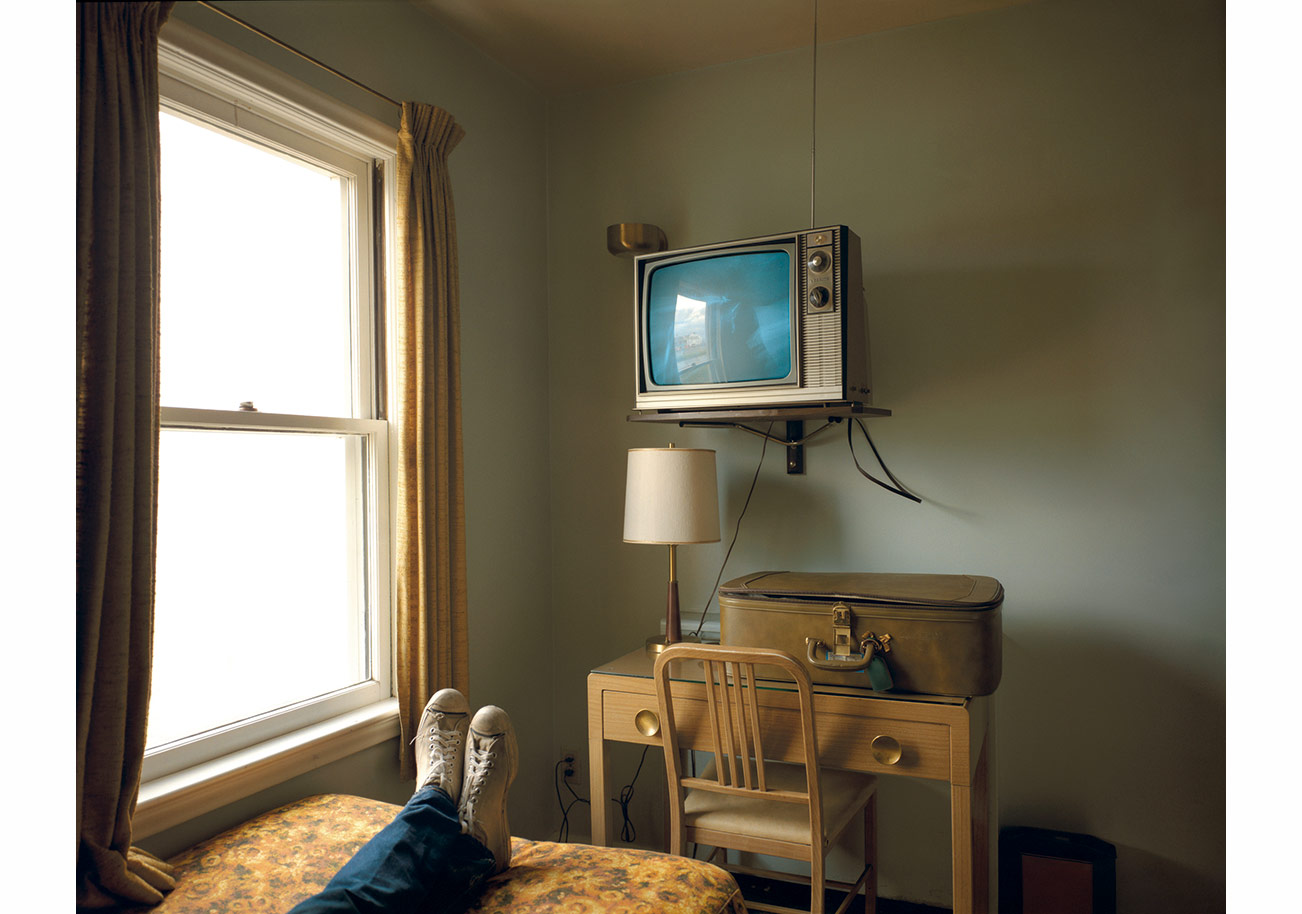
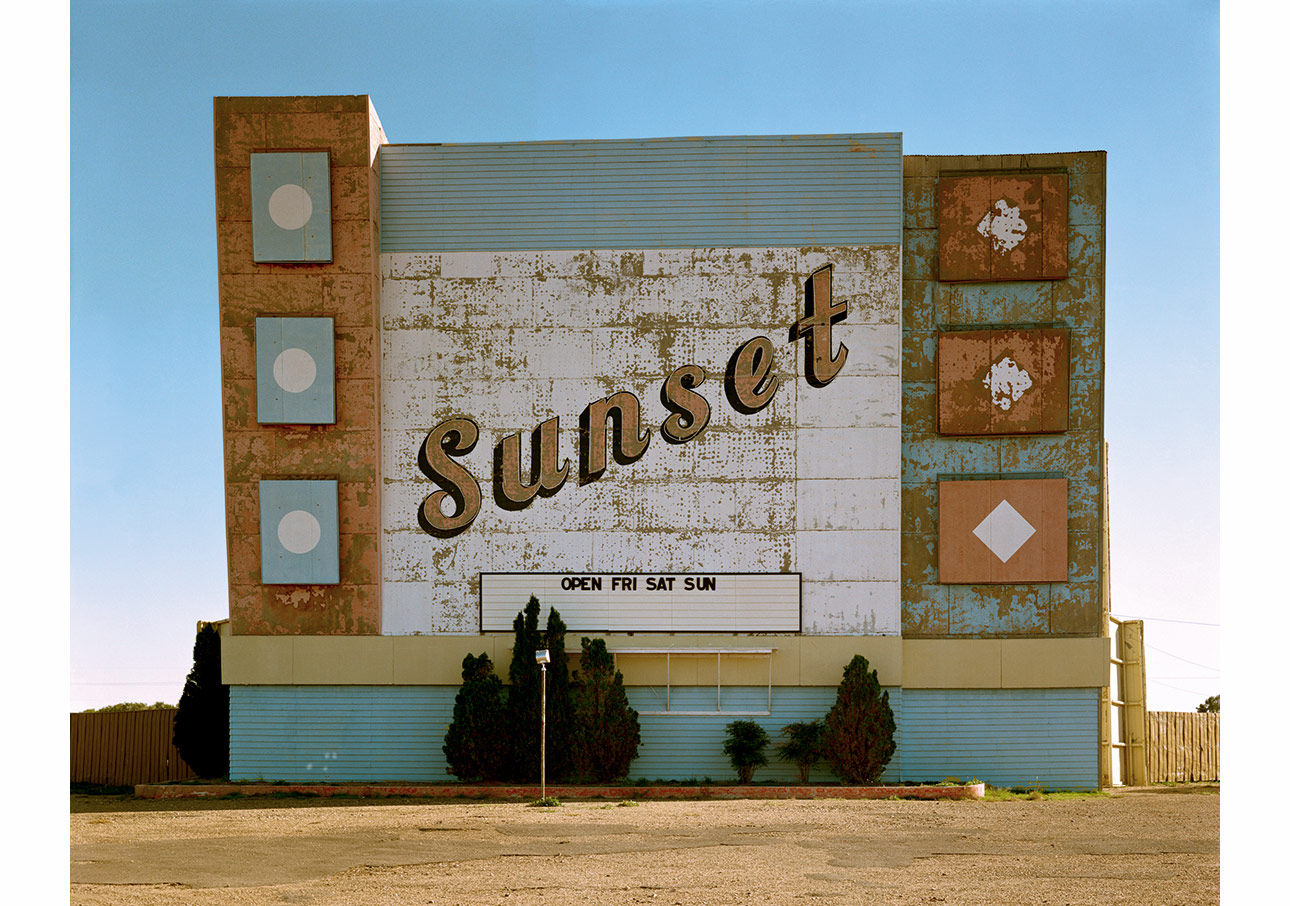
I went to the Photography Meeting in Arles for the first time in 2004 when I was Halil K.'s student as part of a large group from Turkey. The friends I met here were very supportive and offered important possibilities in the first years when I started to exhibit my work. Perhaps because of this first encounter, I have tried to go visit this festival as frequently as I could. My last visit was in 2012; this year, I was interested in a selection of magazine works by Walker Evans, the Las Vegas Studio archive and the Stephen Shore retrospective that was not so small for a town like Arles.
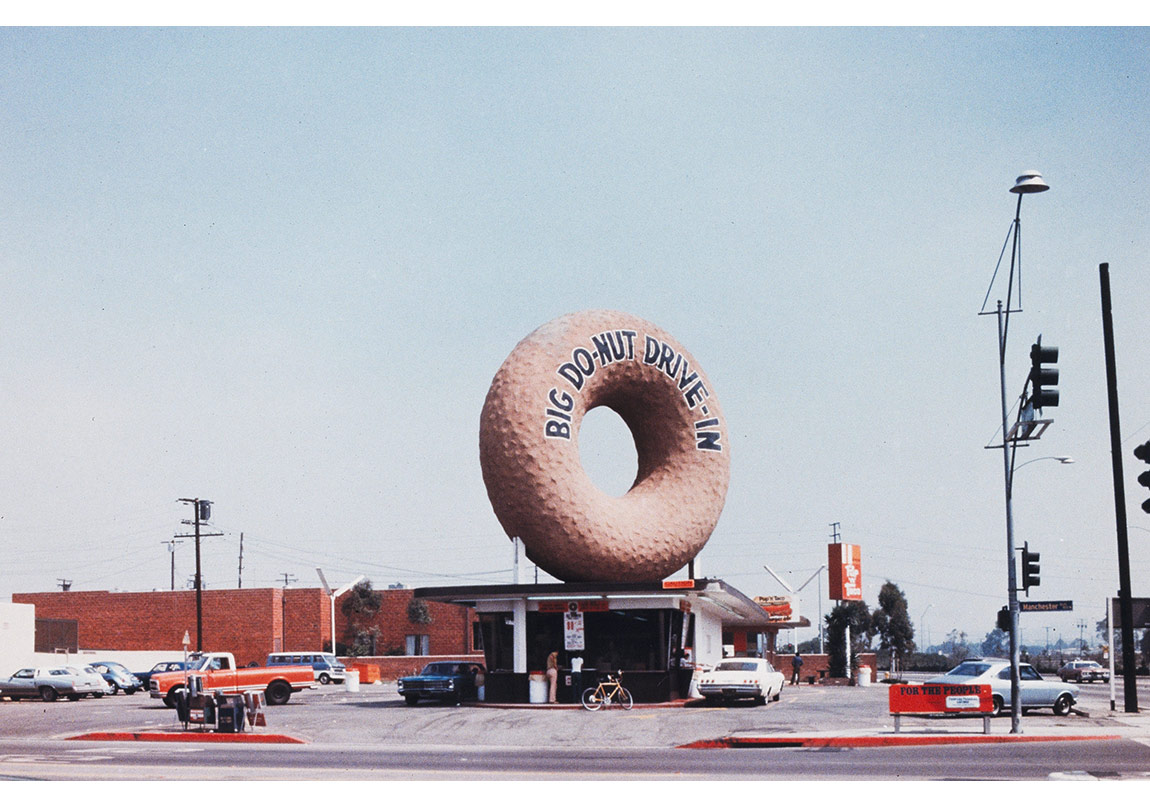
I started the first day with a talk by Shore, without having seen the exhibition. The talk with Natache Wolinski was more specific and tailored to the photography audience in contrast to the talk that he gave at SALT two years ago. Shore's exhibition at Espace Van Gogh is a tightly squeezed retrospective. The exhibition, curated by Catalan Marta Daho, who has also done research on Turkey before, brings together different series by Shore from the 1970s to 2000s in a small space. While it was very exciting to see the original prints of this photographer who uses the technical aspects of photography to serve conceptual ends, the work was not well presented in this space that was not intended for exhibitions. It was a good opportunity to get closer to this figure's work for me as a producer and teacher as it was possible to spend a lot of time at the exhibition, which was centrally located.
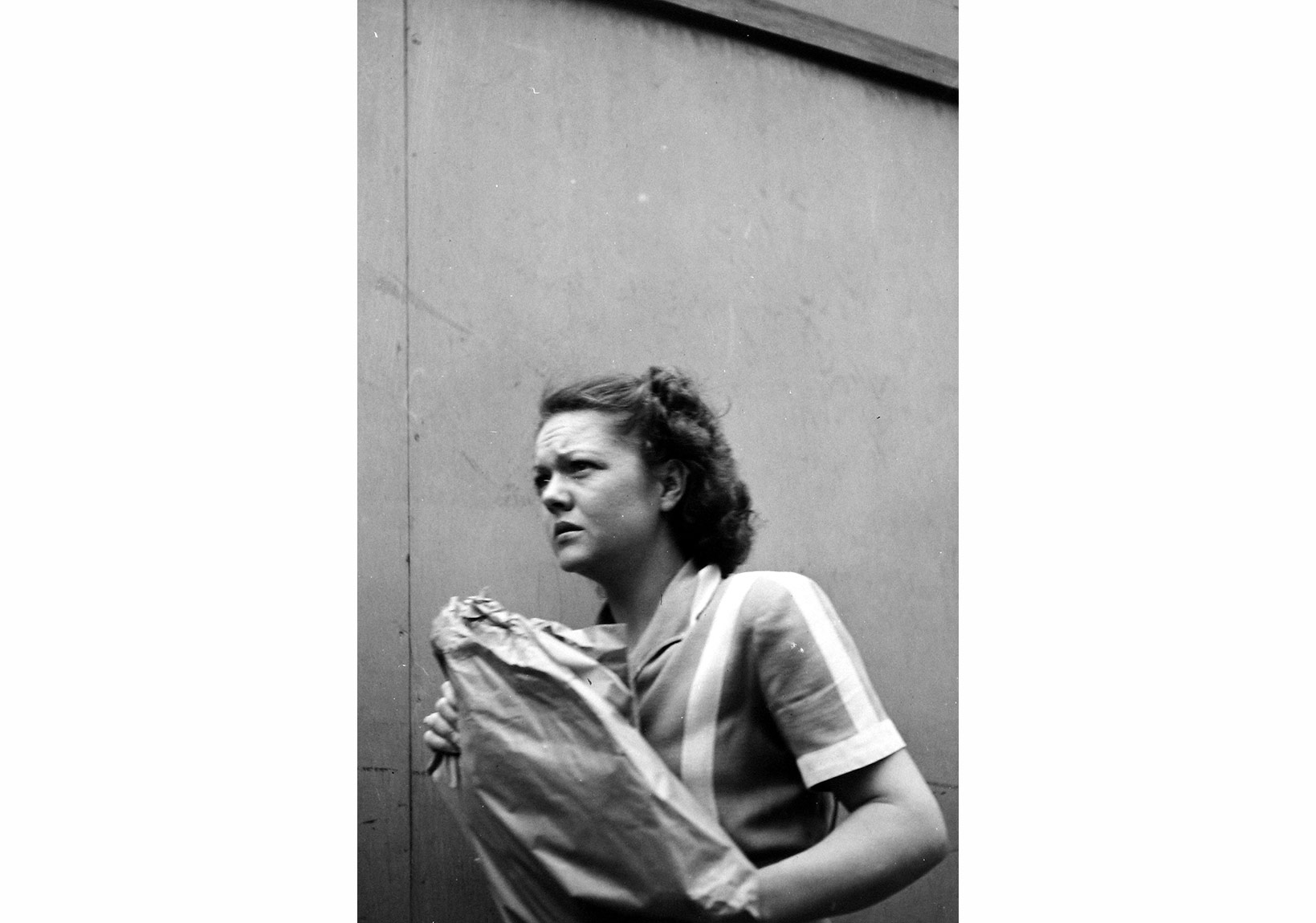
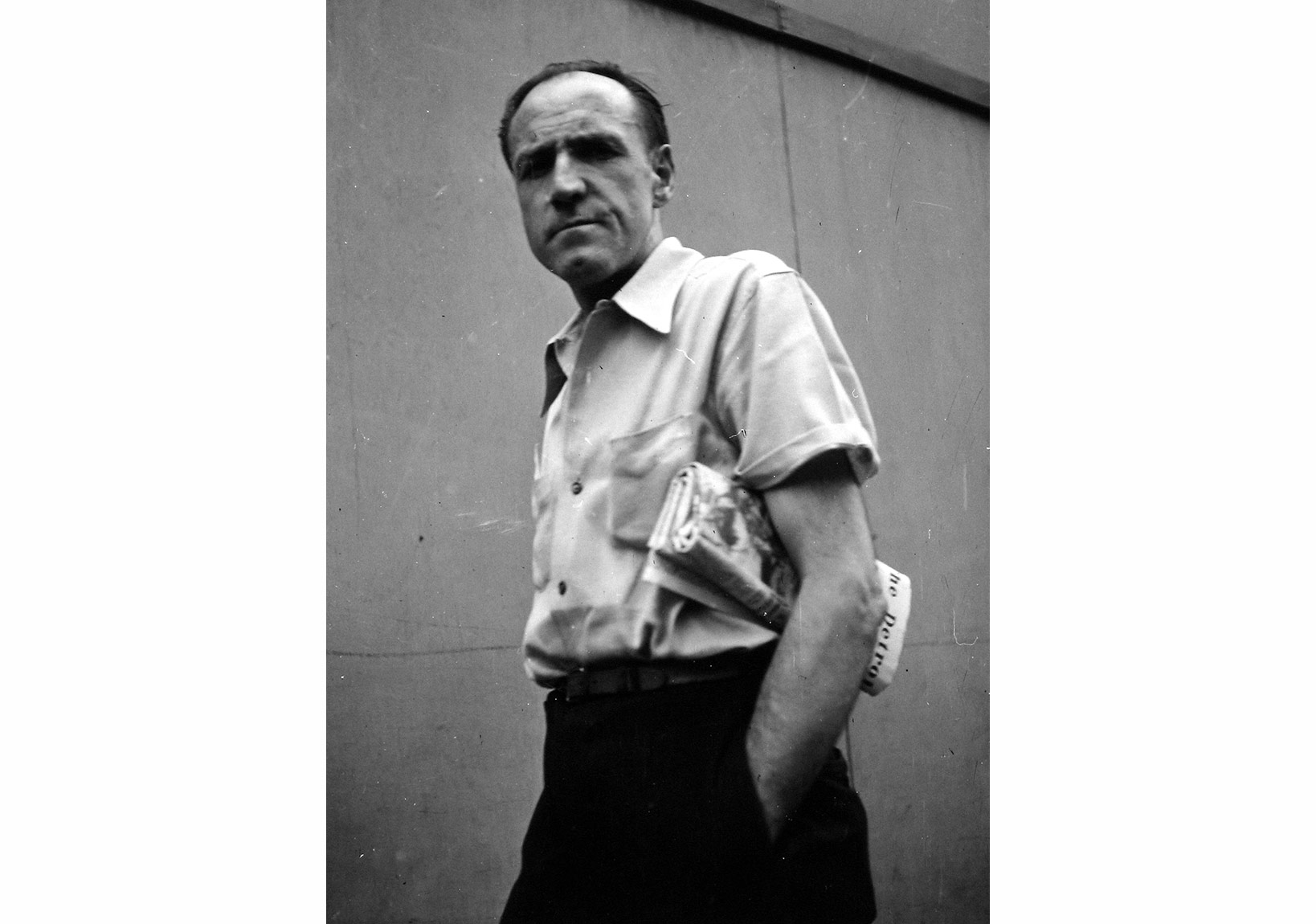
David Campany curated the other exhibition that was part of the "Rereading" section of the festival; the exhibition focused on famous series by Walker Evans and his magazine works. The talk between Campany, Shore and Evans's last assistant Jerry Thompson was meant as an introduction to the exhibition. Campany talked about how a comprehensive look on photographers like Walker Evans, who frequently worked editorially to make a living, required looking at print material including magazines. As the speakers highlighted, Evans was not only a photographer; he also authored texts that would accompany the images that he made. The photographs were accompanied with these short texts that were rich and expressive, shedding light on Evans's practice, which was located at the intersection of art as an essay and as a means of mass communication.
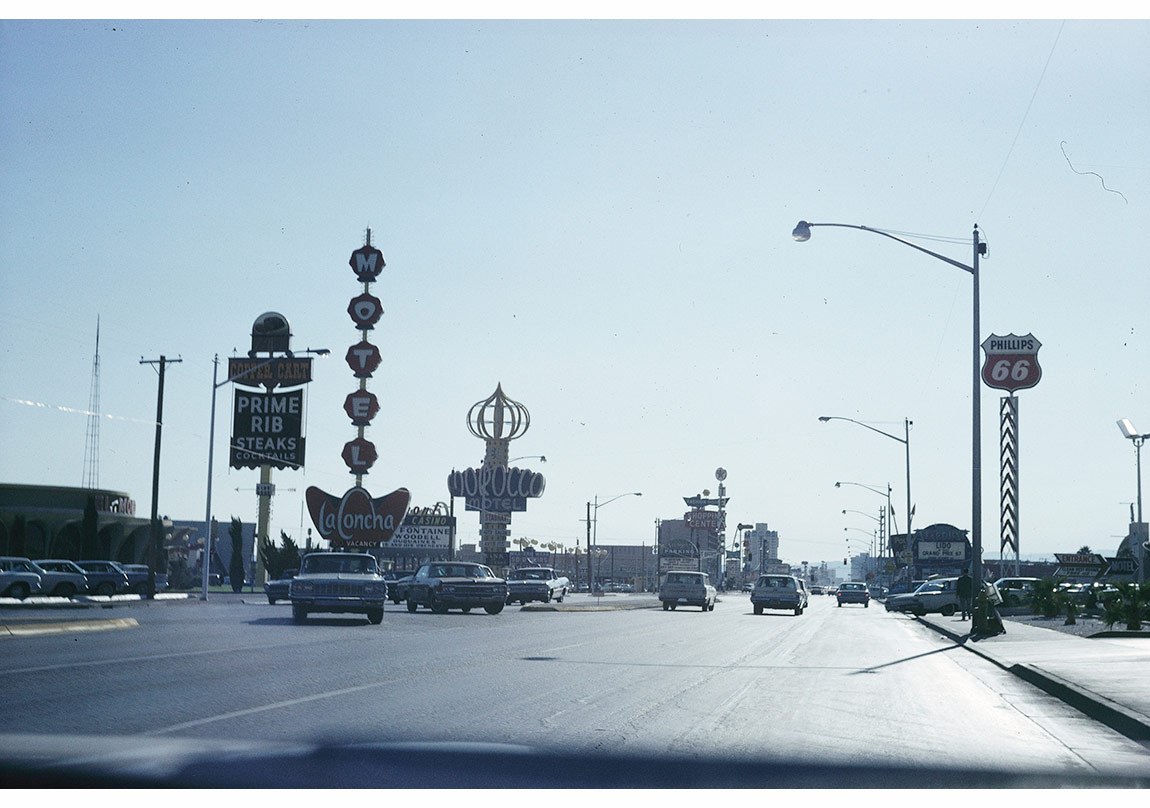
The "Resonance" section of the festival focused on the interaction between photography and other disciplines. I was lucky enough to see the exhibition made up the "Las Vegas Studio" archives of Venturi and Scott-Brown—I frequently use their work in my classes and I would be able to see this example in an alternative form. The selection for the exhibition was previously published as a book, "Learning from Las Vegas Studio", showing the background of this research that is seminal for architecture. The photographs made by a 8mm camera system that they placed on the hood of a car were included in the exhibition. The use of creative photography as a research method in architecture is a pioneering approach; this exhibition was one of the few that shows the intersection between the two disciplines.
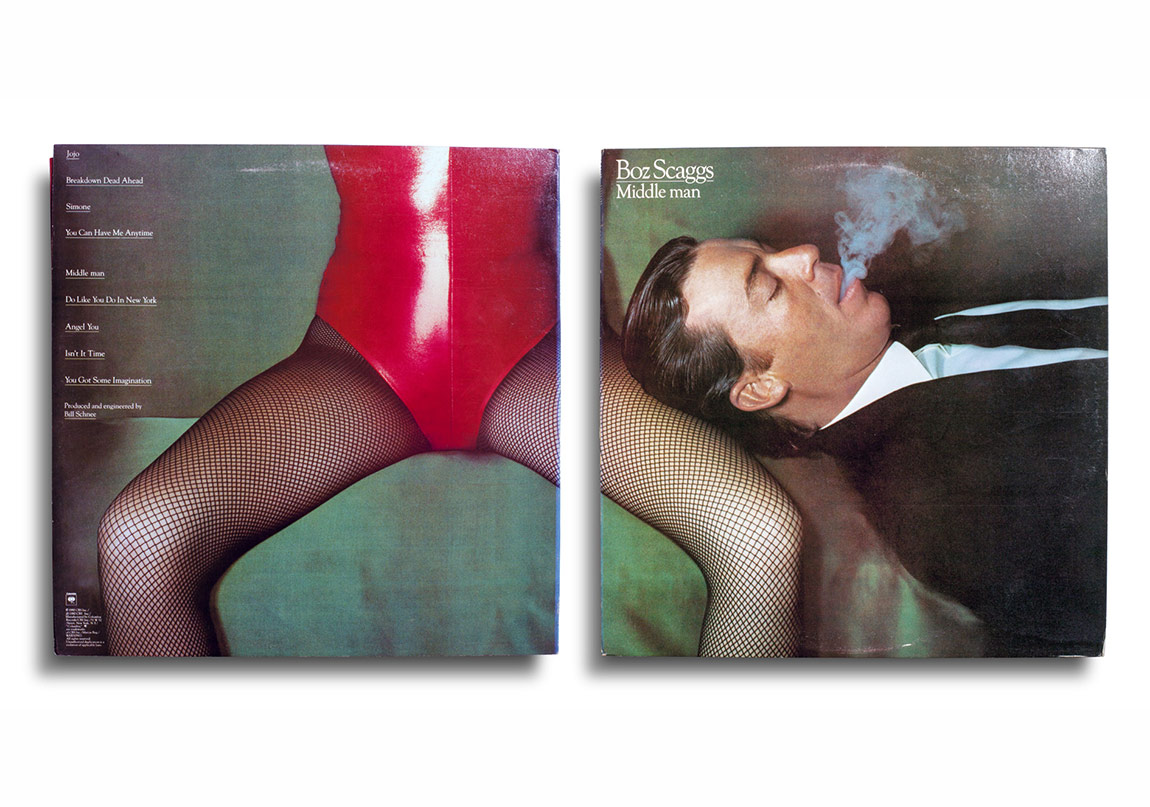
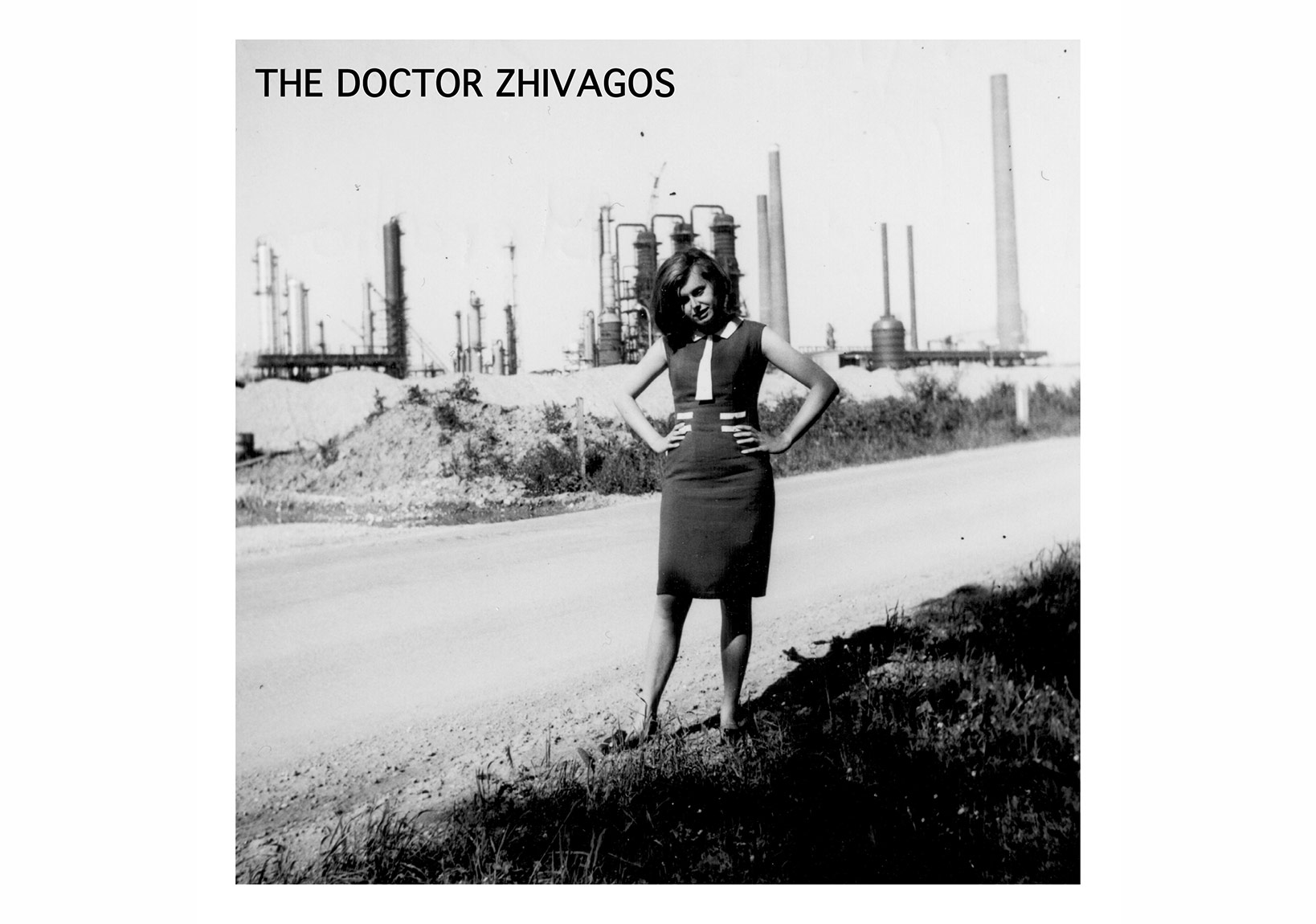
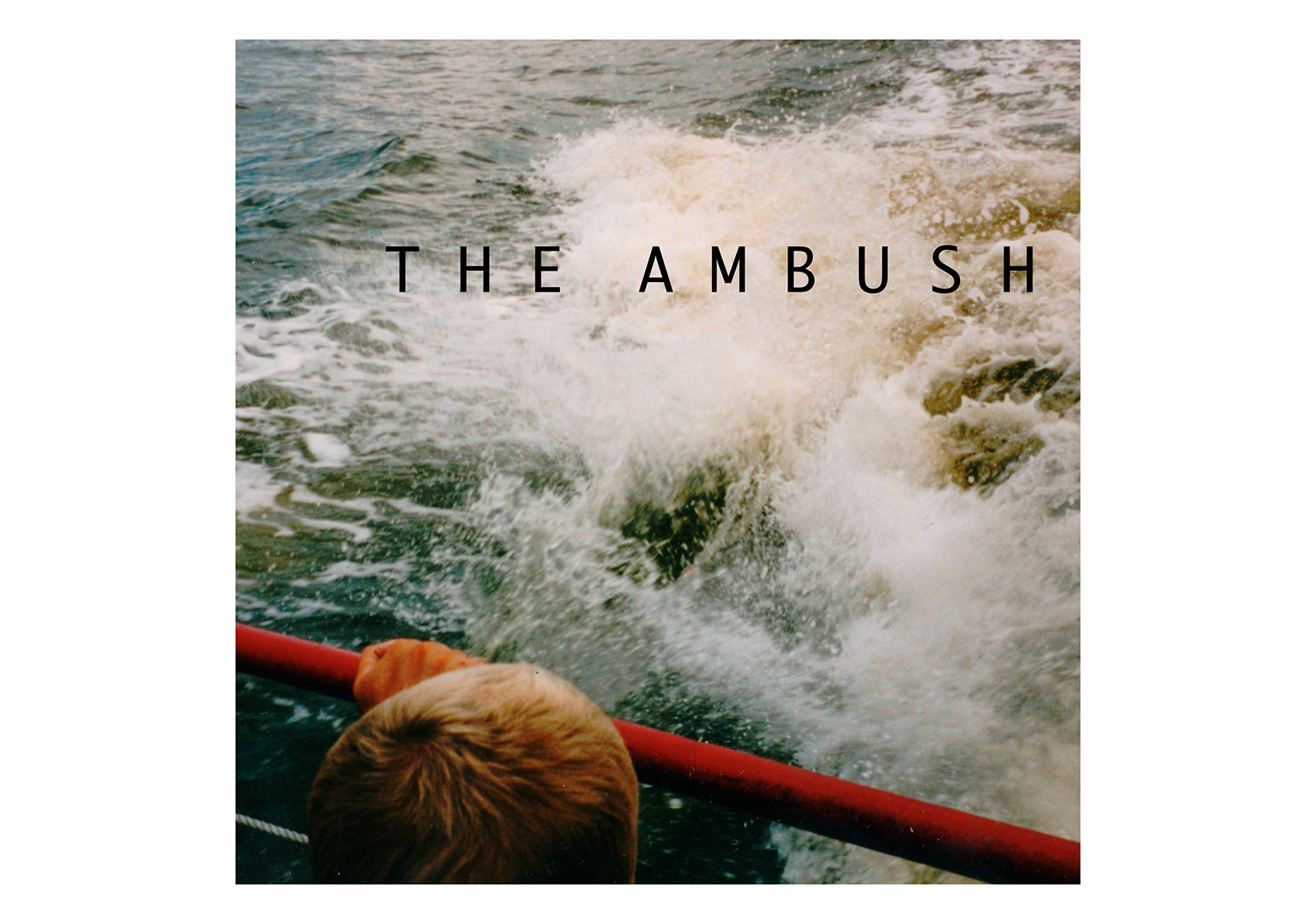
One of the two large-scale exhibitions under the "Music" theme in addition to the "Cinema" theme was the Martin Parr exhibition "MMM", selected by the famous French musician Matthieu Chedid. Although I think Parr has a genius sense of humor and lithely employs concepts, this exhibition did not give excitement me as much as I expected. On the other hand, it was enjoyable to watch the short documentaries that brought together the non-fictional stories from small towns in the UK during the talk he gave in the amphitheater on the first evening of the festival. One of the reasons I found this exhibition boring was perhaps because this was Parr's fourth exhibition in Arles in the last ten years. Even good jokes become stale after being repeated a few times. One of interesting aspects of the "MMM" exhibition was that French funding for composers and writers supported it. Another interesting section of the music exhibition was focusing on record labels. "Total Records" placed 30x30cm record labels as a medium that brought good photography to the masses, making visible the relationships between different musicians and photographers over the years was important as well.
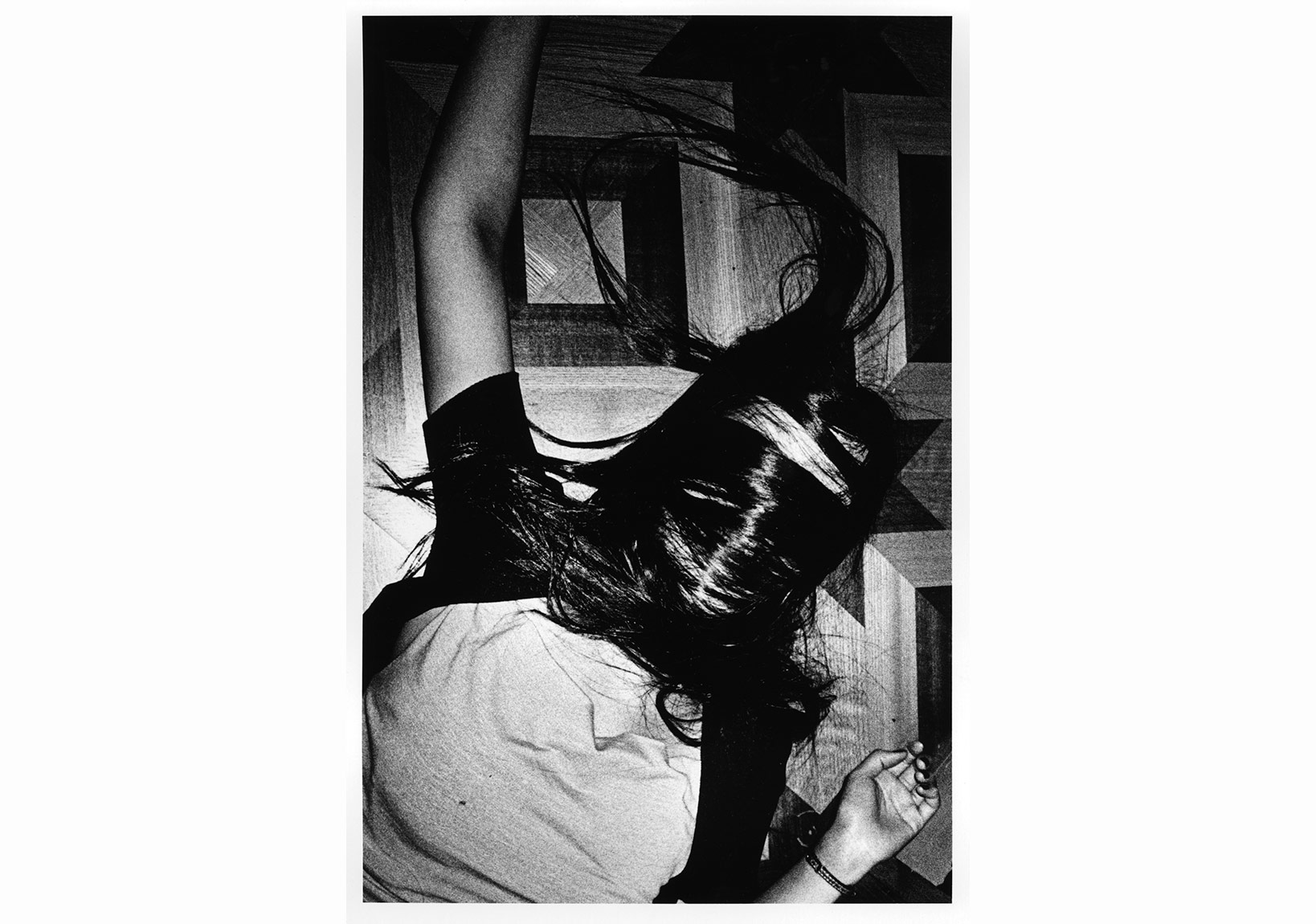
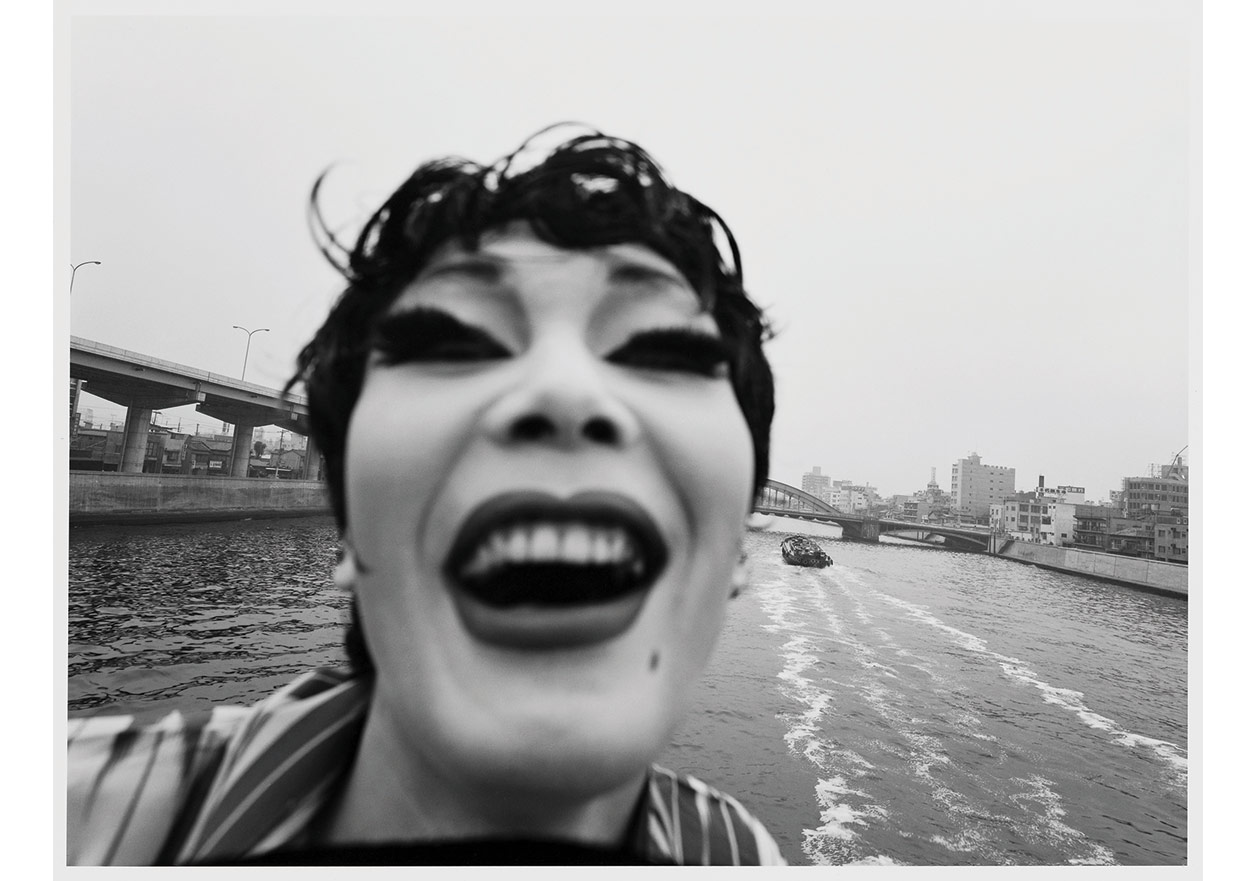
Another exhibition that should be seen in Arles is "Another Language"—Simon Baker, a curator from the photography department of Tate Modern, brought together seven photographers from Japan. It was possible to see the attitude that Baker had highlighted in his talk at the first Unseen in 2012. As a museum curator, one of his primary duties was to increase the number of visitors, he confessed. He had selected photographers who used the photographic print as a mode of expression that would not be possible on the Internet or other medium. In particular, Fukase and his follower who is increasingly visible these days, Daisuke Yokoto, utilize solarization and other alternative techniques, to produce an impressive visual language that is often hard to read—a striking aspect of the exhibition.
In addition to this, it is important to touch on the negative exhibition examples. Alex Majoli-Paolo Pellegrin's Congo exhibition was a vain example of the neocolonialist photojournalistic attitude that I had not felt so intensely since Carl De Keyzer's Congo book—this attitude is nauseating. While Galimberti and Woods's work on countries and cities that are tax-free presents an interesting story, it did not go beyond a good editorial work that did not require large prints. Discovery Award was weaker in comparison to previous years with their focus on European and American curators.
Cosmos book fair, which was a part of the festival for the second time, brought together all large and medium-scale photo-book publishers; the prints presented from some of the books and the selection were exciting. However, I could not get over this feeling that something was amiss. I think this feeling stems from a problem that I had just written about for ortaformat.org: The audience for art and photography is very narrow and while the institutions make efforts to expand this audience, they are not very successful. It is impossible not to ask the question "do only photographers buy these books?" in this field where photographers and high-level amateurs snatch up the publications. The photo-book, which is interpreted as a "boom" by those who are experts in the field, is an important and effective medium, but there is also the threat this field become more and more introverted with the limited edition numbers of medium and small-scale publishers, triggering an almost speculative trend.
Highlights of Cosmos were being able to finally acquire Gregoire Pjude Laurainne's "A perpetual season" (2014) and to meet Akina publishing house. Another happy coincidence was to be able to get Silva Bingaz's "Japan Coast" at the book signing here; I had missed the artist's book signing in Istanbul. While Filigranes publishing house had chosen a different space, Yusuf Sevinçli signed his new book "Walking." A nice detail for our readers who follow the topic of books here is that FOAM museum from Amsterdam participated in the fair with a free photocopy machine just like what Bandrolsüz did for Artinternational last year. Great minds think alike.
As can be seen from the emphasis in the title of the festival on "meeting," the most important and perhaps the nicest aspect of Arles is that it is a place to meet, to network and to meet again. Photographers, photojournalists, gallerists, curators, and publishing house owners, print experts, newspaper and magazine editors from all around Europe choose this space to meet and to have fun. This meeting has become increasingly more familiar and self-enclosed, which I'm not sure is a positive or negative thing. Similar to a little town where everybody knows each other, the handsome men, smart women, uncles, aunts, inter-familial relationships, the mad men/women, the youth who would rather migrate to different cities of the photography world and the European crowd that is almost too comfortable, are a far cry from being inspiring. You can think that in comparison to the cities that are obsessed with an unsustainable desire to grow and that a small town would be cute in comparison, but if a calcified ecosystem is happy with what is being shown, there is nothing left to be said.
;