ÖNCEKİ
21 EYLÜL, PAZARTESİ, 2015
SONRAKİ
During the press conference on September 1st for the Zero exhibition at S.Ü. Sakıp Sabancı Museum, Dr. Nazan Ölçer finished her talk with the words of the founders of Zero: "I hope Zero heals everybody."
The young artists of ZERO, who came together to create a new future in the difficult years that followed World War II, started their journey with an optimistic and avant-garde spirit that sought new and unprecedented means with which to make art. While the conditions of the era they were in were difficult, their artistic productions were dazzling and emanated optimism.
Opening through the collaboration between S.Ü. Sakıp Sabancı Museum (SSM) and Akbank Sanat, ZERO, with its innovative and dynamic spirit and the largest international art network of the 20th century, is unarguably the best exhibition that of this season in Istanbul. It is good, because this is the first time that we are able to access such a comprehensive body of knowledge in Turkey about a movement that is still influential today. Nobody talked about Zero, which was active between the years 1957 and 1967, for a long time. Zero manifesto started with Zero is silence. Is this why? I'm not sure, but the exhibitions across the world in different countries have disrupted Zero's silence. The Zero exhibitions opening last year at the Guggenheim in New York and this year at Berlin's Martin-Gropius-Bau and Amsterdam Stedelijk Museum enabled the contemporary art world to learn about and to discover Zero. The exhibition opens in Istanbul after New York, Berlin, and Amsterdam, marking with bold lines the importance of ZERO within art history and its impact on today's art.
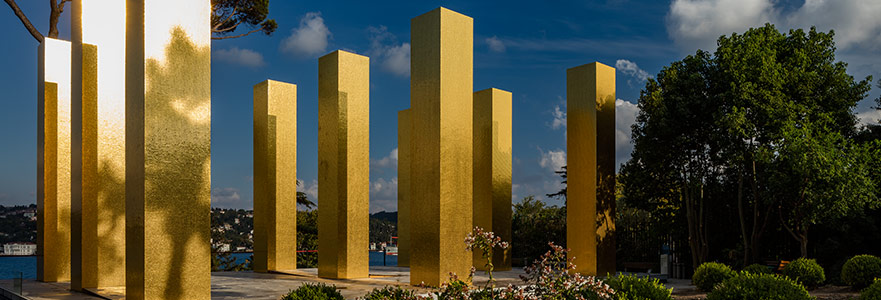
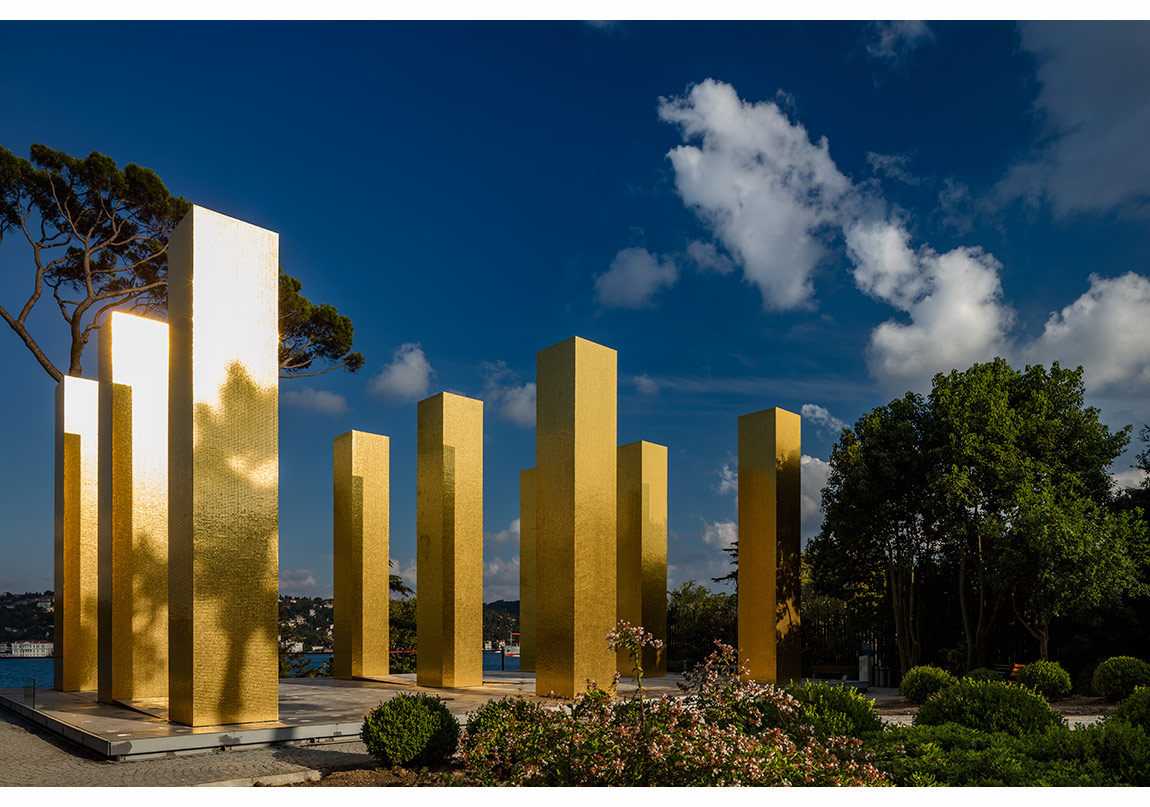
Yes, this exhibition will be good for everybody, because it is beautiful! When you look at the works or when you walk through the exhibition, the free spirit of the avant-garde artists grasp your soul and you are thrown far away, kidnapped by the light games, the depth of the forms, the hypnosis of the vibration. The countdown inside you continues in the garden of SSM. "The Sky Over Nine Columns" by Heinz Mack who is one of the founders of the movement was exhibited at the Venice Architectural Biennial last year, reaching to the sky in all its magnificence. The nine columns that build a connection between the soil and the sky are covered with golden mosaics, using light as a performance tool, looking over to Istanbul from SSM's terrace with pistachio trees. Reminding the viewers of the definitive role of the column in architectural history, these nine columns offer golden readings of the changing face of Istanbul.
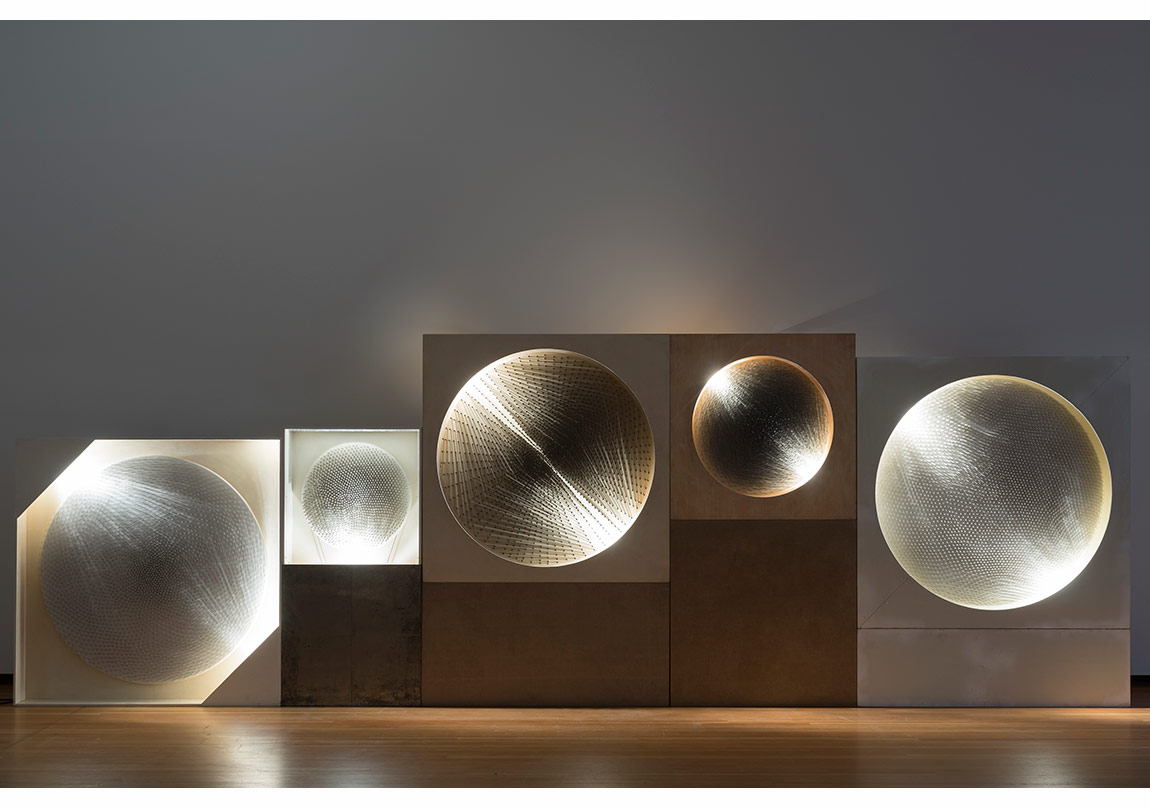
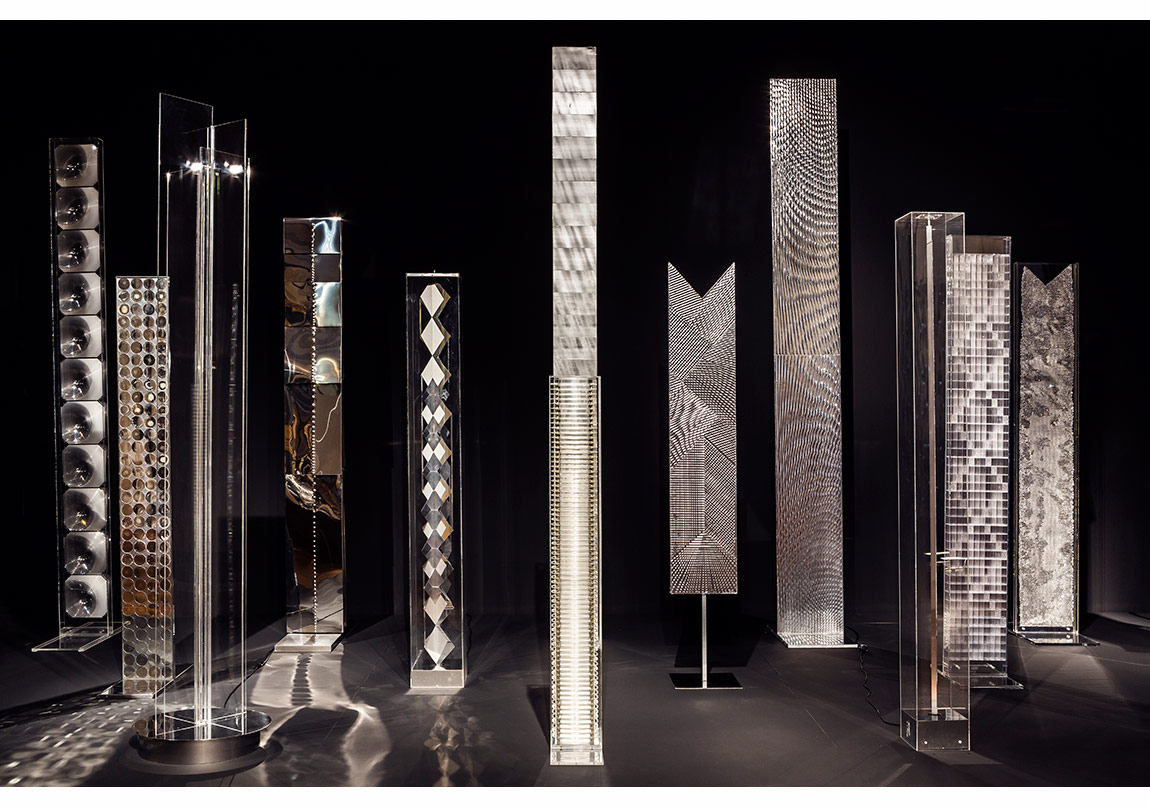
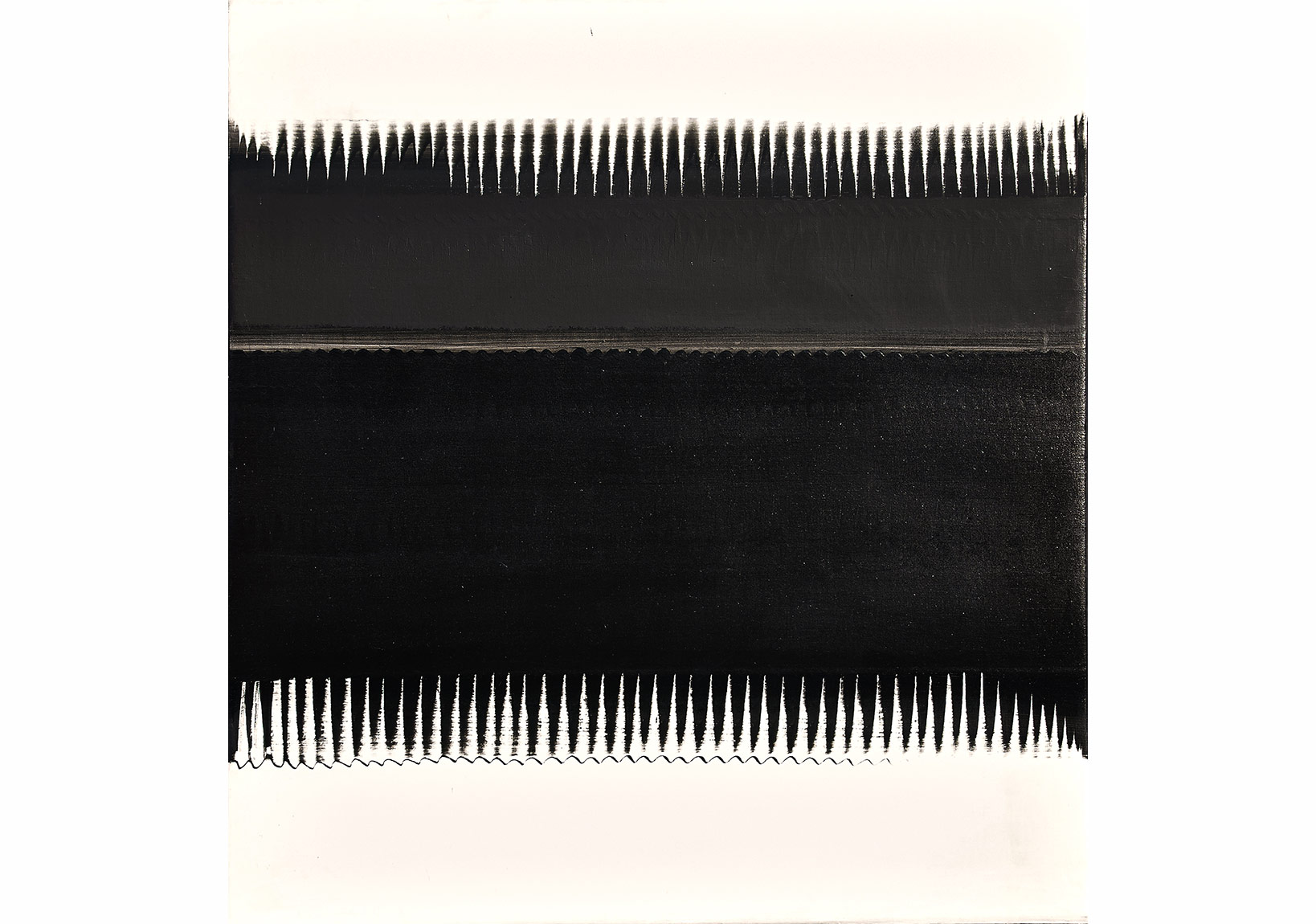
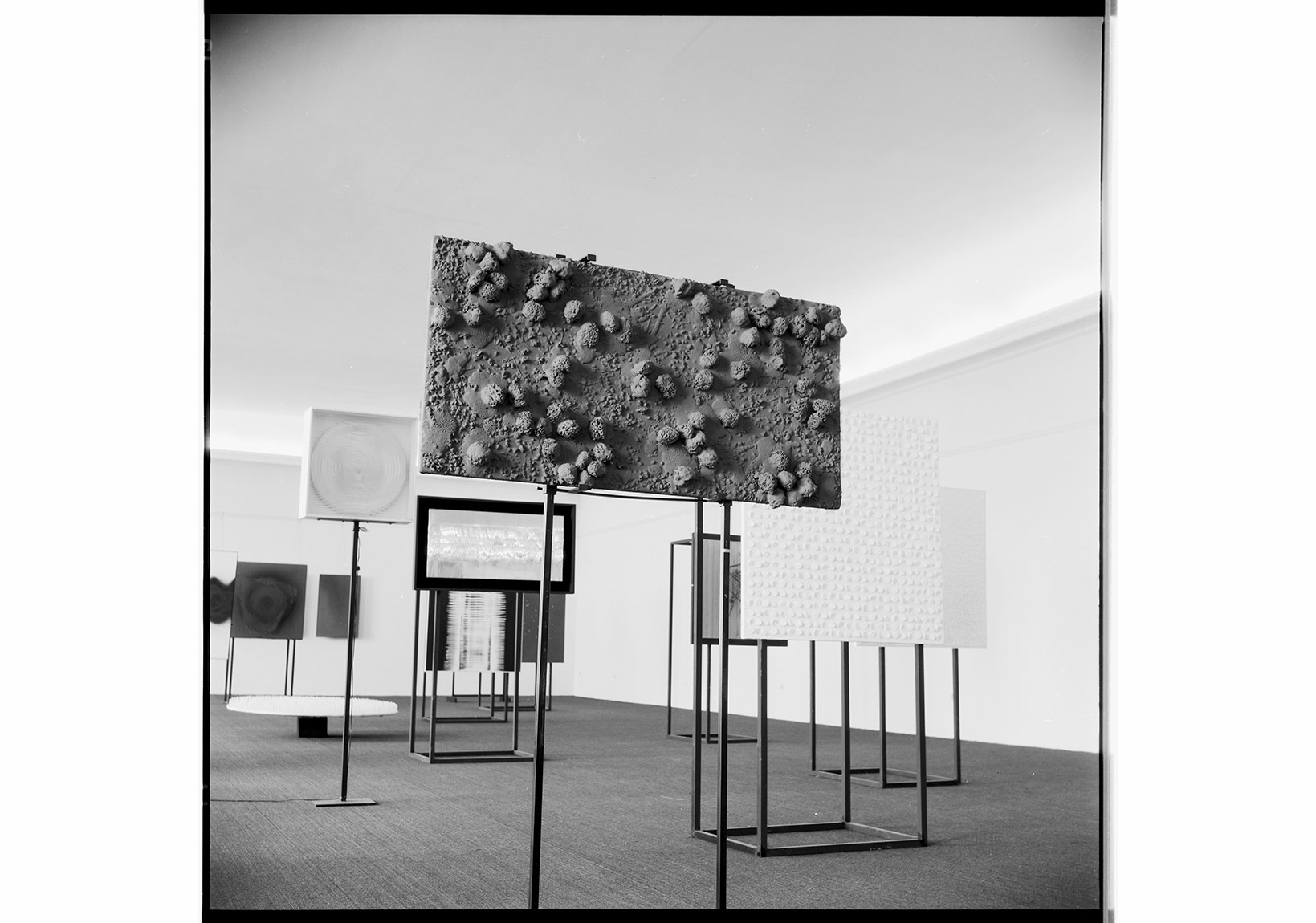
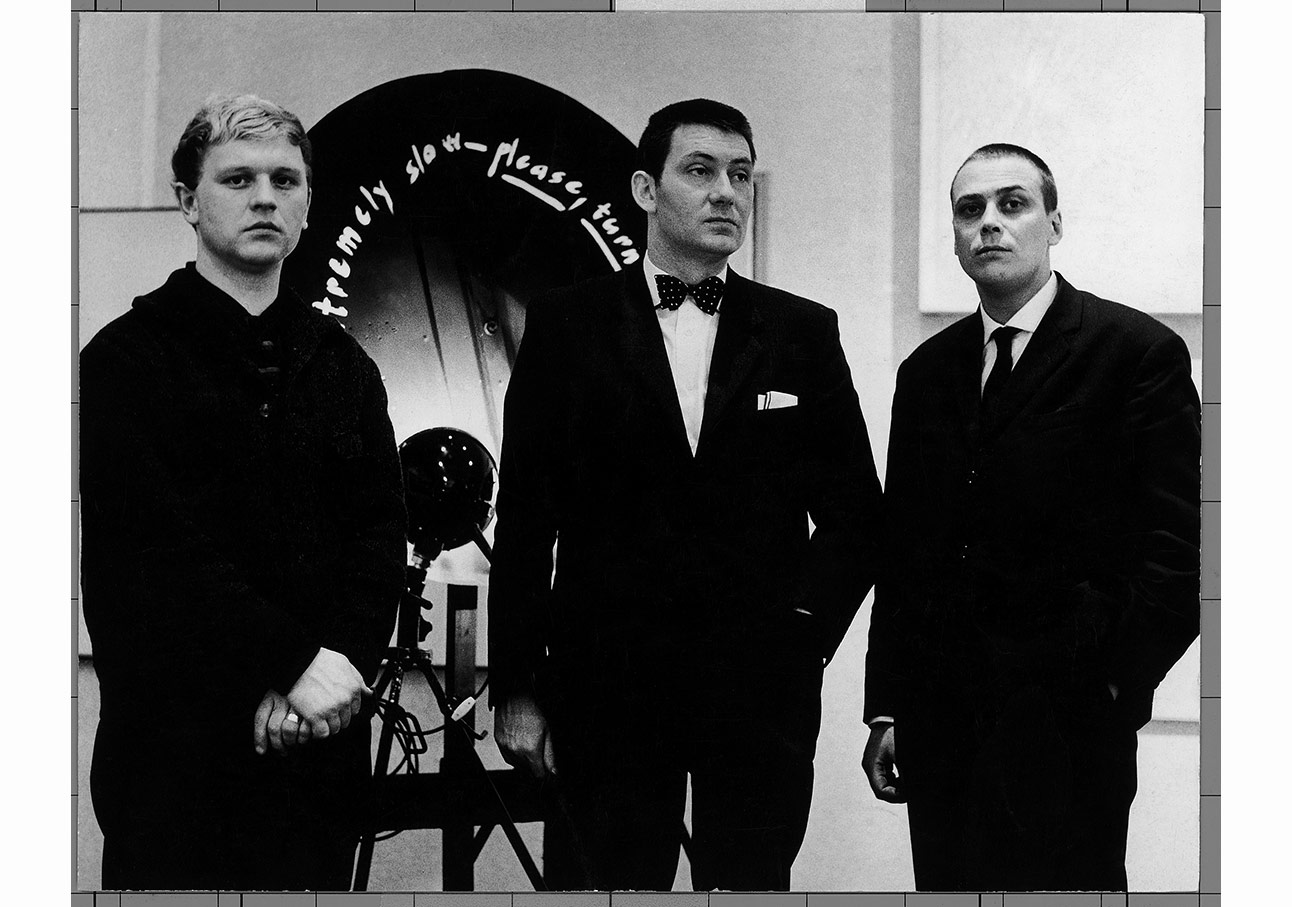
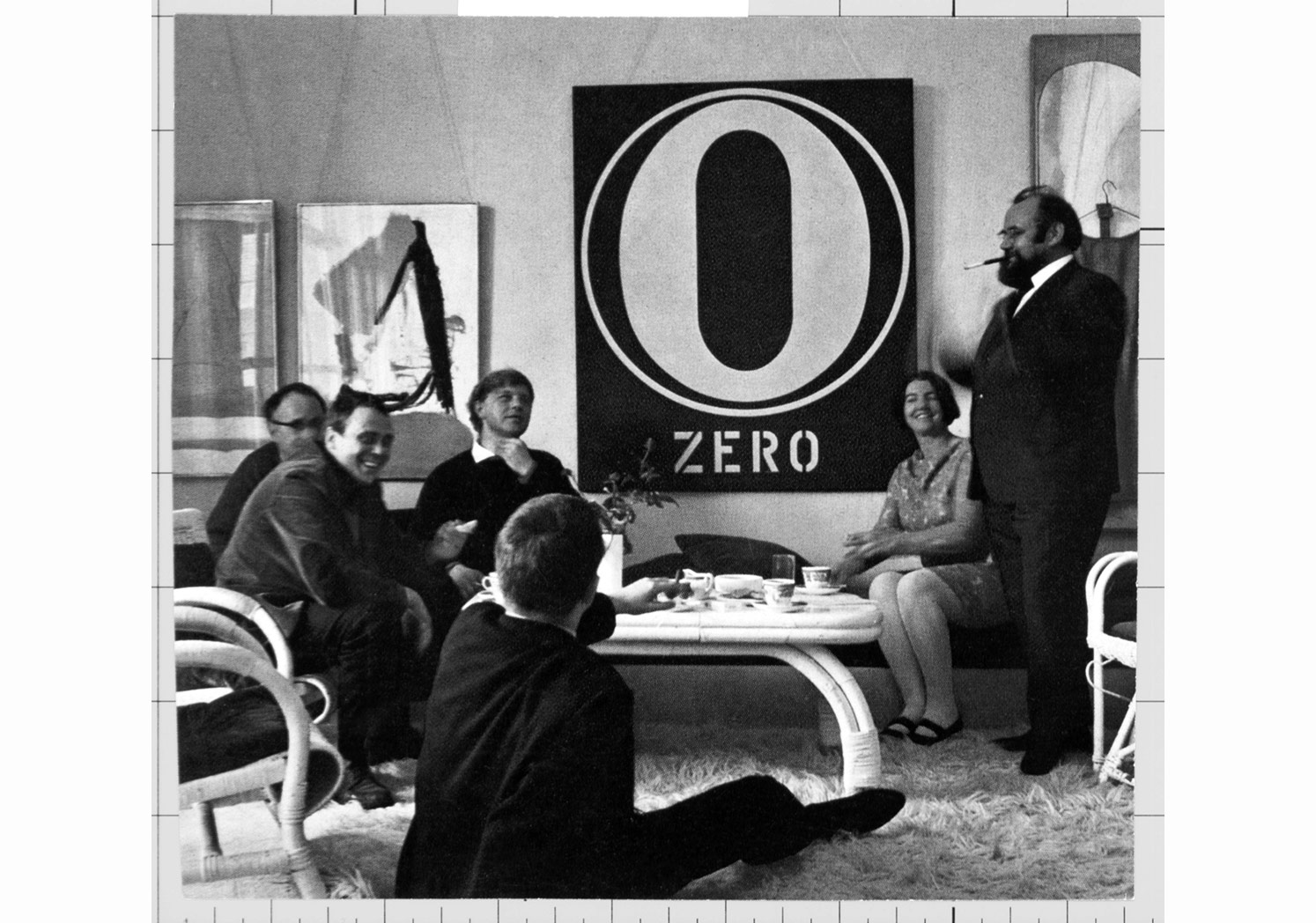
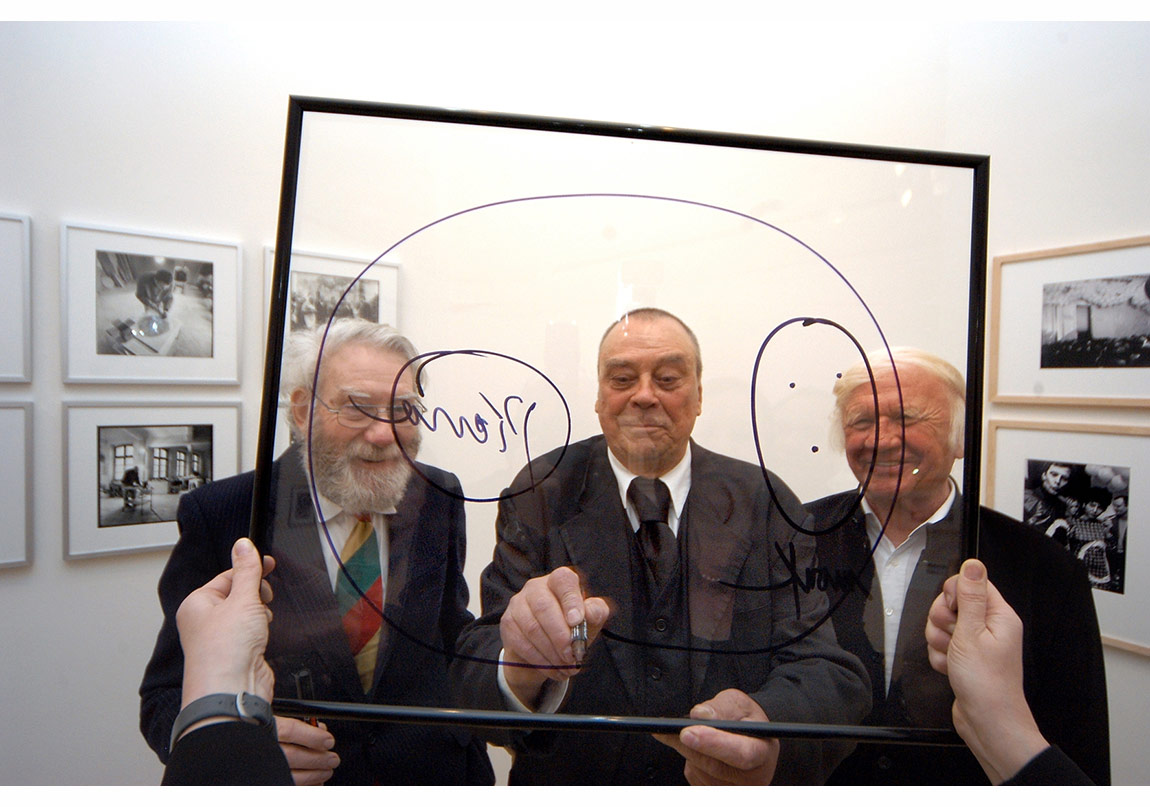
The curator of the exhibition is the Founding Director of the ZERO Foundation, Mattjis Visser. The curator formulated the exhibition around the themes of Light, Time, Void, Color and Movement. Heinz Mack, Otto Piene, Günther Uecker, who are founders of the ZERO movement, are in the exhibition with works using different techniques and materials; artists who were part of the movement and who inspired the movement such as Yves Klein, Piero Manzoni and Lucio Fontana are also included in the exhibition. Over a 100 works in which ZERO artists combined nature and technology will be enough to disperse the gloominess that have set over the eyes and spirits of the Istanbul viewers.
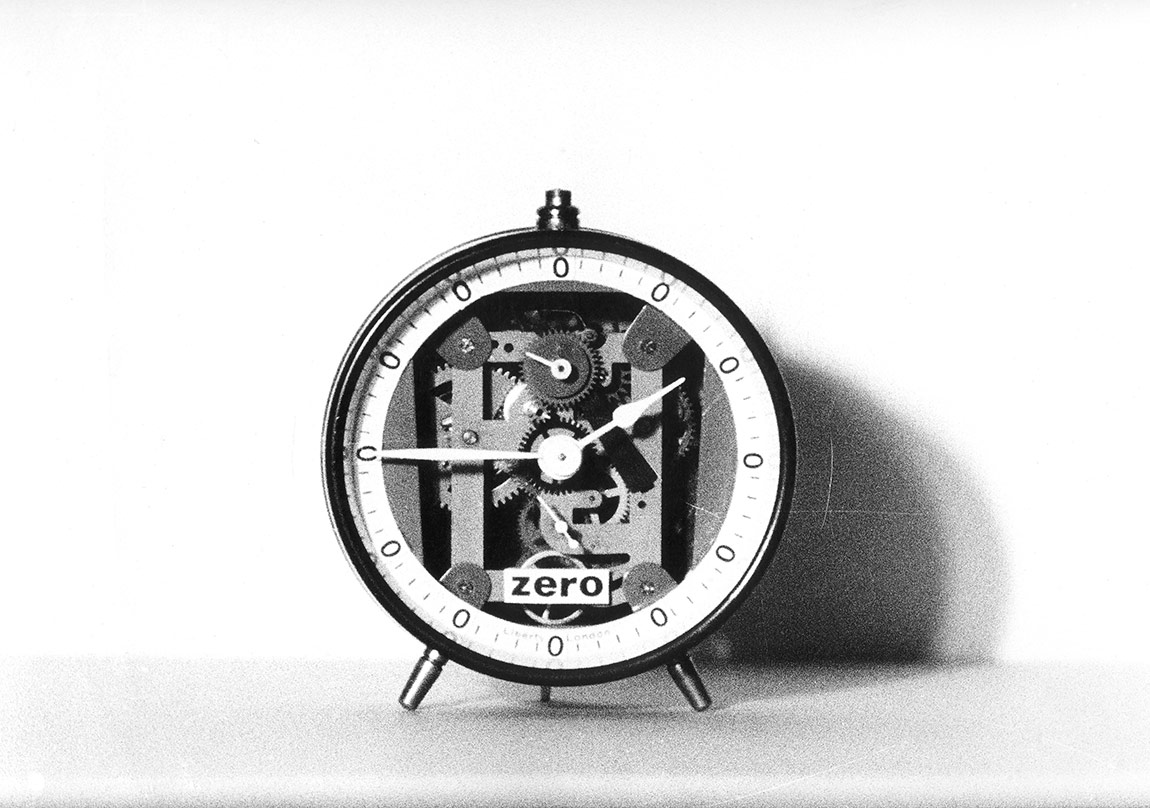
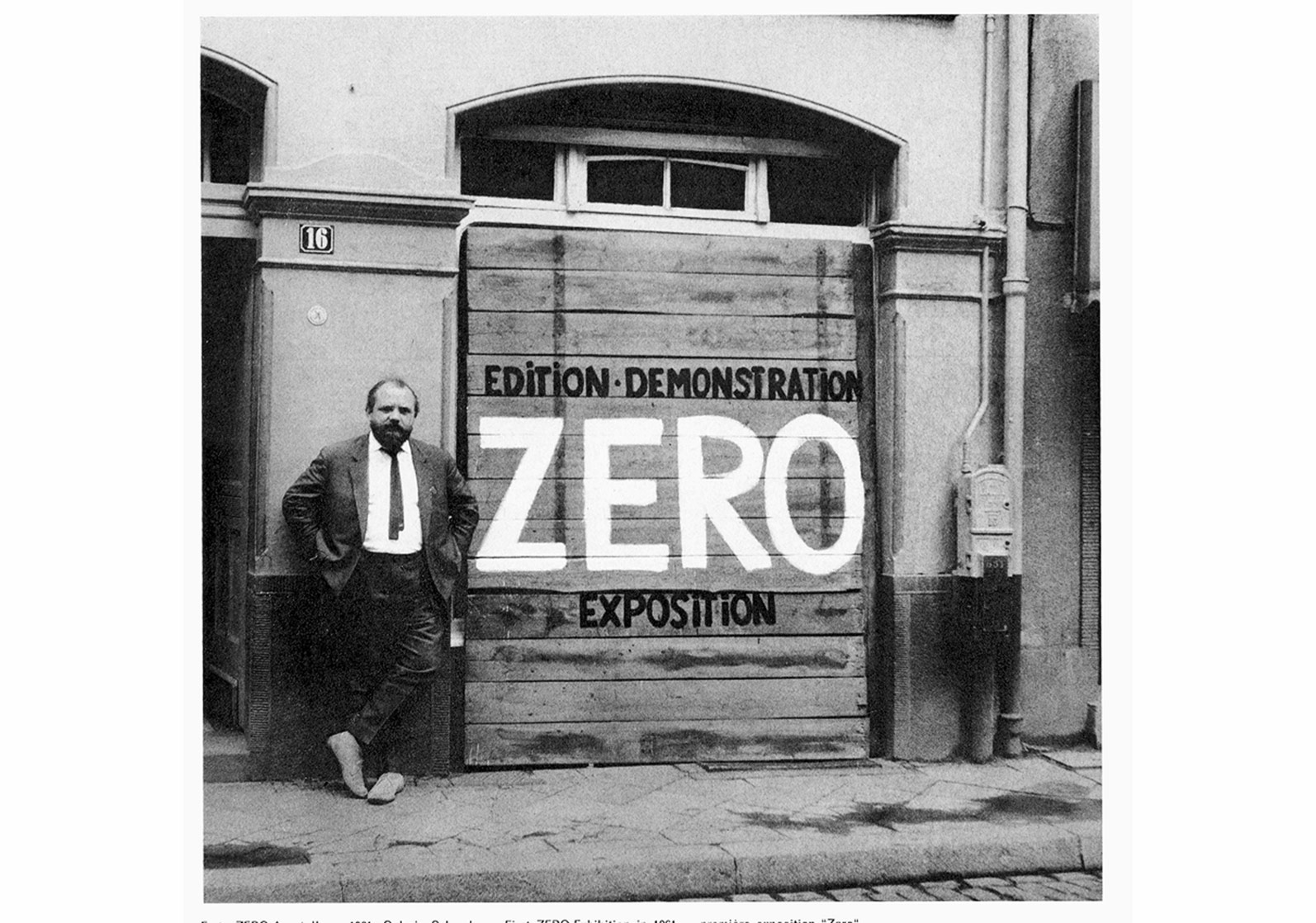
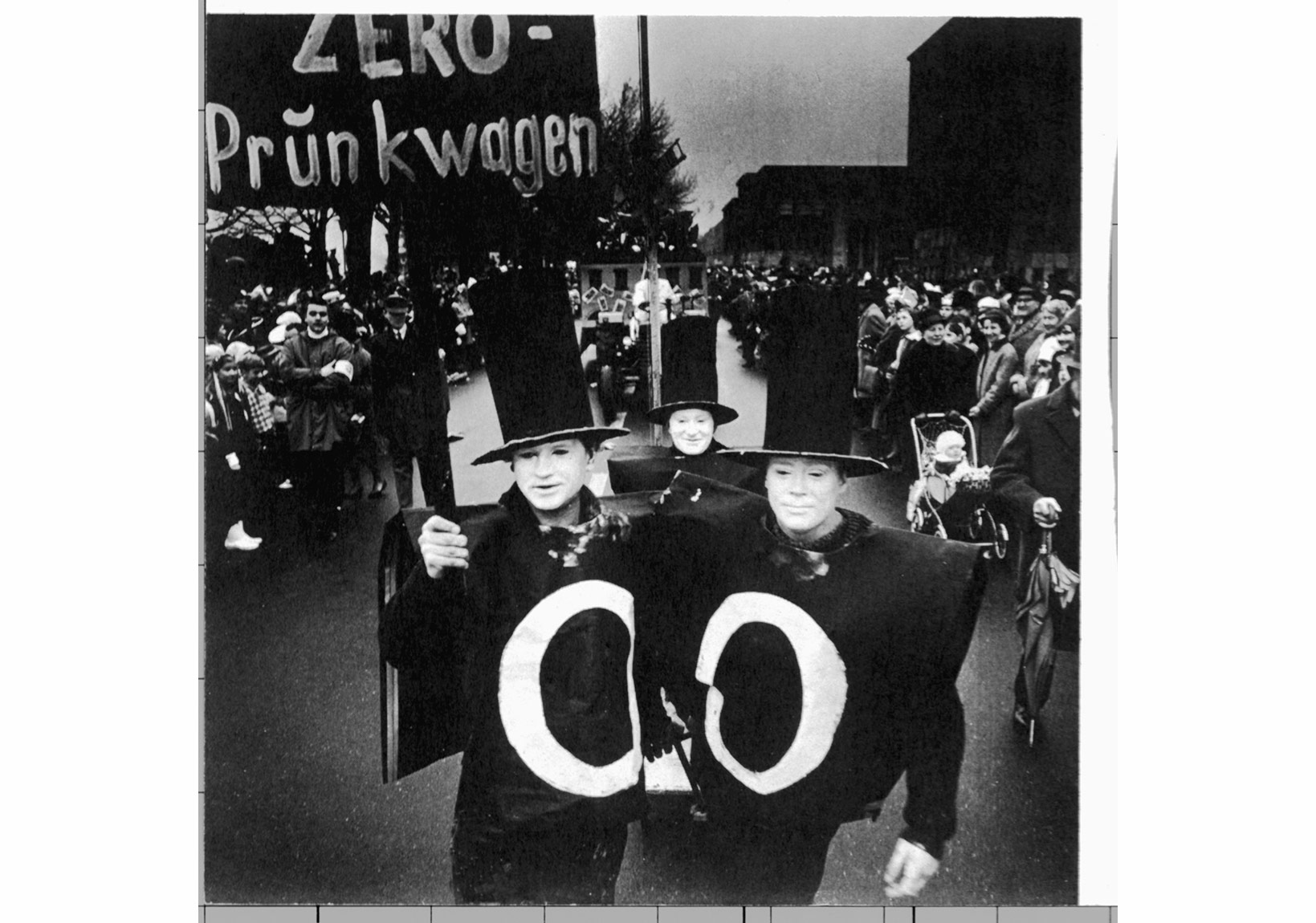
In the words of Otto Piene, who is one of the founders of ZERO after World War II, ZERO began as a journey from Dusseldorf, in which "a group of young artists who did not belong to an organization" did not only call their journey Zero, but also dusted the past, starting a countdown to the future. ZERO derived its name from the countdown before a rocket launch. As can be seen in their manifesto, Zero was a beginning. Zero was silence. Zero was color. Zero was beautiful. Zero was sound. ZERO was a movement that emanated from studios to galleries and consequently to museums between the years 1957 and 1967, after the war that ended in 1945. ZERO was evening exhibitions. ZERO was studios in ruins.
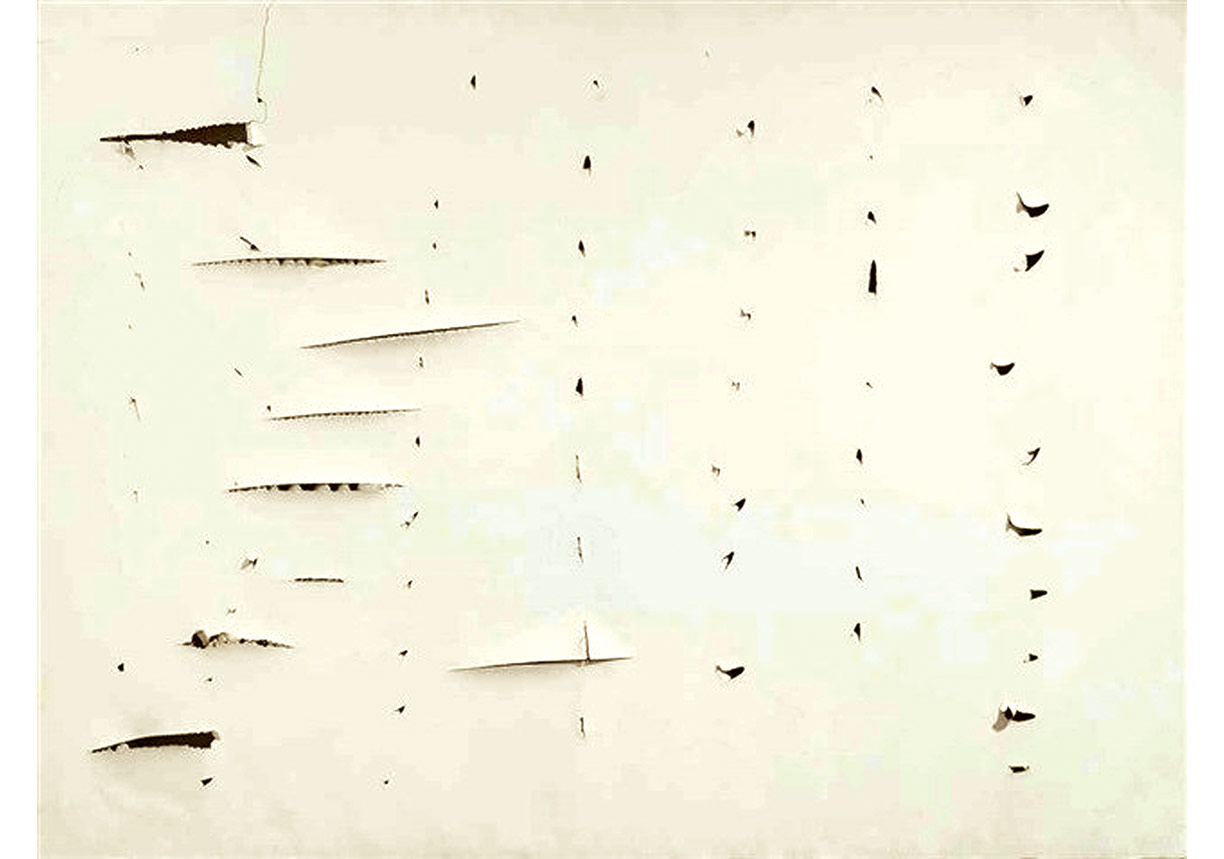
As the hopelessness and pessimism emanating from the destruction of war in Europe were left behind and new beginnings were instigated, ZERO had become the beginning of a new era in art history, abandoning old principles and rules. European art had presented abstract expressionism, formed by rebellious gestures, as a counter point to the repressive experience of war; with Zero, a whole new path was taken. This time, light and movement was a new path to start resetting everything to zero. The white surfaces that countered all those colors, the dominance of a single color, light, movement, and sound produced an unconventional language with a new form and images. Zero spread from Dusseldorf to the Netherlands, Belgium, France, Italy and Japan in waves, making possible a journey transcending borders and temporalities. The future reached by the countdown of Zero made yesterday visible today through tears, slits, nails, vibrations, pigments, light and sound, which were unconventional and surprising choices in material and gestures. The point of zero created by Zero was the bold beginning of a freedom that would be sustained across continents. Of course while winking at Dada.
Zero is not a theory developed based on a thought; it was a result where fire, light, movement, extensions, color, exhibitions and performances converged through the efforts of artists who contemplated on artistic production. ZERO existed to be beautiful and to be well. While it seems unavoidable that such a movement emerged in parallel to the scientific and technological developments, Zero combined what it had with the dream of building the world anew. Thus, the results that emerged seemed to throw the viewers into a poetic dream that was supported by science and technology.
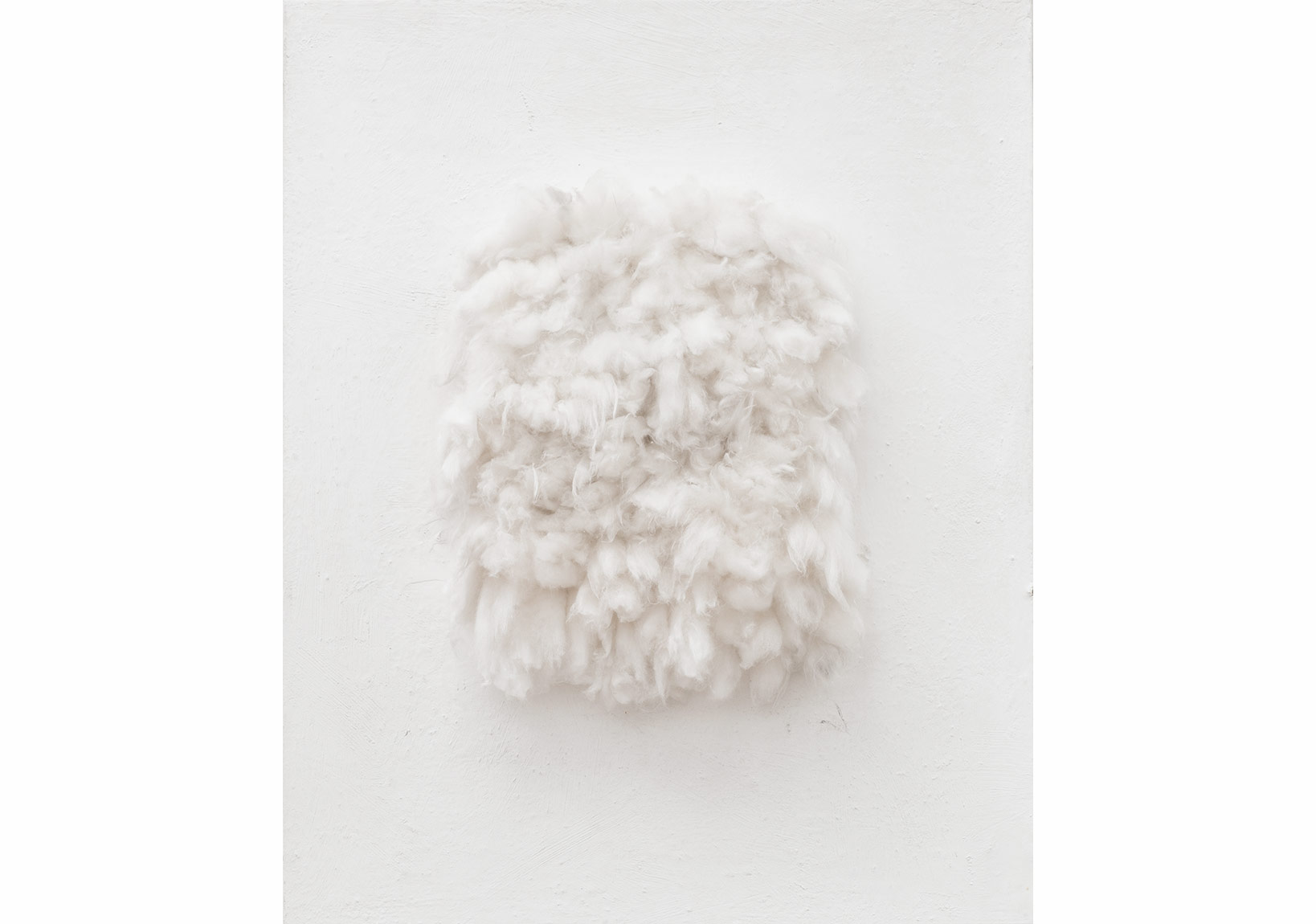
Zero artists discovered new methods and media by staying away from traditional production such as sculpture and painting. As they made their way away from the paint, they moved from the brush to the nail, from the painted surface to the burnt surface, making optimistic declarations about the earth. And of course, the viewers went through the surprising statements of the Zero artists and they were able to touch these statements.
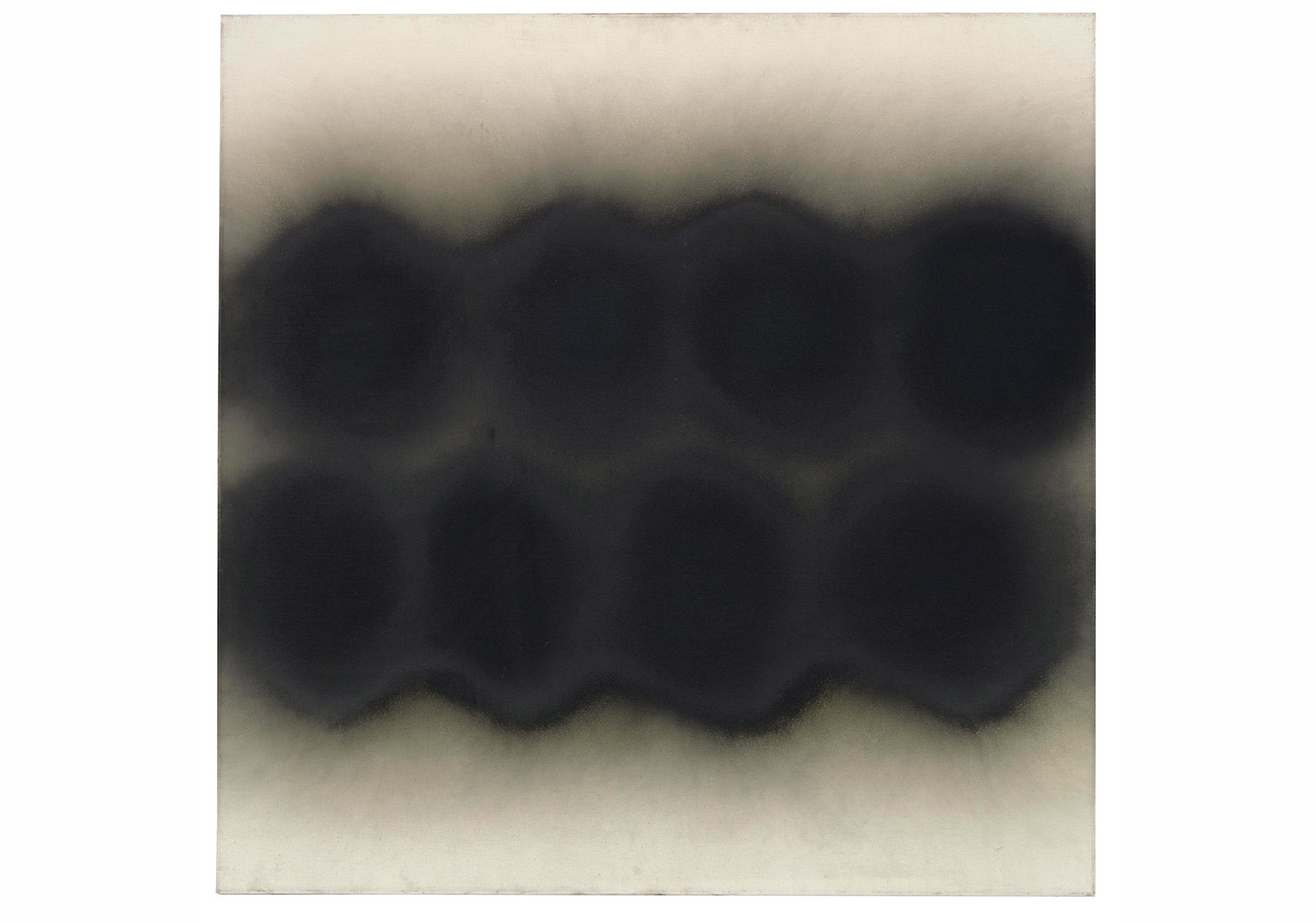
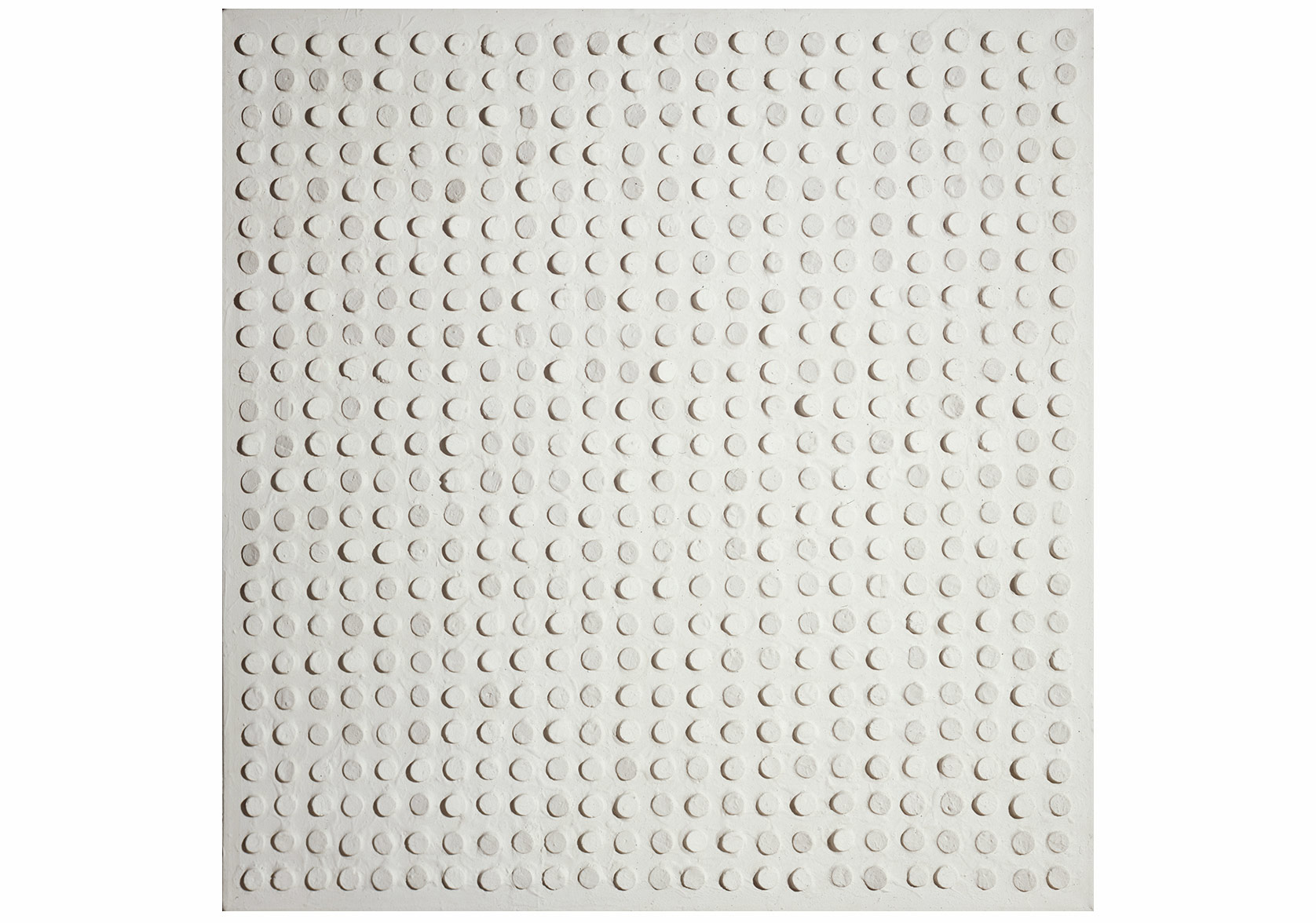
Zero artists, who produced for ten years against the overflowing and spreading spirit of abstract expressionism, talk about what they have accumulated inside through their interventions on various surfaces. Otto Pienne's foggy canvases, Günter Uecker's nails and Lucio Fontana's cuts were vibrations that spread in waves from the movement. Color existed as an archetypal discourse, just like it was in Yves Klein's works.
Heinz Mack, Otto Piene, and Günter Uecker have narrated lightness and darkness in different forms, through an optimistic lens and with various games of light. And according to Otto Piene, light, for ZERO, was testament to the unshakeable faith that both people and art works are sources of life. And the movement was a situation that existed by itself within the flow of ZERO, sometimes through electricity and sometimes through vibrations and reflection within the frameworks of other themes.
Heinz Mack declares that Zero was finished in the last exhibition in 1967. Did the countdown reach zero? It appears that the impact of ZERO continues in art history with vibrations. What we see today at the SSM is evidence of the timelessness of this vibration.
The ZERO movement began with the offer by Otto Piene and Heinz Mack to "shed pessimism and to start everything from zero", then joined by Günther Uecker, belonged to the now as we saw through the works presented at the SSM. Otto Piene's "Inflated Objects," which one suddenly encounters at ZERO, might suddenly throw you into the world of colorful stars, making you forget about your loneliness between the artificial and the real. Or, Heinz Mack's "Curtain of Light Extended" might hypnotize you with the magic of the light and vibrations that emanate from the aluminum strips, getting rid of all the things that surround you. ZERO is a beautiful exhibition that helps heal us in the dark days. Going back to zero might be good for everybody. January 10th is the last day to see the exhibition.
;