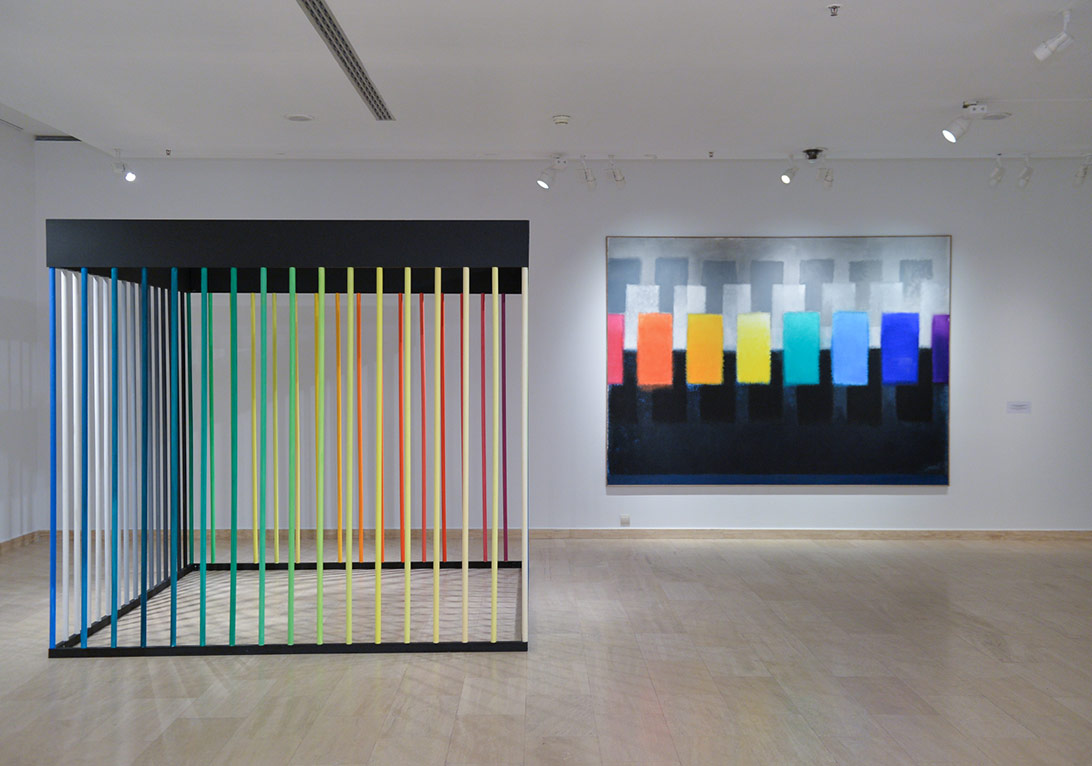
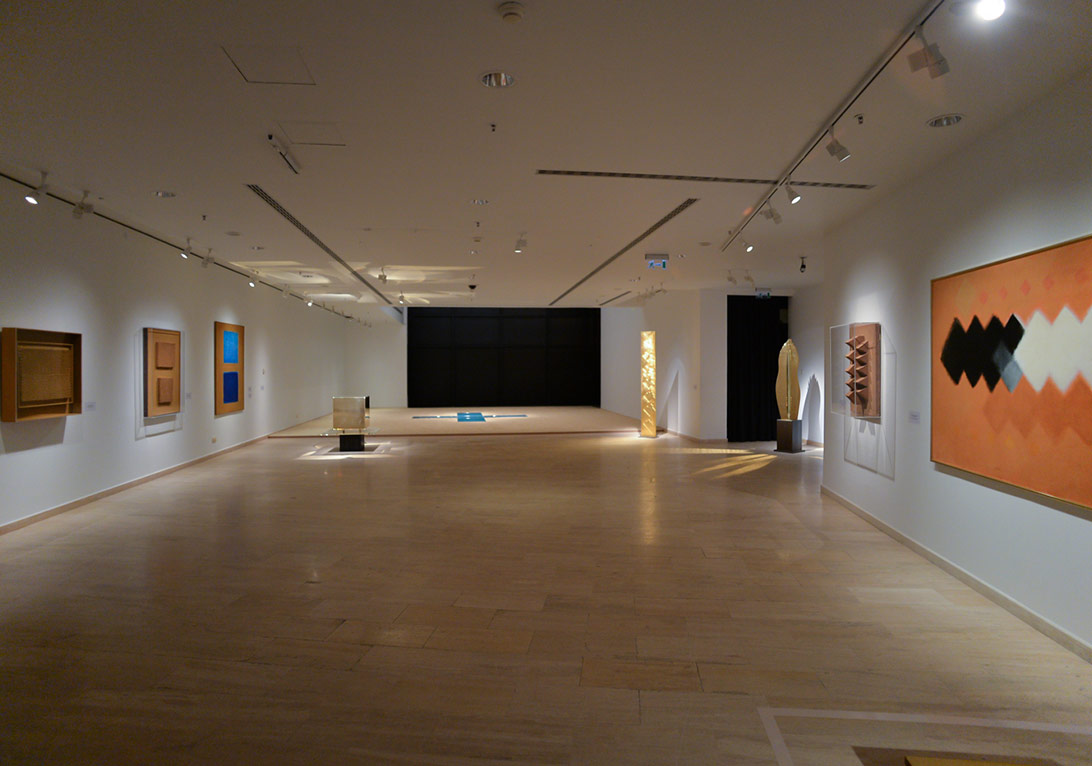
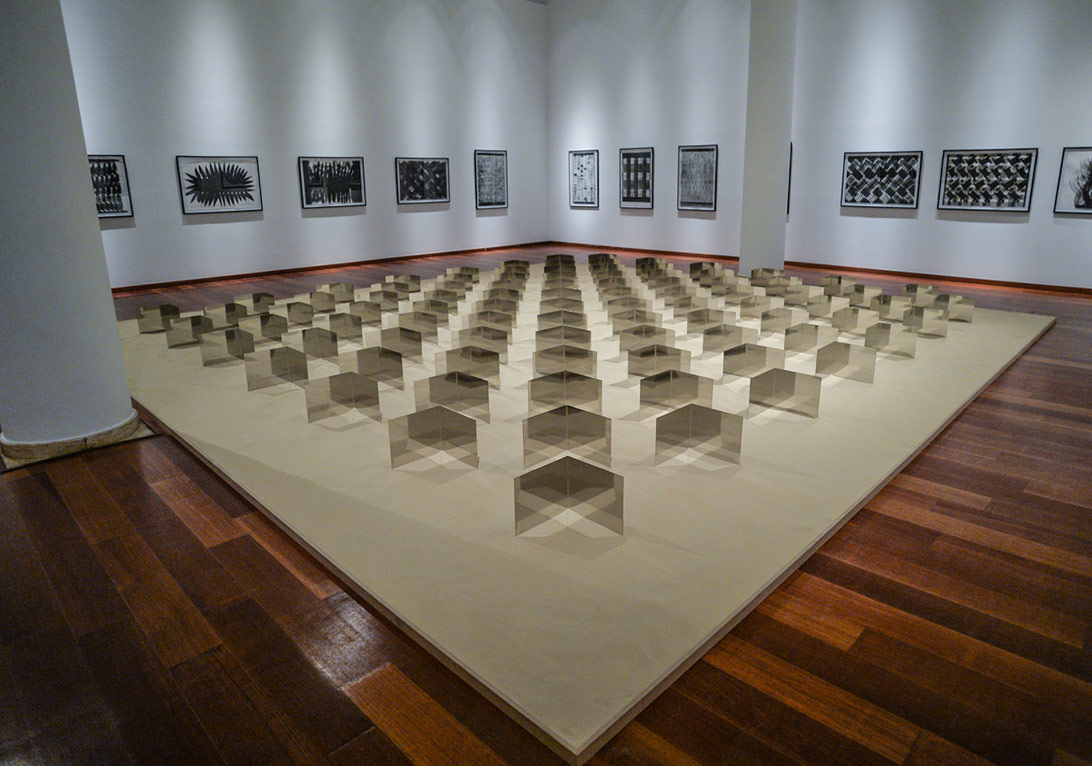
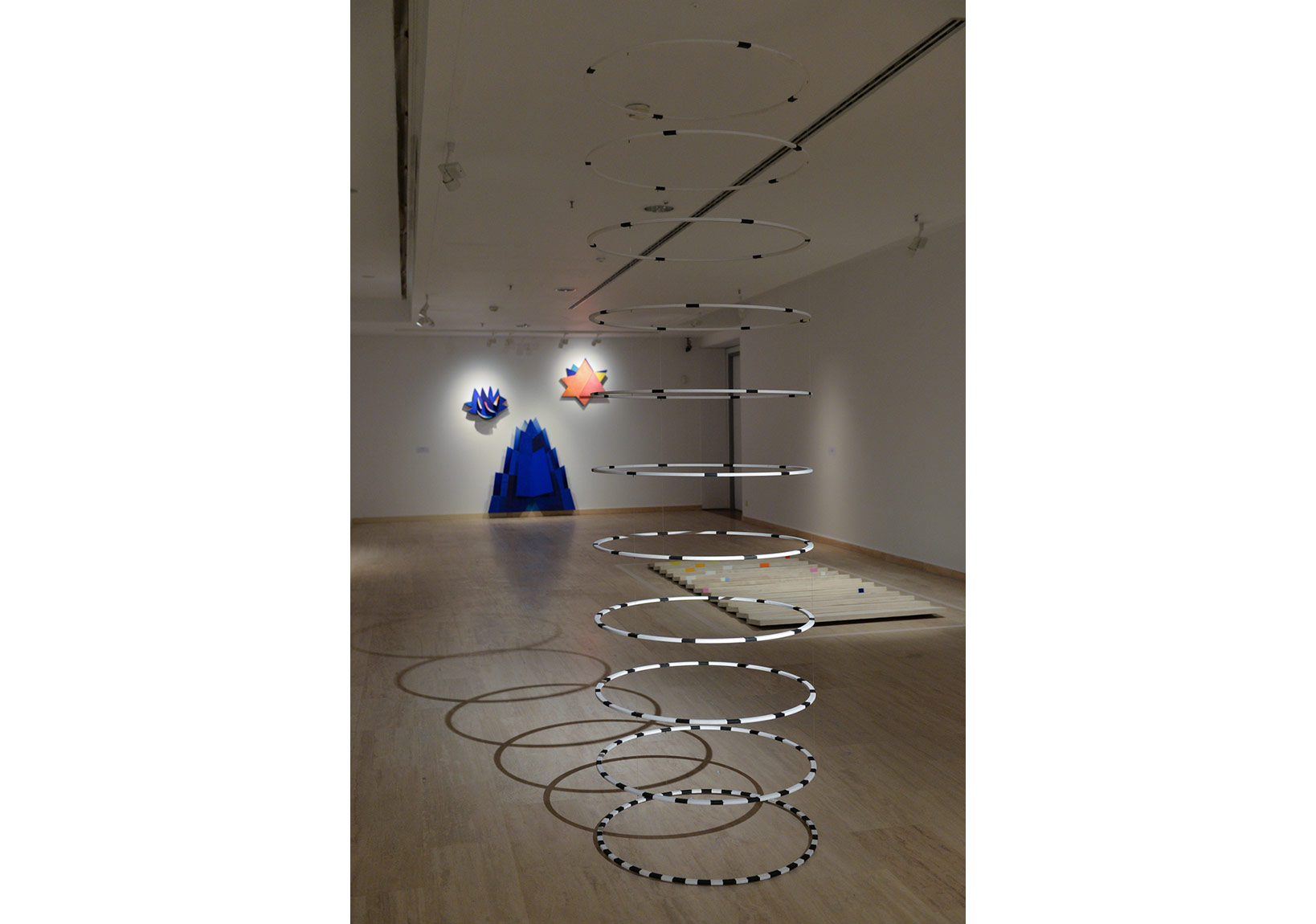
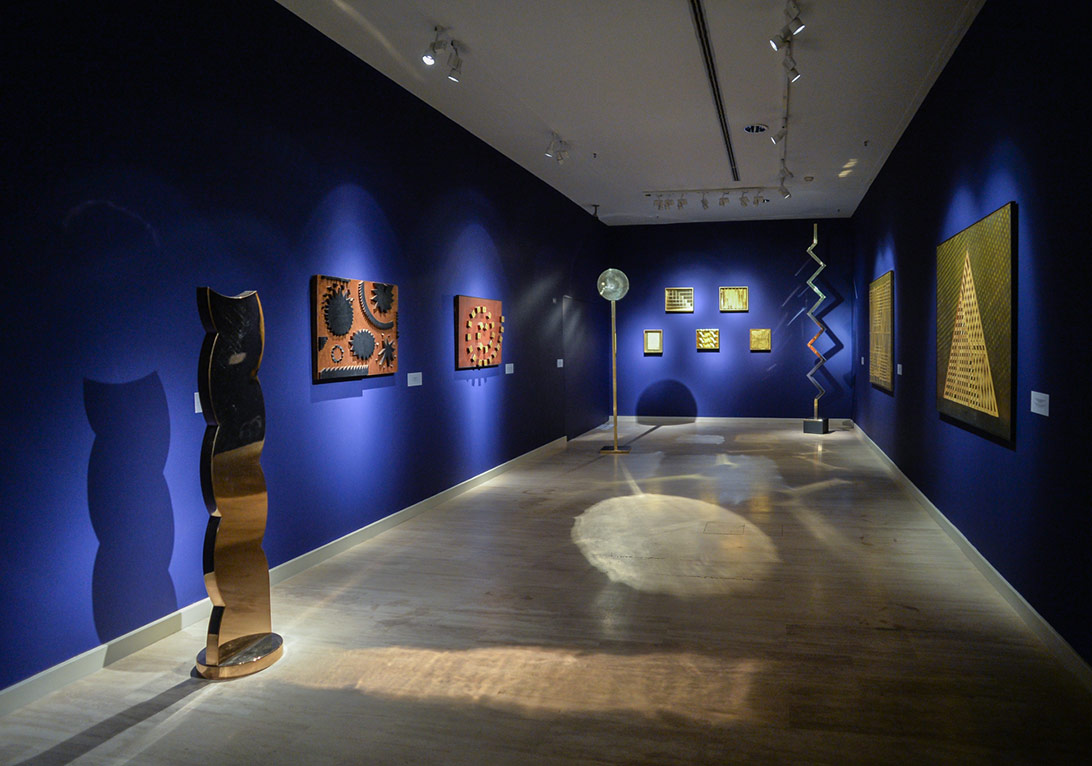
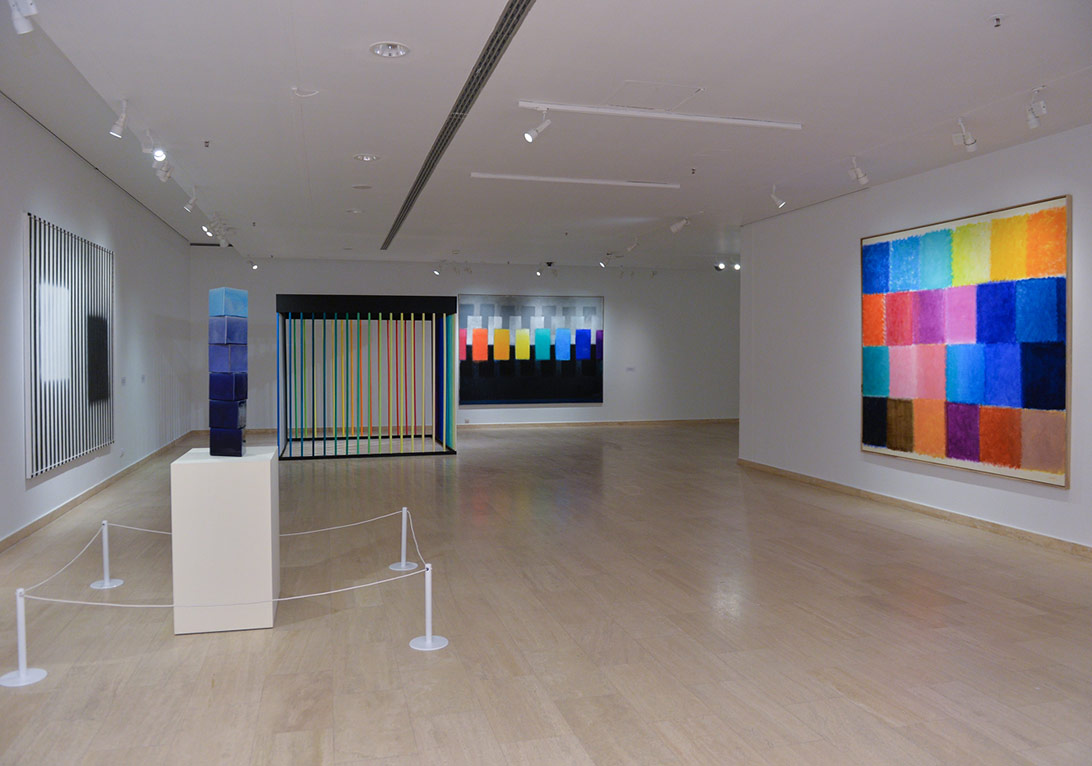
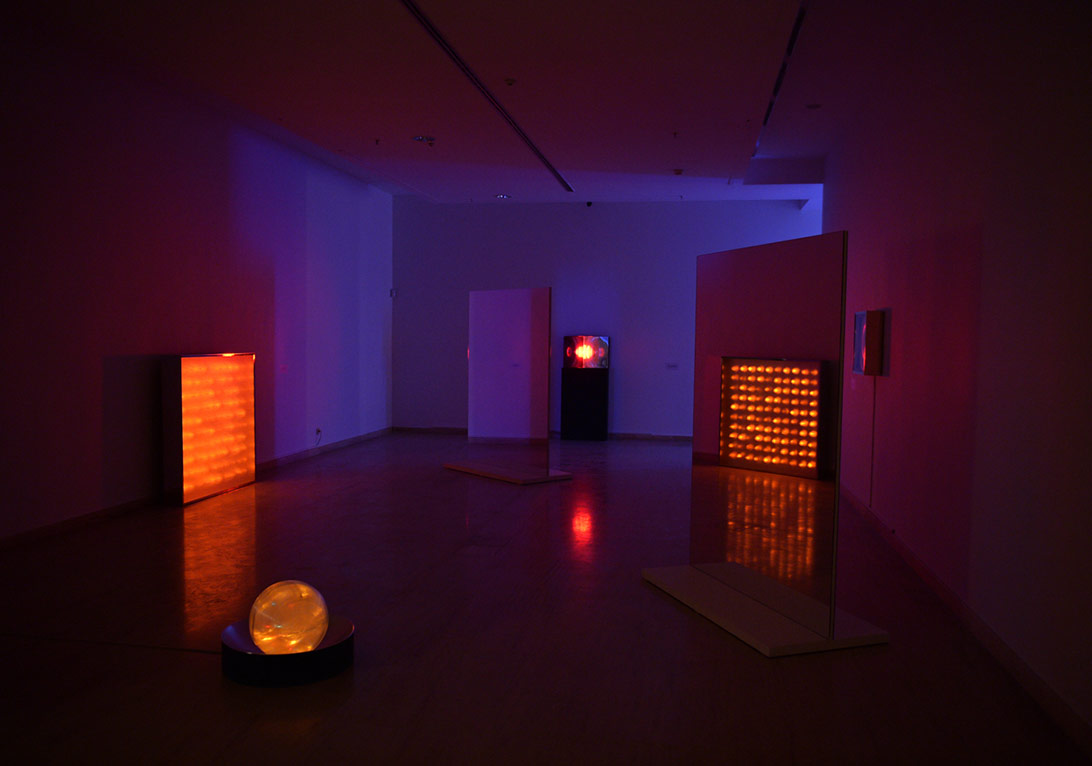
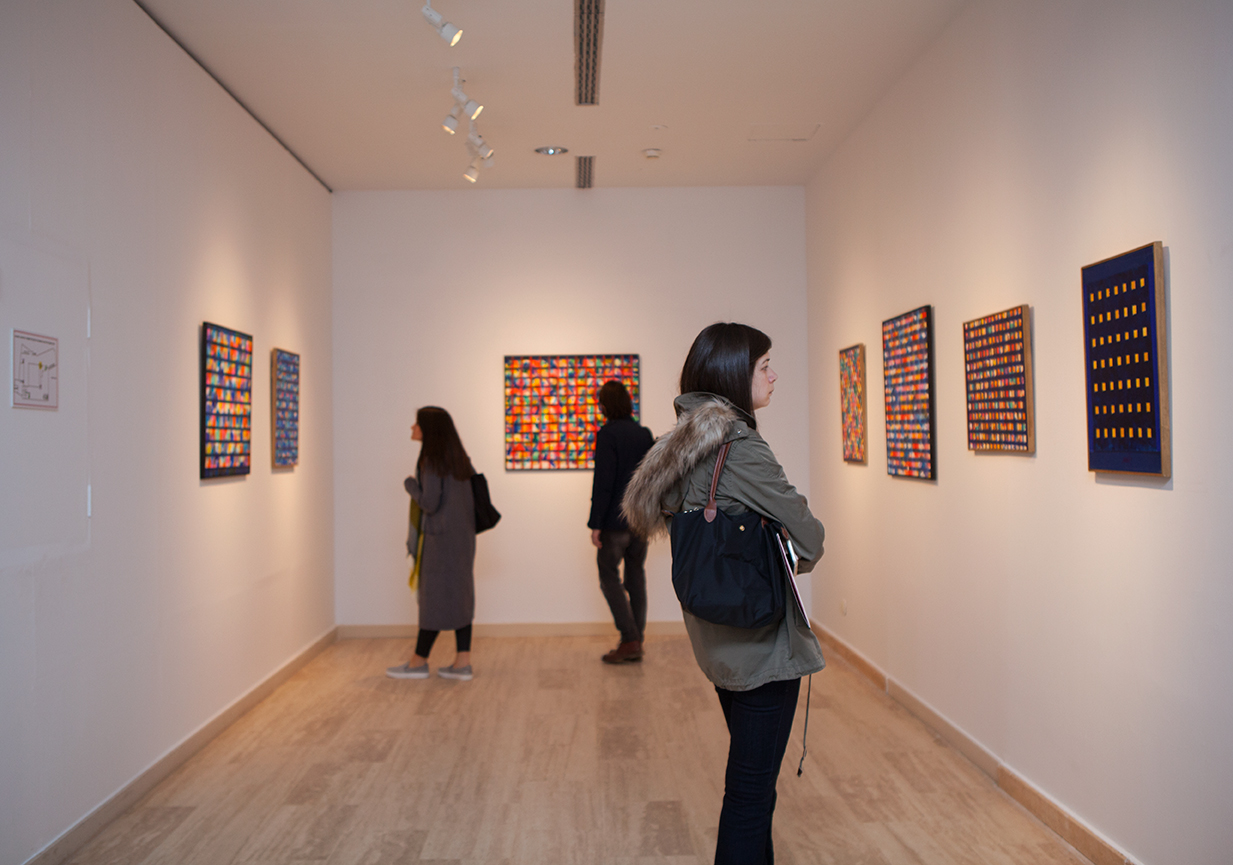
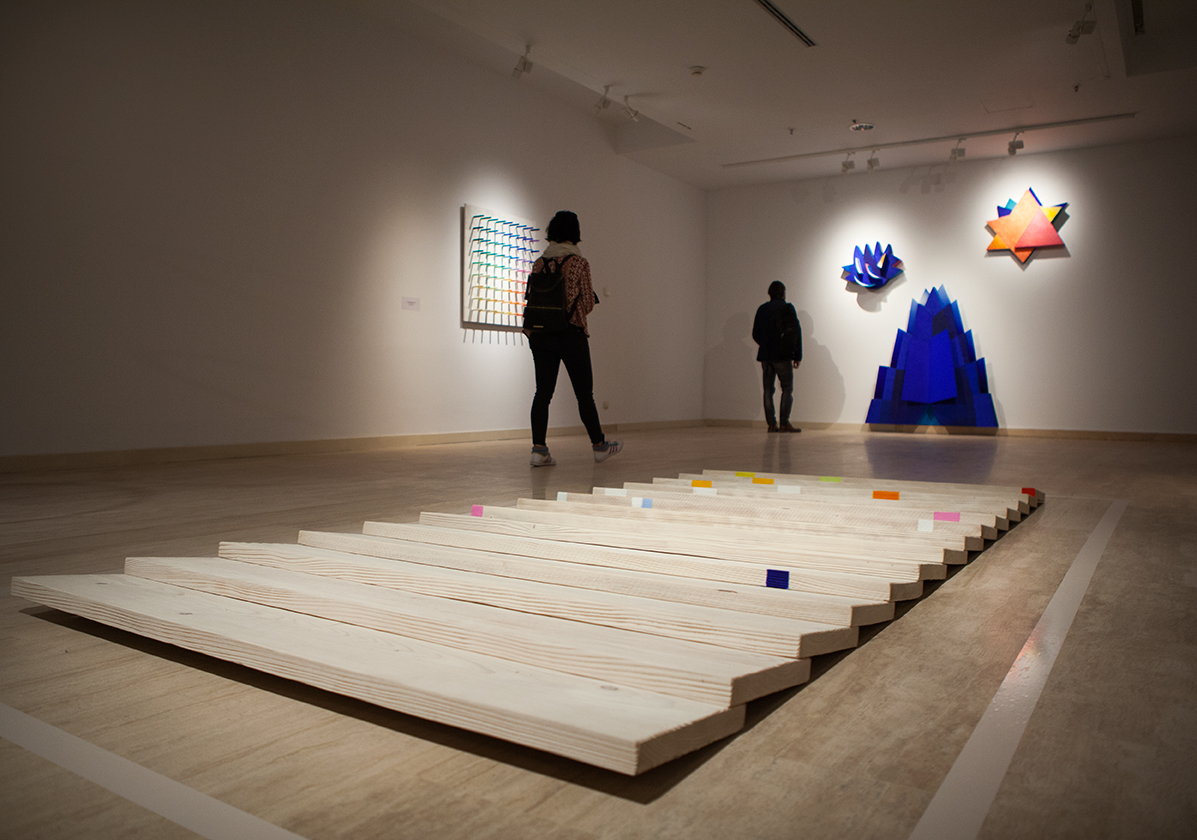
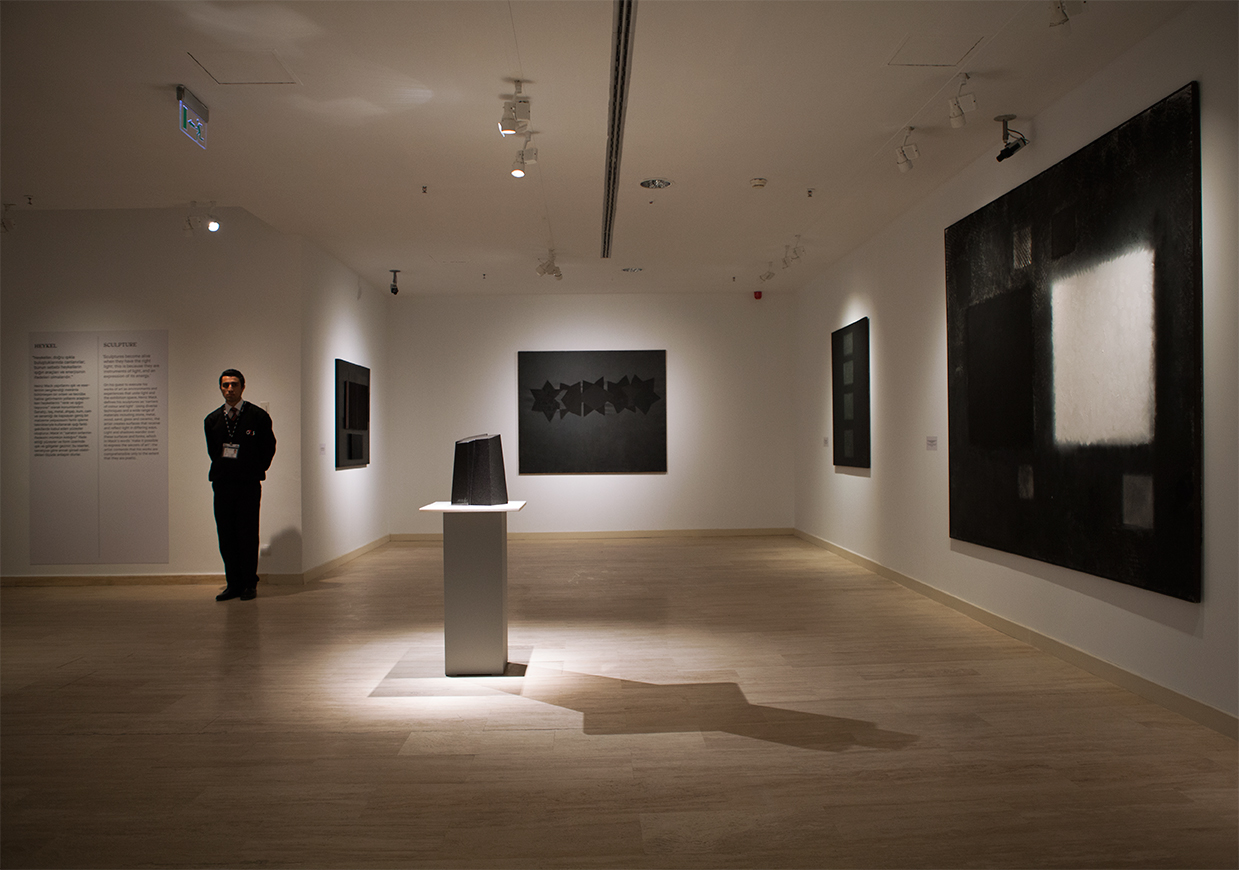
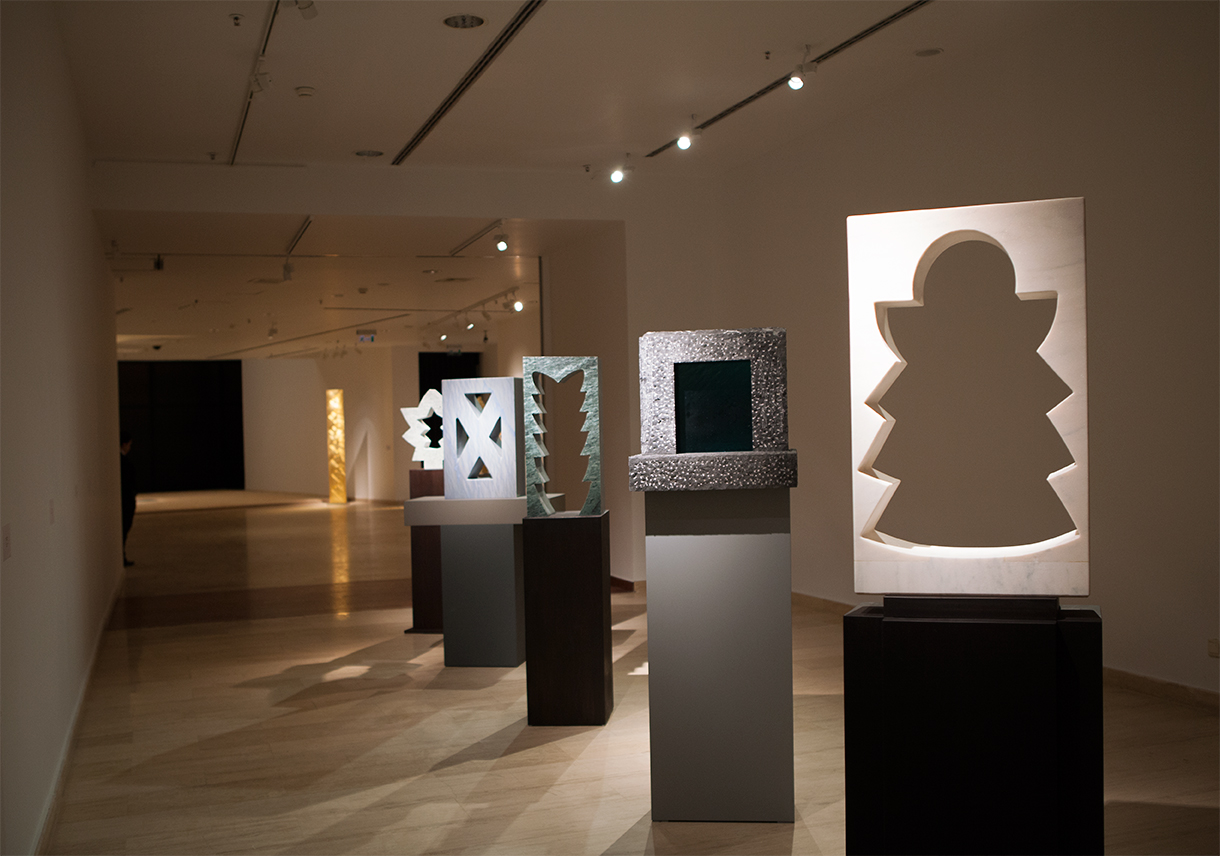
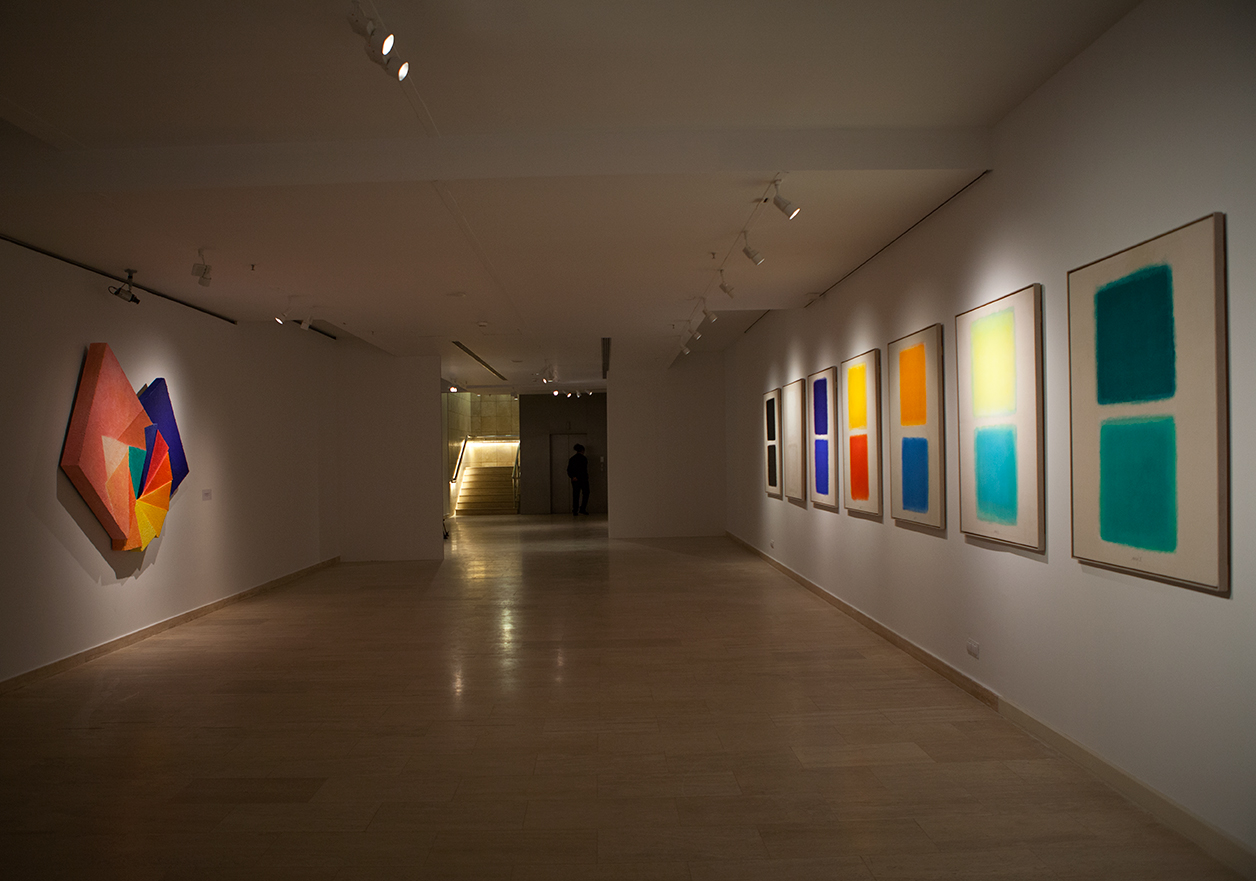
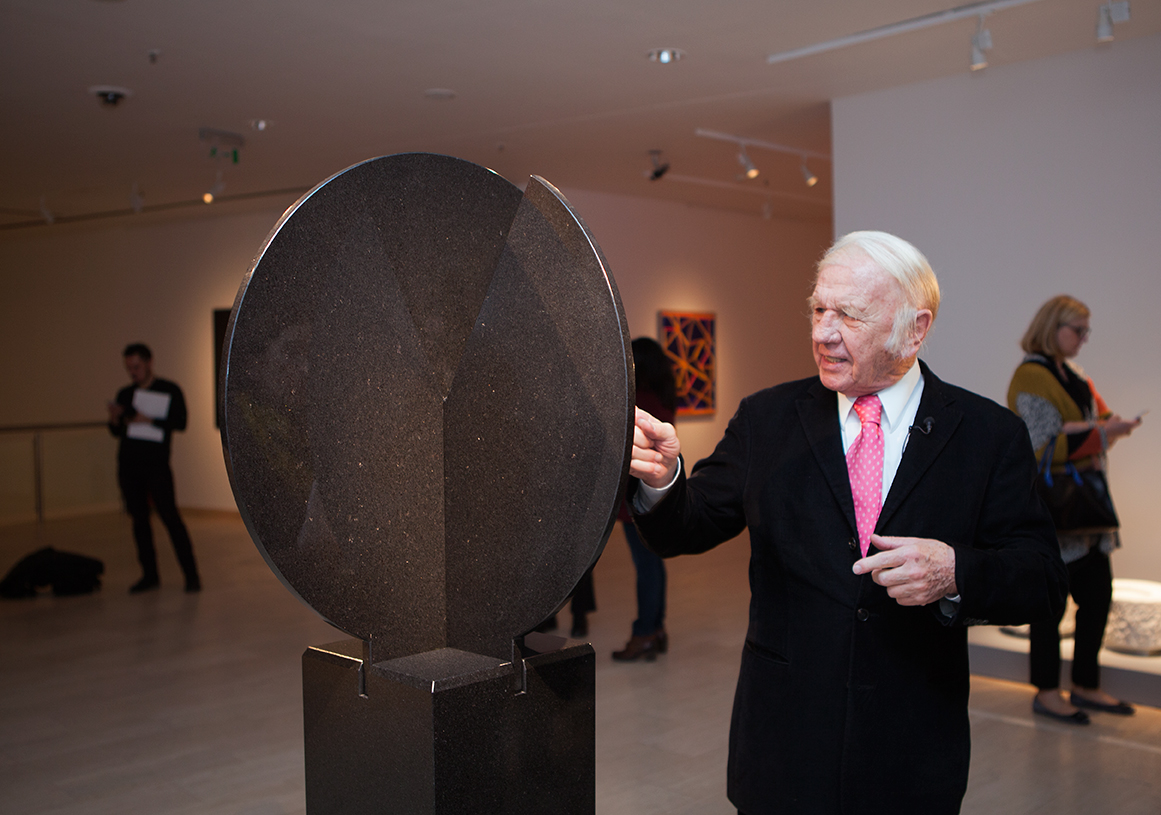
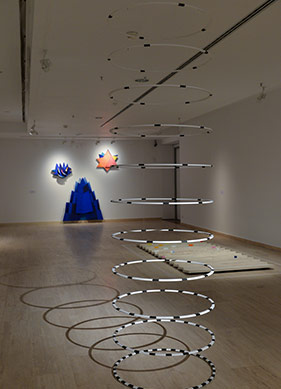
Over a hundred art works including painting, sculpture, and kinetic objects by Heinz Mack, a pioneer in German modernism, is at the Sabancı University Sakıp Sabancı Museum. One of the founders of ZERO, Mack’s earth works drew attention to his practice; he is celebrating the 60th year of his career with a series of exhibitions across the Far East, Europe, and Turkey.
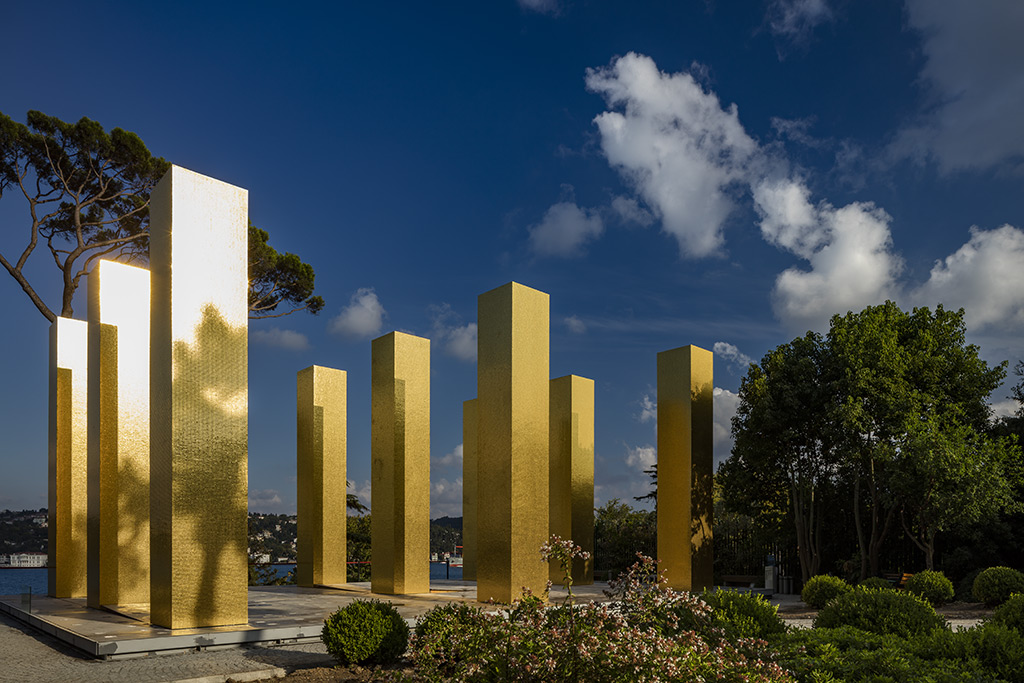
One of the most famous German artists in the world, Heinz Mack was born in Frankfurt in 1931. Mack studied philosophy in addition to his training as an artist. He founded the international art network ZERO with Otto Piene, an artist friend that he spent those years with. And he was only 26 years old. The re-discovery of the ZERO movement was only 51 years later, when he established the ZERO foundation with the co-founders Otto Piene and Günter Uecker, aiming to promote and further the research on the decade-long production of the movement. They subsequently organized large-scale exhibitions at different museums, first at Solomon R. Guggenheim Museum in New York and later at different museums in Berlin and Amsterdam. The ZERO exhibition that opened at the Sakıp Sabancı Museum last year was one of these exhibitions. The Heinz Mack exhibition that is on view at the same museum was initially designed as a sequel to the ZERO exhibition. But the exhibition later became much more than just a sequel. Those who visited the exhibition would know and perhaps those who have not seen would have seen images on social media—the nine columns in the museum garden, in the words of the museum director Nazan Ölçer, form a bridge between the two exhibitions. The work The Sky Above Nine Columns, reaching up to the sky magnificently with its gold color, was made by Mack long after the ZERO movement (2012-2014), but was still part of the exhibition. Nazan Ölçer was so impressed with this installation when she saw it in Venice that she knew they had to show this work in Istanbul, an anecdote she relayed during the press conference. Perhaps this work will find a place in the permanent collection of the museum.
One of the distinguishing qualities of Heinz Mack is that he is an artist who never repeats himself and always pursues innovations. Thus, while he was one of the co-founders of the first large-scale avant-garde movement of mid-twentieth century, ZERO, he was also the one who concluded the movement after a decade, believing that their mission was accomplished. He is now in the 60th year of his career and is actively producing art works.
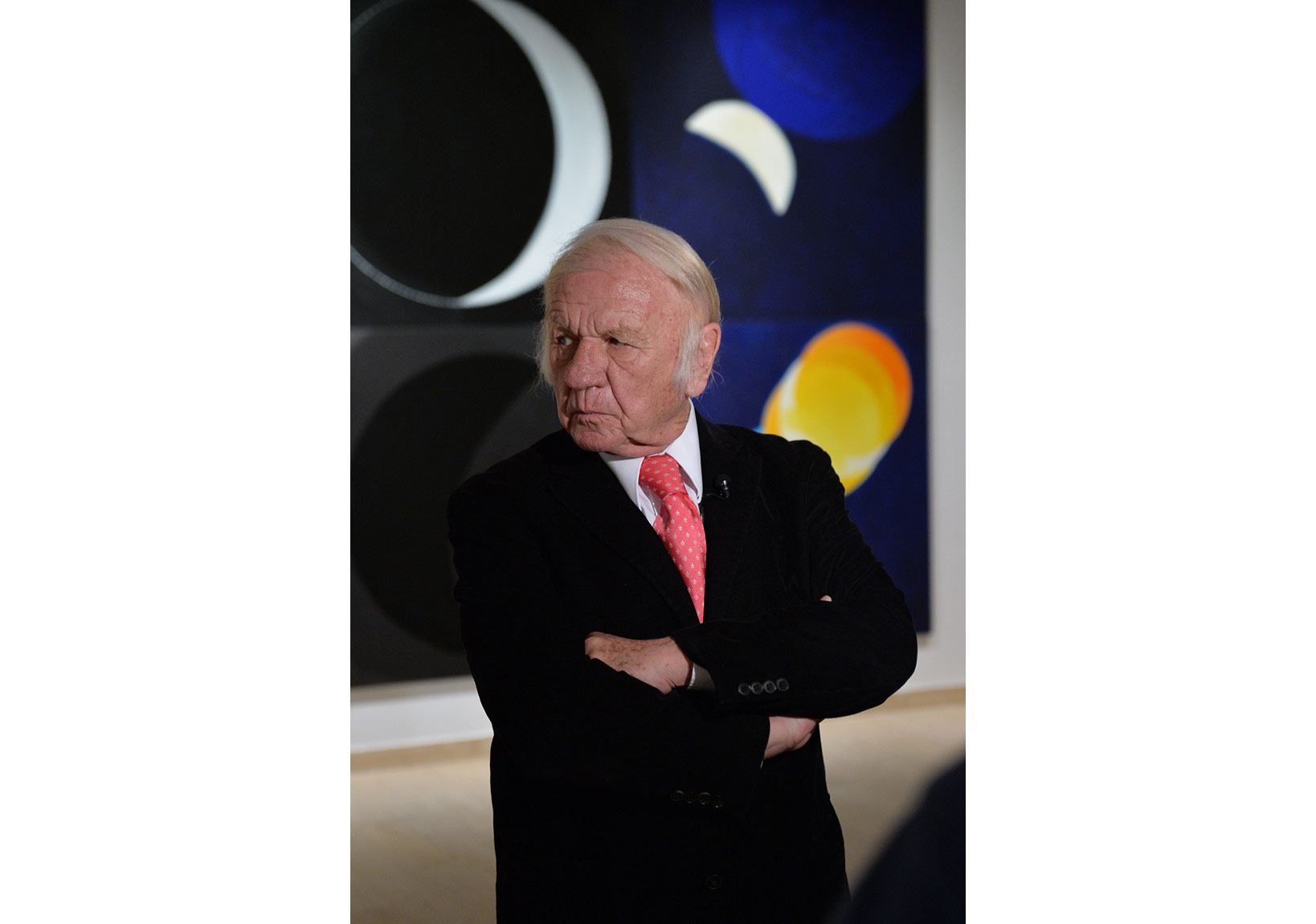
The artist was present for the opening at the Sakıp Sabancı Museum, expressing how excited he was to see his works exhibited in Istanbul: “Anatolia has a magnificent culture expanding back eight thousand year. Just thinking about Göbeklitepe would suffice. It is great to be at such a geography.” The artist used similar sentences in a conversation with Beral Madra, published in the exhibition catalogue: “Turkey is a magical country. The culture and history here are very diverse. Furthermore, it has a vital importance beyond just regional benefit that will be of increasing global prominence in the future. Istanbul already is a city open to the world. Everything is in flux. Just like it is the case everywhere else in the world, people who want to live happily, in peace are disturbed by conflicts. But no one can ruin the life energy in this country.”
These words by Mack actually summarize his 60 year career in a sense. In all his works, Mack invites the viewers to engage in a dialogical relationship and to understand and to communicate with them. When he founded ZERO after WWII, his attitude was the same. Cities had become ruins. The war had harmed people physically and emotionally. There was a deep distress in the heart of Europe and people had to trust themselves again. What Mack was talking about was not just monetary losses. “Some things had to be changed in the world that we live in and this had to be a dynamic world. We wanted to create real change,” he says of that time period.
Mack talks of the art world at the time: “After 1945, there was a demand for teachers in Germany, because many had died in the war. Parts of schools were destroyed, libraries had burned down to ashes. FOr example, the Art Academy of the State in Düsseldorf was in ruins in 1950. But I still registered there. The studios were freezing cold. The new professors could not relay anything on contemporary art history, because they didn’t know much about it. Oil paint, canvas, and frames could not be supplied. The worst part was we did not know much about the art before the war nor the art of the first 30 years of the 20th century. We could only learn about Suprematist artists after 10 years.”
Art historian Norman Rosenthal says of ZERO group’s art that the only future for their work was through producing and evoking love for pure potentialities: “The first ZERO exhibition in 1957 coincided with the launch of the first man-made satellite Sputnik into space. For Mack and his artist friends, the issue was not figurative painting. Painting would take the artist more to forces of nature including fire, light, smoke, water, sand and soil, sky, even to industrial materials including aluminium, glass, mirror, electricity light and all of these things revealed an anonymity in the search for beauty.”
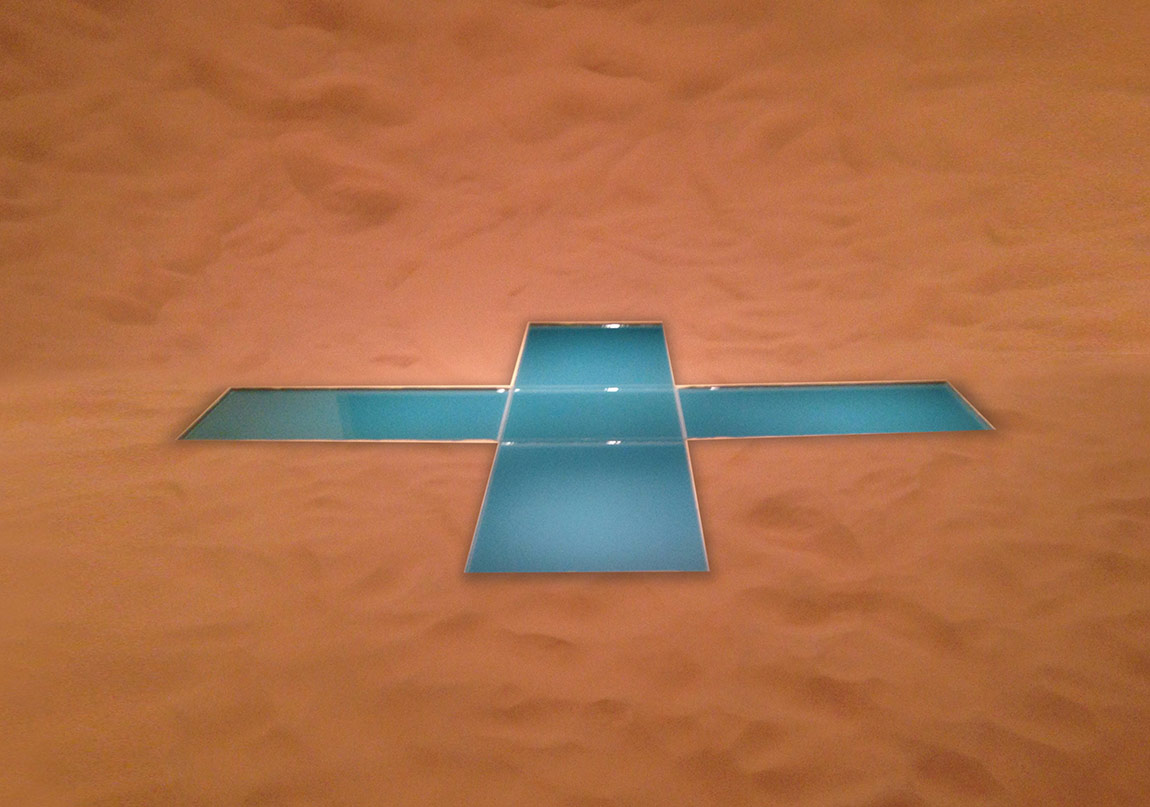
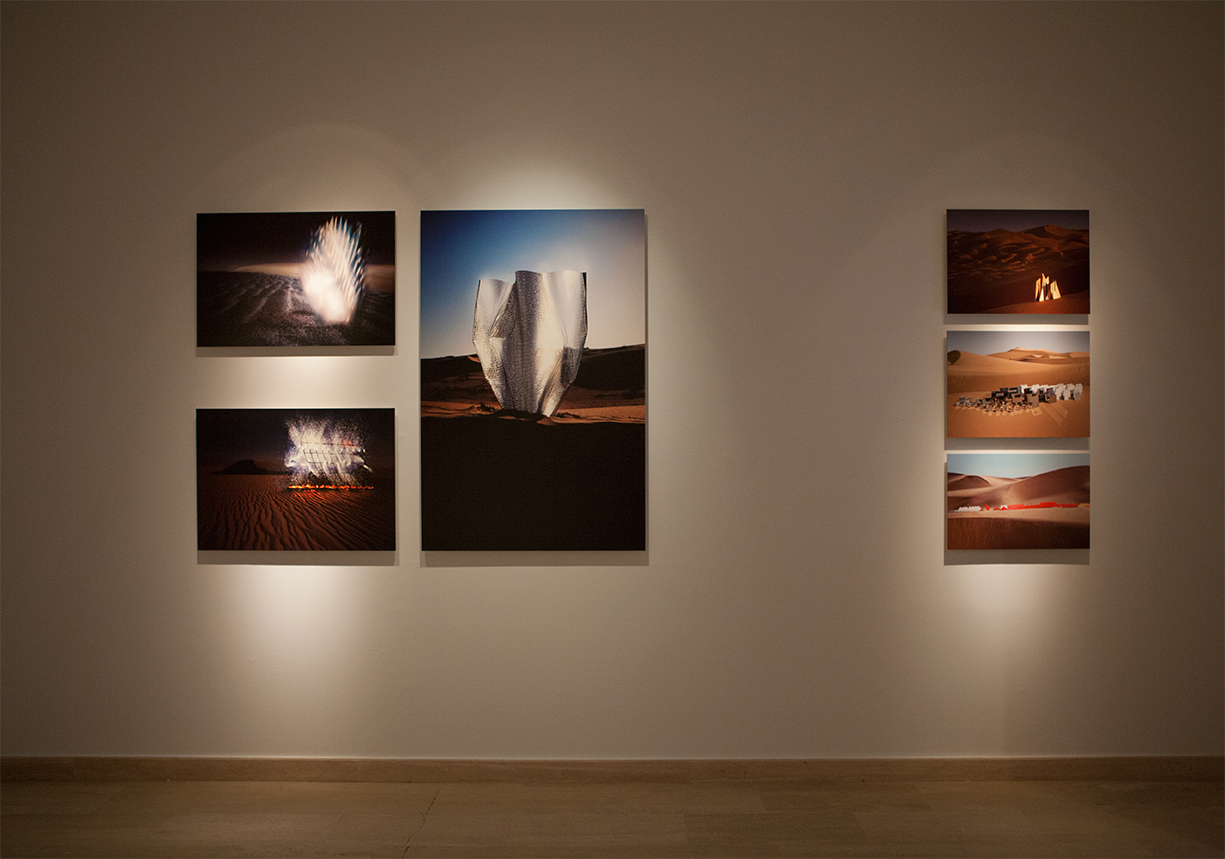
All of the ZERO had opened up different spaces for themselves in various corners of the world. Mack’s was the Sahara Project that he realized in 1968, but which he had devised ten years before. This project was inspired by visits he made to Damascus and could be considered one of the first examples of Land Art. (Land Art could be described as the transformation of natural, open spaces that are transformed by people.) With the Sahara Project, Mack aims to produce an area that is only for art and freedom on the desert that seems to extend infinitely. Mack uses some sculptures and installations on the desert, providing a unique experience for the viewer where works and nature are intertwined. It is important to note here that one of the striking works in the exhibition, A Water Cross on Sand, is constituent of sand that was brought to Istanbul with huge efforts.
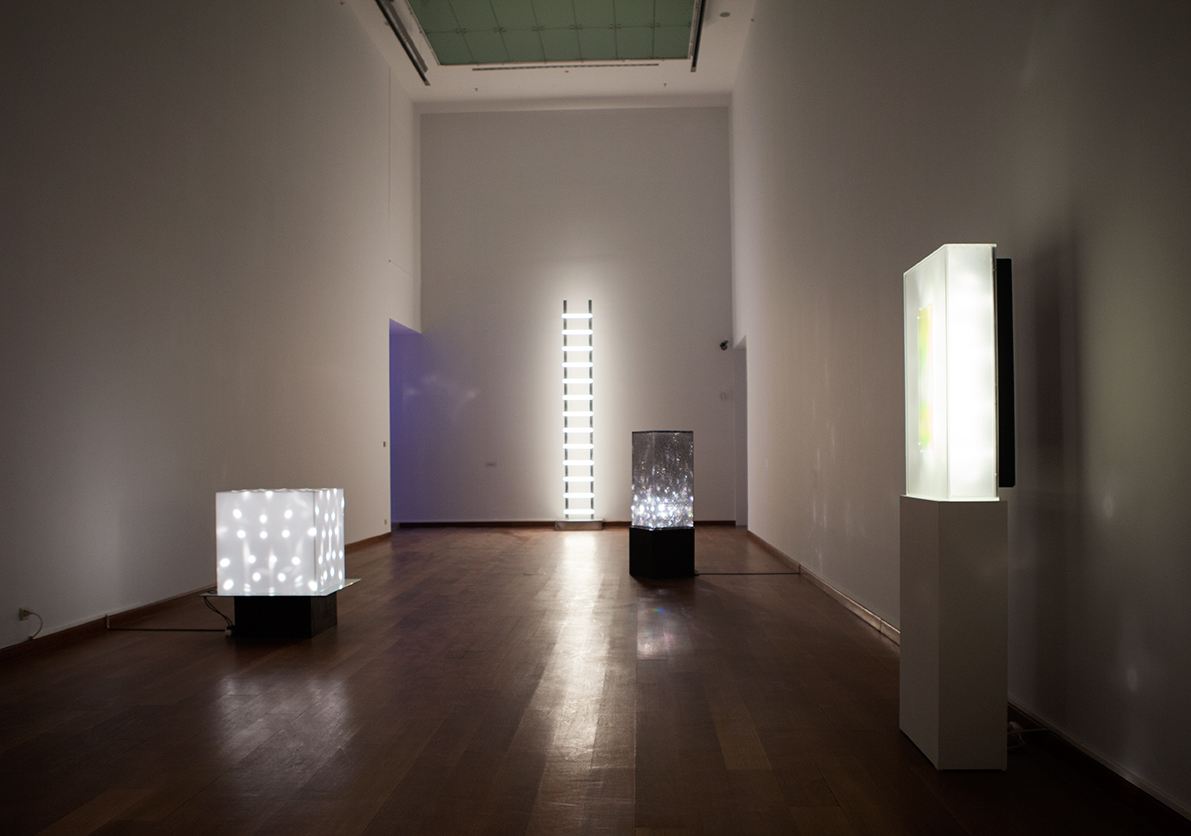
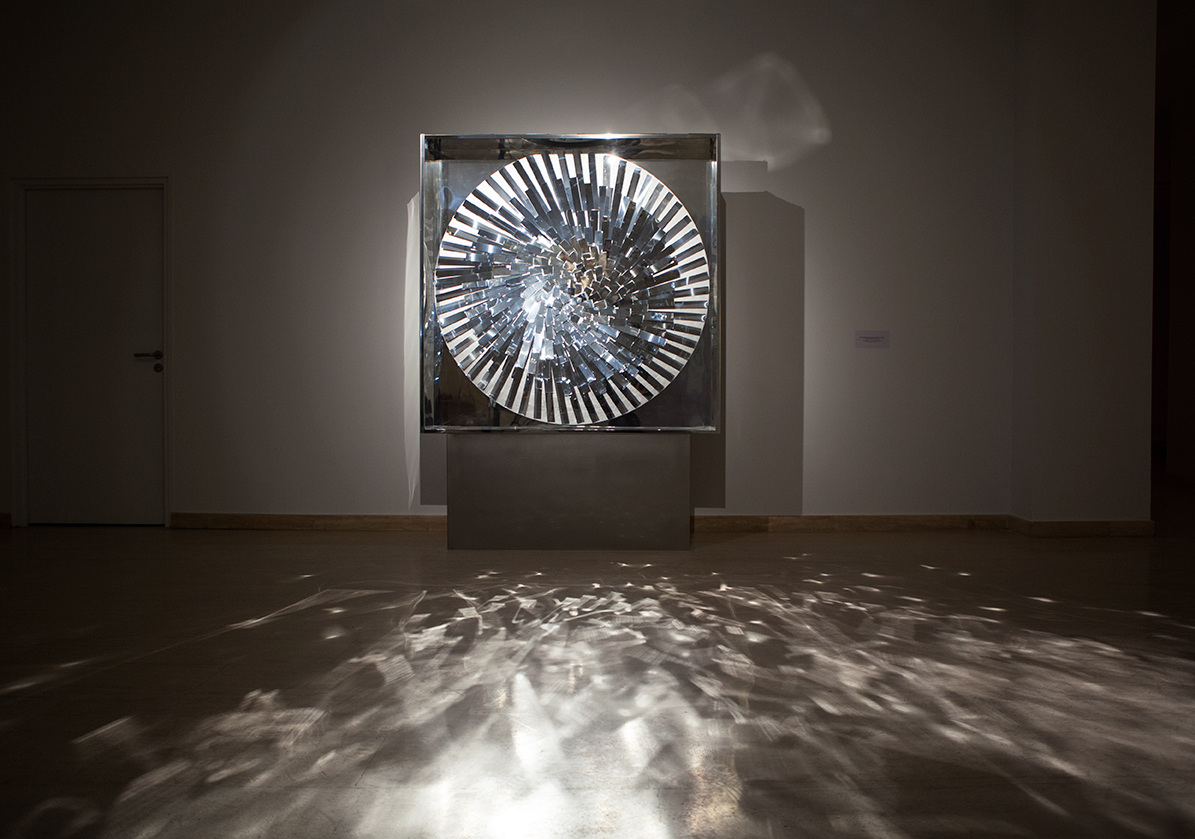
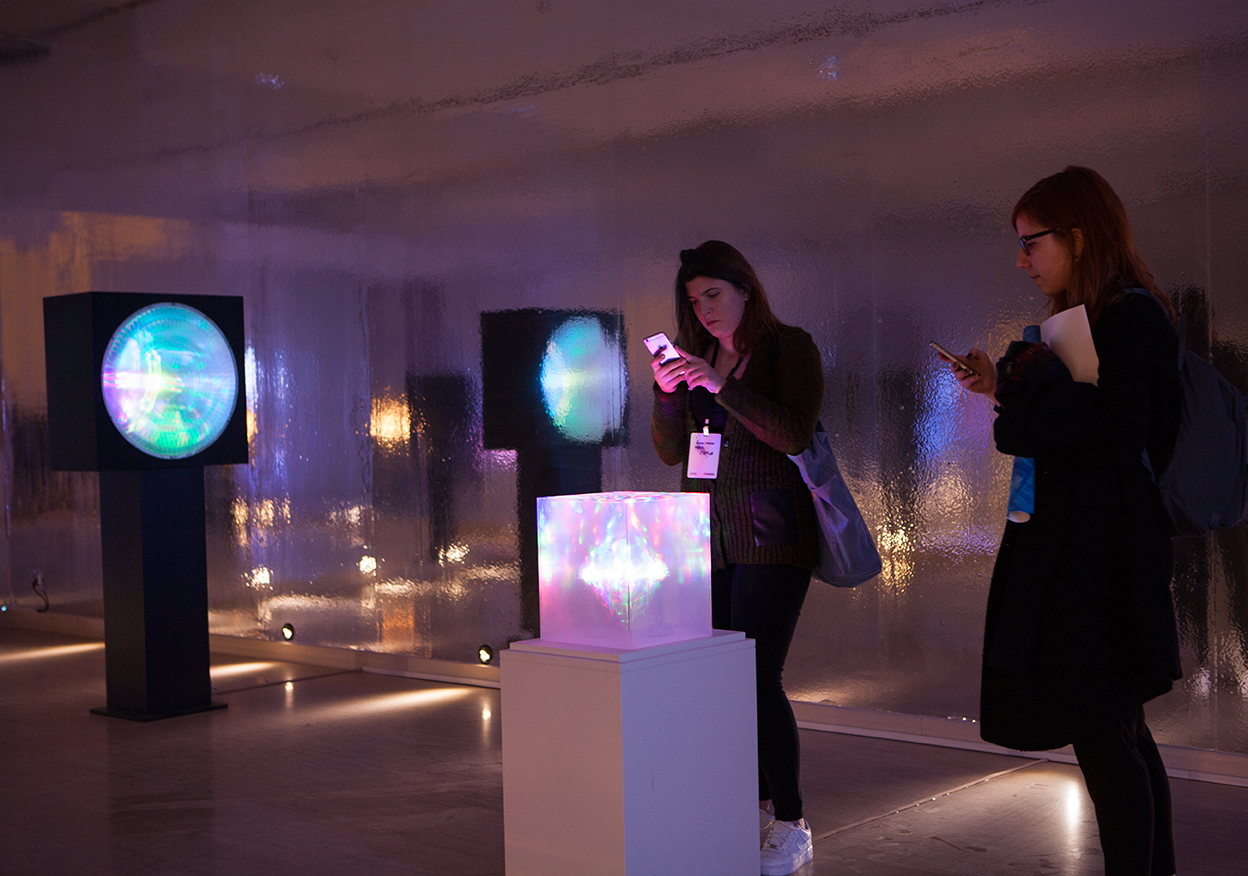
Another striking part of the exhibition is the Kinetic Art section where Mack’s non-figurative work, which primarily deals with light is included. The artist makes static works move, using motors, tubes, bulbs instead of the materials of traditional art. Thus, the boundaries of the sculptures disappear, reforming the relationship between the viewer and light. Mack uses technology as an aesthetic element, charging the kinetic works with meaning not through their volume and size, but rather through how and for how long the viewer sees them and how much the viewers are impacted by the objects.
The above are only a few sections of this vast exhibition. It is possible to say that you’ll leave the exhibition “MACK. Just Light and Colour” having witnessed how the artist has contributed to the notion of beauty. In reality, all the light and color already exist in nature—Mack miraculously reveals all of these.
The exhibition “MACK. Just Light and Colour” is on view at the Sabancı University Sakıp Sabancı Museum until July 17, 2016.
;