ÖNCEKİ
26 EYLÜL, PAZARTESİ, 2016
SONRAKİ
The Oxford dictionary defines beauty as a combination of qualities; such as shape, colour, or form that pleases the aesthetic senses, especially the sight. Although highlighting sight as a paradigm of aesthetic pleasure is indisputably true, there is still no clear connotation of what sight is, which opens up many different possibilities. In order to shed light on the sense of sight, Carol Mavor who calls herself an ‘artist historian’, emphasizes that “Touch is the dictionary for sight.”1 If so, could it be assumed to say that what pleases our touch is ‘overlooked’ within the definition of beauty? Then how can we touch a shape, a colour or a form? What about the pleasure that we get through the things we cannot touch physically?
Charles Hay Cameron, who is serendipitously the husband of the photographer Julia Margaret Cameron (who perhaps created the most haptic photographs ever) wrote an essay on the Sublime and Beautiful (1835) that considered the topic of sight’s relationship to touch:
“It is by the sense of touch that we at once acquire the notion of externality, and perceive external things. By the eye we perceive nothing but light, with its varieties of colour and intensity. Experience, however, very soon teaches us many of these varieties represent the varieties belonging to objects of touch, and, as soon as this connection between two senses is once firmly established in our minds, we trust our eyes to give us information in all ordinary cases, concerning the distances and figures of external objects; and the touch, which originally explained to us the meaning of the modifications of light, is neglected, like the Dictionary of language with which it has made us familiar.” 2
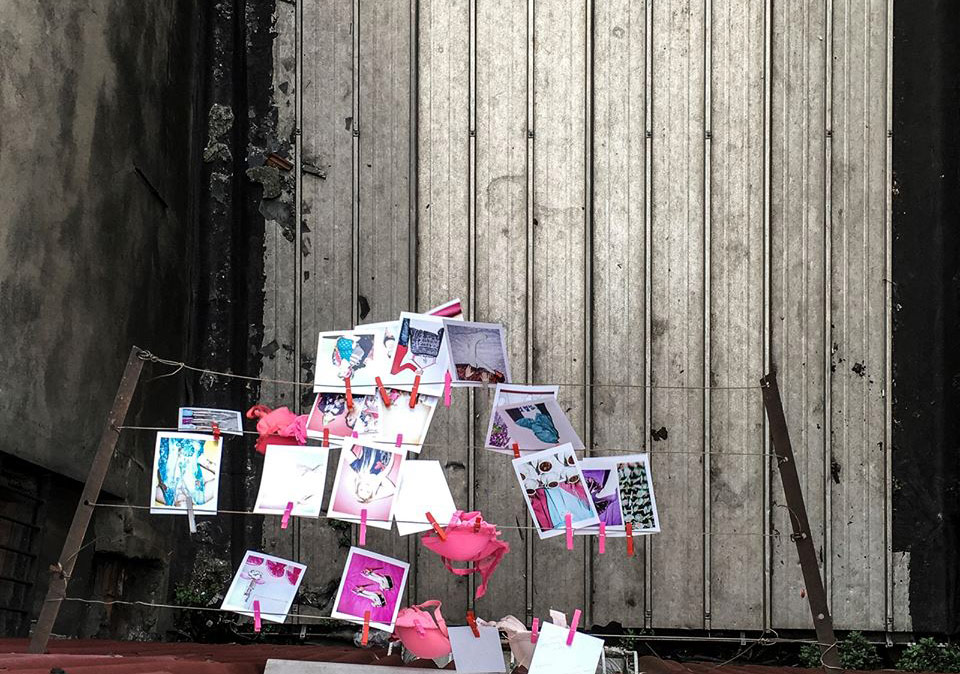
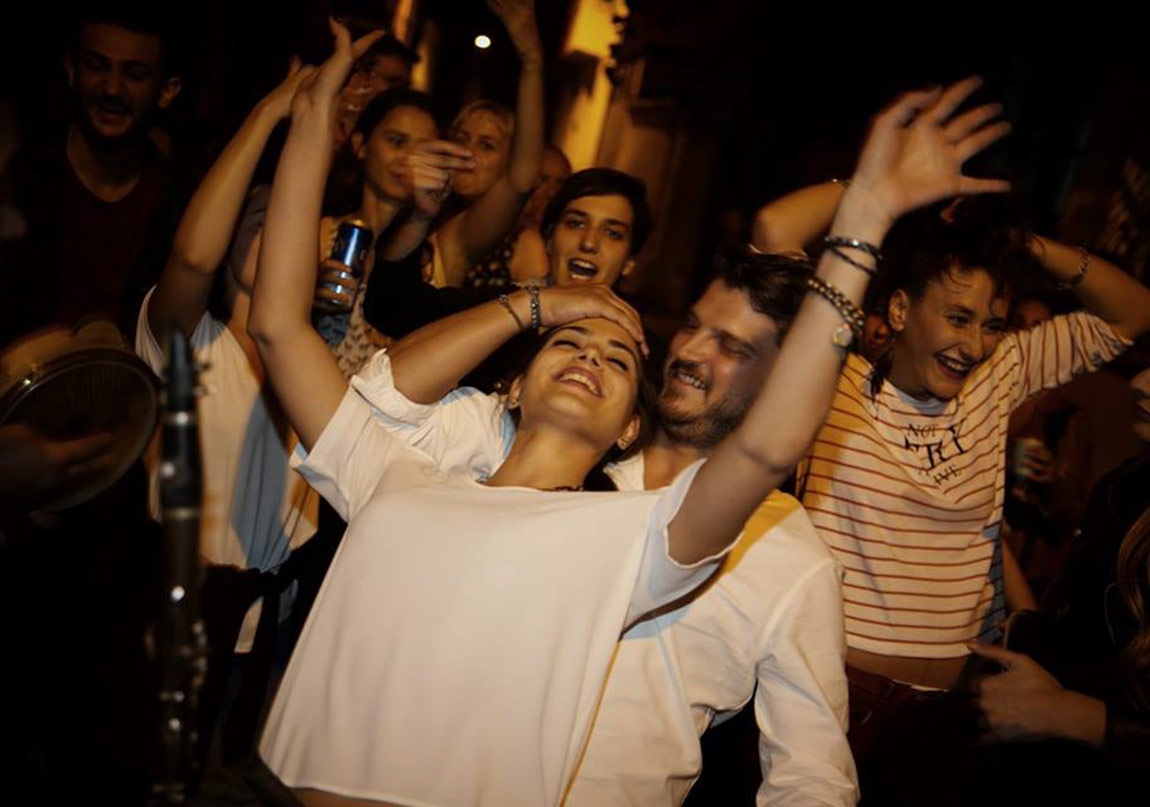
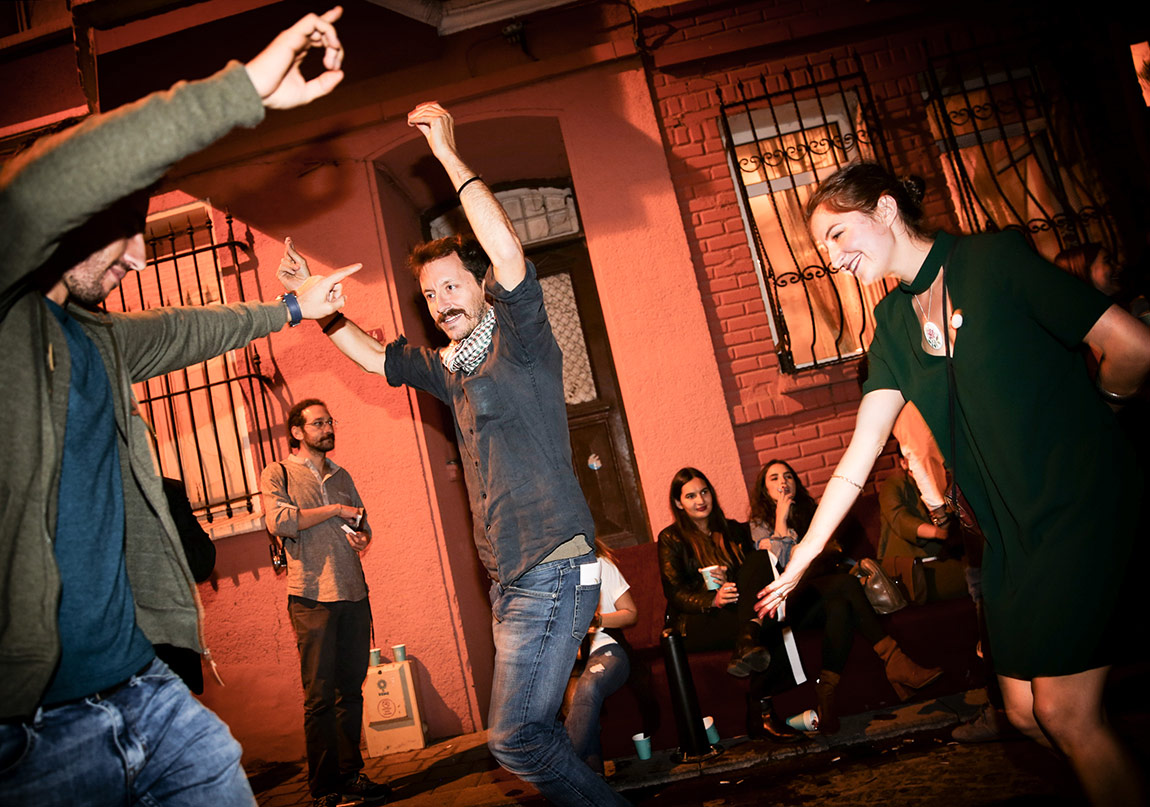
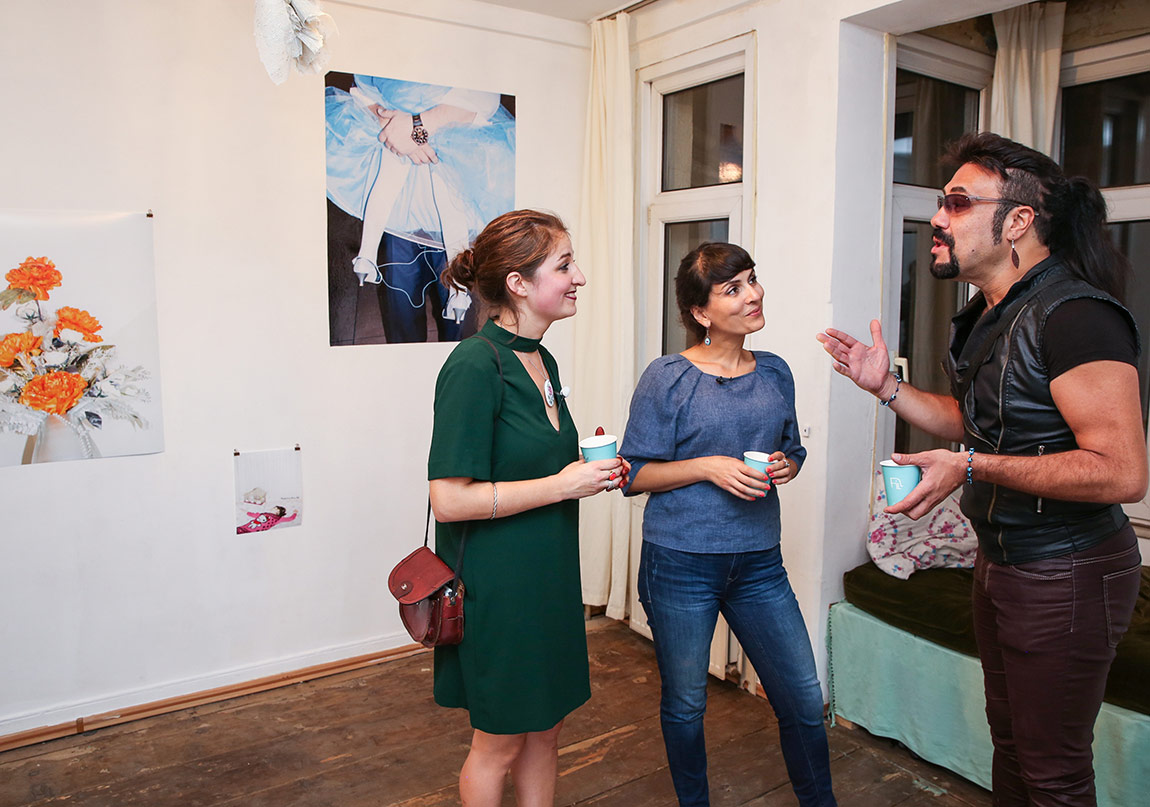
It is by Charlotte ‘Şükran’ Schmitz’s sense of touch that she once acquired the external world filled with aspirations of beauty and profiling, and it is her extreme curiosity and desire to perceive this external world that is hidden in the houses of Istanbul’s beautiful neighbourhood called Balat. Thus, in return this fabulous, dream like world which used to be an external world for her at one time, literally turned out to be her hometown in Istanbul, and now it is time for her to both move out and move on. There is a great melancholy in breaking down one’s belongings into boxes, packing cardboards and sealing them with thick sticky tape that makes a horrible sound in the tense process of moving out from a house. However her house in Yıldırım Street is not leaving any room for relocation melancholy; on the contrary, her house turns into a hearth that hosts a farewell celebration that we are all invited to, on one of the last days of summer 2016.
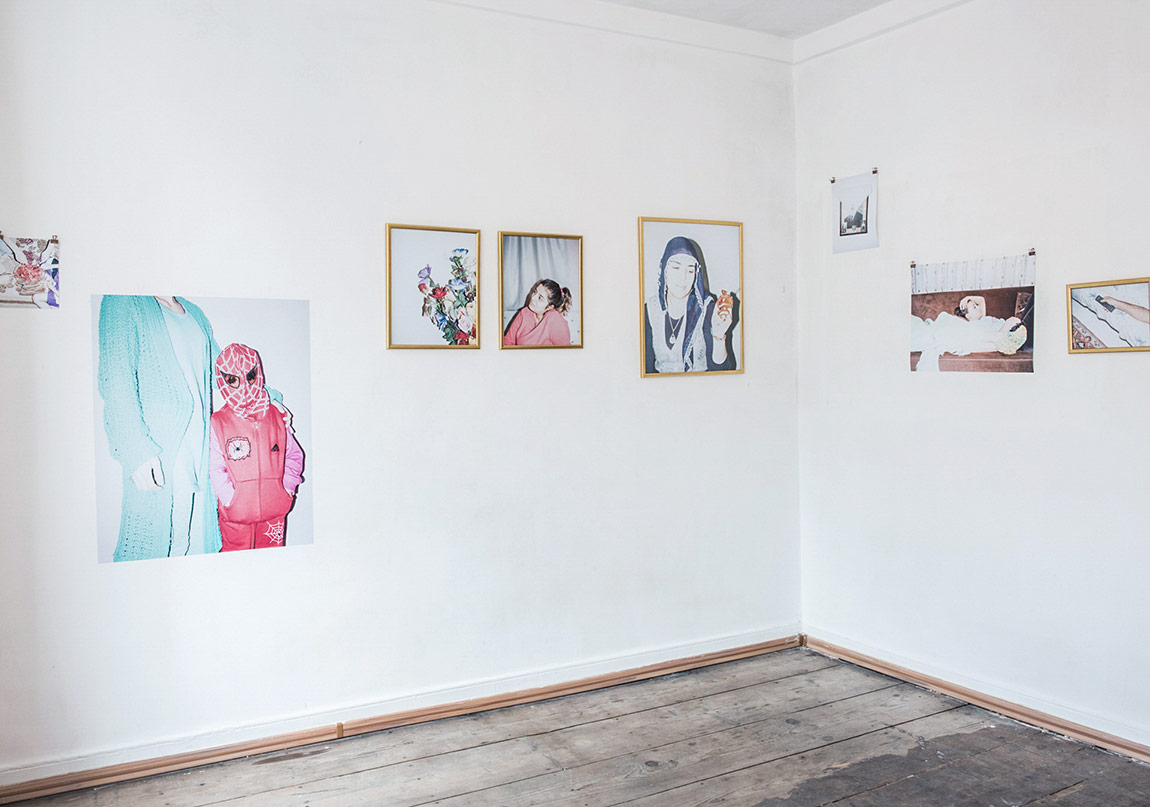
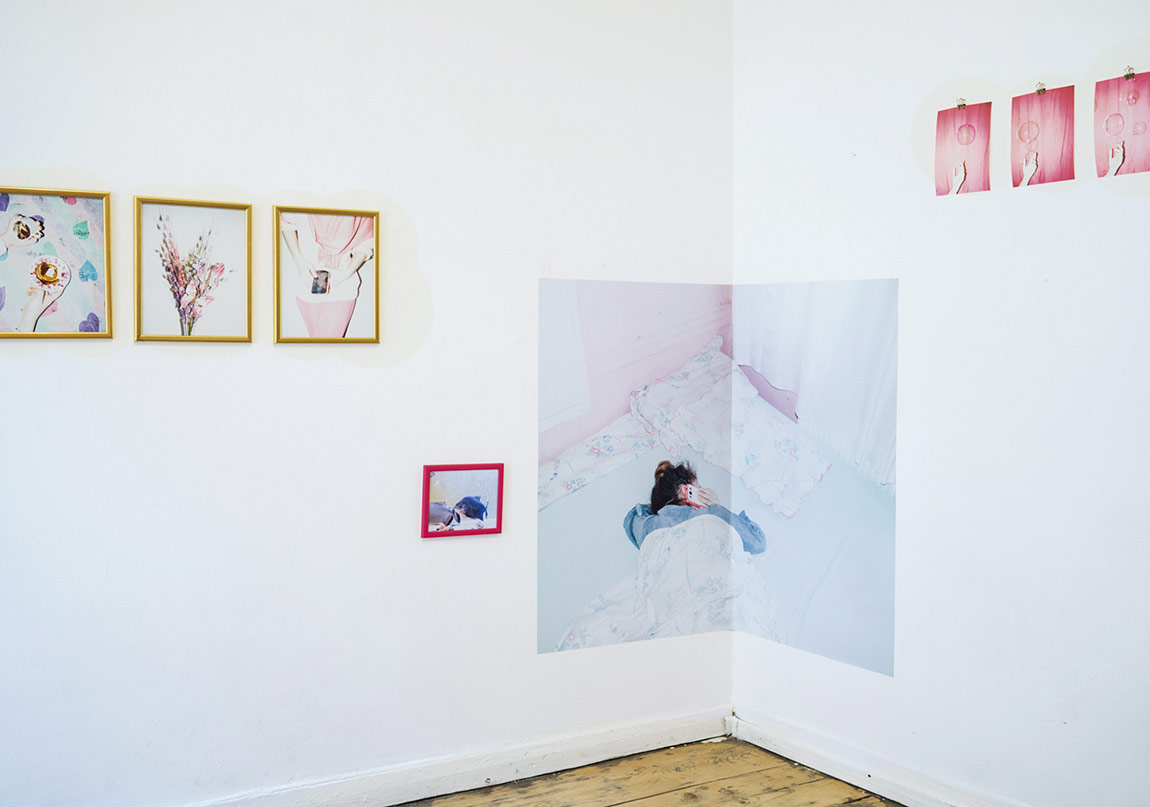
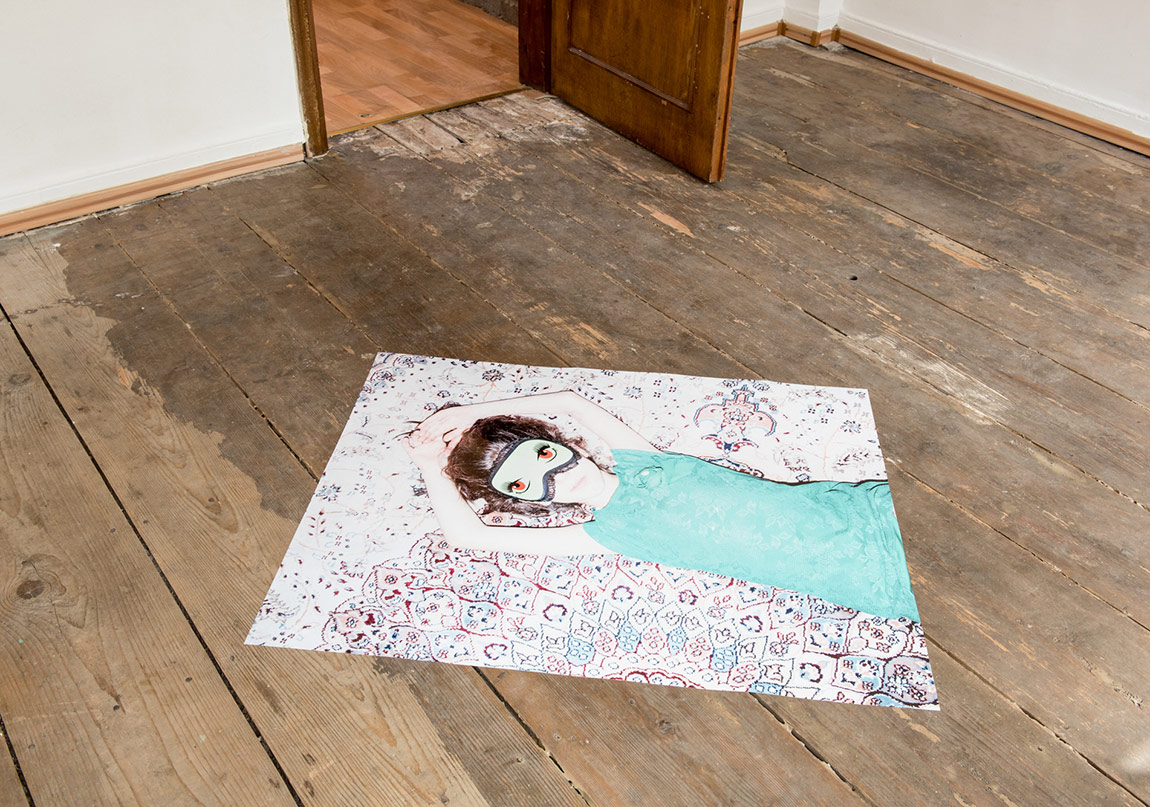
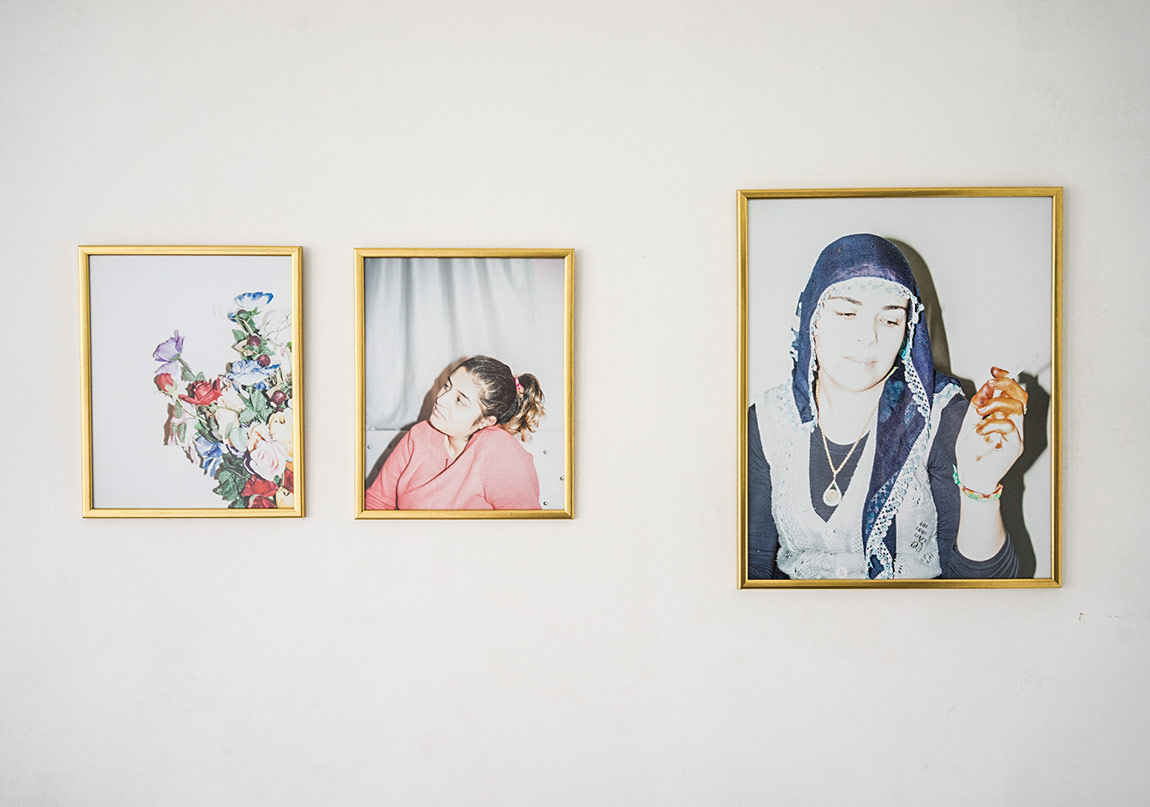
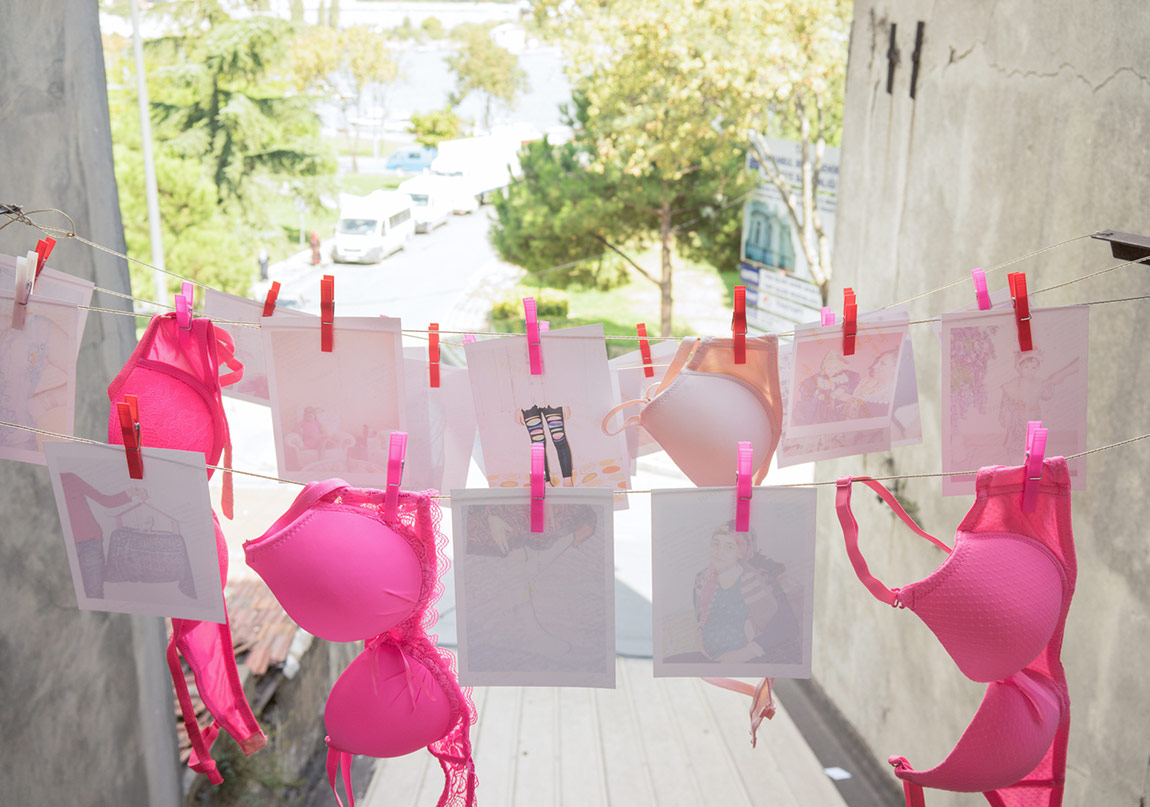
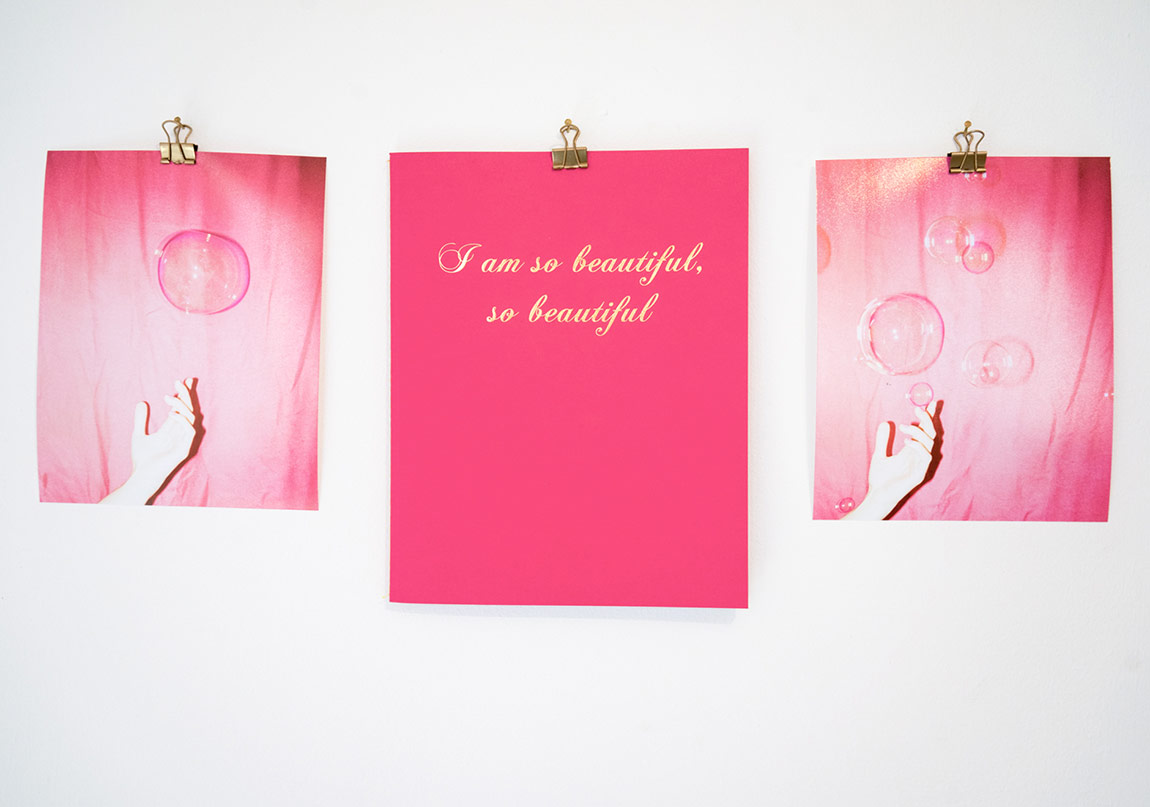
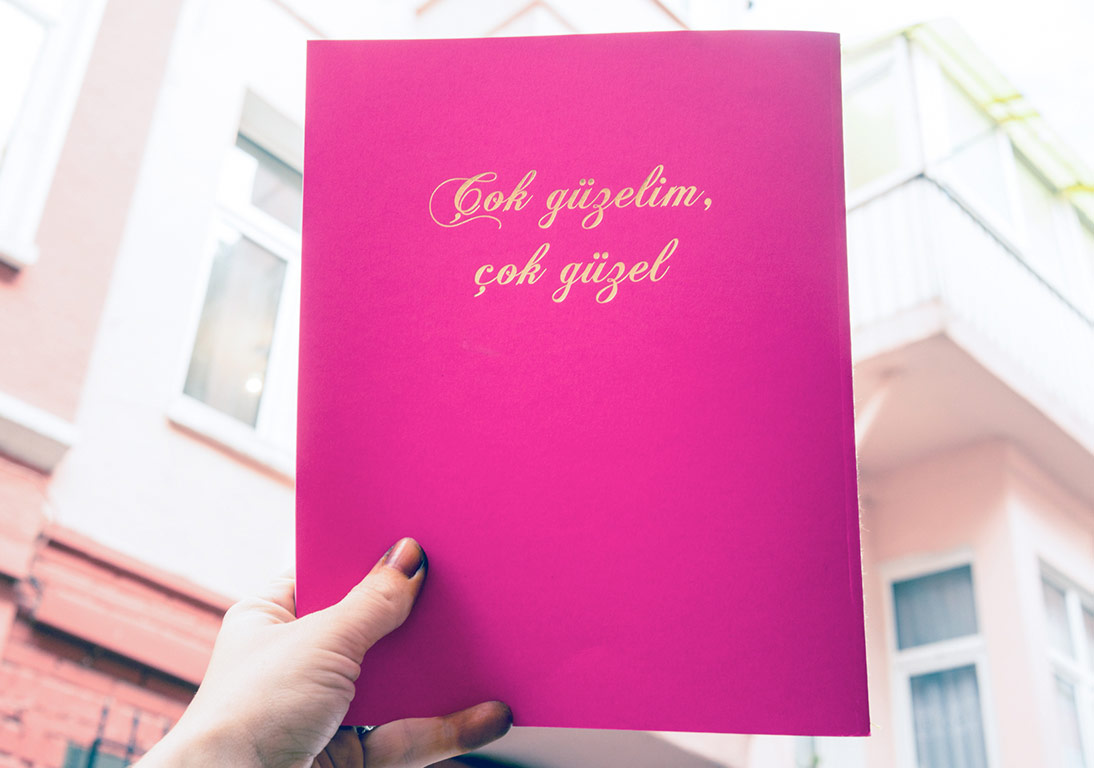
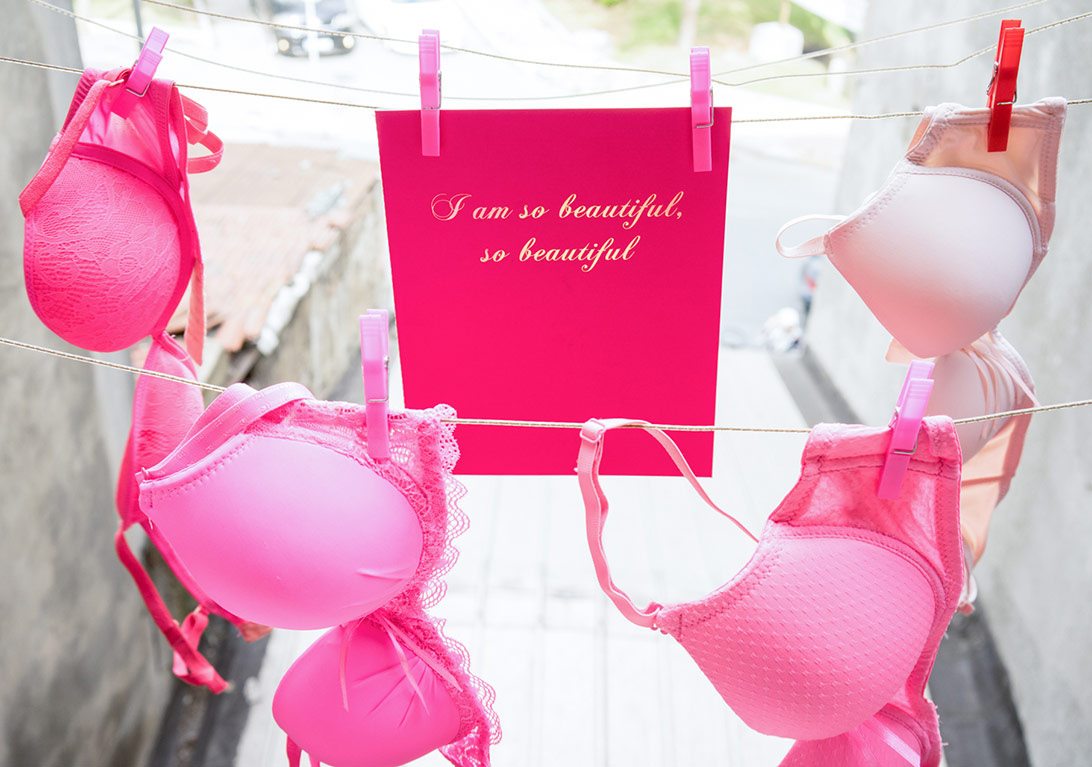
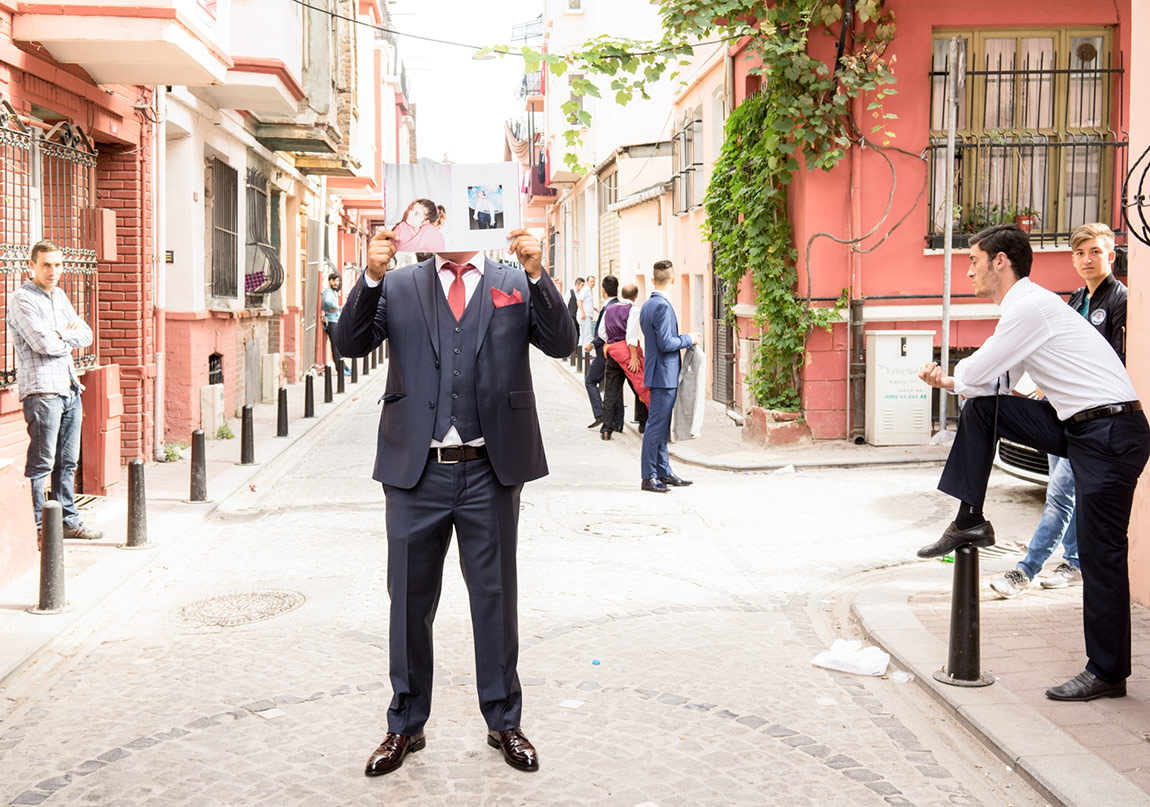
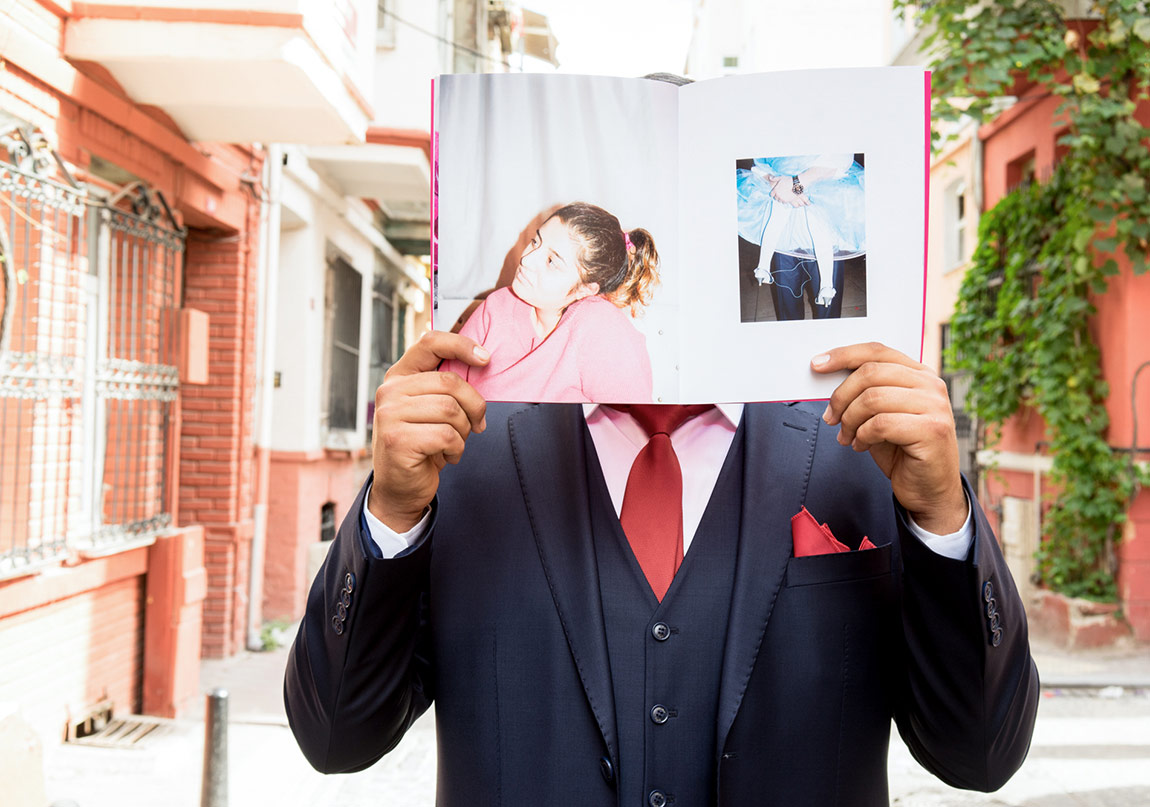
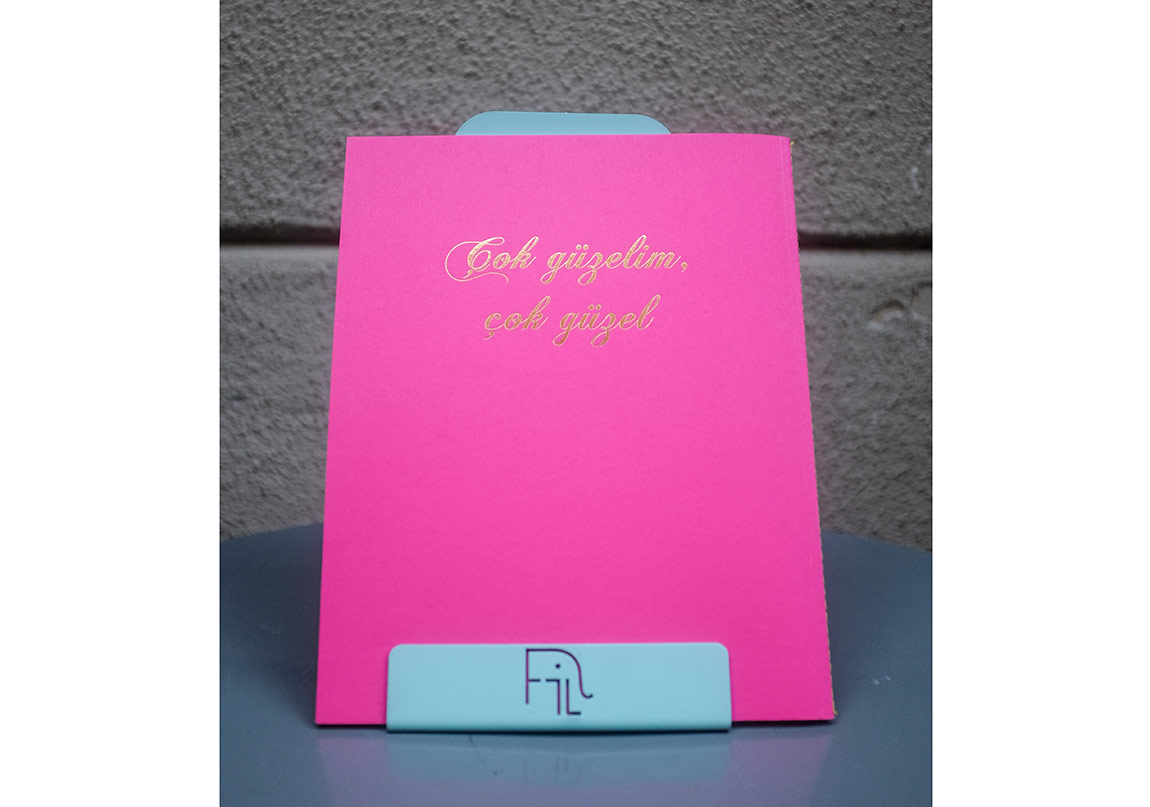
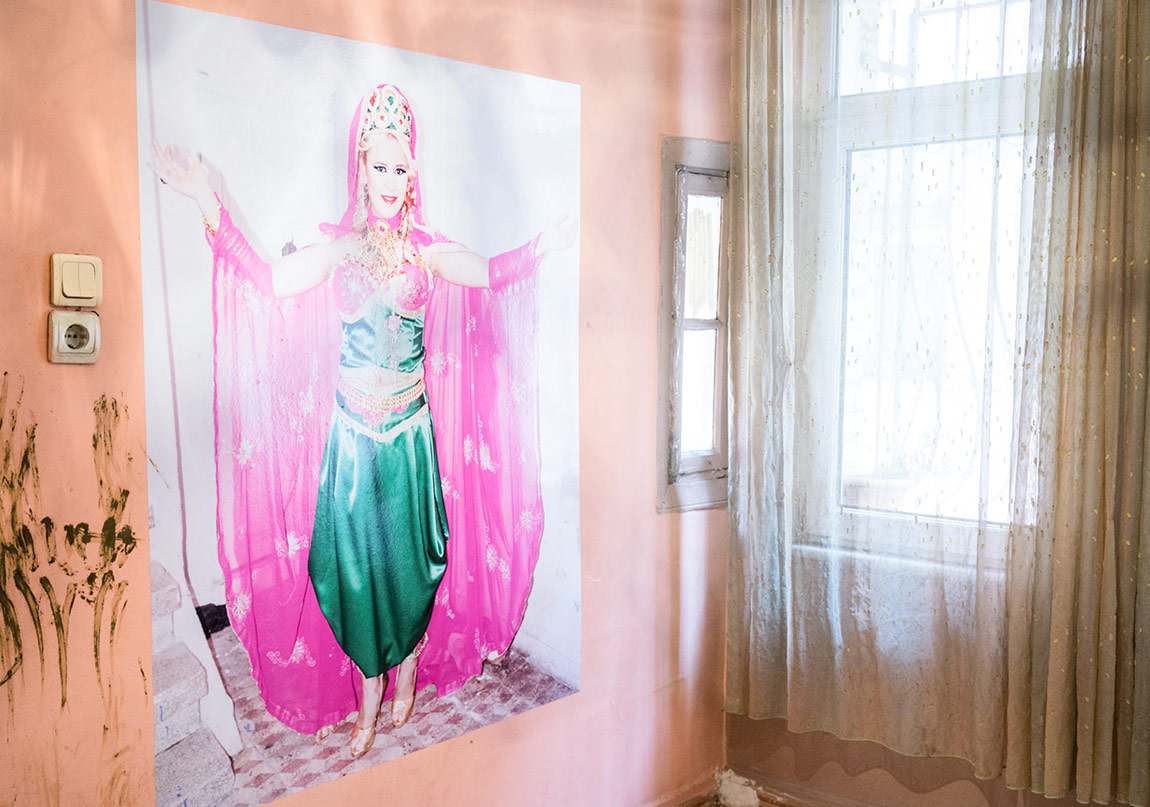
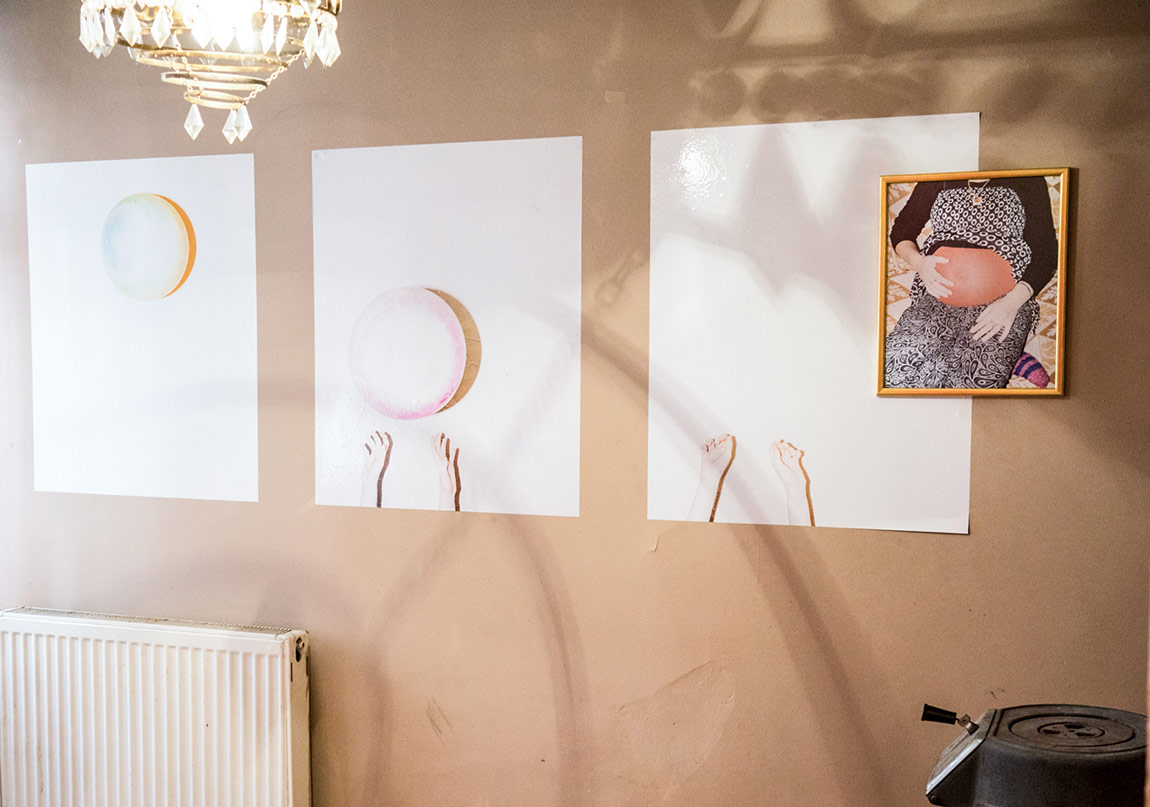
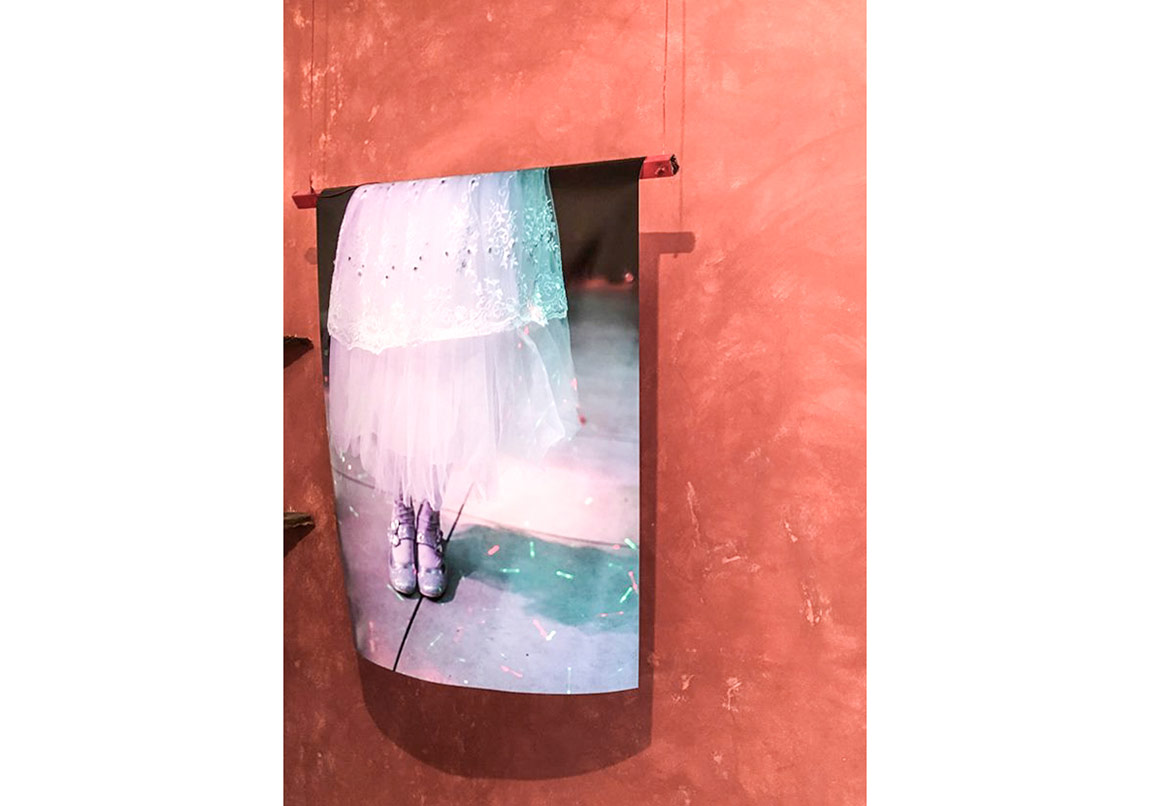
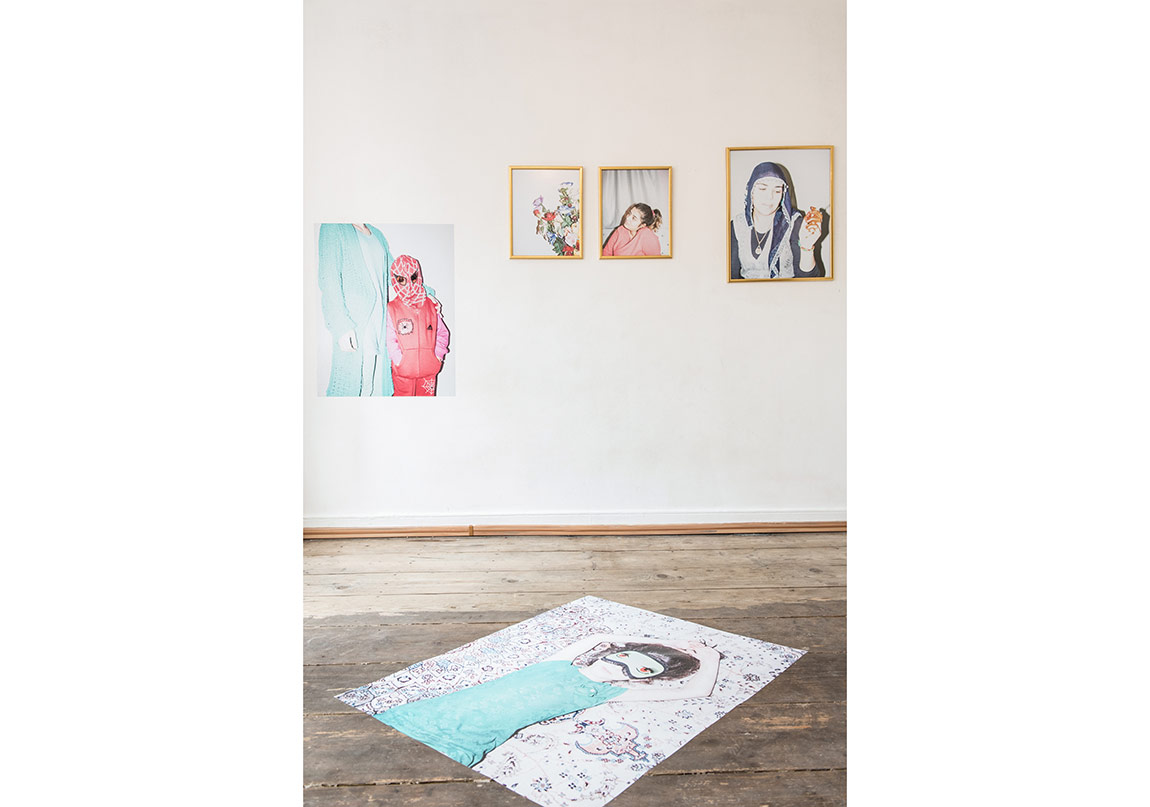
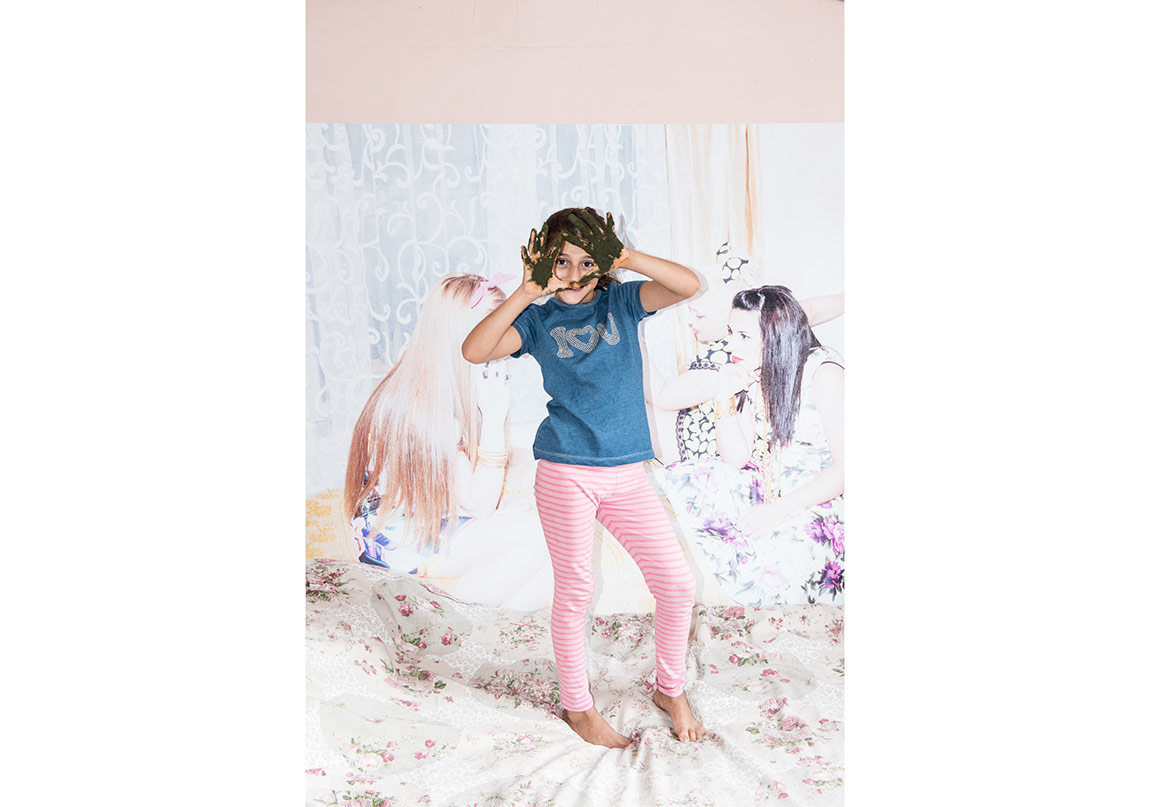
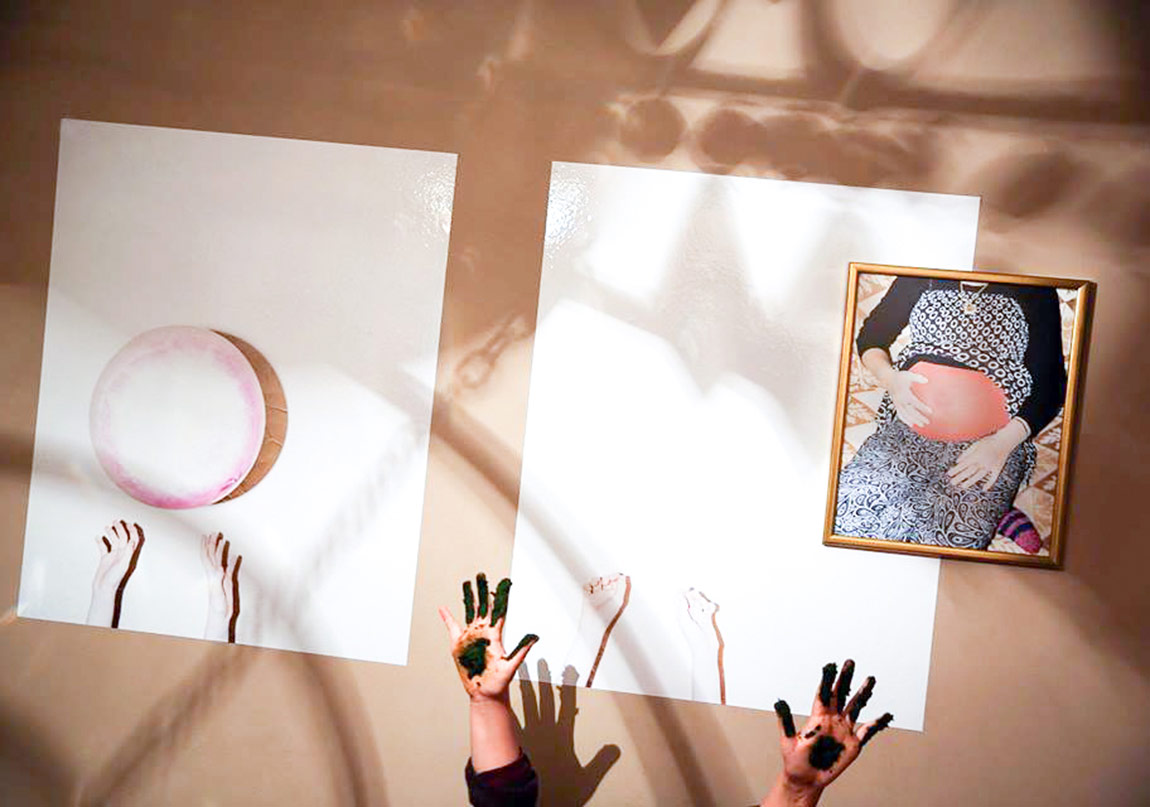
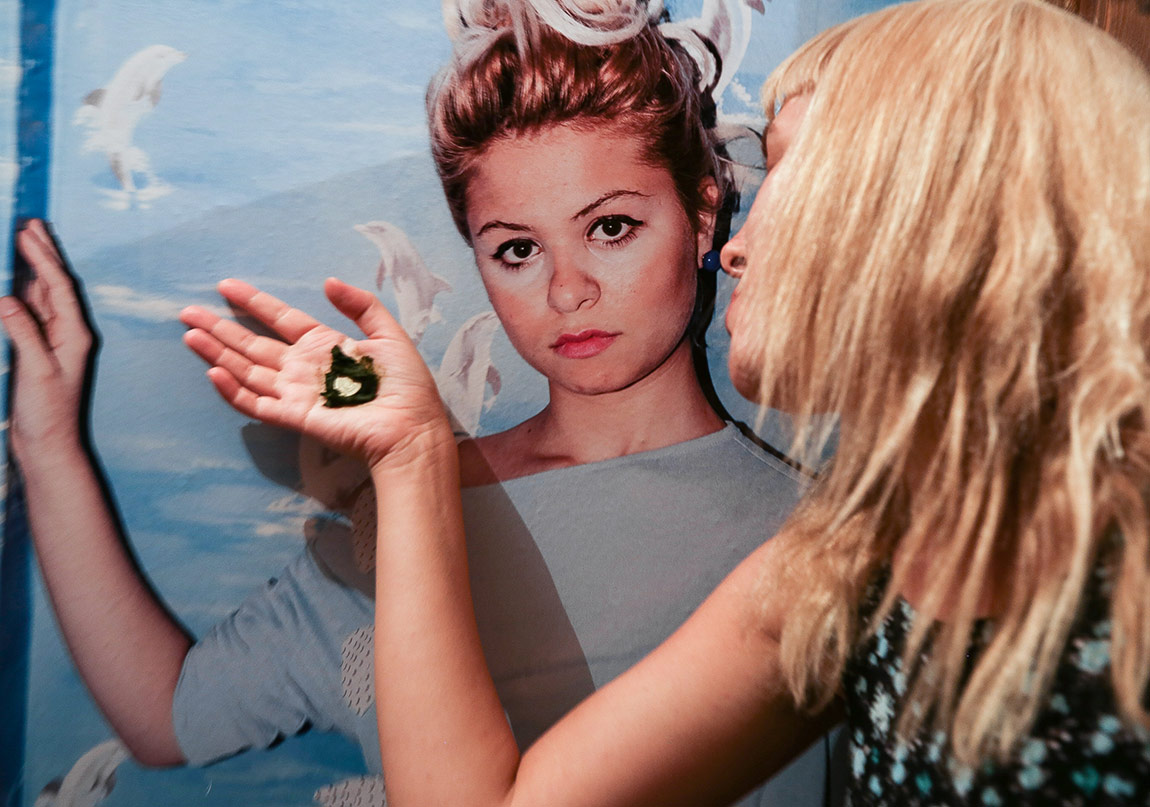
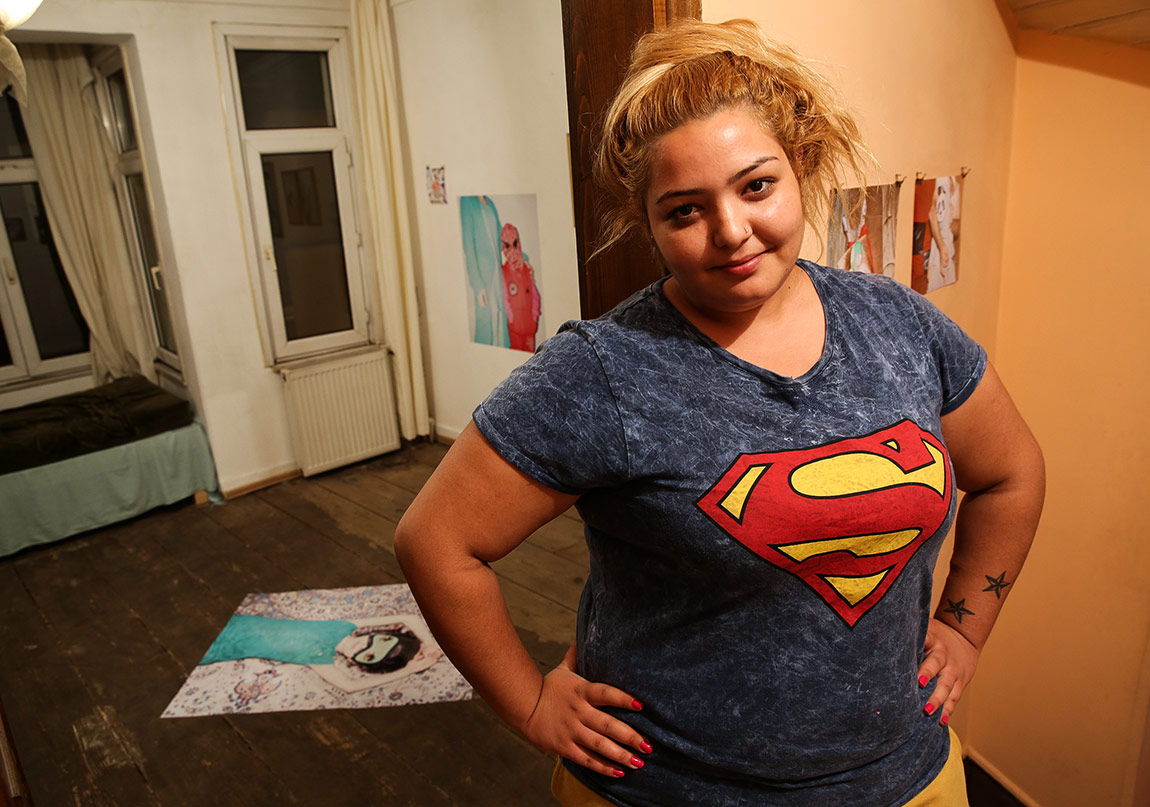
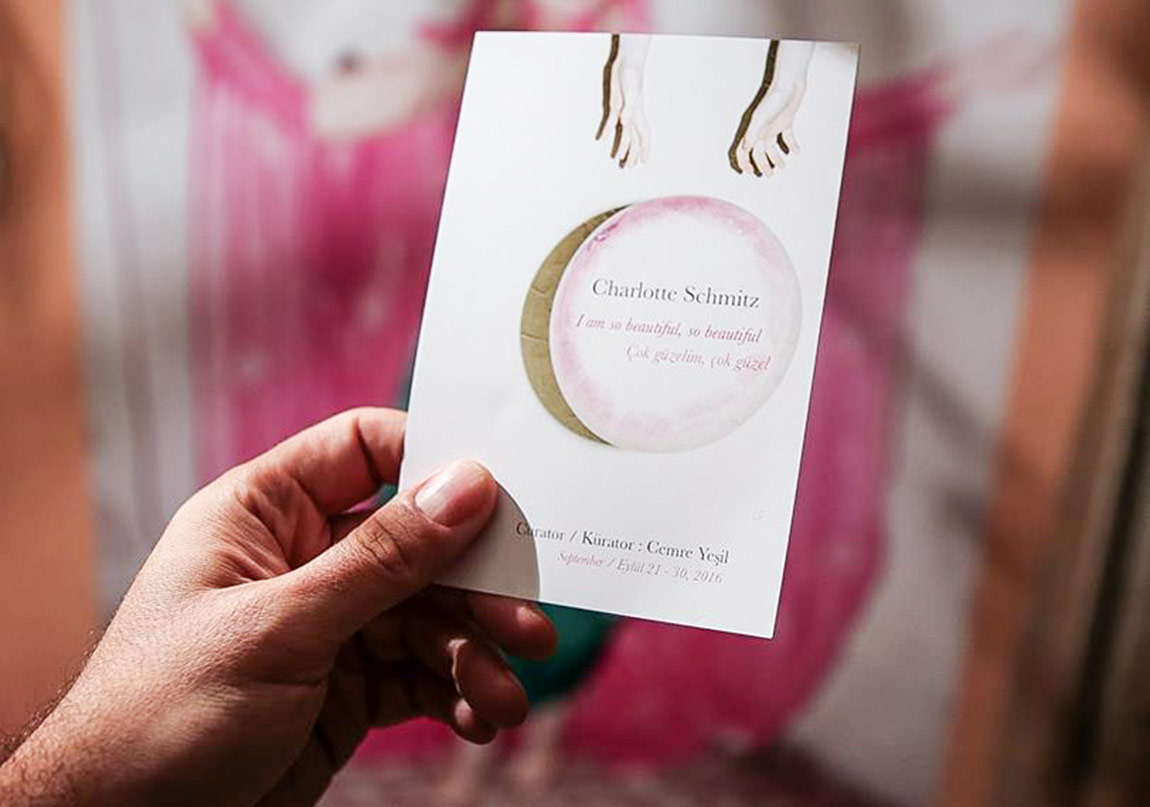
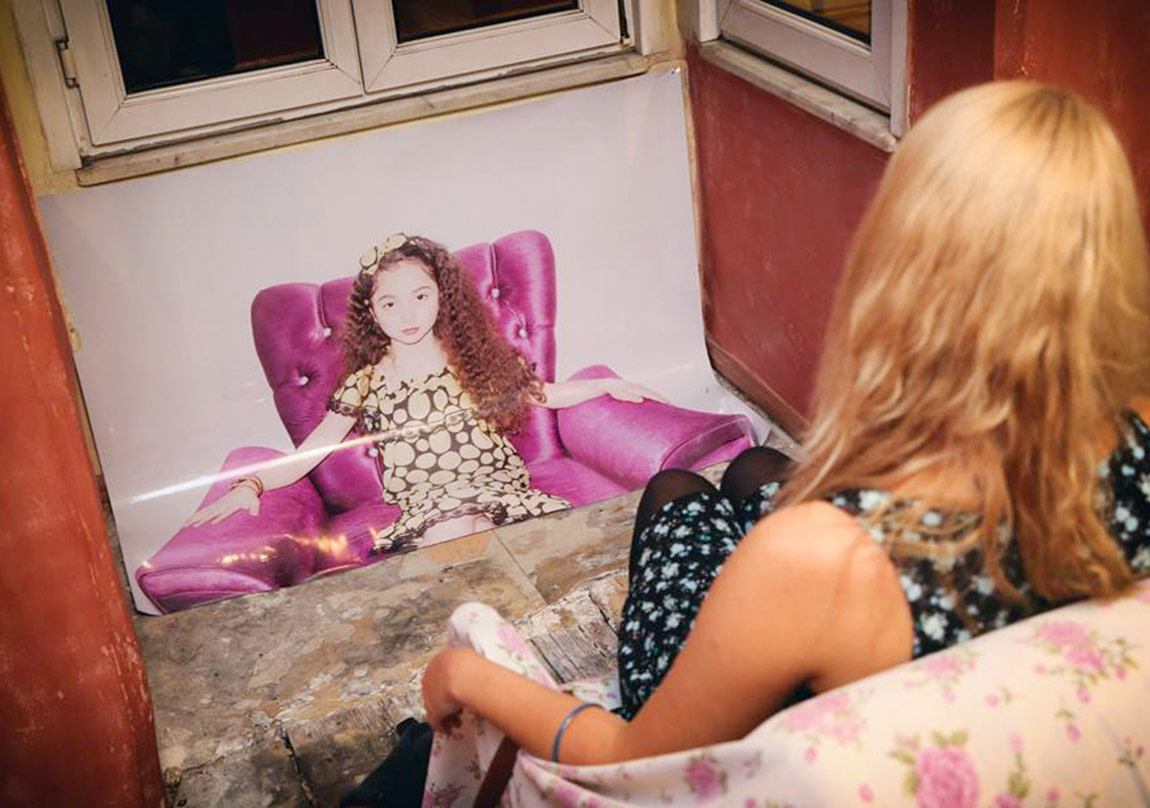
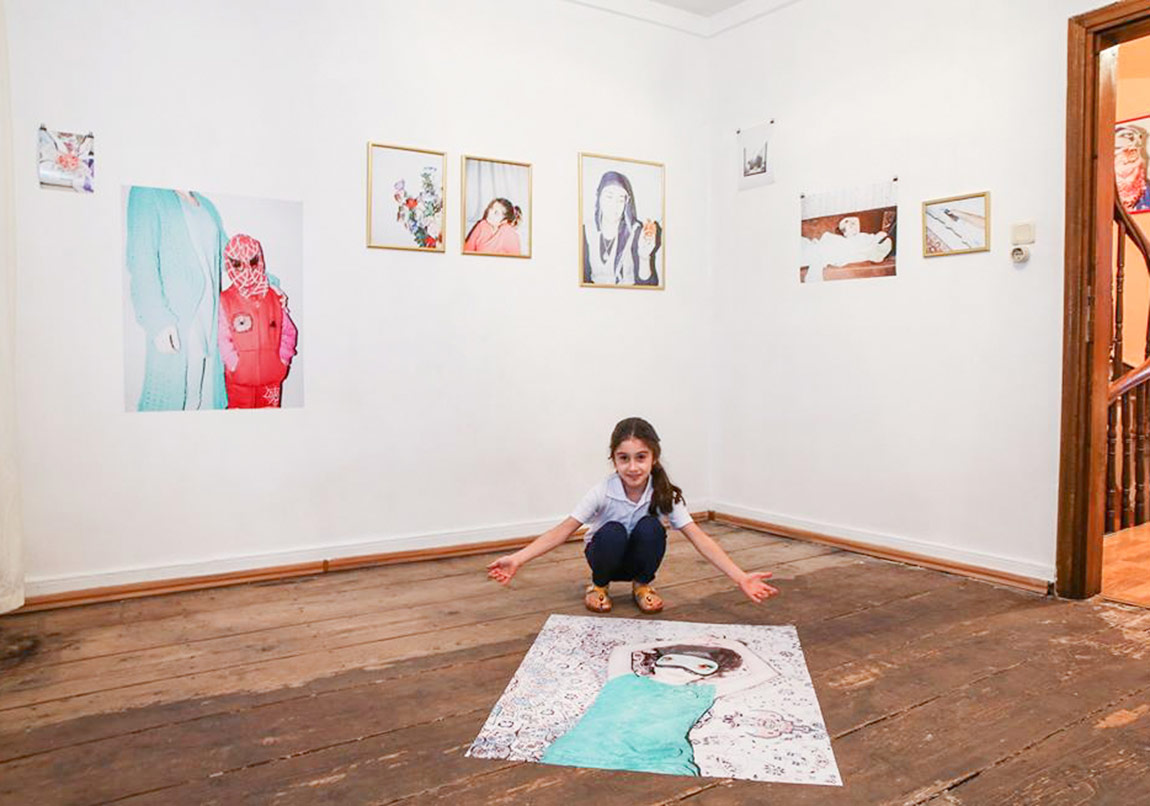
Çok güzelim, çok güzel / I am so beautiful, so beautiful is a manifestation of touching colours, shapes and forms through photography, rather than simply perceiving the light through the eye of the camera. Charlotte’s photographs are the experiences that teach
her the varieties of light, colour and intensity belonging to objects and subjects of touch. It is through her photographs that we again end up trusting our eyes to feel; the intimacy and the beauty.
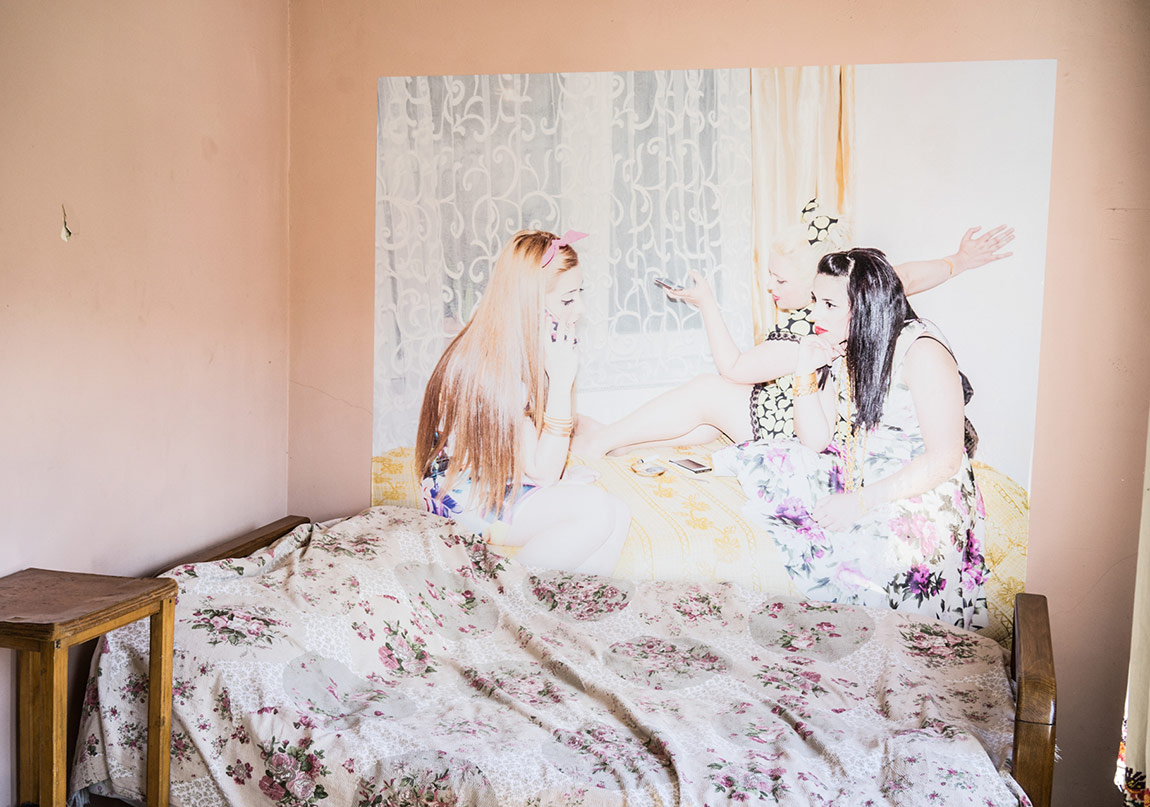
In-between the lives that seem to be orientated towards partner search, marriage and having children, despite not actually touching the lives that she has, we better understand what Charlotte sees through her sense of touch — which can be considered an instance for the pleasure that we receive through the things we ourselves cannot touch physically. Worthily of the name Balat, derived from the Greek work palation (In Latin palatium) meaning palace — weddings and celebrations that take place here are of massive importance. These effulgent occasions are for the girls and young women to showcase and display themselves, as well as to escape from the monotonous everyday life connected to the household. While men are in public spaces, women tend to stay in private. Charlotte focuses on the private, therefore the women — which recalls the political argument used as a slogan of second- wave feminism from the late 1960s: “The private is political.” Charlotte’s photographs underscore the connection between her personal experience and larger socio-political issues that refers to any power relationships within a house. Moreover, Çok güzelim, çok güzel / I am so beautiful, so beautiful becomes a photographic politicization of beauty through the politics of housework, marriage, motherhood, childhood, friendship, puberty, sexuality, family, celebrations, traditions, short-lived pop songs and perhaps Balat itself.
This central district on the historic peninsula that used to be deeply associated with non-Muslim settlements, Jewish and Greek in particular, has been one of the very first stops for every amateur (from Latin amare, amatorem; meaning ‘lover’) photographer of Istanbul. This is due to its old, authentic and colourful texture, which today is still inhabited by a multicultural society including traditional Turkish, Kurdish, and Roman families. However, not many of the photographers have been interested in, or were able to get into the ‘private’ within the conservative and patriarchal structures of current local families. Speaking of privacy and intimacy, one should remember Silva Bingaz’s significant photographic series entitled Balat (2015). This series focuses on the human-space relations in this coastal urban area in which the century-old residents are being replaced by a new cosmopolitan crowd, and where the ancient historical elements can only be revealed by an attentive touch.3 Bingaz, as always, made deep contact with her subjects through photography, mostly in the streets of Balat, and depicts the private within the public space that is on the edge of change. Both bodies of work not only reinforce the conception that the private it political, they also reveal something crucial about beauty: “The private is beautiful!” — regardless of the surrounding obstacles.
The intimacy and strong bond between the women that are depicted in Çok güzelim, çok güzel / I am so beautiful, so beautiful is perhaps a testimony to the aspect that ‘The private is beautiful’. Thus, it is not only in interpersonal relationships that we find intimacy; it is there in how young girls dance to pop songs with noteworthy lyrics, on the screens of cell phones, in the bottom of Turkish coffee cups, in their gold, in their pink and even in their cropped out faces that we are not allowed to see.
Talking about her own work, the great photographer Nan Goldin once said: “I photograph out of love... and out of willing to touch them in a way, some way. So I only photograph people who touch me.”4
Charlotte too touches the people who have touched her. Her use of flash towards this splendid and luminous world is perhaps the photographic mimic that highlights this mutual love. And yet, beyond the similarity between the names Charlotte and Şükran, I do not think that it is by accident that the people she photographed gave her the Turkish name ‘Şükran’, which means gratitude. French writer Marie-Henri Beyle, more widely known as Stendhal, tells us that the beauty is the promise of happiness. This exhibition which takes place at a house of pinkish white lies where girls often told their parents they were going, when instead going out elsewhere, is a double take for Charlotte’s Turkish name through a return of photographs, as a way of showing Charlotte’s appreciation to the people of Balat, and promising them happiness out of the beauty she had found in them.
1 Mavor, C. (1996). Pleasures Taken: Performances of Sexuality and Loss in Victorian Photographs. London: I.B. Tauris.
2 Cameron, C. (1835) And Essay on the Sublime and the Beautiful. CreateSpace Independent Publishing Platform
3 Bingaz, S. (2015) Balat. Available from <http://oktemaykut.com/exhibition/silva-bingaz-balat/>
4 Tateshots: Nan Goldin. (2014) London. Tate Museum. 6 min. Available from <www.channel.tate.org.uk>
;