You have founded Communicating the Museum in 2000. Could you summarise the history of CTM? Have you approached your aim that you have imagined in the beginning to found the organization?
The Communicating the Museum (CTM) conference was founded in 2000 by Corinne Estrada, founder of communications agency, AGENDA alongside Damien Whitmore, at the time Director of Communications at Tate. CTM encourages a dialogue between museums, drives innovation, inspires new ideas, explores trends in communication strategies and fosters lasting relationships among worldwide institutions.
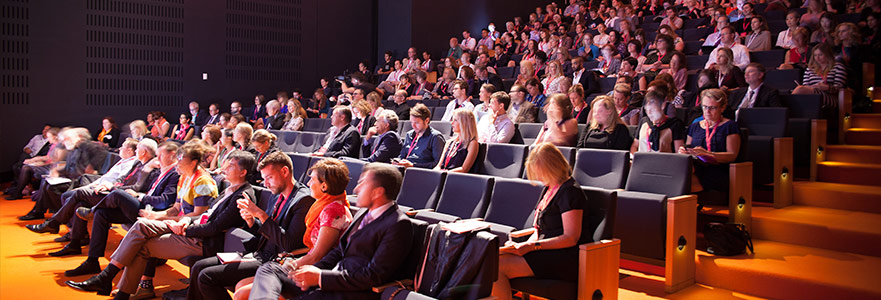
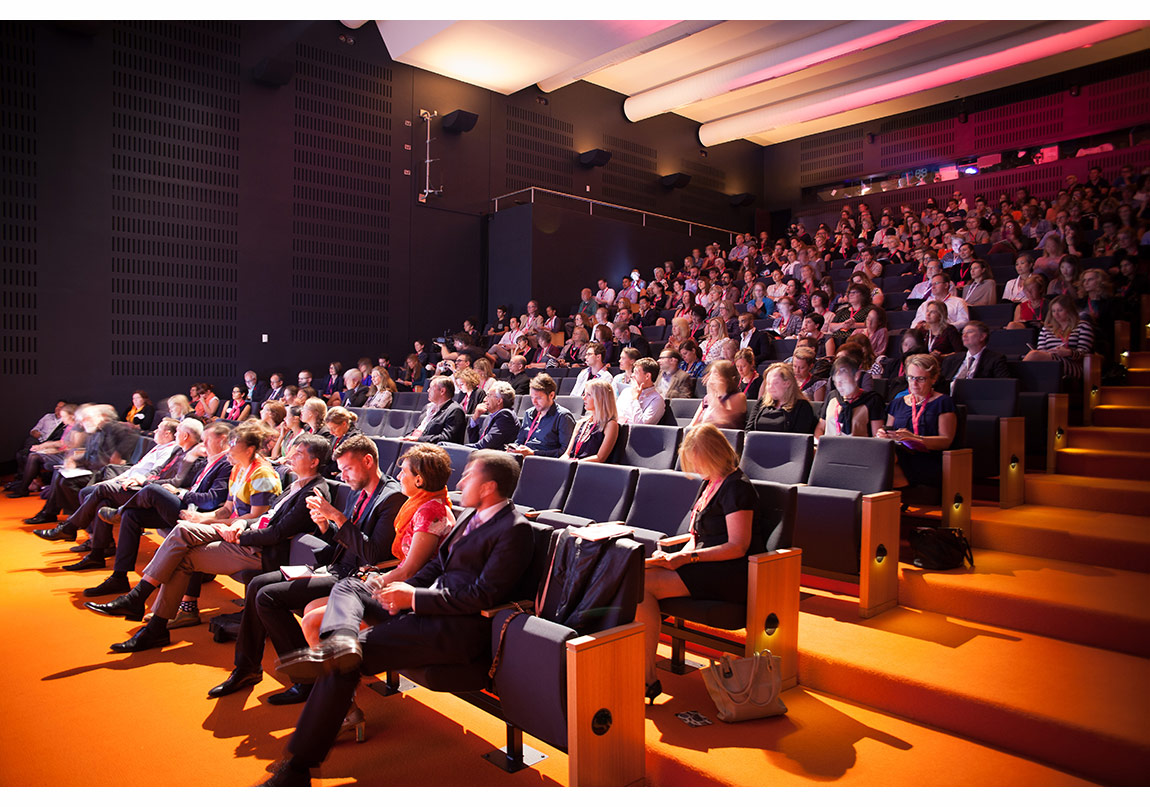
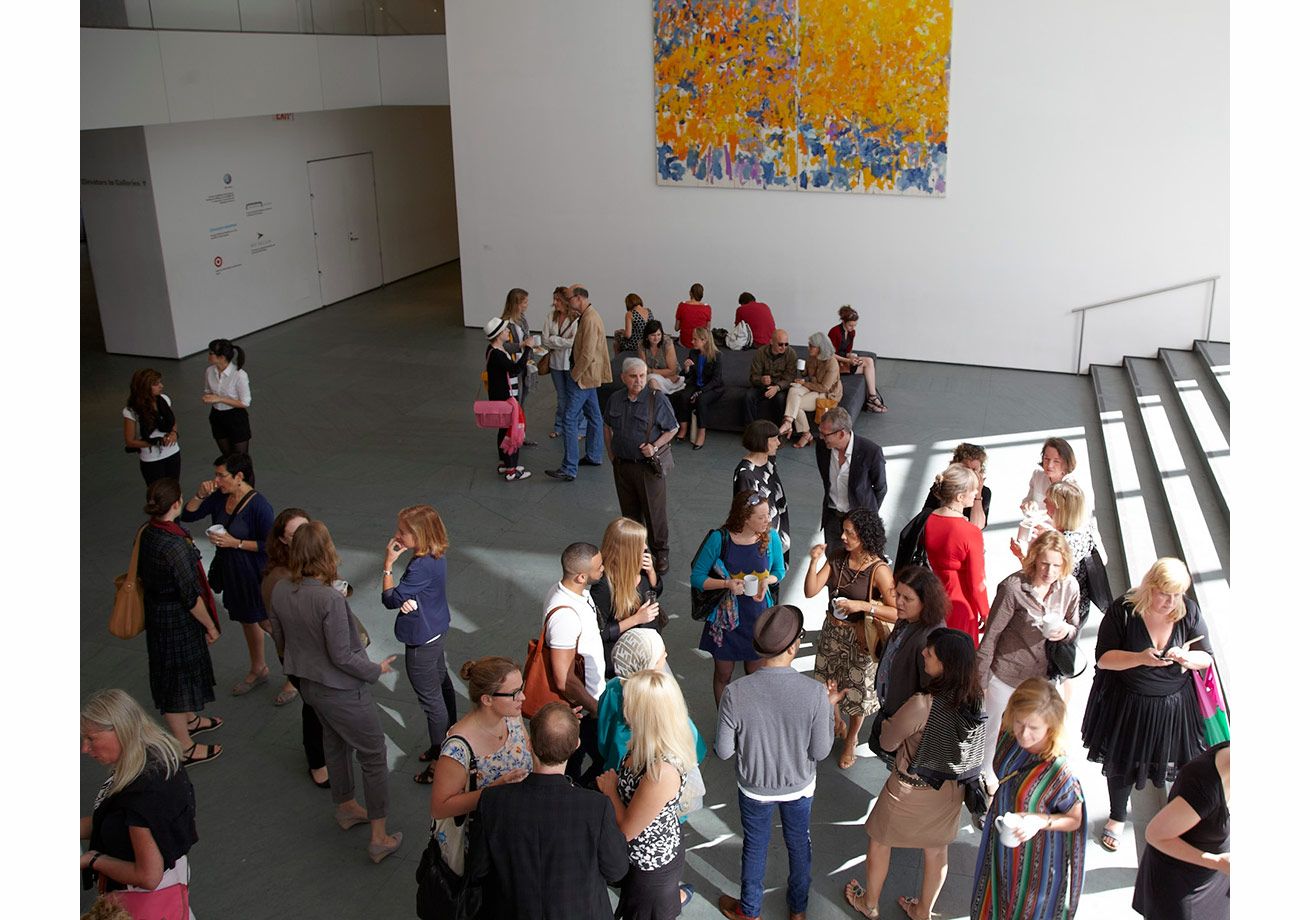
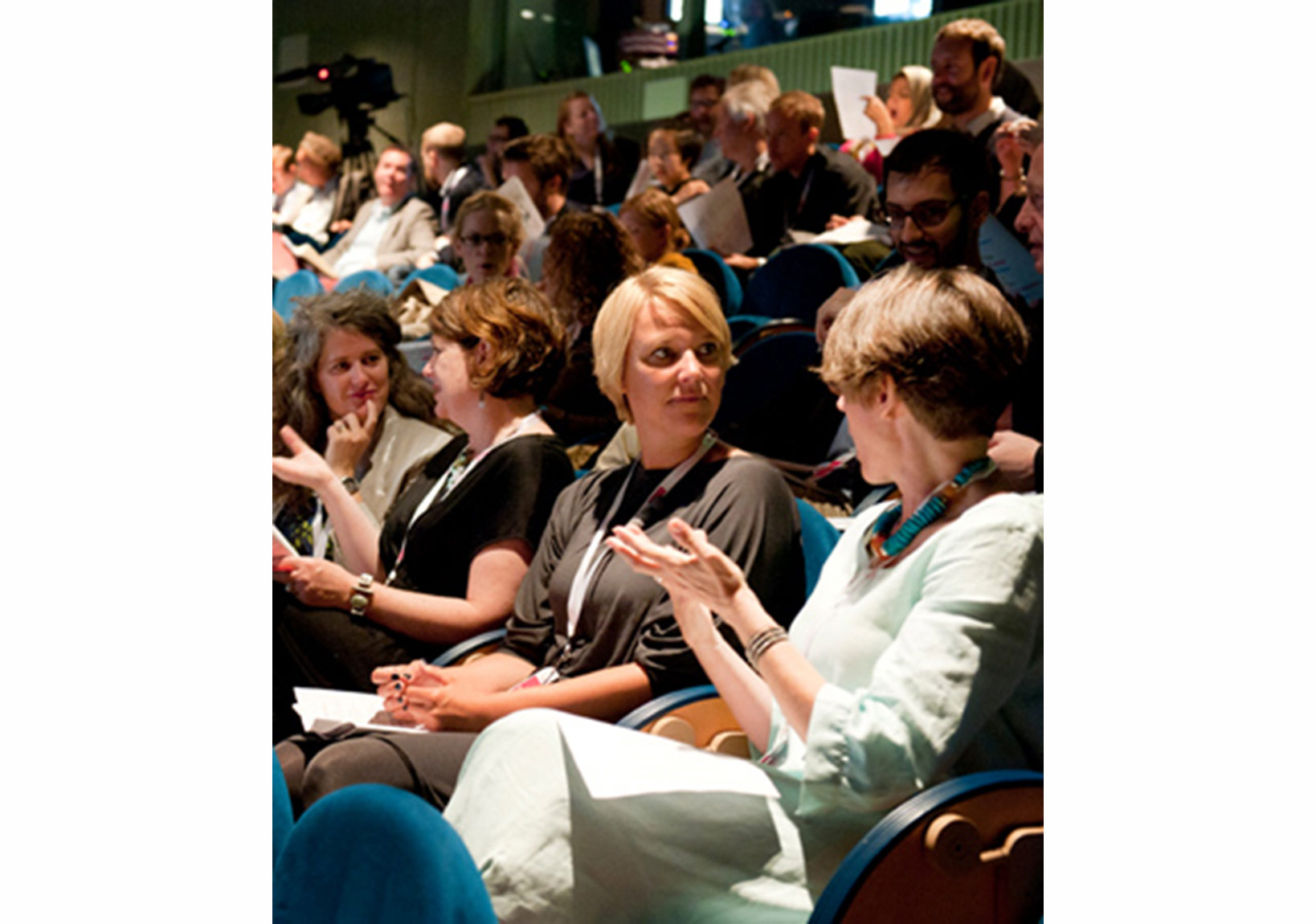
Yes we approached our aim, each year we gather communications professionals from over 2,500 arts organisations from 40 countries worldwide in a new cultural city.
Which cities you’ve organised the CTM meetings, before? How you decide the location every year?
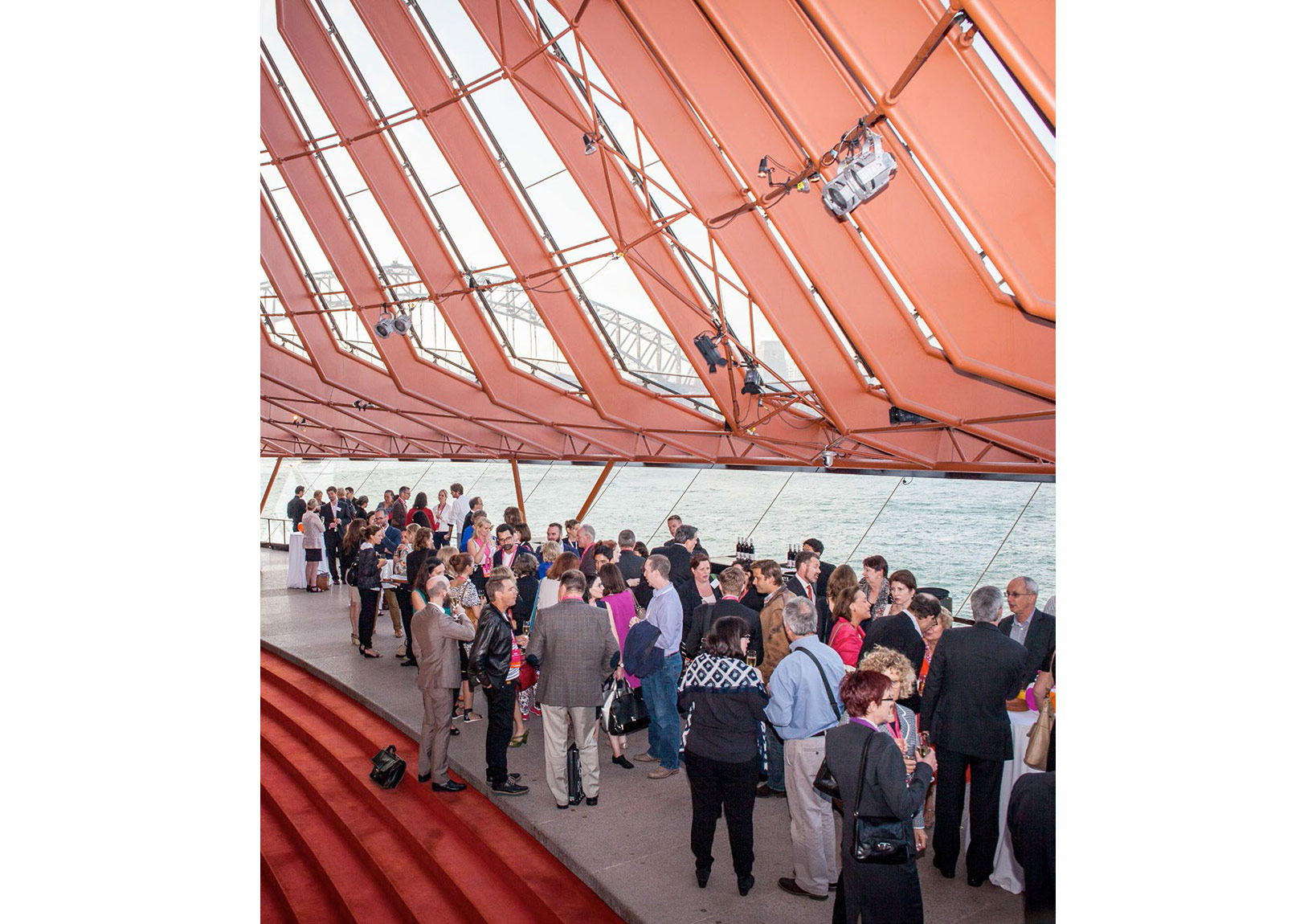
In the past we have been to Syndey (2014), New York (2012), Stockholm (2013), Venice (2008) and many other cities. We always ask our delegates in which city they are interested in and they would like to discover and then we try to make it happen. We are always looking for inspiring and refreshing citys.
Could you tell about the this years focus and programme? What/Who are the highlights of this years programme?
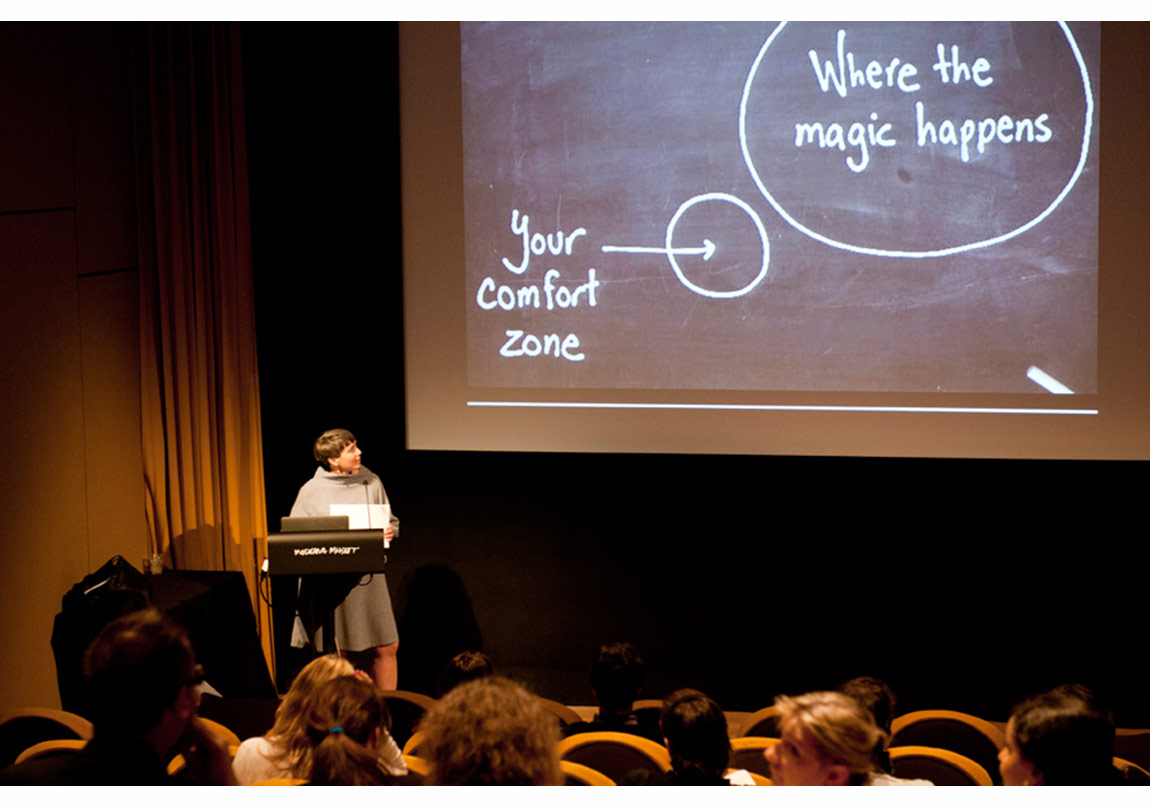
In Istanbul, 300 international museum professionals will meet for three days of exciting programming: 63 speakers, and--new this year--a Learning Safari across Istanbul with opportunities for exclusive visits and workshops in the city’s most important museums and cultural institutions, including Istanbul Modern, SALT, Pera Museum, the Museum of Innocence, SPOT Project and Istanbul Biennial. Cutting-edge conversation topics and interactive seminars about branding, communication strategies, and the new technology that is transforming museum communications will inspire delegates with new ideas of how to run an art organization in line with this year’s theme: The Art of being Contemporary”
Conference speakers include:
- Elizabeth Ann Macgregor, Director of the prestigious Museum of Contemporary Art in Sydney, who will open the conference by addressing the topic of being contemporary as an asset for museums
- Mike Sarna, Director of Collections and Public Engagement for Royal Museums Greenwich will speak about innovative and creative partnerships for entrepreneurship in the museum world.
- Vasıf Kortun, Director of Research and Programs at SALT, a cultural institution putting research in the center, will question branding,
- Jeff Levine, Chief Marketing and Communications Officer of the Whitney Museum of American Art in New York will provide insights about the reopening of the year.
- Paula Röhss, Director of Communications and Audiences of the Nationalmuseum, Sweden will address the challenges and opportunities of a museum closing for an extended period,
- Amy Heibel, Vice President, Technology, Web and Digital Media at the Los Angeles County Museum of Art will share new ideas for web and digital strategy.
- Prem Krishnamurthy, Designer and curator, Project Projects, NY will talk about the future of institutional identity
Conferences focus on the outside of the museum world on business, marketing, technology, corporation and branding. What do you think is/are the most important about managing a museum and reaching different audiences other than the content?
The role of museum has changed. Being a museum nowadays means to become a social platform and not just hold an art collection. Reaching many different audiences inside and outside the doors of the museum is the main challenge. There are many different tones of voices and many different levels of expertise that museum adopt in order to engage with these audiences successfully.
You’ll be giving a workshop about World Cafe’ methodolgy. Could you tell about it?
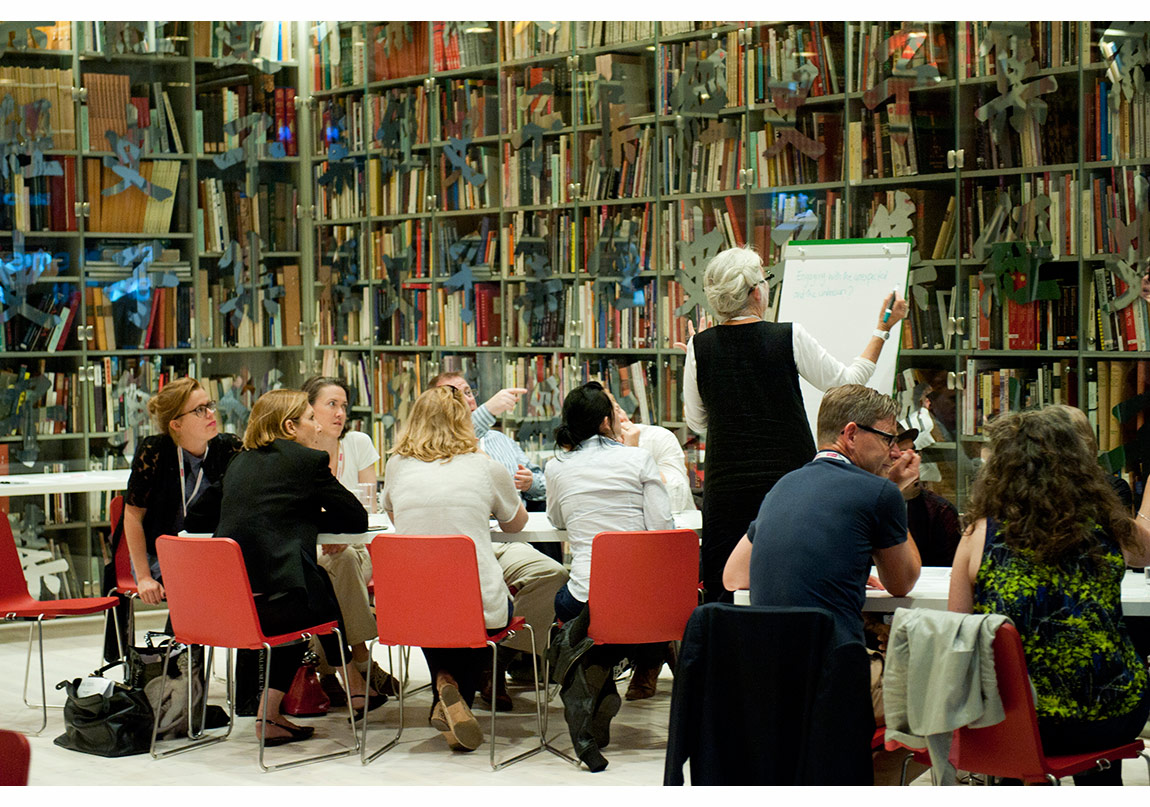
The world Café is a participative session involving all participants to work together. It is an exercise of collective intelligence. Delegates work in small groups and have to create content for the conference. The objective is to digest and teach the key learnings of keynote speeches. It is a great session to share working experiences and understand other points of views from different experts
What is the role of communication and branding for museums? What are the key points that you can highlight?
Branding and communication started to be very important topics for British museums in the 90s. It became a challenge for all international museums since the years 2000. To meet the visitors’ expectations it became vital to build a branding strategy. It involves much more than a logo, but also the values and mission statement of the museum, the collection, the staff, the shop, the social media and all components which talk about the museum and are part of the brand
What do you think about the museum scene and museum managing, branding strategies in Turkey?
I think Turkey offers an interesting mixed art scene from the archeological heritage to design, fashion and contemporary art. The taste for Contemporary art is still very new in Turkey. It mainly appears in Istanbul and Ankara. The branding strategies are also very new. Cultural organisations based in Istanbul and Ankara such as Salt, Museum of Innocence, Pera and the Istanbul Biennal have greatly contributed to raise the profile of Turkey as a dynamic cultural destination and build a positive brand awareness. Now, the rest of the museums in Turkey have to follow those examples and learn how to develop international communication and branding strategies.
;