We know and regard you as one of the strong female figures in Turkish contemporary art. Using a variety of media including photography, painting, and installation, you exhibit a polyphonic and unique, defined stance.
In comparison to when I started making work, the perspective on art has shifted across the world; it is necessary to keep up with these developments. As people who are working in the arts, we need to constantly renew our perspective on the world and on art, following closely the developments. While doing all of this, I need to make a lot of effort to remain true to myself. It is easy to swerve onto different paths, drawn by the interesting, different movements, but I know that if I don't use the elements that make me who I am, I'm going to be lost among the others.
How do different modes of narrating contribute to you and your production?
As a person, I'm progressive and open to new developments. When I work on the same kind of works for a long time, I feel like I'm draining myself. I start to get bored with myself, with the work that I'm making, with everything. The best way to prevent this from happening is to start working in a different area and to let the rest brew for a while. Then the excitement of starting on new things produce the dynamism that you were talking about.
We see the female figure as a central aspect of your work. What is the reason behind the foregrounding of the female figure in your works?
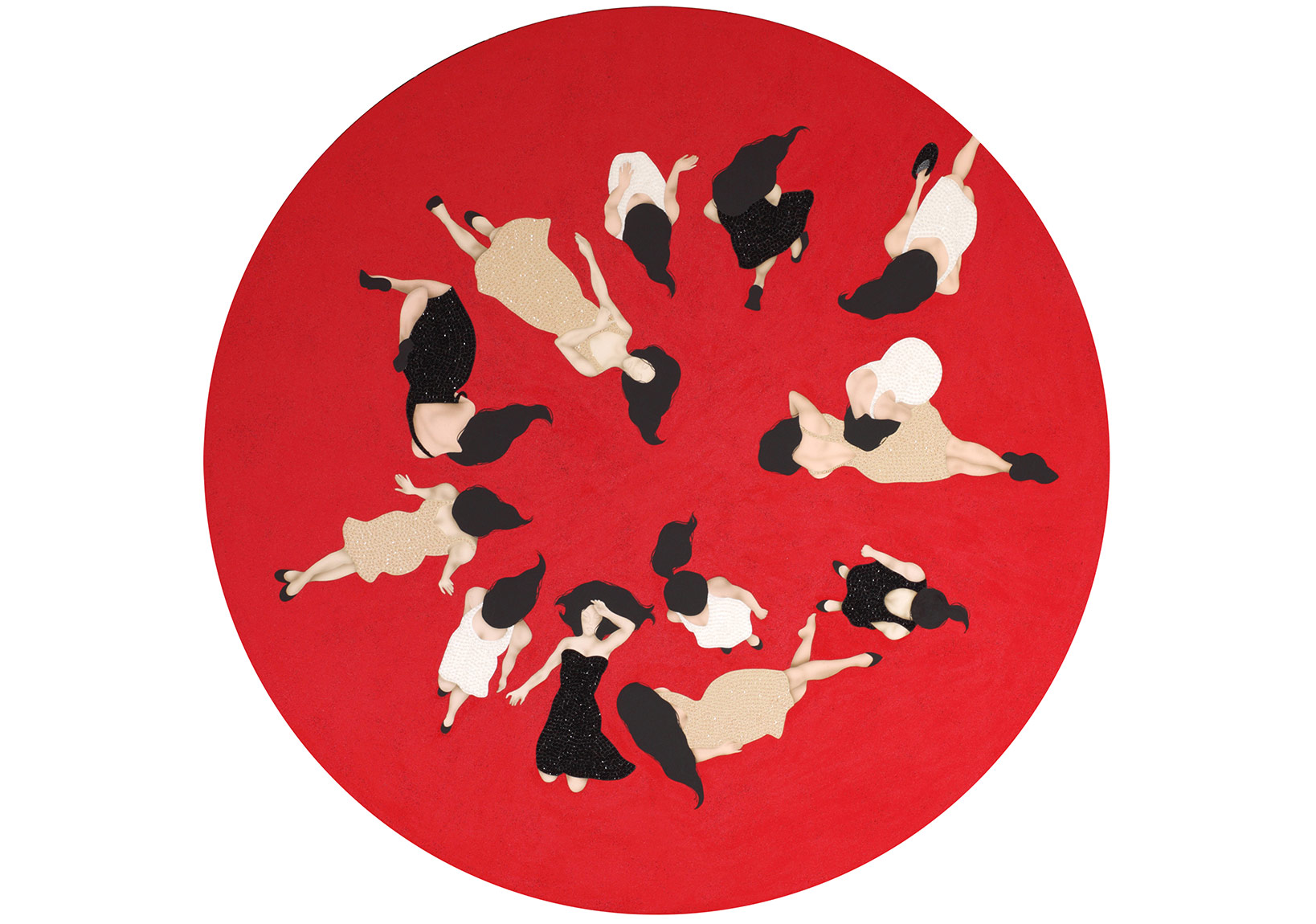
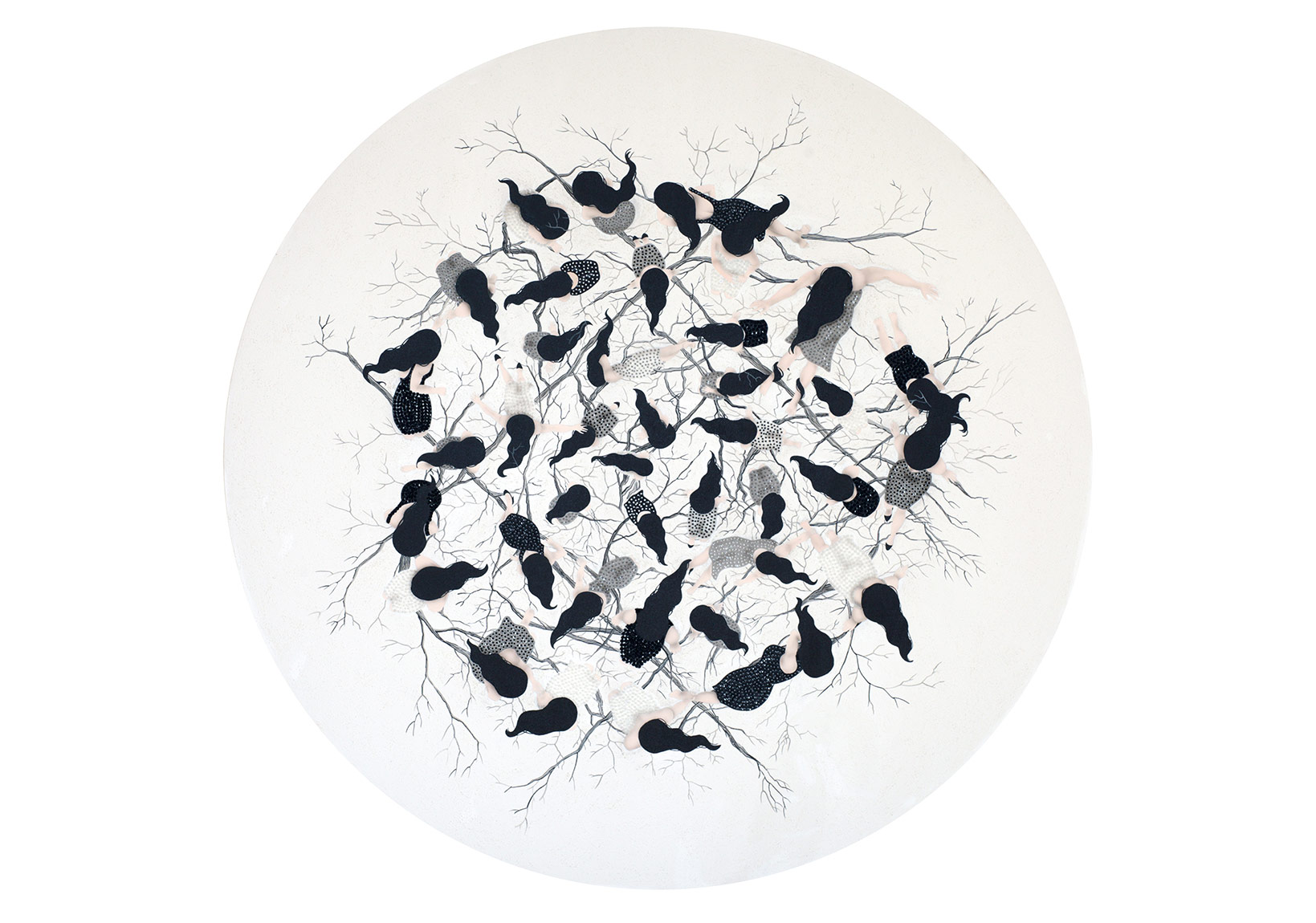
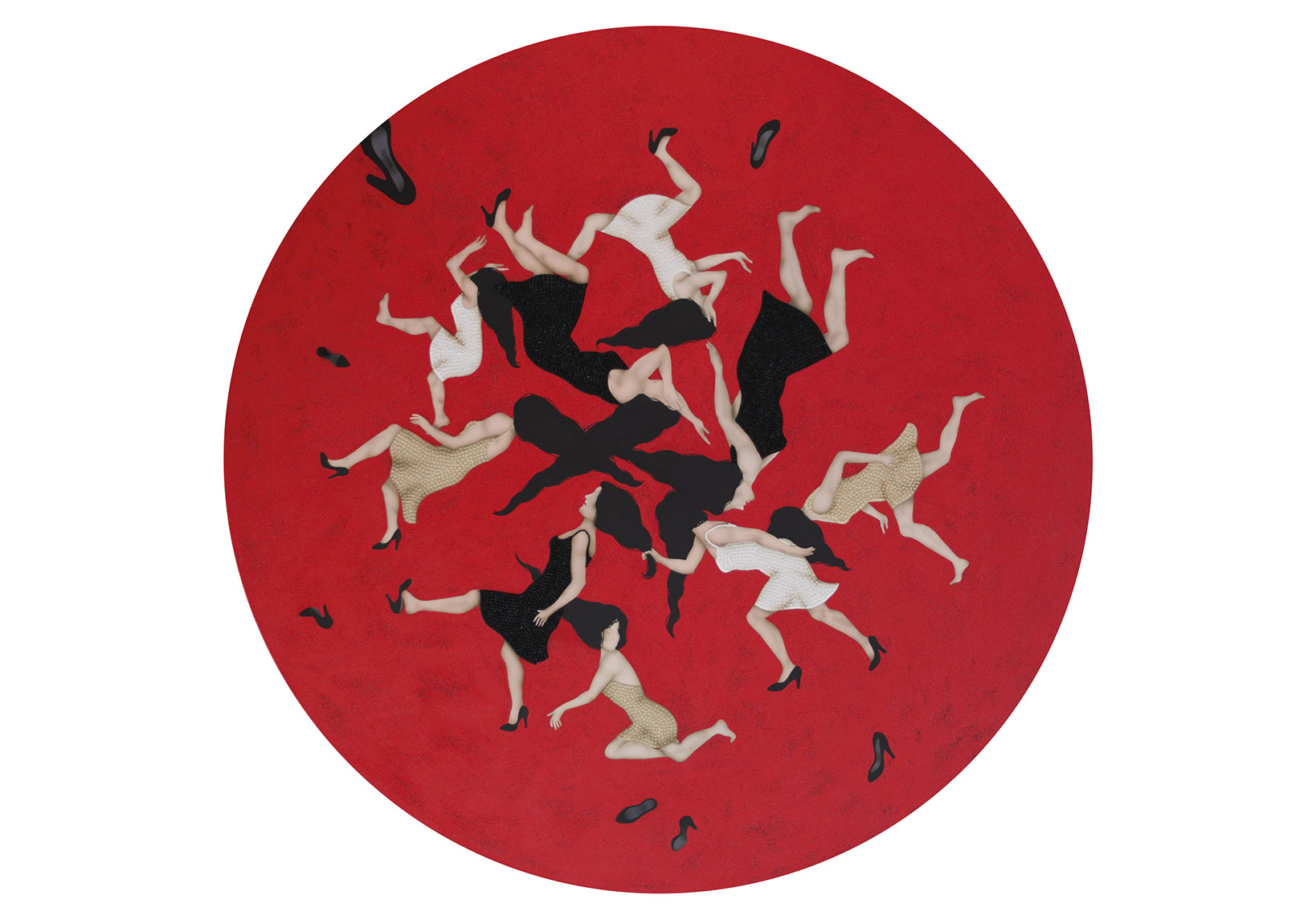
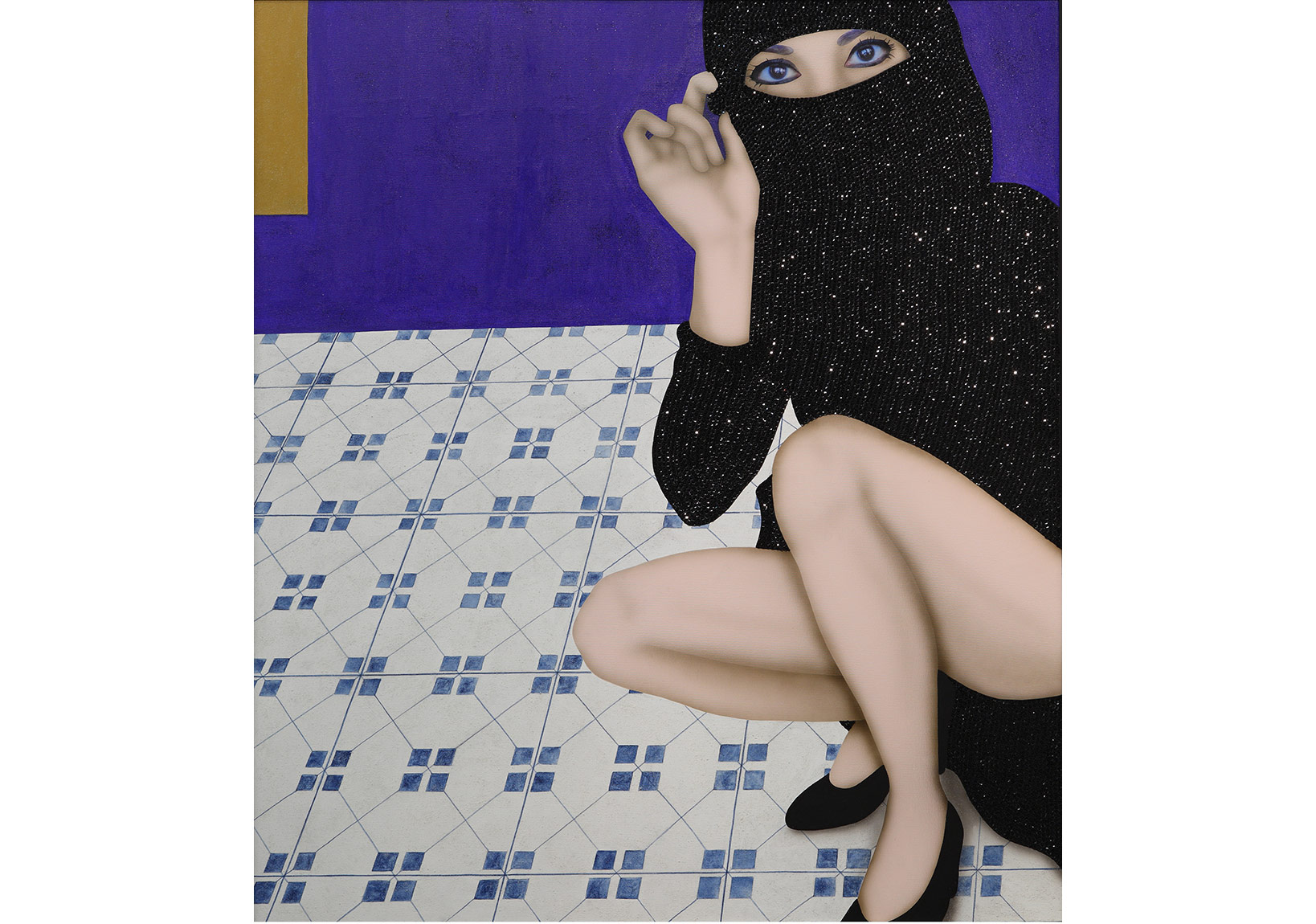
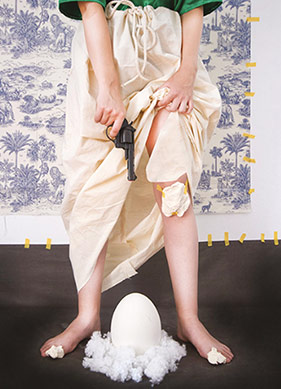
As a woman, it feels right to me to work on the being that I'm most familiar with. I make works that tells women who are pushed and shoved in society, to stand on their own two feet without expecting the support of their fathers, their husbands, to stand up for themselves, support each other instead of bicker. I try to articulate these thoughts through an ironic language, without using clichés. My job is not to be didactic; those who want to understand my work can easily read the subtext.
Your photographic works offer a different experience to viewers while creating variety among your works. Could you talk about your photographic works and the visual language that you use in your photographs?
I studied photography alongside my graphics education in school. I then photographed for years, sometimes I was a photography editor for magazines, but I never thought to open an exhibition for my photographs. I used to think that everybody should have his or her own unique language in photography and I had not yet developed such a language. Just like all my other works, my photographs needed to carry a piece of me and relate to the rest of my works so it could be my own and be sincere. Because otherwise, it would not be possible for me to have my own place among so many photographers who take great photographs. I found my subjects in myself, in my home, in my objects and I realized it was time to exhibit my photographs as soon as I discovered my own world in photography.
Last year, you had a comprehensive exhibition "Room without a View" in November/December last year. You featured a new 9-minute film based on your father Atıf Yılmaz's famous film, "Aaahh Belinda." You had experimented in cinema before. Do you have short or feature-length film projects?
Yes, in the past, I have been the art director of three of Atıf Yılmaz’s films and made the posters for many of his films, the credits, took set photographs. When I was working on this exhibition, I wanted examples from all the different fields I worked in to be featured. Short film was one these fields. Until then, I had only made homemade video works. “Ahh Belinda!” was very appropriate for the format that I wanted to use, approaching the topics of exclusion, alienation, othering from a gay man's perspective, which were among the issues I explored in this exhibition. The two overlapped so much that I had to look at the situation from their perspective. I always have projects, but I never know when I'm going to do what. When the time is right, something pokes me and I just delve into it.
What is your evaluation of Turkish contemporary art as someone who is both an insider and an outsider?
We see that a lot of progress has been made in Turkish contemporary art. But as Turkish artists, we have not yet been successful in having a stronghold in contemporary art on a global scale. I notice that a small community recognizes even the artists who participate in biennials and this community is the elite of the contemporary art world. But unfortunately, if the right relationships are not formed, there is not much demand for these names from large museums, from collectors. Turkey just started to formulate ways to support their artists abroad, for example through the SAHA Association. These efforts will bring in the finances and networks required to have Turkish artists recognized abroad.
What is your evaluation of the 14th Istanbul Biennial?
First of all, I found this biennial to be very creative. It hosts an interesting system of thought that requires viewers to be participants and to be both interactive and creative. The idea of including addresses that are parts of the works, areas that do not include works is very creative. I had also really enjoyed the Documenta curated by Carolyn Christov-Bakargiev. Some of the included works are repetitive, not saying anything new, some are too obvious and some rely too much on craftsmanship. My favorite main venues are the Greek School, Büyükada and Küçük Mustafa Paşa Hamamı. And of course all of the works that are not there.
Could you talk about your work that will be exhibited at Contemporary Istanbul? What kind of work will we see?
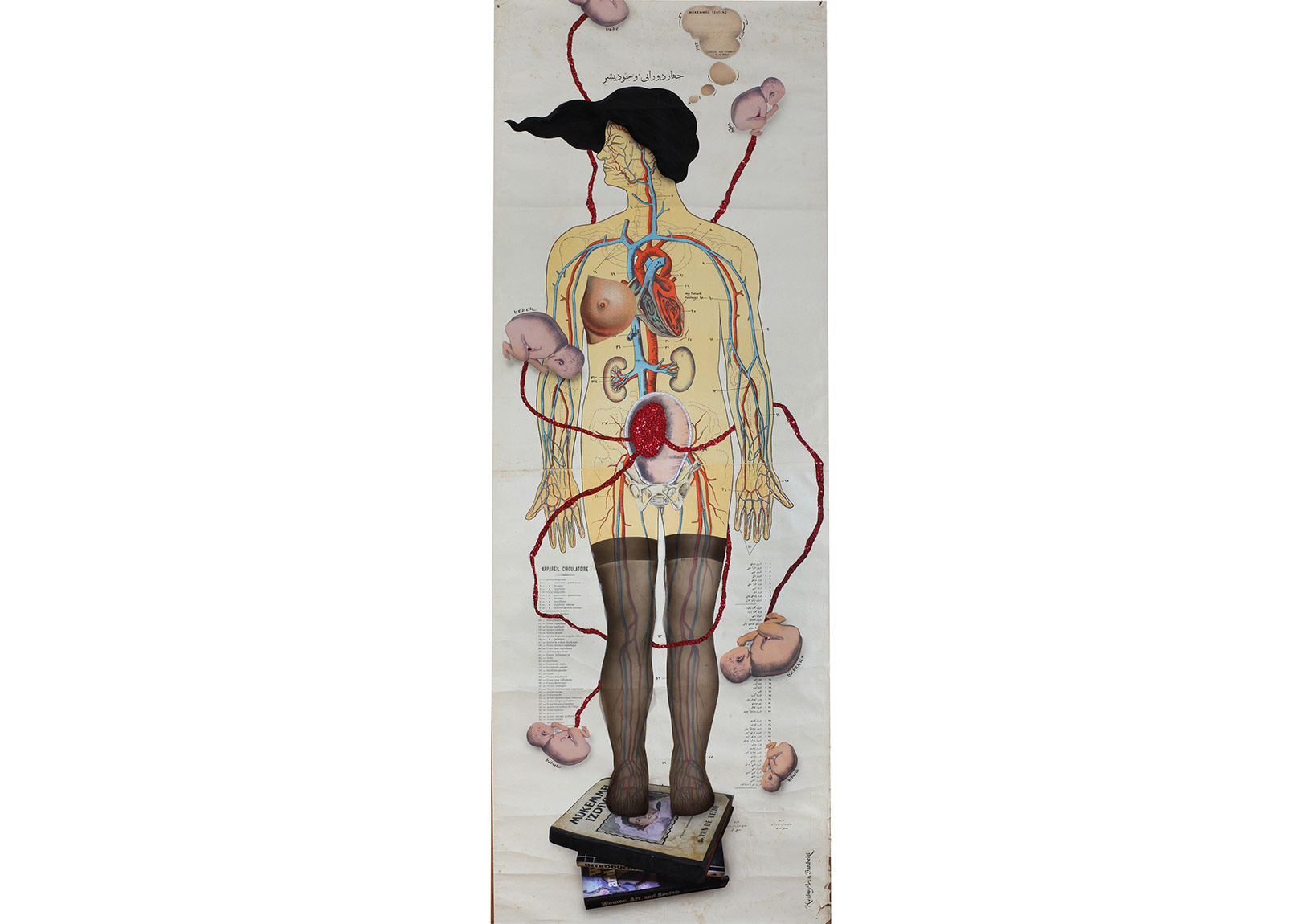
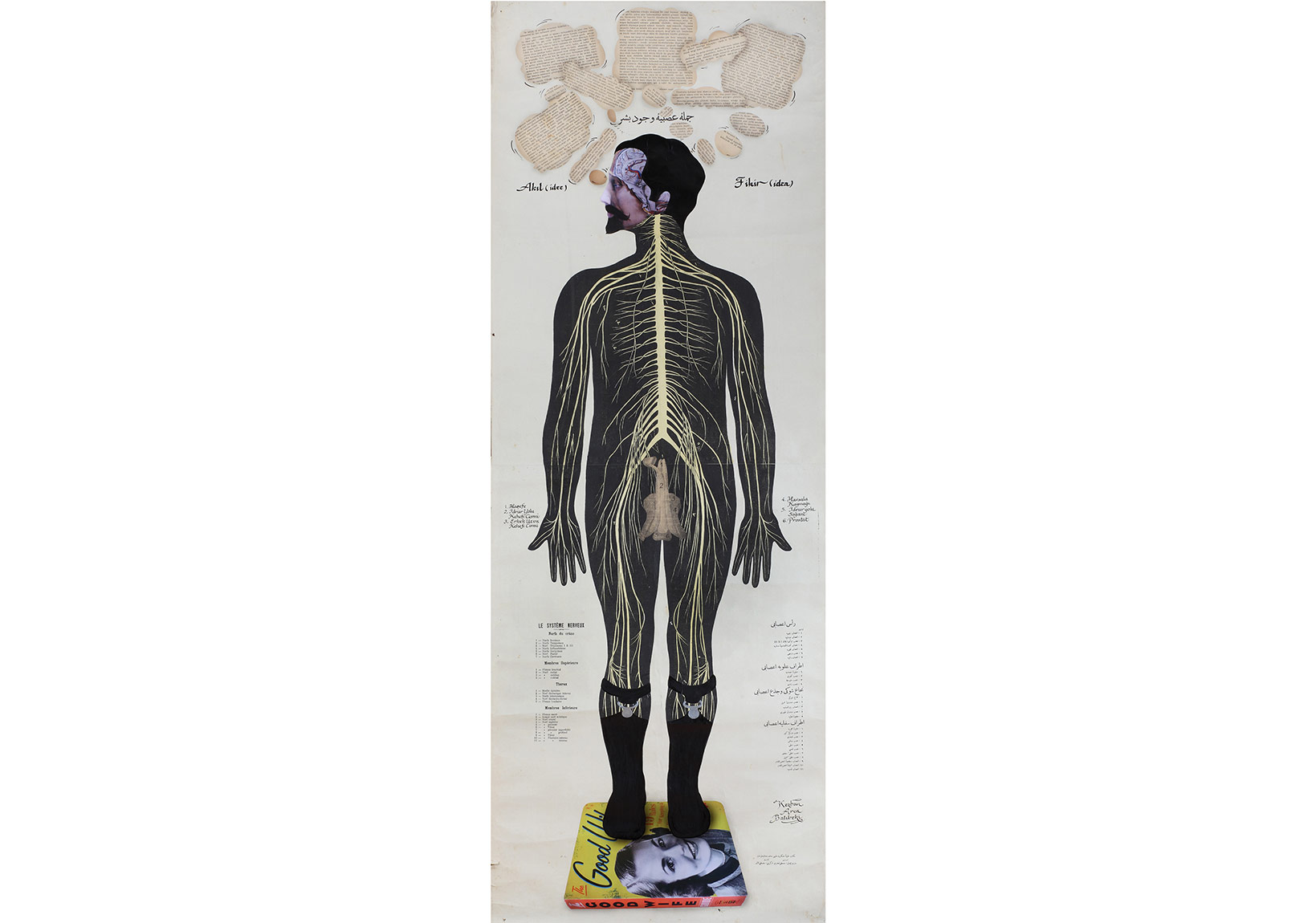
I buy large-scale anatomy posters whenever I find them; they are quite rare. I'm talking about posters that are over a hundred years old, produced for medical schools. I had previously worked on two posters and exhibited them. Last year, a friend of mine found amazing new material for me. I tried to narrate new stories from their perspective using collage as a technique, trying not to ruin them. In these works, you are going to find an ironic perspective on the relationship between men and women in the past, the future and of course specific to me. If I can get the result I want, I will also have a small installation here.
As an artist who displays works in important fairs including Art Miami, Abu Dhabi, Dubai Art Fair, and INN London and exhibiting works abroad, what do you think the position of the "art fairs" in Istanbul? How would you assess the process of Contemporary Istanbul and other art fairs including ArtInternational?
I think both art fairs are very successful. But for me, Contemporary Istanbul holds a special place. The Contemporary Istanbul team brought an art fair to Turkey that had the capacity and the quality to open Turkey up to the world. Its positioning within the global market evolves over time and the sales at this fair are very good. All parties in the gallerist-collector-artist triangle are happy. ArtInternational is a well-experienced foreign fair, which has been repeatedly successful abroad. I think collectors are following ArtInternational to acquire works from foreign artists and Contemporary Istanbul to buy works from Turkish artists. For viewers, both hold great value.
;