ÖNCEKİ
02 KASIM, PAZARTESİ, 2015
SONRAKİ
Your art works, which are inside of Modern Iranian Art, are very different and exciting. How would you describe your art?
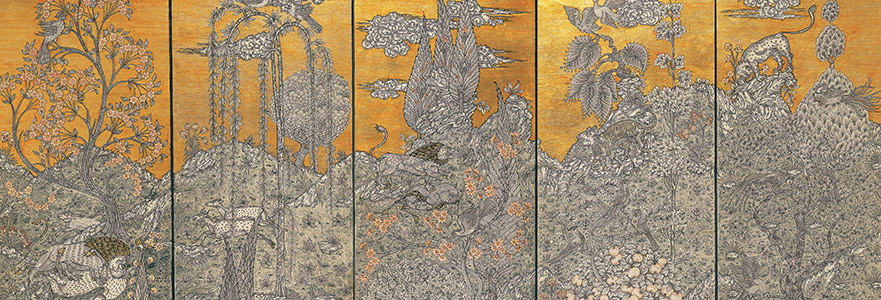
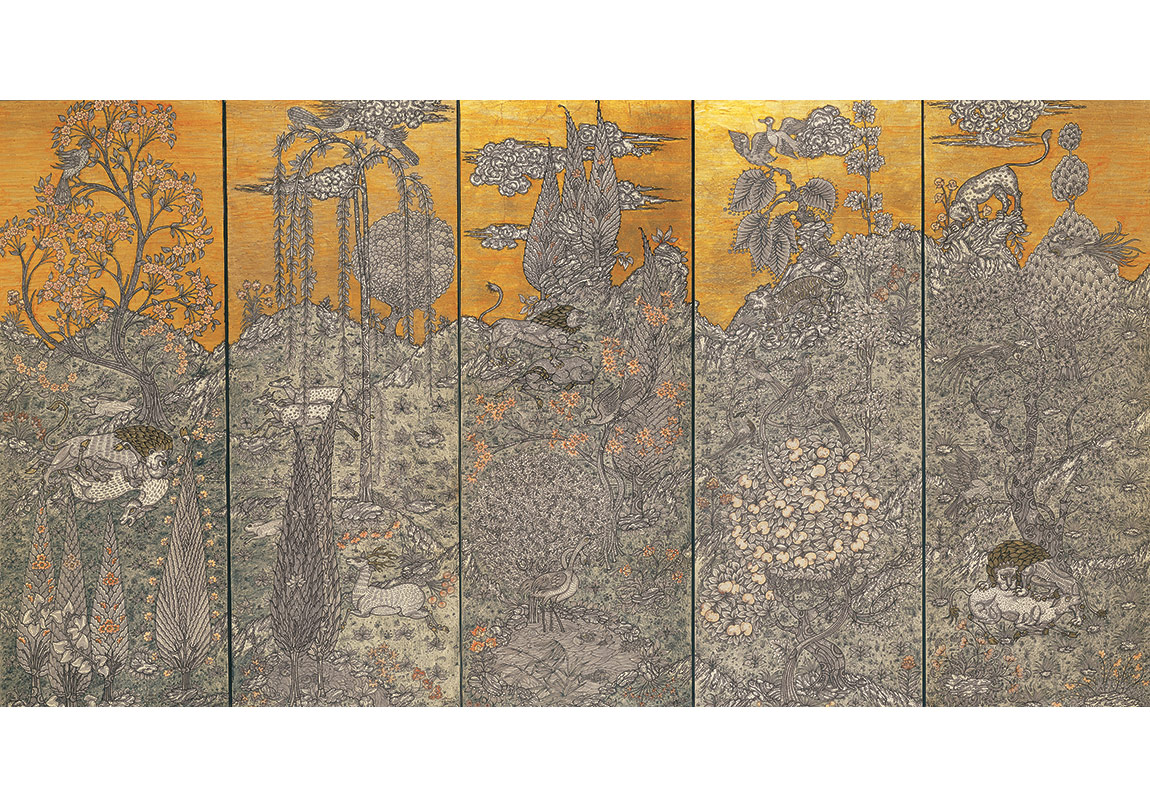
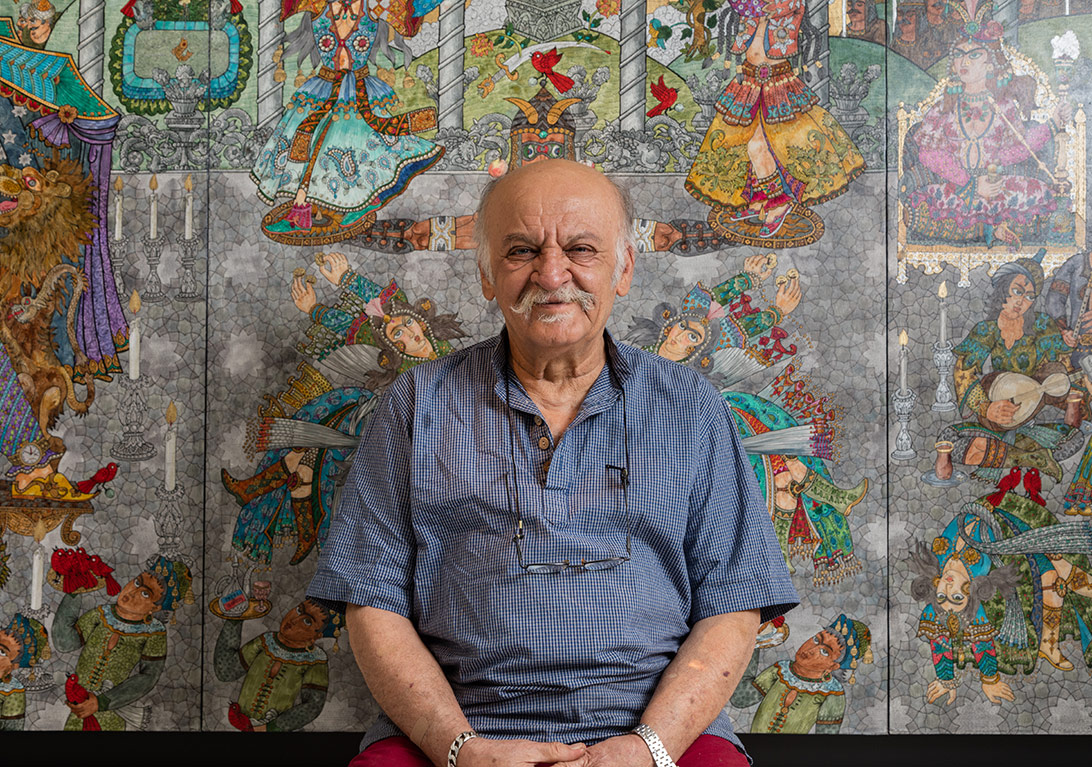
For me, there isn’t a distinct boundary between what we know as Iranian Modern art and contemporary Iranian art. That is only because it has only been a short time; history has not yet gone through it critically. By saying so, I don’t measure the length of modernism in my works nor would ever try to fit my works into a known category. In my paintings time has been vanished in a way; it would be difficult to label them as an ism. From this perspective, my works may look different.
Why did you choose a surrealist interpretation of the Iranian miniature art style?
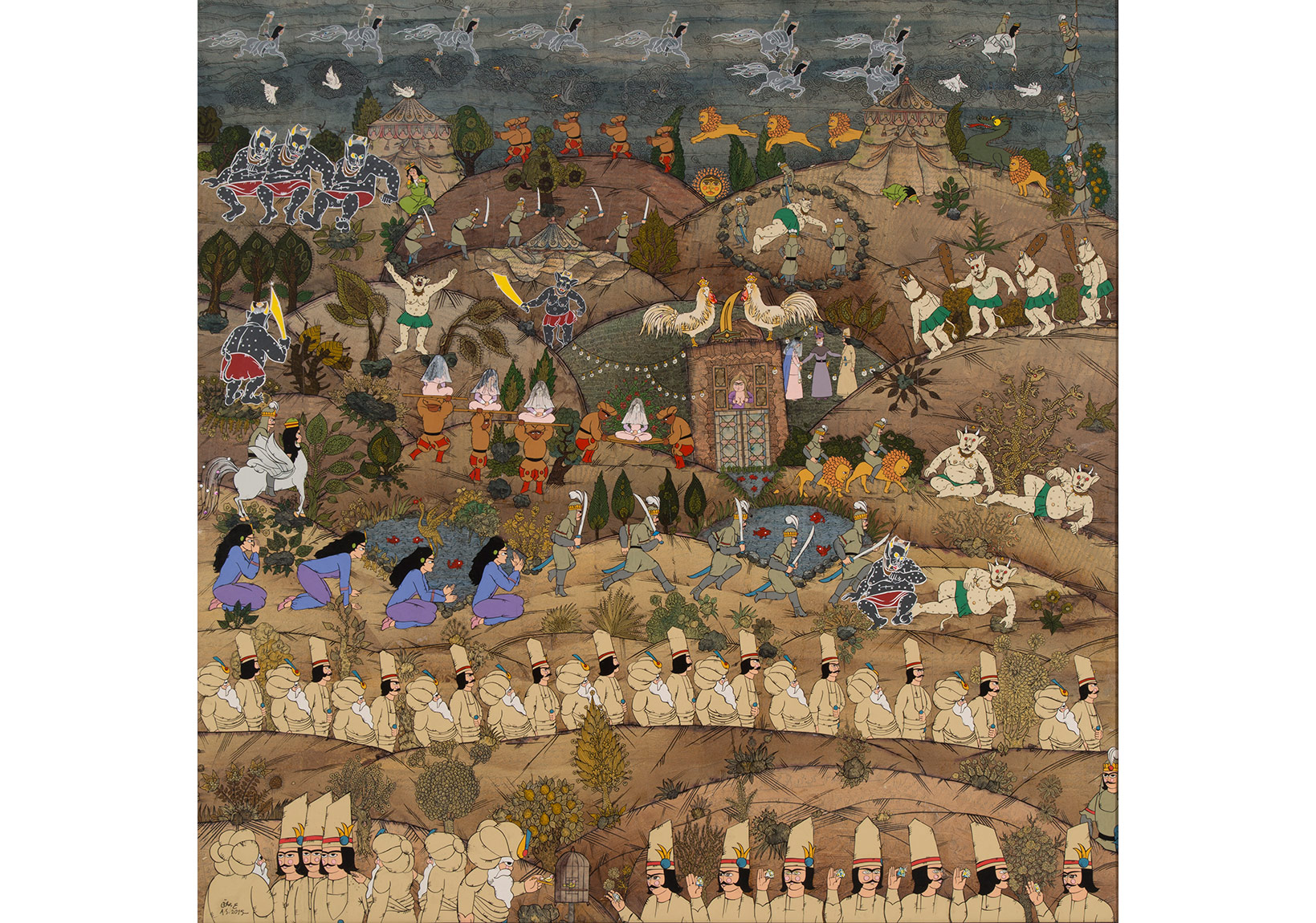
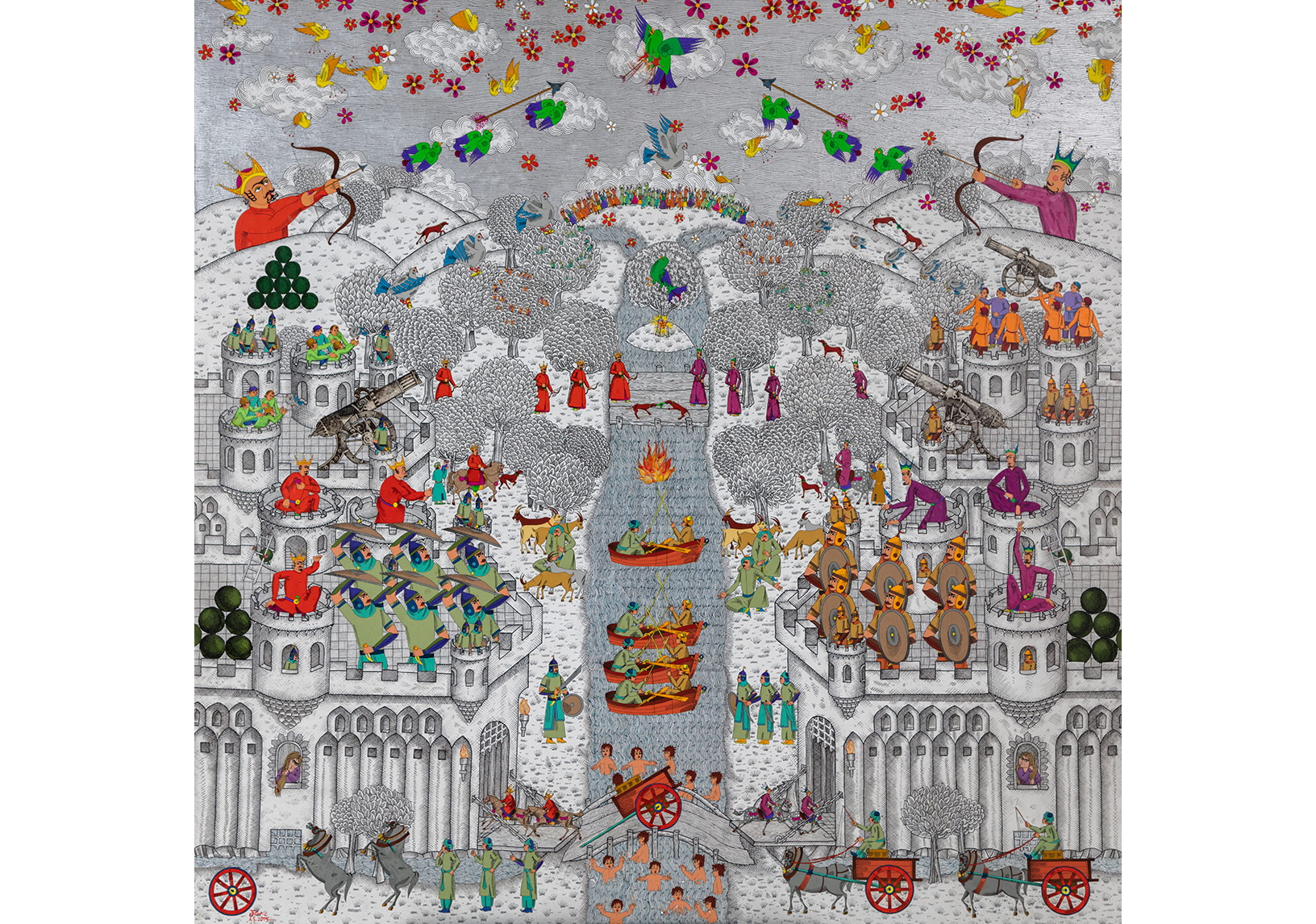
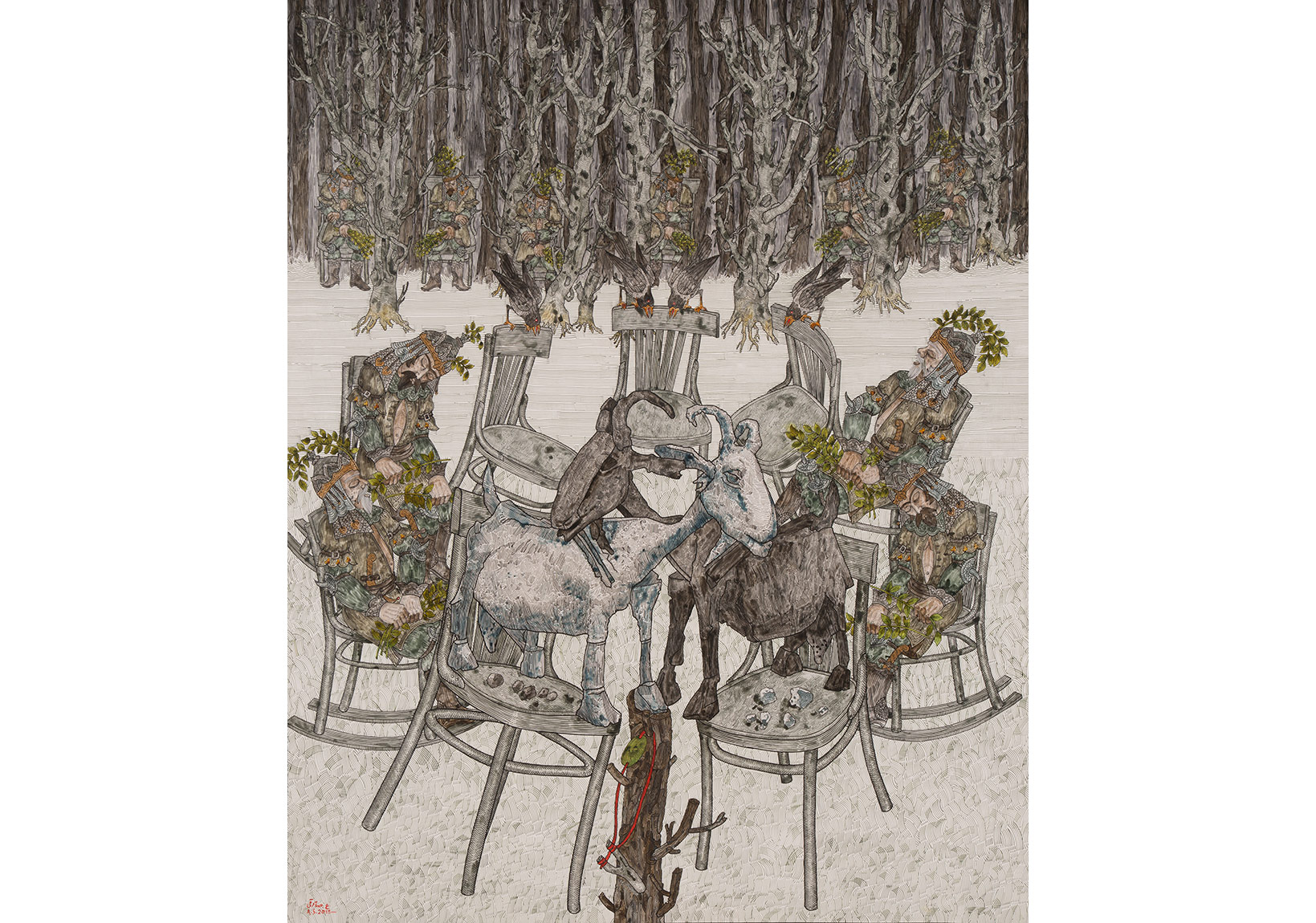
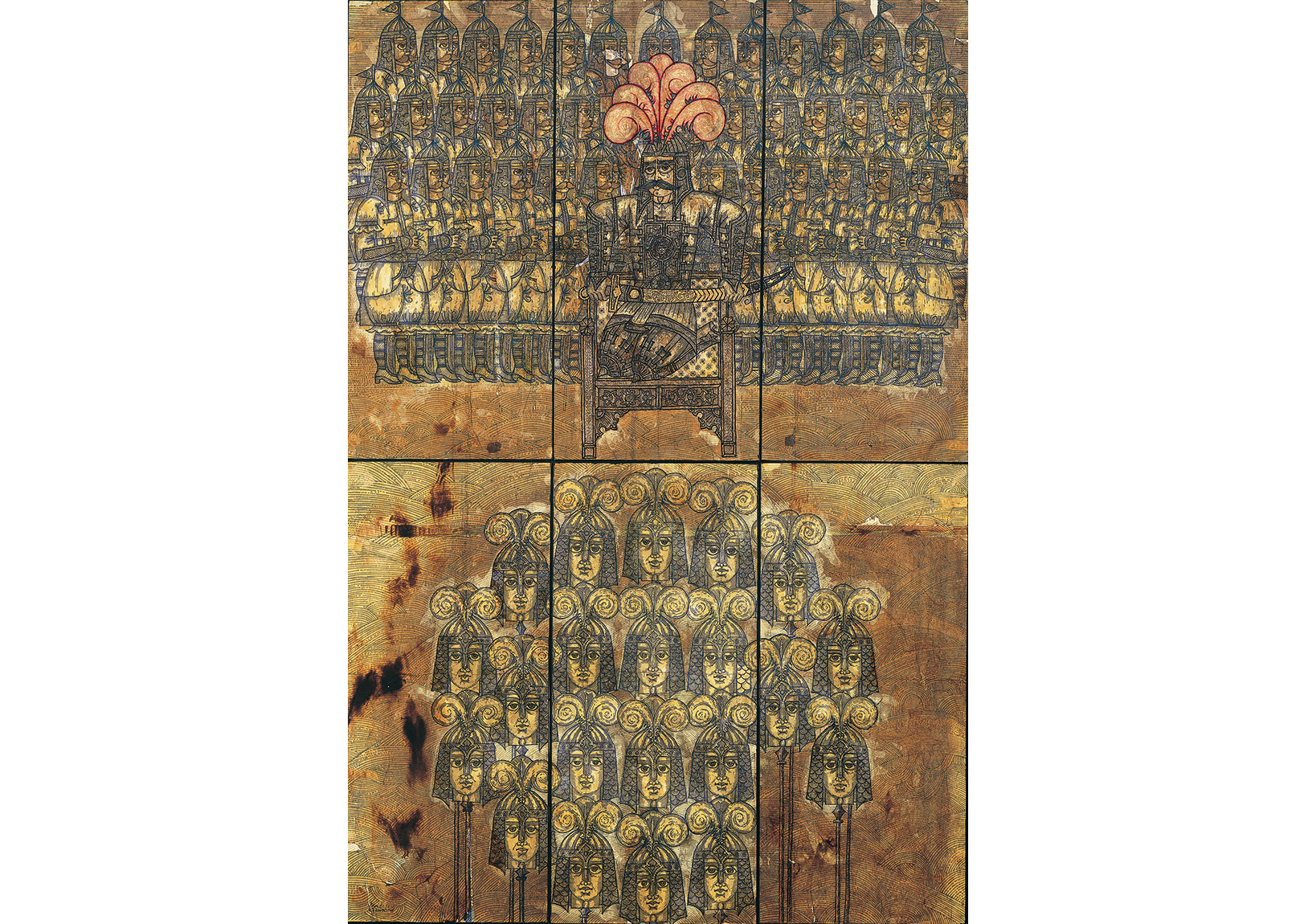
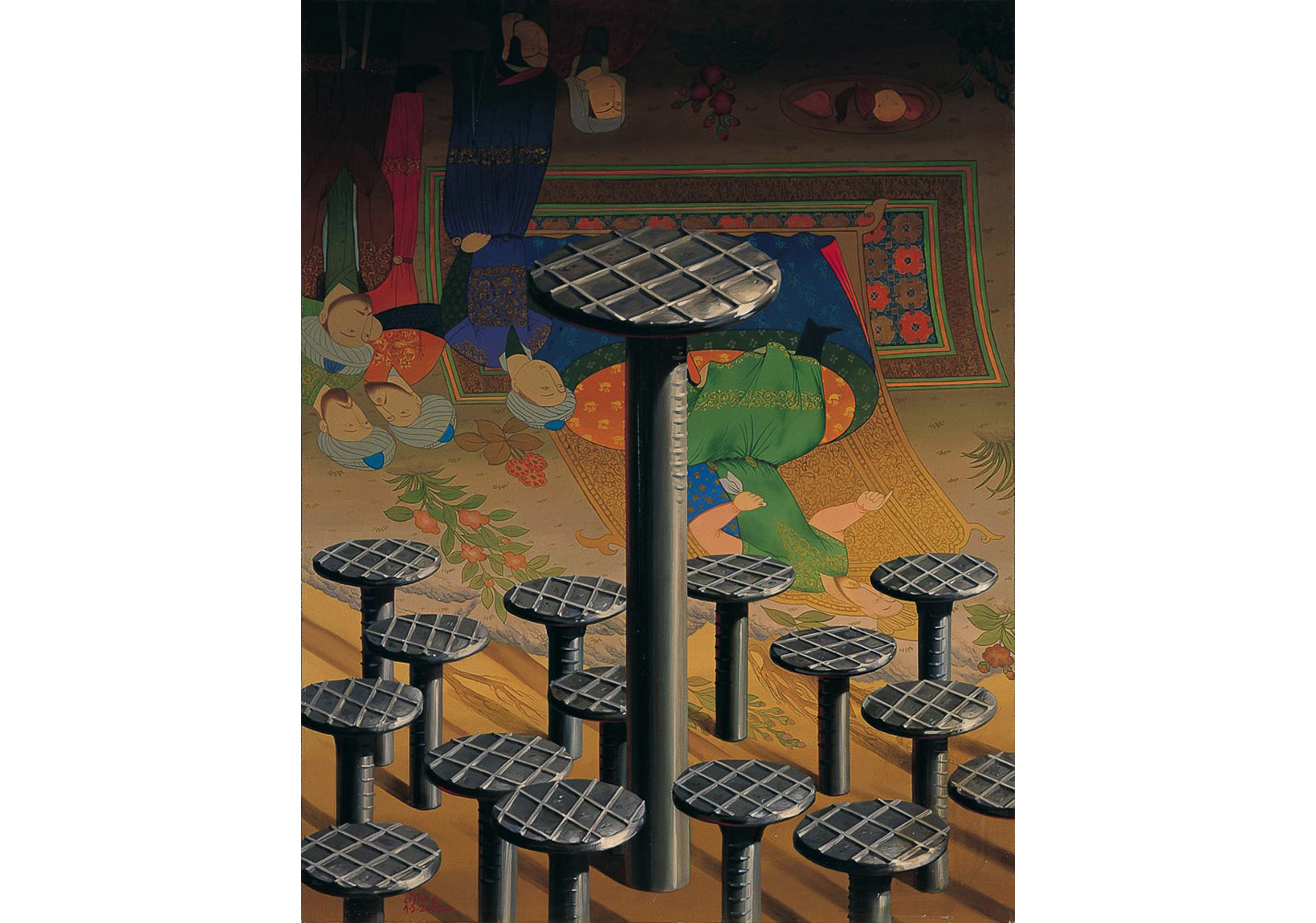
Miniature art is surreal by its own nature, they don’t obey perspective and that simply brushes on the surface of reality and therefore, it is surreal. I didn’t have any other choice but using miniature style in my two recent collections. It’s like a mother language, you begin to speak when you’re a kid without ever choosing it from a menu. Miniature for me means the same.
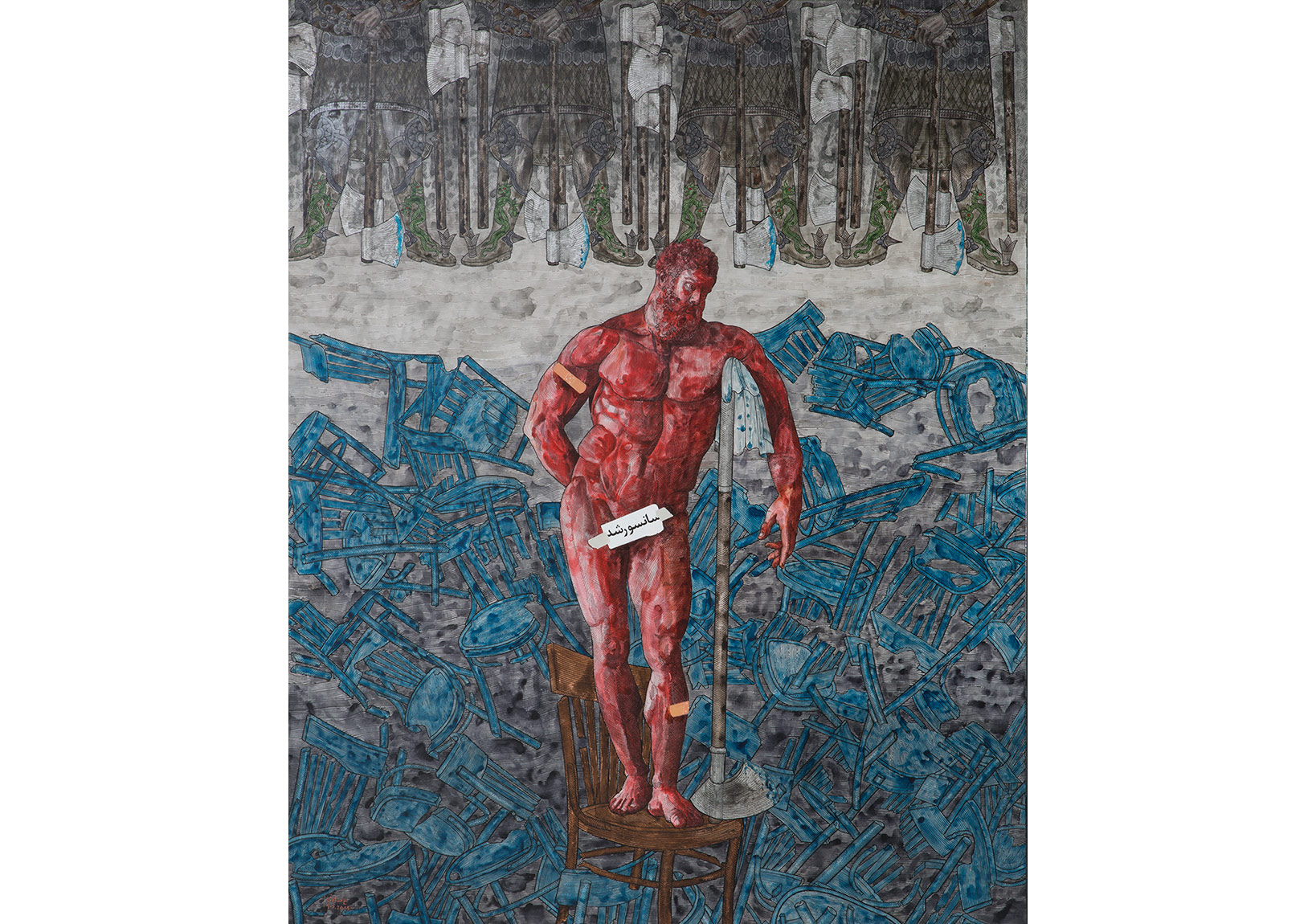
A splendid example of this, is the “Retell” series. All the stories and their characters once presented as animation now frozen in time and space. Perhaps the fourth dimension in my 70s animations now embed in a single static frame and for me miniature composition assisted very well in this.
You are manipulating the West’s well-known paints with ancient Iranian culture items and art of miniature. Is this an interpretation or a criticism?
Both, I’m interested in the dueling. When we place two objects against each other, even though they're the same, our unique way of interpretation put them into contrast. I leave the criticism to audience but I make the context for them to think.
Would you like to say something about relationship between Iranian modern art and artist? As you know, the East was perceived differently from the West. Many people are curious about art life in Iran.
I guess, we could ask, what is the relationship between the artists and the modern life in Iran, that would be a better question.
Today’s modern art is a global language, and it’s a very powerful tool to reveal expression. In fact, it is an instrument to express an emotion that words or any other isms are unable to deliver. This instrument has been used by Iranian artists as it has been in many other countries.
Modernism in this country has a profound influence on traditional and historical roots and it has have brought quite unique cultural consequences. It somehow created a mass confusion or perhaps it's a blurry situation in which individuals are uncertain about their duties toward the movement. Therefore the resulting product is monopolized.
Middle East contemporary art is more popular than before these days. What do you think about that?
Indeed, perhaps it has been well recognized through number of international art fairs and biennales, museum acquisitions, and exhibitions in which we have been participating in the last two decades, and I think this is a result of art global democratization.
What do you think about Turkish contemporary art? Do you have any artists that you follow?
Turkey as well as Iran is very rich in art and culture and their contemporary platform is only a glimpse of their history. When we talk about Turkish contemporary art, we talking about an anatomy that is well-articulated in the past with a strong backbone for the future.
How did you choose your works that you are exhibiting at Contemporary Istanbul? What is your expectation of this exhibition?
Contemporary Istanbul is one of a kind in the region and the reason is the city itself geographically acts as a buffer zone, which connects east and west. CI as a cultural interface plays an important role to amplify the art market in the Middle East and is great to be part of this and thanks to “Shirin Gallery” for its great contribution.
;