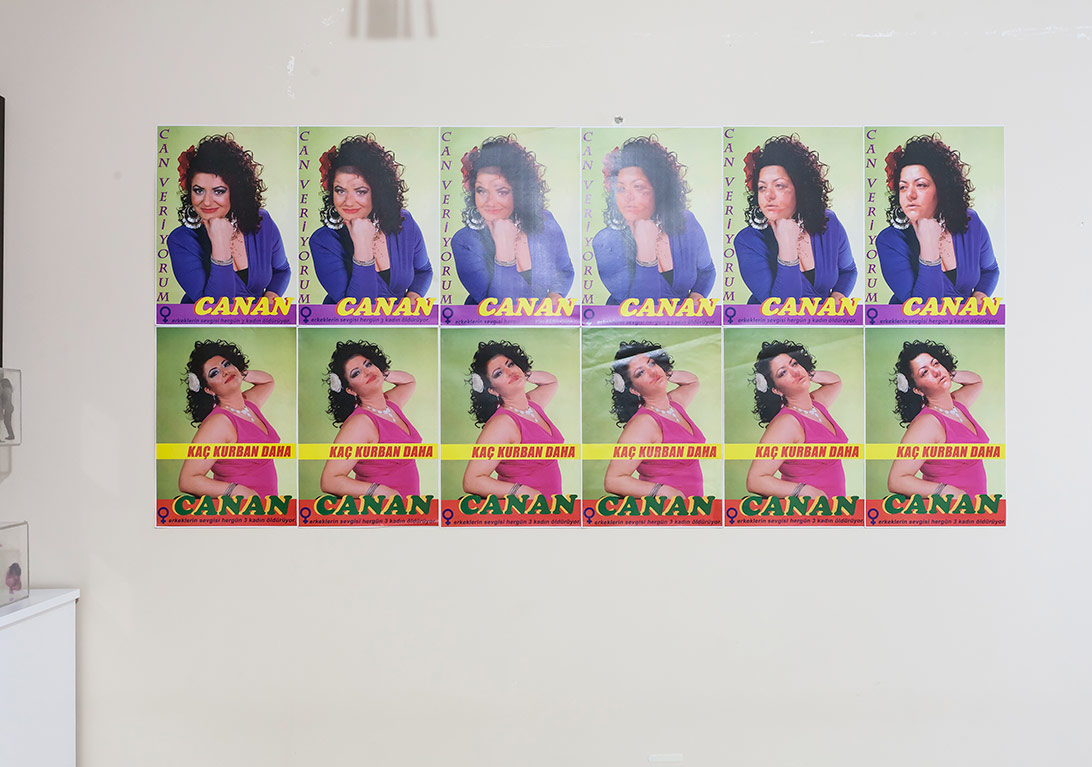
CANAN doesn’t use her last name, she prefers not to. If she wanted to use a last name, she’d have to either use her father’s last name or her ex husband’s, or both. She doesn’t want to attach either to her name. Yes, she is just CANAN.
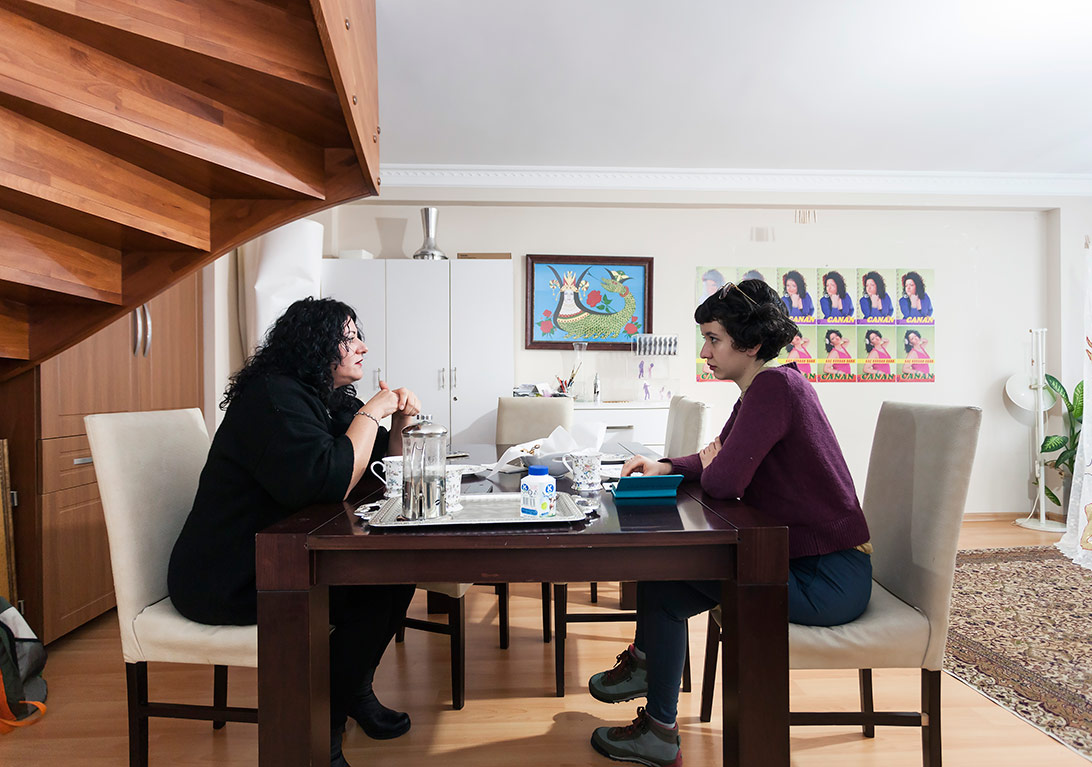
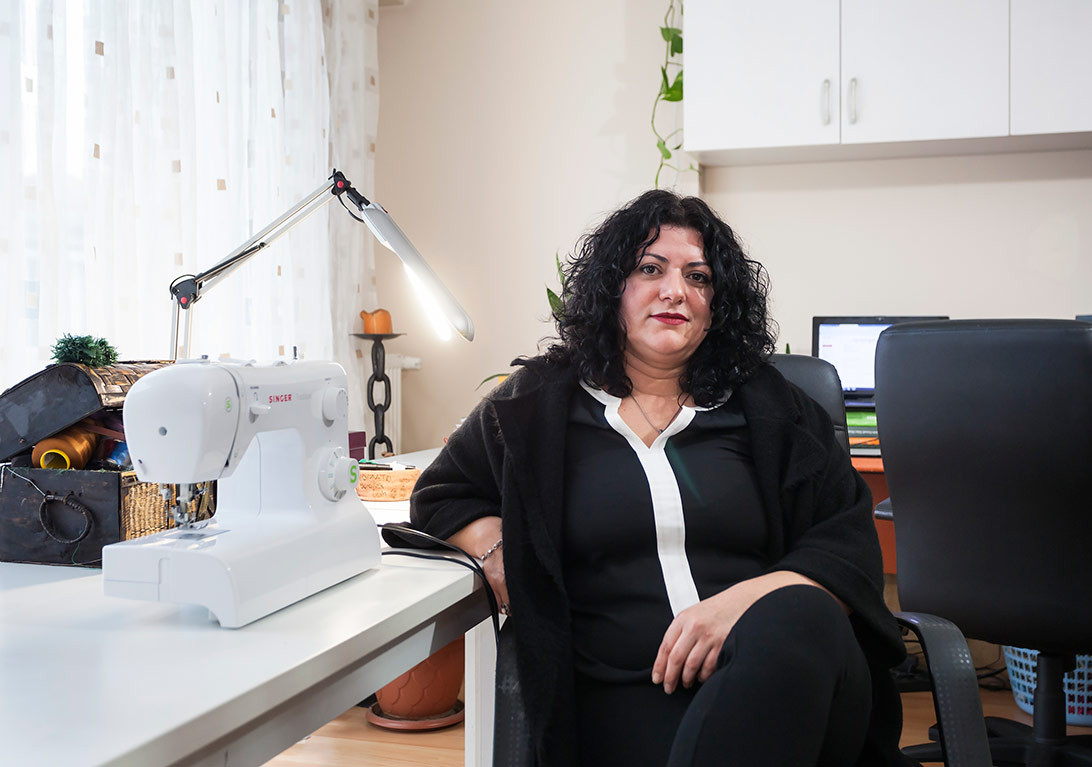
She defines herself and all artists as cultural workers. She deals with almost all aspects of her work herself. “I don’t work with an assistant, I try not to seek help unless I have to,” she says. She does the montage, voiceover, texts, storyboarding all herself. After we start our interview, the doorbell rings, her daughter comes home from school. She gives her daughter a snack and comes back to us to continue the interview.
You often use your own body in your works. Is there a specific reason why you use your own body?
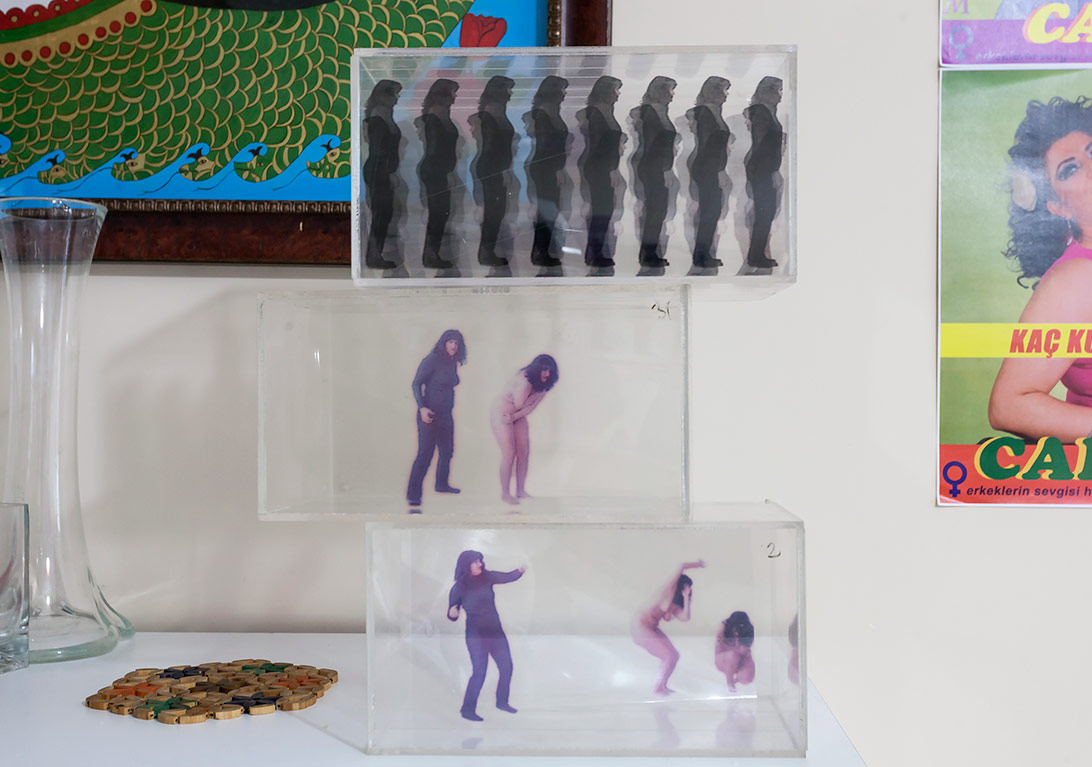
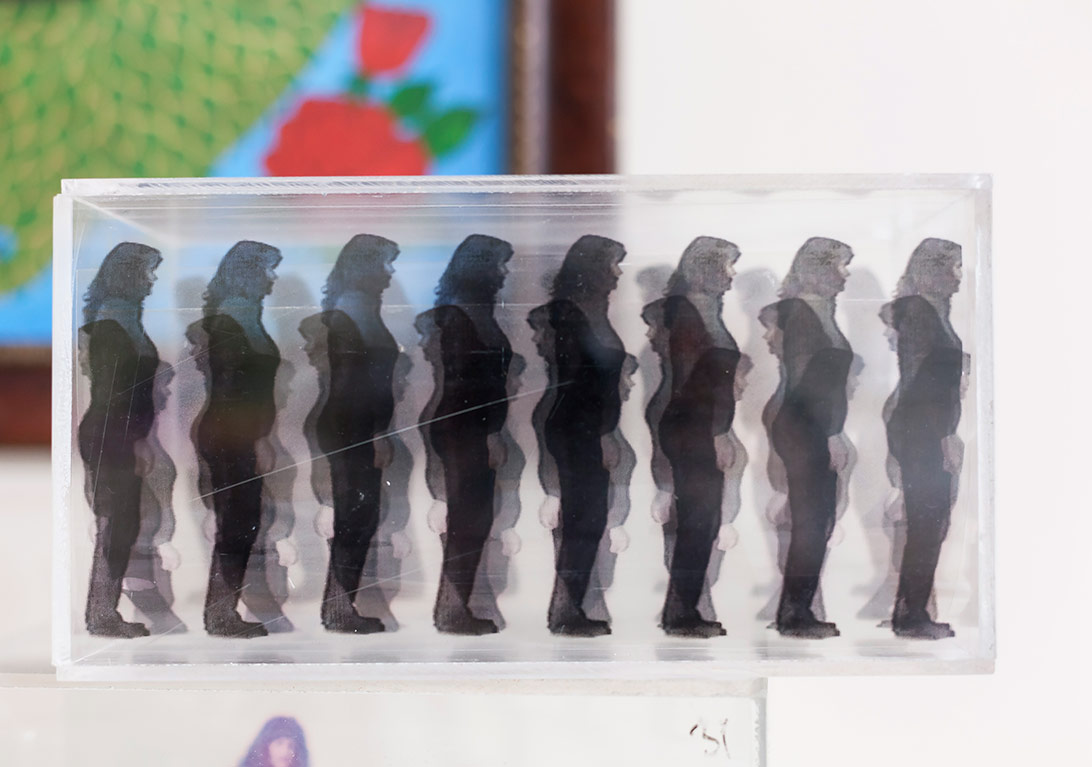
Actually, when I use my own body, I see it as a kind of artistic material. I thus become alienated to myself. The body I have easiest access to is my own body, it cannot complain. If I used other people’s body, I could be concerned: What if something happens to that person? When I use my own body, I don’t suffer from such problems. When I present my work to the viewers, I have already become estranged to the work. It is a work of art at that point and not me. This is also true for performance. I focus on my work, stripping all ties to everything. A lot of artists around the world use their own bodies. As long as I live and as long as I can continue to make art, I will use my body however the project needs it to be used, naked, dressed, with hair, without hair.
Is the definition of feminist artist something that you have chosen for yourself? Or is this just what people say?
I’m not at all bothered by calling myself a feminist artist. I actually say it specifically. While I’m bothered by being defined as a woman artist, I’m not bothered by the definition of feminist artist. On the contrary, I think this needs to be said. Because feminism is a method of resistance. I believe in this discourse and politics fully, so this is why I’m not at all bothered by being called a feminist artist.
This is not an easy definition. Does this charge you with certain responsibilities?
As a feminist who believes that the private is political, I produce my works with the consciousness that it is a direct or indirect intervention in my life rather than as a responsibility imposed by the outside world. First of all, I try to take ownership of my own life and fight for it. The works that I produce are because of the responsibility of producing political works—not from a savior or pioneer position, but rather stemming from issues that directly bother me in my own life.
I think your language is very brave. Did this language ever cause problems for you?
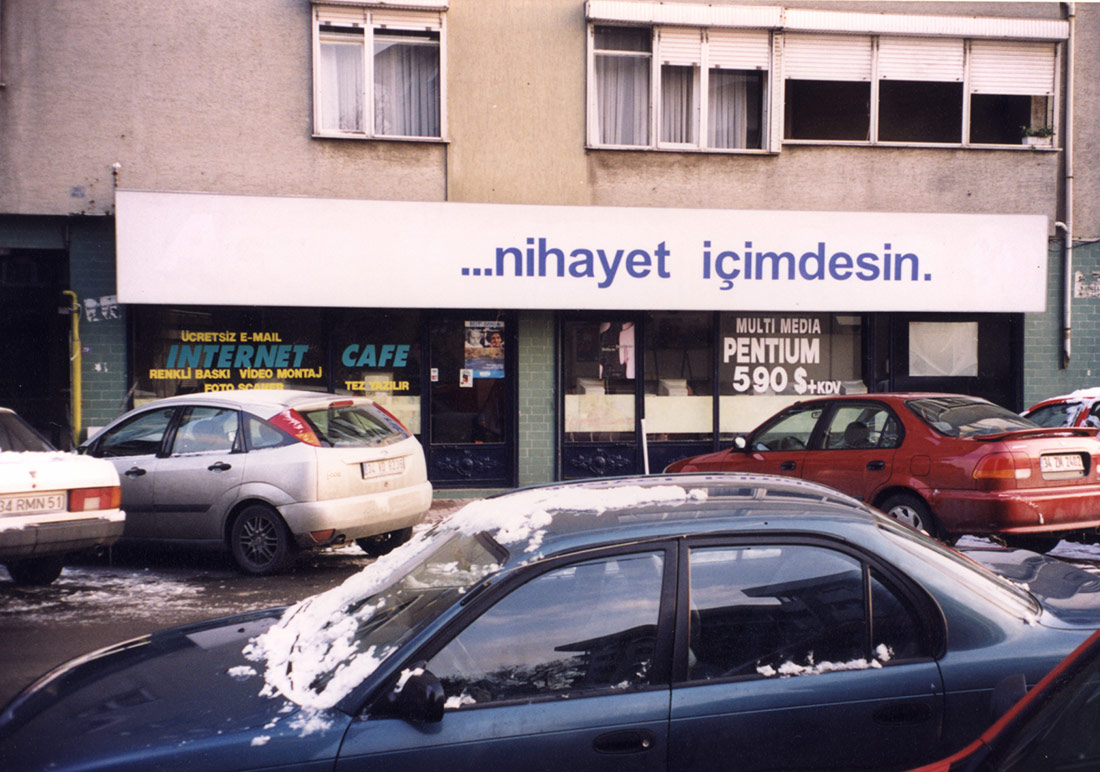
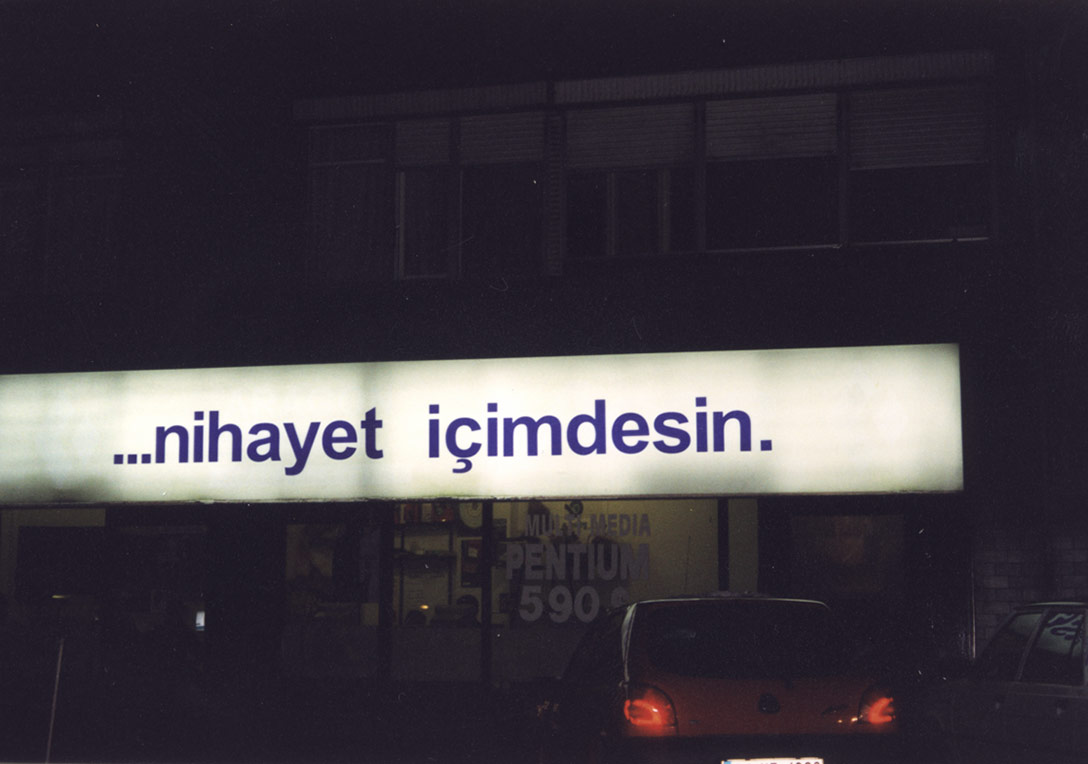
Of course. My works have been censored both in Turkey and outside of Turkey. When I was pregnant with my daughter in 2000 with my daughter, I had made the work “Finally, you are inside me” and placed it on the sign of an Internet cafe in Kadıköy. This work was taken down by the municipality of Kadıköy, because it was “harmful to the environment.” In 2003, I had made works for a solo exhibition in Germany using Barbie dolls and Action Man figures, dealing with issues such as domestic violence and incest. There, my work was censored by the police and the exhibition was closed. We opened that exhibition again with the help of lawyers.
I do encounter negative feedback. Sometimes, I even receive e-mails including very sexist language. When I’m standing next to the works, I had also encountered indirect criticisms from the art world. “How much can you produce using your body?” “Taking off your clothes is one thing, stripping your soul is another thing.” etc.
I think these criticisms don’t bother you any more.
Of course they bother me for a little bit, it’s impossible not to be affected. I do the things that I believe in, I’m behind everything I do and I will continue to do what I’m doing.
What do you think about the role of women in the art world in Turkey?
The woman artists in Turkey are quite effective; they produce very good and brave works. Even their sole existence in the art world speaks to their success. It is not easy for doors to open for woman artists. They have to deal with a lot of things. They are subjected to mobbing; people are prejudiced against the work, seeing their work as lower level or ineffective. People are suspicious about their work, saying that “she’ll have kids and stop art.” If the artist has a child, she is expected to pretend that she doesn’t have a child or that she is not a mother. Even if her production is high-caliber, she has to work harder.
Even if there are women working under them, the heads of institutions are men. The patriarchal art world tries to put women in a different class. Back in the day, somebody had said this to me as a compliment: “You are the best among woman artists.” I think I’m good—not that I want to make that claim—among artists. That person had placed me in the woman artist class. Of course I’m not the only one who suffers from this. A lot of woman artists suffer from this and encounter such a “praise.” Woman artists have their works sold for cheaper, woman artists encounter private or institutional collections less often. Still, there are not enough woman art historians—they are also fighting for the same rights. History of art has to be re-written by woman art historians.
Are the stories in your works fictional? What inspires you?
Nothing in my works is fictional. These are stories that I know, from upclose.
While we talk about stories, I want us to talk about Ibretnuma.
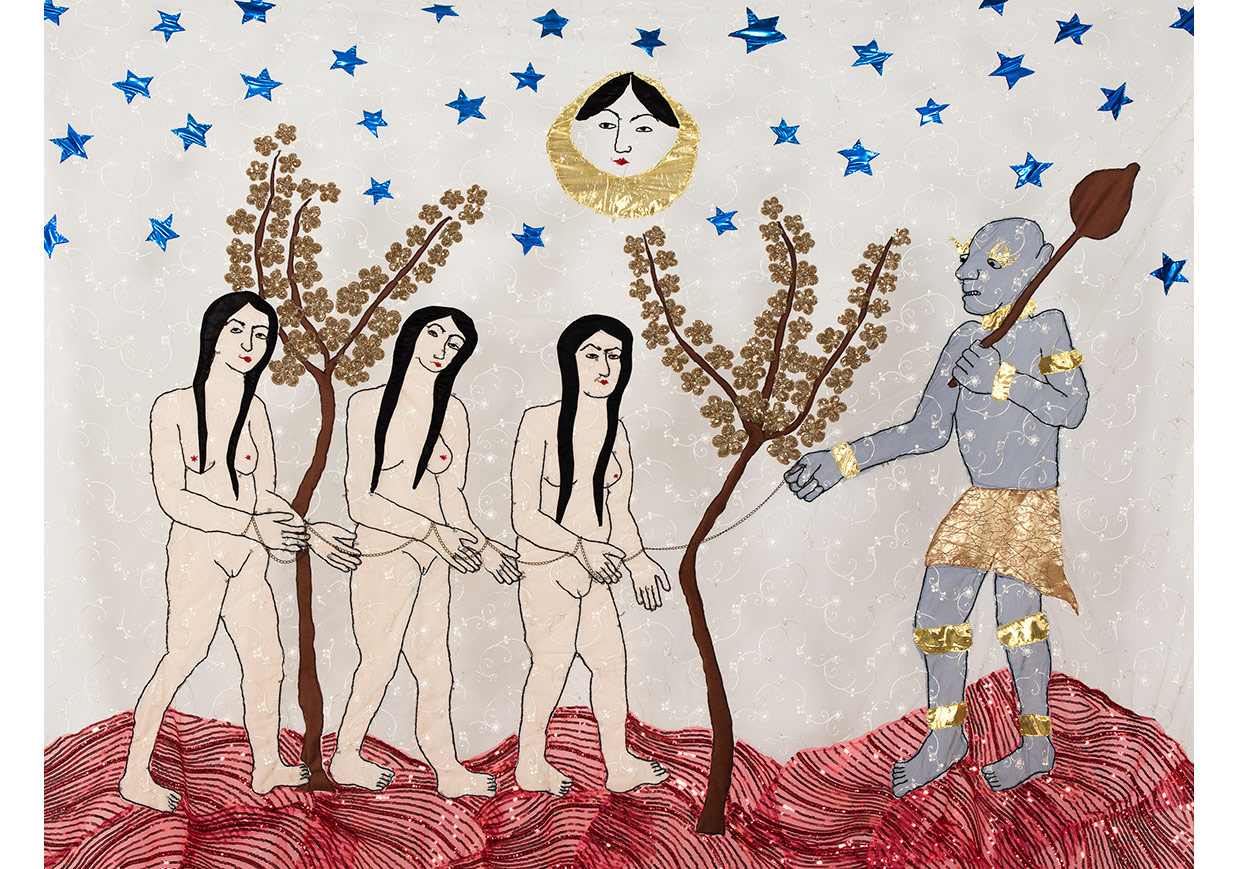
Ibretnuma is a sort of oral story. It is a story that I know from people very close to me, it’s a personal story. I transformed that personal story into a relaying of oral history and I preferred to tell it in the language of fairy tales. I find oral and visual histories very important—in order to understand the near history of Turkey, visual and oral histories fill the gaps or misconceptions of written history.
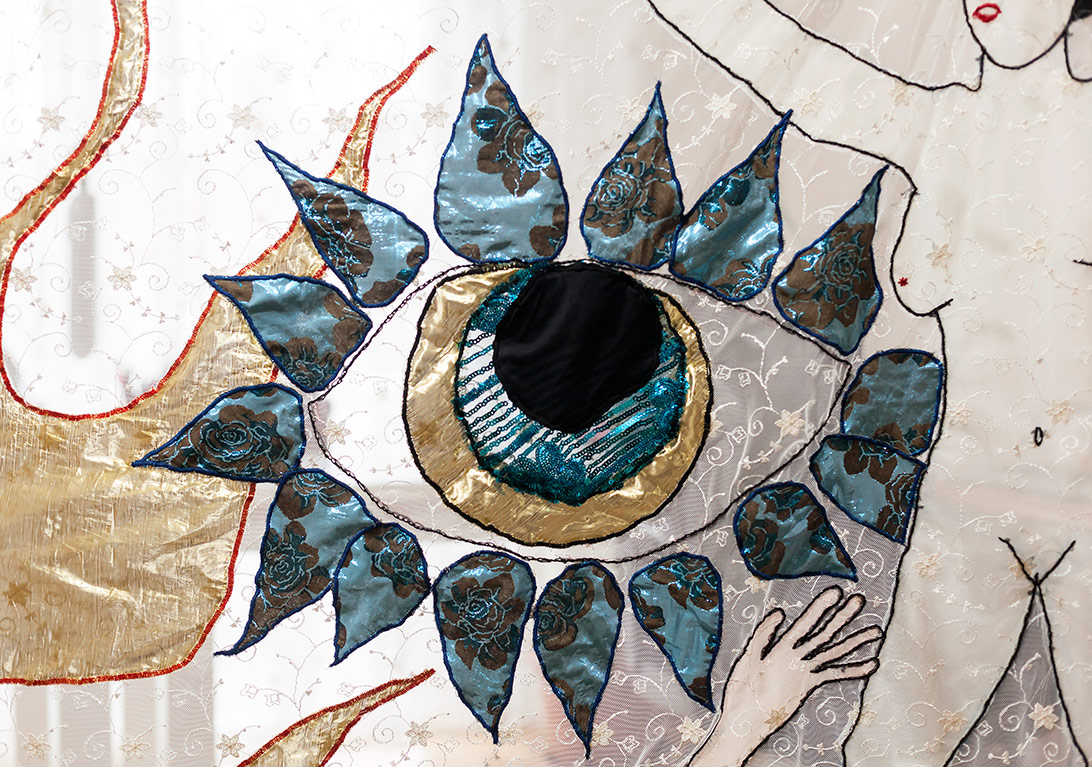
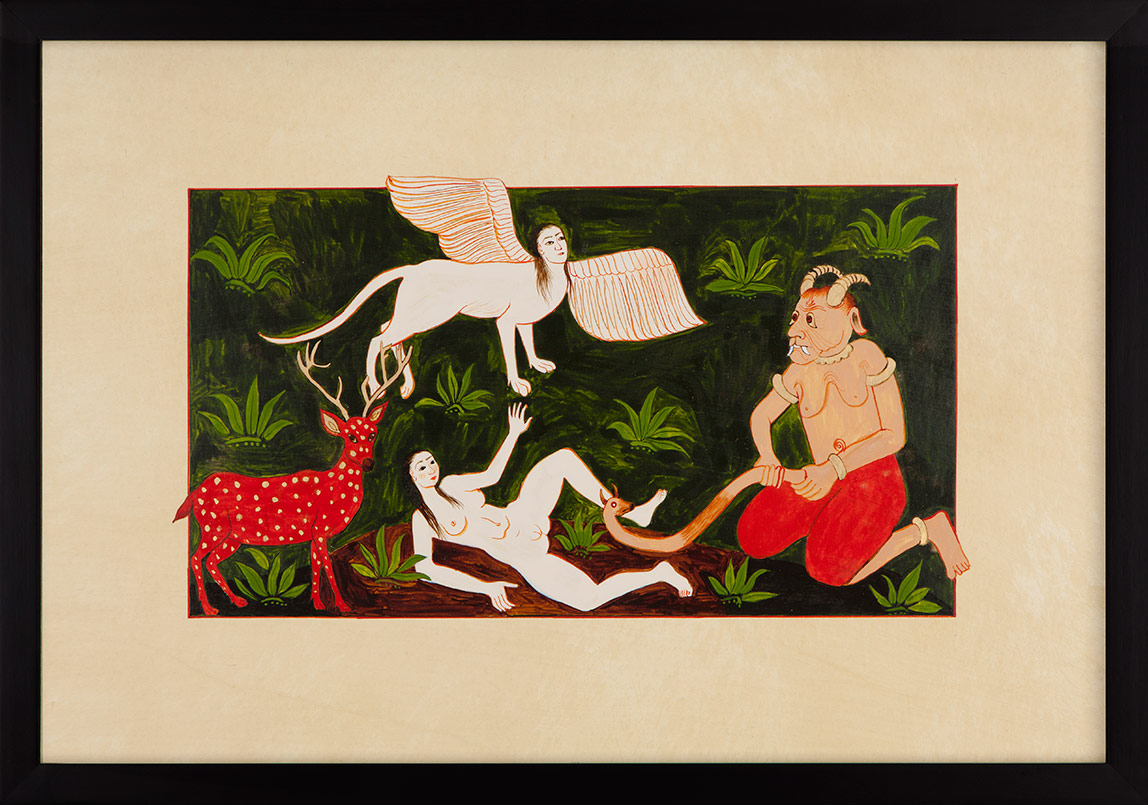
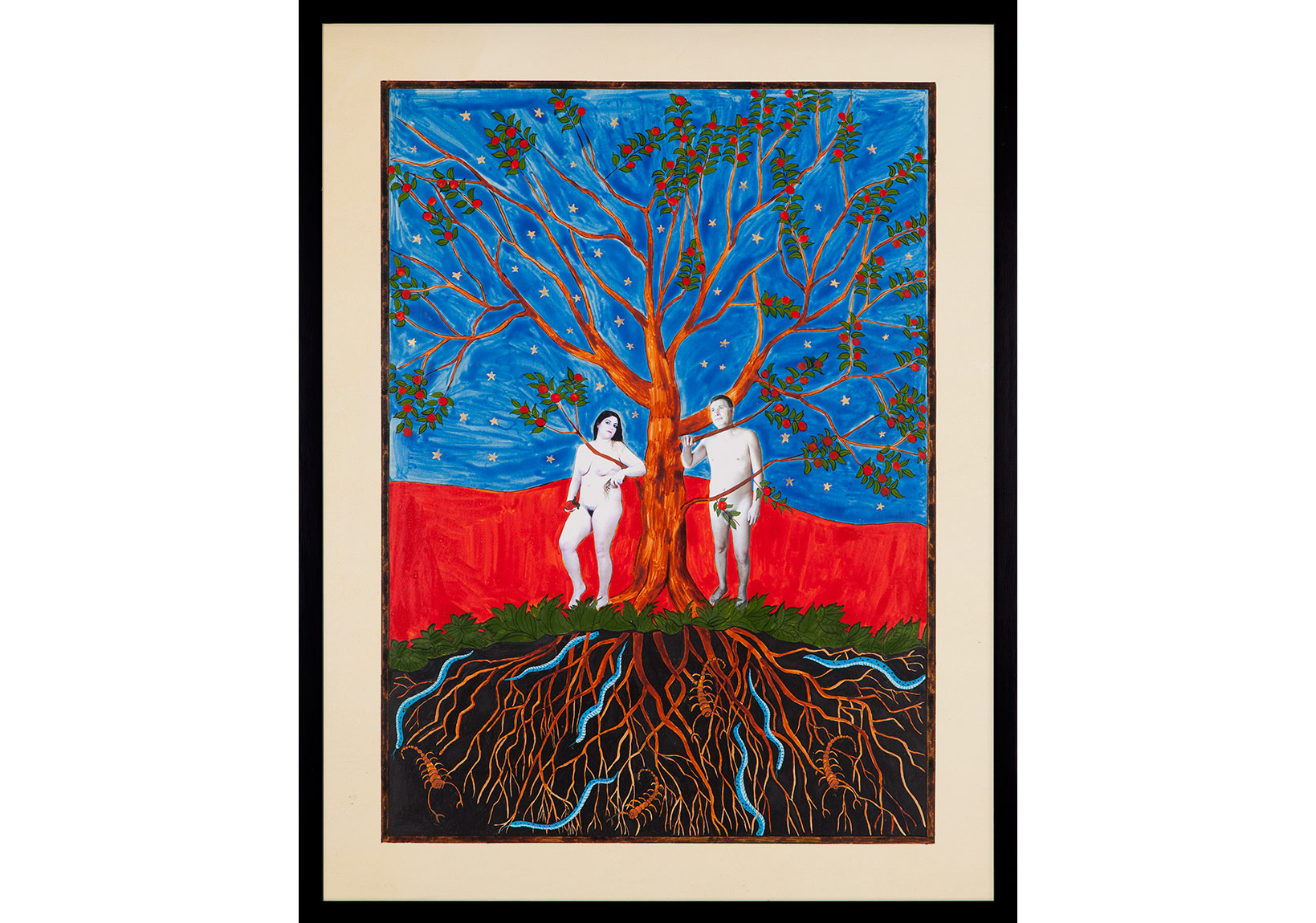
Ibretnuma tells the story of a family who had to migrate from the southeast of Turkey, talking about both the social and private lives of this family. I chose to construct the visual language around this. I tried to tell the story through miniatures and photographs.
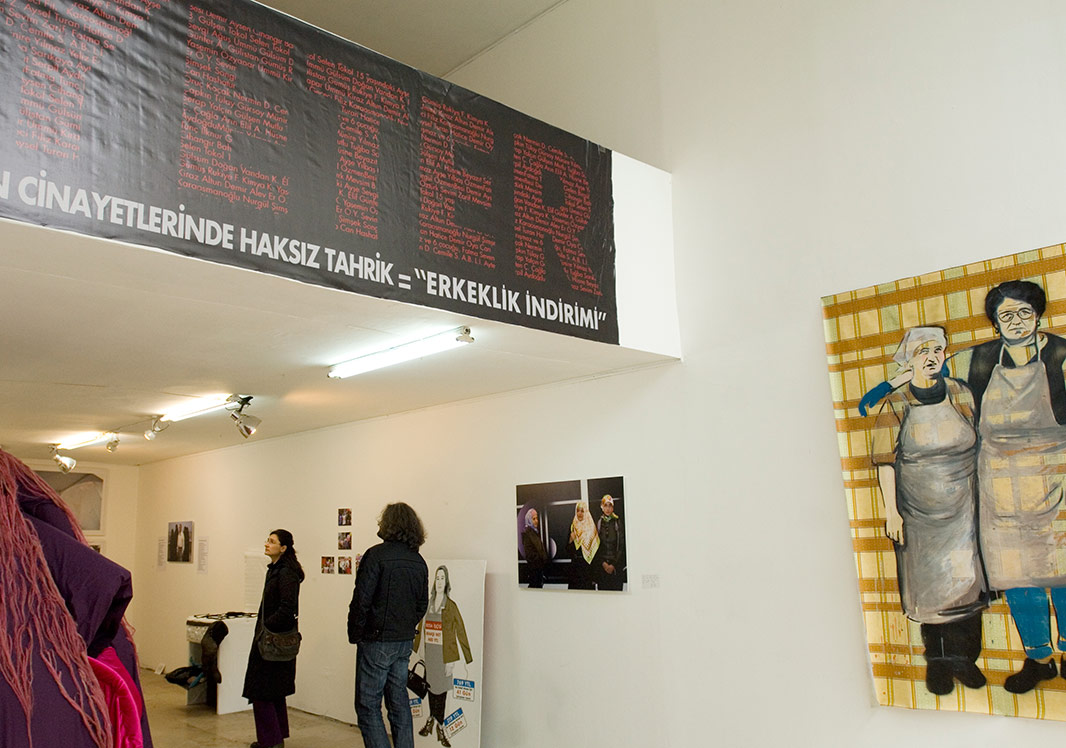
You also had a curatorial experience in 2009, Unfair Provocation.
Yes, a lot of woman artist exhibitions had been opened until then. Exhibitions of women who identify as “saved women”—successful, educated women separated from uneducated women who needed to be saved from domestic violence were separated—would take place. But there were no exhibitions that could be defined as feminist exhibitions.
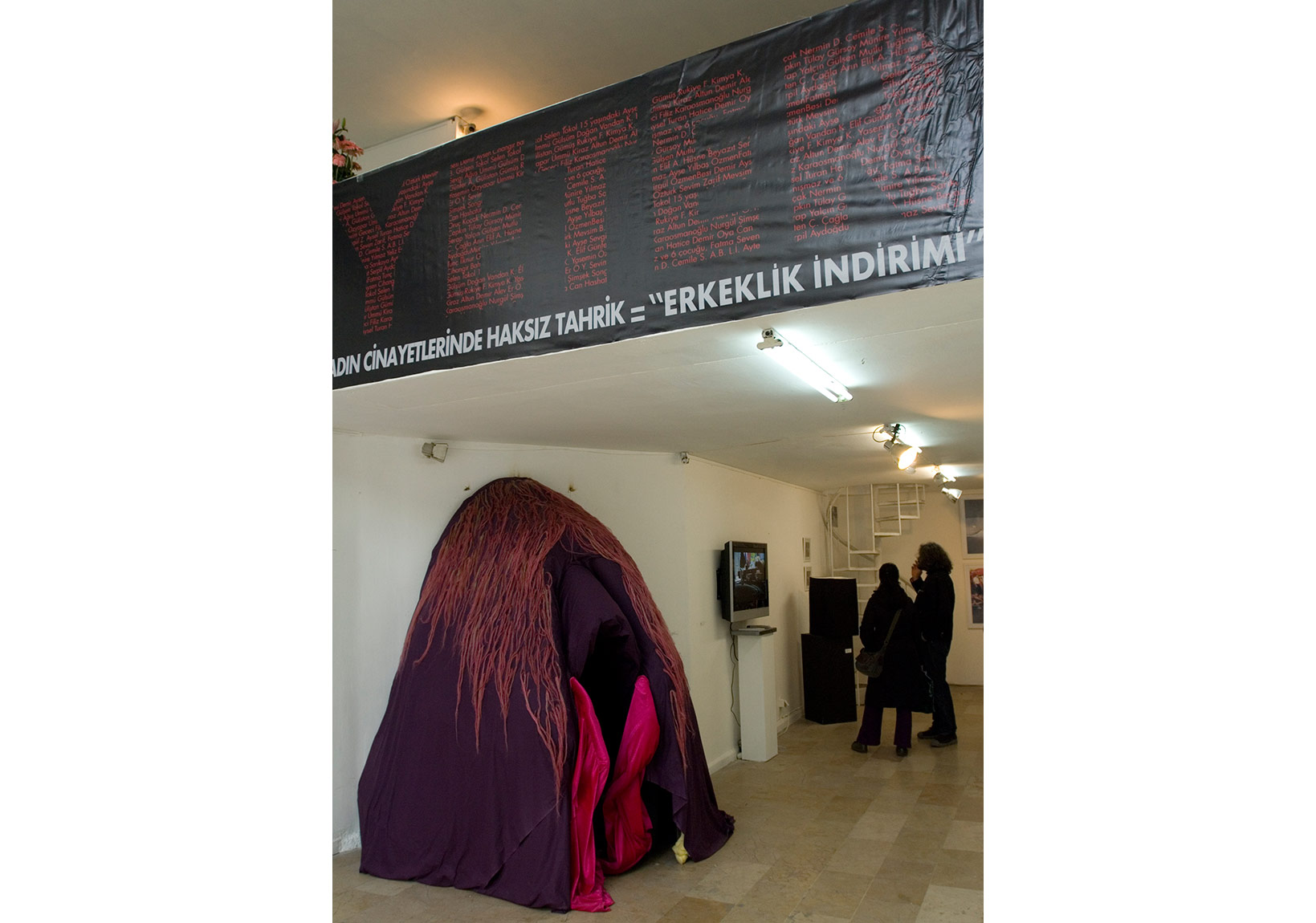
In Unfair Provocation, there was no desire to setup a hierarchy. Every woman suffers from discrimination, including woman artists, but in different ways. This is why I wanted to open a feminist exhibition. I chose the title to be Unfair Provocation. Back then—and this is still true today—feminist organizations were fighting with the use of the unfair provocation in the cases of women murders. They were not against the use of this principle which reduced the prison sentence, but rather with its use in the cases dealing with the murders of women. “She was wearing legging, she asked me the time in a flirting manner, she laughed out loud, she washed herself three times a day,” were all used in courts for men to serve less time in prison after having killed women. I wanted to use this title because this heading was used not only in women’s murders, but also in thinking about the woman’s body as an object of provocation politically. I talked about this with my artist friends and they all supported me. We also worked with feminist organizations for this exhibition. Amargi, Filmmor, Socialist Feminists were all contributing to the exhibition.
Esmeray had made a performance for us, there were some interviews. There were images of activities of feminist organizations since the 80s, thus also serving an archival purpose. There were not only artists in the exhibition, but also activists who made performative gestures in the framework of the exhibition. This exhibition was an important step in thinking about what we could do together. As the woman artists, we did manage to get together every year, even if this did not happen regularly.
The art world might need a second edition of this exhibition.
I’m thinking about this too. But personally, I don’t feel such an energy right now. This exhibition requires a lot of time and energy. Maybe somebody else will do it or I will do it when I feel the energy again.
I used to criticize the absence of such an exhibition, but then I realized it is really necessary to take a risk. At the time, there was nobody else who could do this. Feminist artists needed to do this. But we don’t want to resolve this issue only through an exhibition. We organized a protest for the Nevin Yıldırım at the Galatasaray Square.
Your work is exhibited is at the “Future is Queer” exhibition. This was a much-anticipated and discussed exhibition.
All exhibitions that deal with social gender politics hold a special place in our heart. We are willing to give such exhibitions any type of support. Övül Durmuşoğlu worked with a lot of dedication and curated the exhibition. This exhibition is a continuation of this struggle. Every exhibition connects with previous efforts and moves forward.
Let’s discuss your last exhibition, “The Shining Darkness.” What was your production process like? Did you produce your works specifically for the exhibition?
I did not start to produce for the exhibition. As the works slowly emerged, the exhibition concept was formed. The framework was formed by the darkness evoked by the current politics and insanity. The only work I produced specifically for the exhibition was Pitch Dark.
What are the works included in the exhibition?
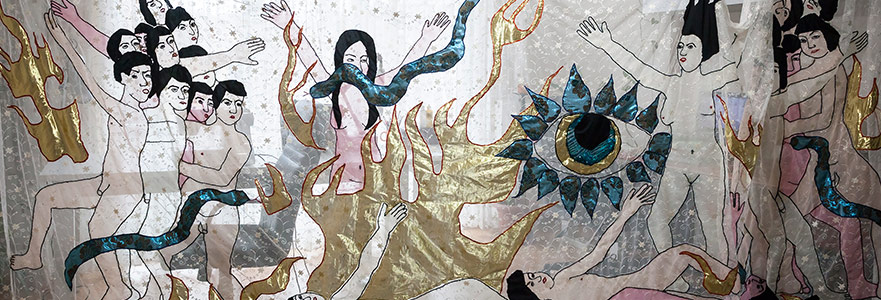
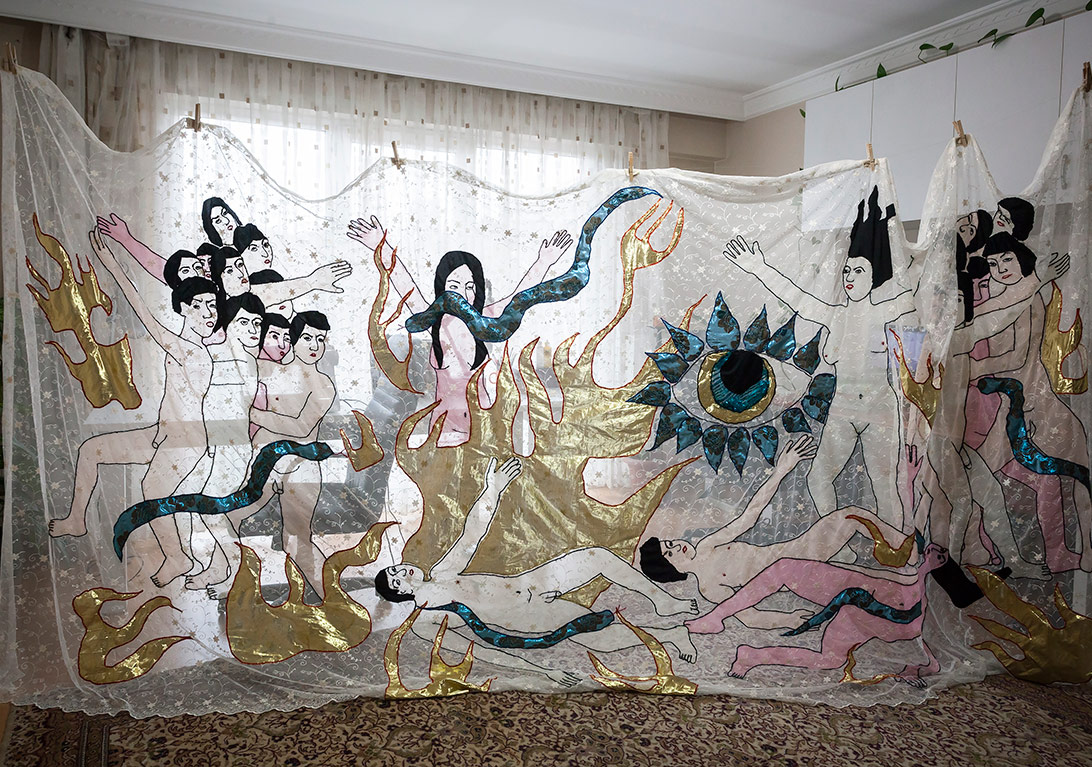
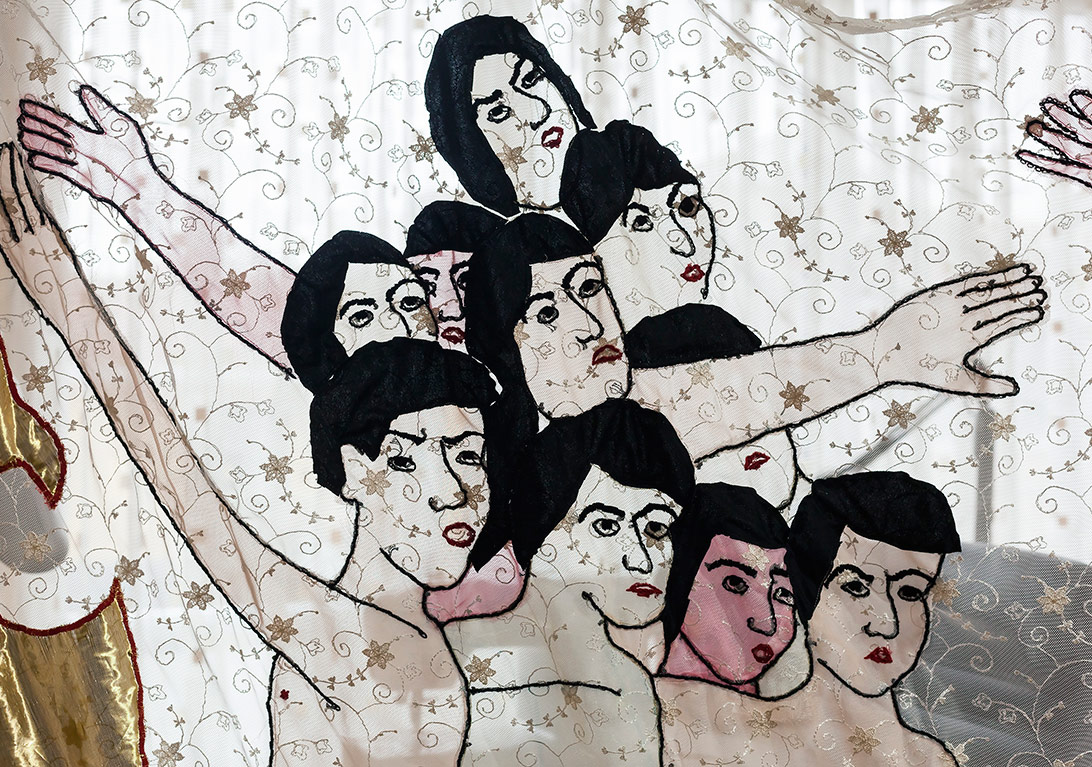
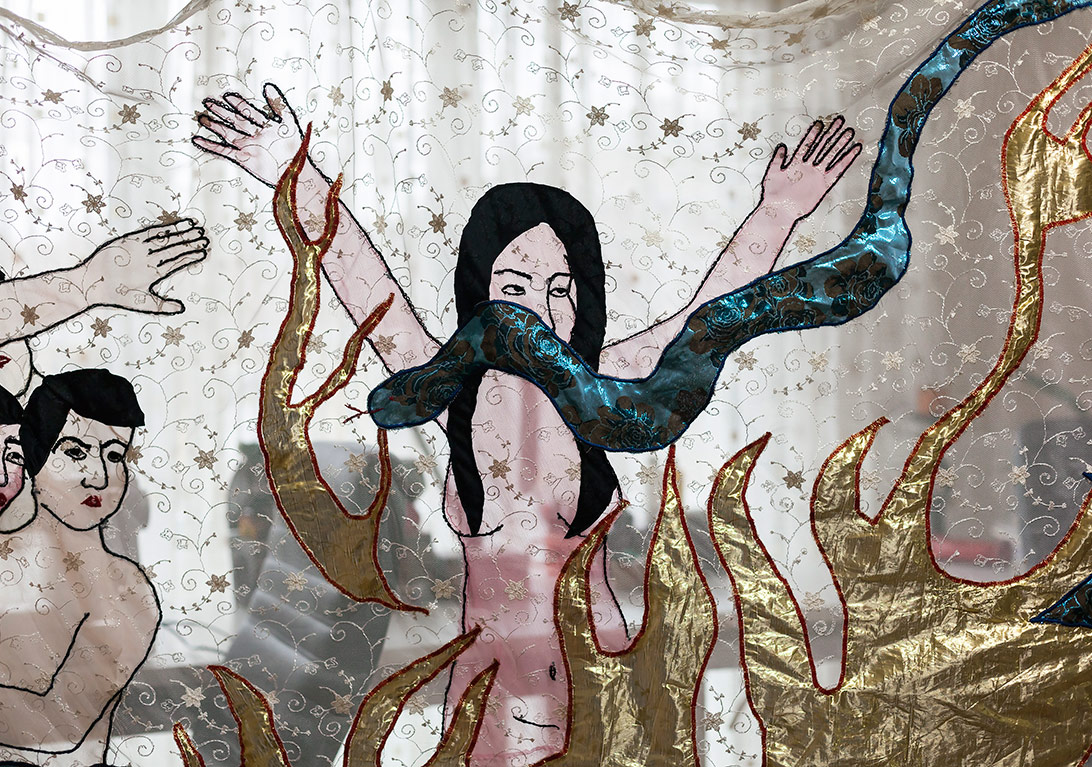
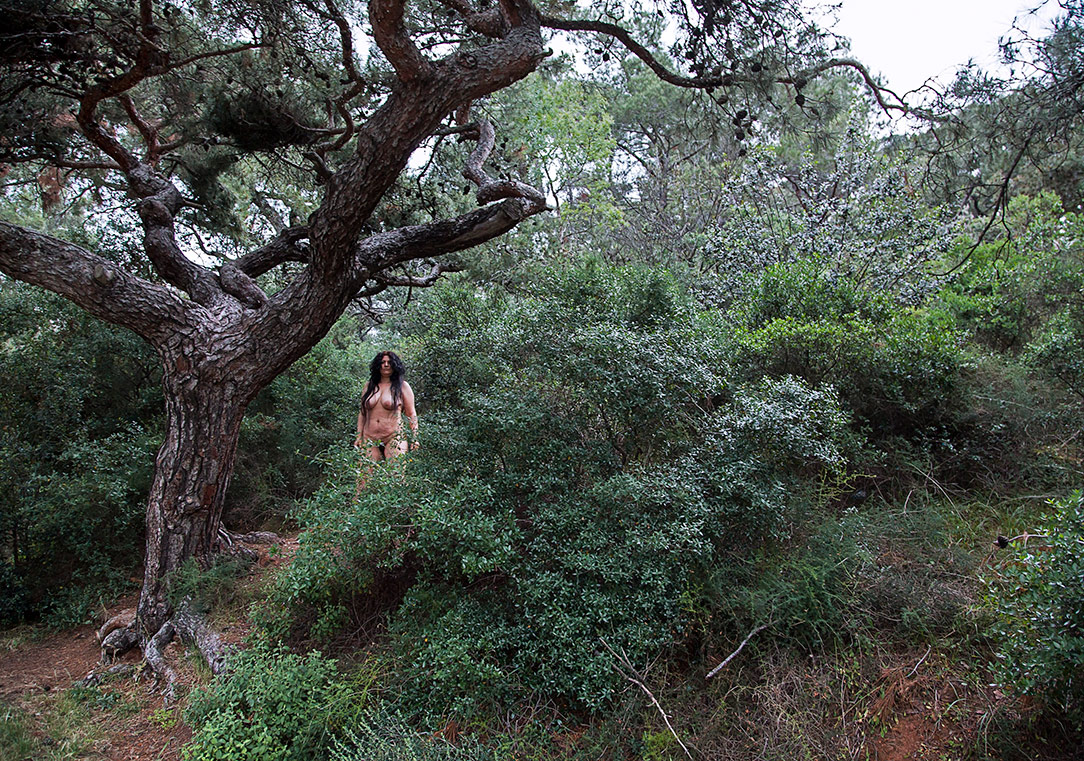
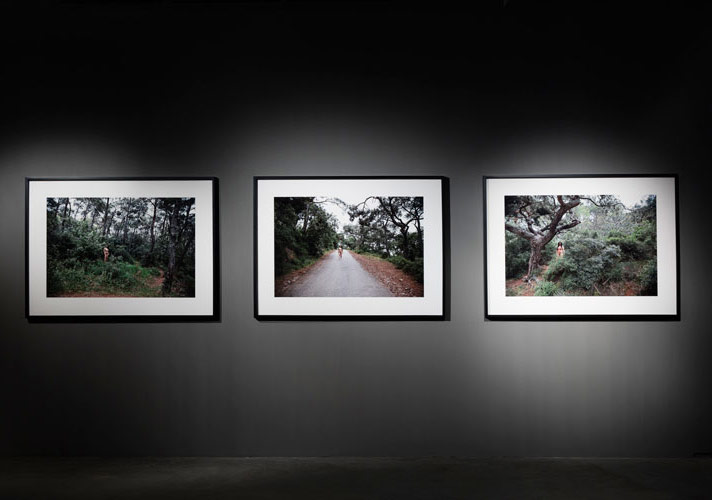
Most of the works included in the exhibition play with light and shadow. There are three installations using tulles. There is a series of photographs called Distant Forest Nearby City. A performance I realized with my naked body is included in these photographs. We took these photographs in Heybeliada and Bomonti. Starting with the thought of The Shining Darkness, we photographed both during the day and at night. The shooting at Heybeliada took place during the day. When I was walking in the forest naked, the only dangers I encountered were being bitten by bugs or being scratched by thorns. It was a very comfortable session where I felt really relaxed. The shooting in Bomonti was at night when we hoped there wouldn’t be that many people on the streets, or so we were hoping. That’s when I realized Istanbul never sleeps. Even if you shoot at 4am, people are still awake. I did feel worried and anxious during this shoot. If a woman is walking on the street at night, completely naked, she is vulnerable, powerless, open to all kinds of dangers. The best case scenario is that you are taken into custody or that you might be beaten on the street. There are also possibilities of being raped or being killed. The series of photographs include documents of this performance.
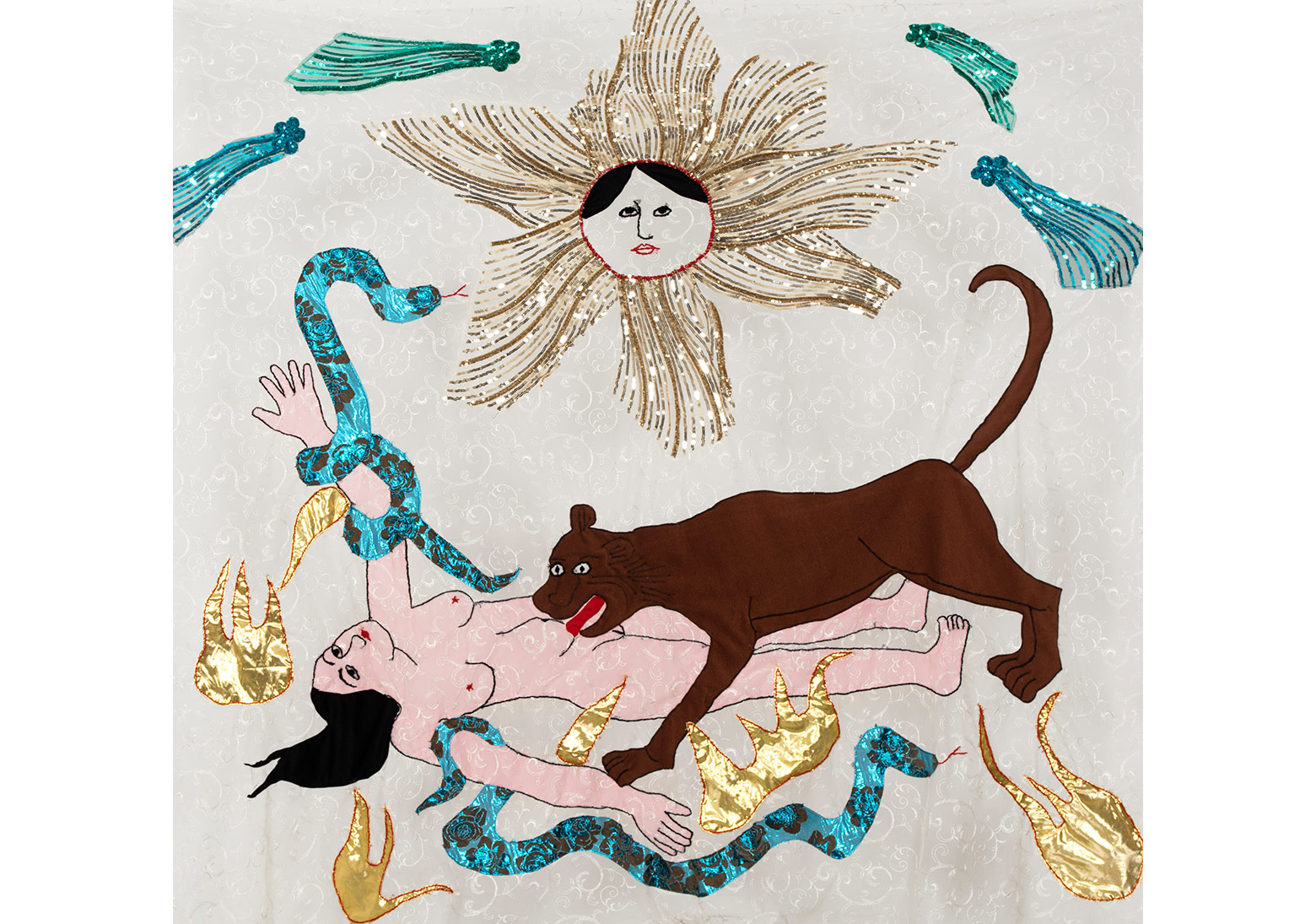
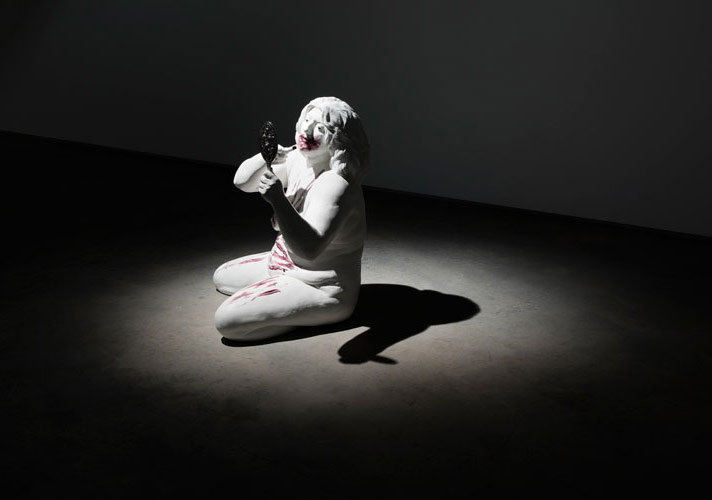
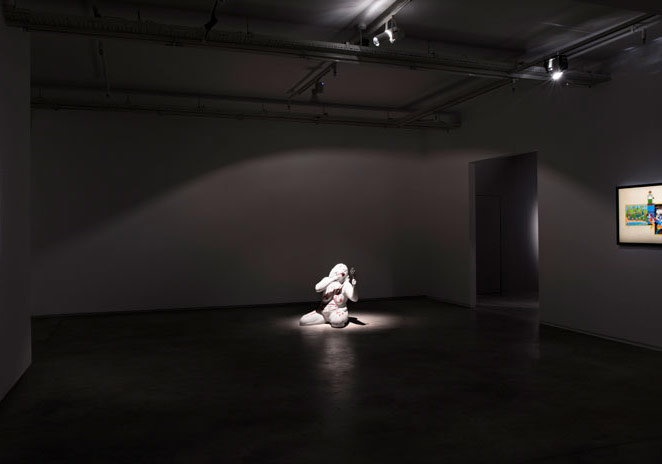
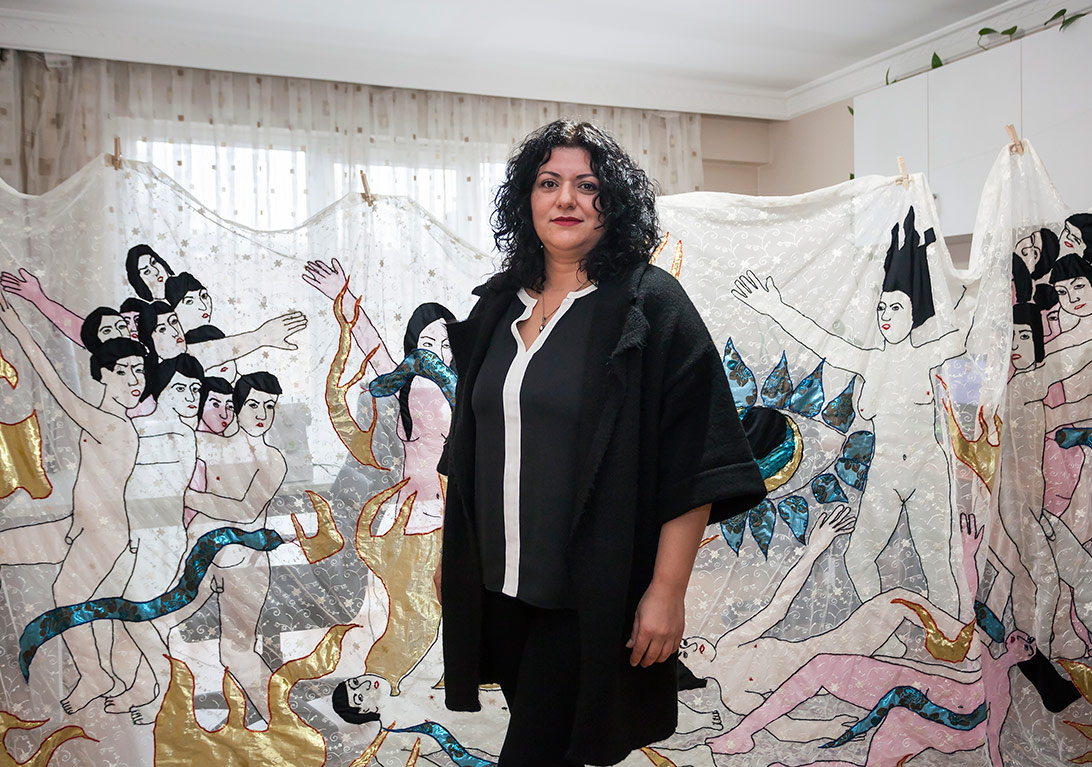
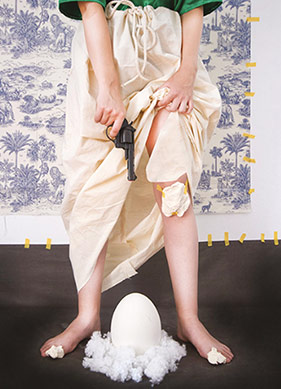
A video work that was previously exhibited at Istanbul Modern, called Delirium, is also included in the exhibition. I worked on this video for almost two years. It is a partially autobiographical work based on love and madness and is one hour long. There is a sculptural work called Woman with Mirror. This is a sculpture based on a mold taken of my own body. The story of the Woman with Mirror also goes back to my childhood. I was about seven years old. My family had taken me to the Bakırköy Psychiatric Hospital to visit a relative. This must have been the worst period of the hospital. I’m not sure how correctly I remember things, because I was a child, but what I remember are the naked patients that you could see through the bars. A naked woman was painting her body using a lipstick. Perhaps because I relate to this story on a personal level, I kept remembering this scene. This sculpture belongs to the Mad Women series, referring both to madness and the impositions on the woman’s body. The impositions of the notions of beauty evoke feelings of being insufficient and no matter what we do, we are not able to reach the beauty expected of us.
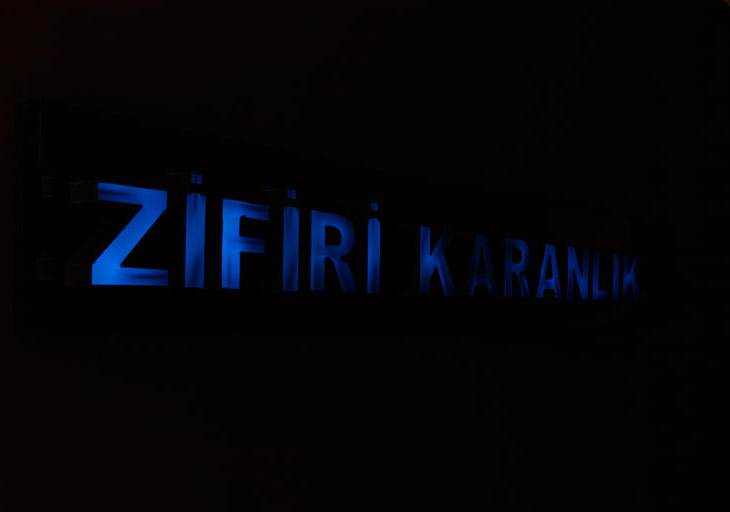
There are also miniatures in the exhibition. There is a LED sign called Pitchblack Darkness. This is a work based on the feeling of darkness. We are not able to get rid of this feeling of darkness recently. We are subjected to violence, both in Turkey and on a global scale. We keep experiencing a trauma; even if we don’t experience it ourselves, we are subjected to images through television and smart phones. We are mourning people that we know or that we don’t know. At least, this is what I have been feeling recently. In Pitchblack Darkness, there is a barely visible light that I define as hope. No matter how much we experience darkness, we cannot let go of the feeling of holding on to life.
Is the exhibition title a reference to this light inside darkness?
We are experiencing a heavy darkness, but we continue with our daily lives. While pain is experienced in some places, others continue their daily life. Children’s corpses are washed up on the shore, others make plans of going for vacation on the same sea’s shore. A process that seem to be in contrast to each other, but which are not guaranteed not to run into each other a couple of days later. Just like Paris being attacked all of a sudden. Everybody is on edge, everywhere there are worries and problems. Ranging from the food that we consume to the water that we drink, everything is getting dirty and people don’t trust each other—a period of time when we are worried about darker days waiting ahead of us.
;