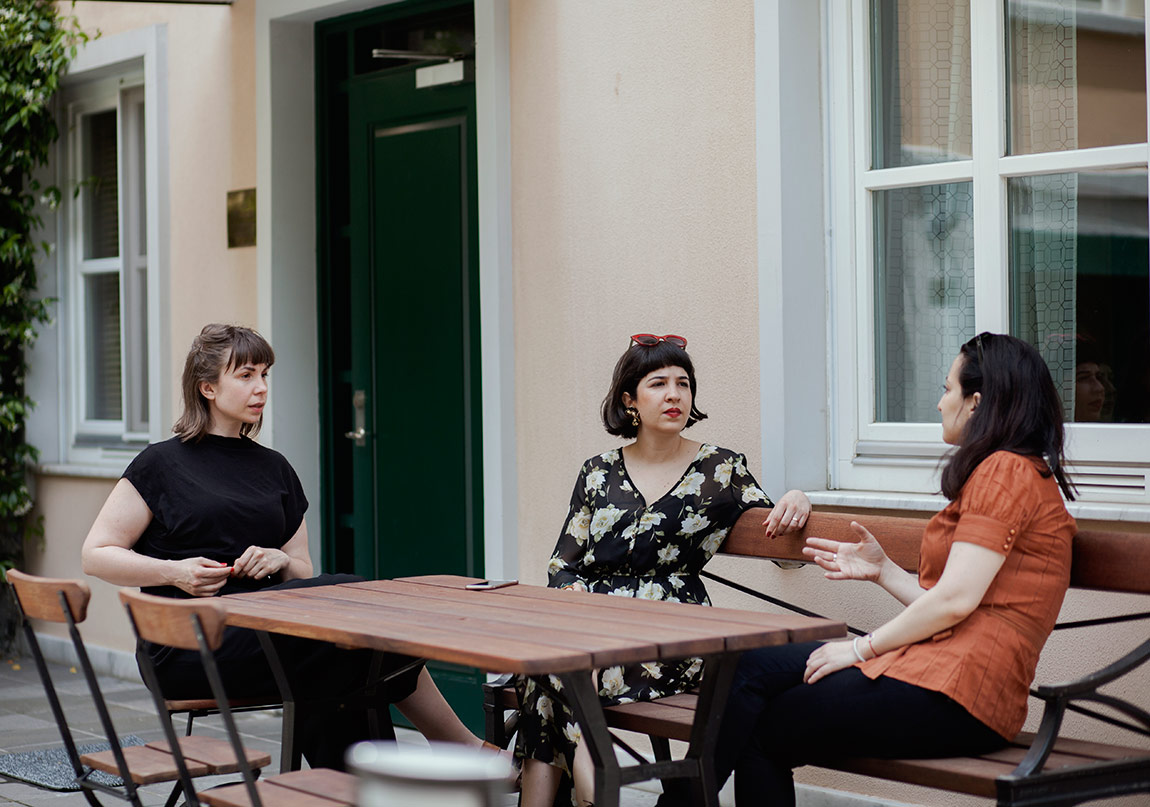
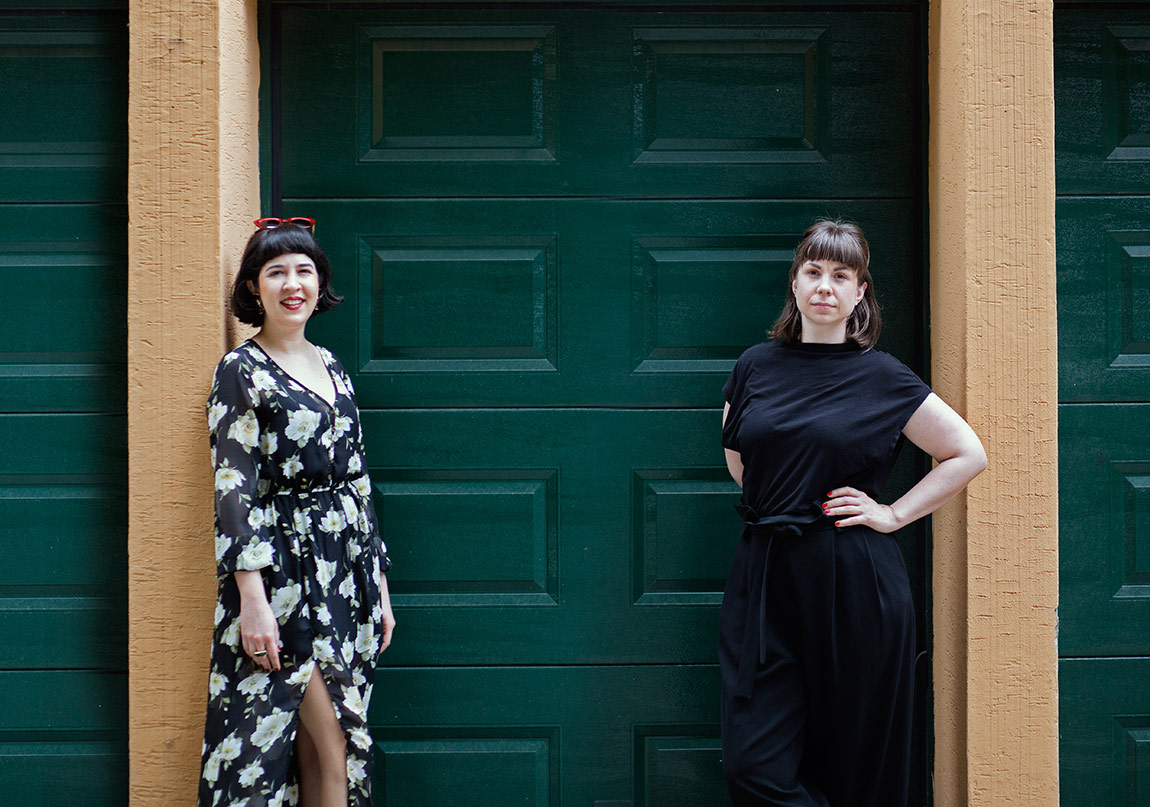
This may sound a bit cliché knowing IdentityLab aims to become a platform for discussion on identity and places, but, could you tell us about this project and how it actually nurtures the networks of creative communities via cultural change makers?
Naz: We came together under the context of Tandem Cultural Managers Exchange Turkey European Union for the first time as presenters of art organizations maumau (TR) and Verkstad Konsthall (SE) and we realized that we both have personal and organizational interest in “identity issues” as cultural managers coming from two countries with different concerns regarding this issue about this issue. We decided to create an artistic research platform, inviting two artists from two different nationalities, Can Sungu (TR/GE) and Liv Strand (SE). Then we started our journey first in Sweden, moving towards Norköping, Stockholm and Jokkmokk while conversing with different artists, art professionals and researches working on “identity” issues. From the very beginning, we preferred to focus specifically on this group of individuals as “change-makers” - we felt that they are the ones who can make a bigger change on the society through their general art practices, exhibitions, talks and writings. We wanted to create a community working on identity issues between two countries: Sweden and Turkey. We do not see this project as a one-step program but as a long living experimental project where we can share knowledge, learn from each other and eventually discover alternative solutions regarding identity dilemmas of both societies.
Regarding the issues of minorities is quite a delicate subject. Minorities and fragility of this topic also connects with your project on different levels. Could you also elaborate that idea a bit more?
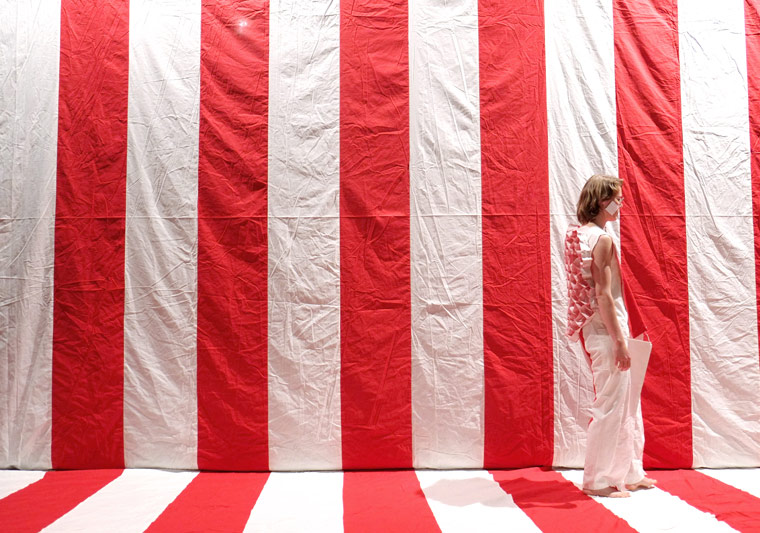
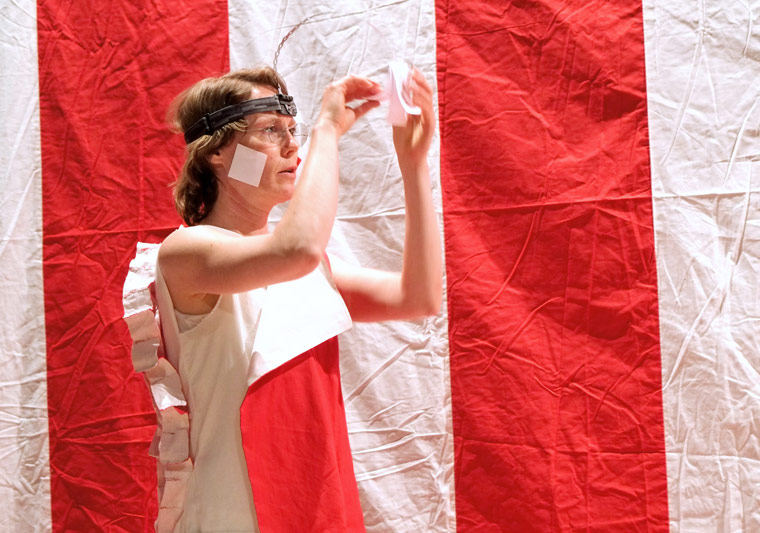
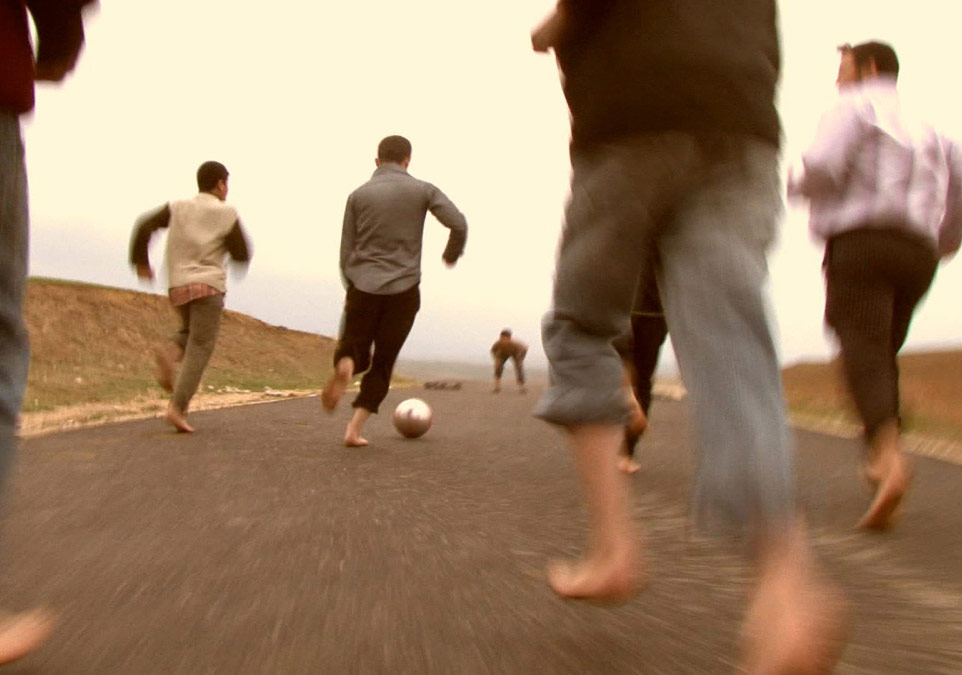
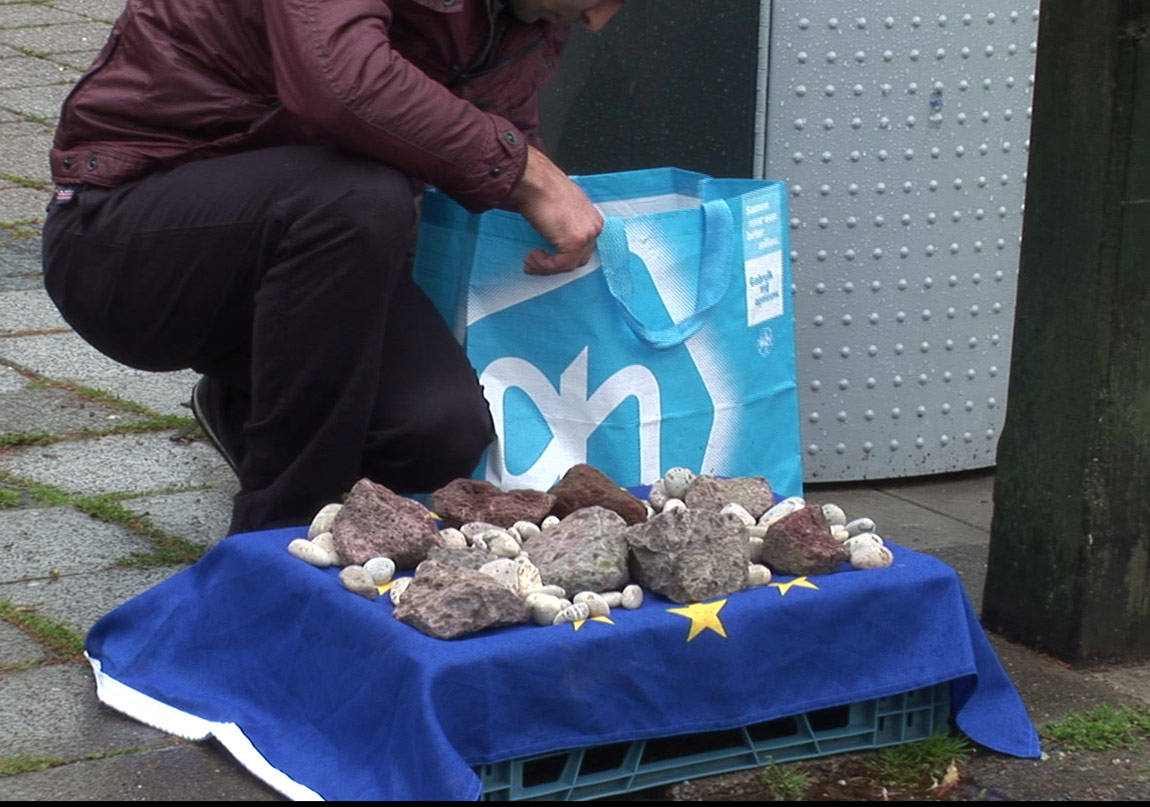
Naz: As we are aware that this is a fragile topic for both countries with different national minorities and not yet fully illuminated histories regarding this issue, we wanted to shape a platform for encounters of different voices and perspectives. We finished our program in Sweden with a seminar at Norrköping Art Museum, supported by Iaspis - the Swedish Arts Grants Committee's International Programme for Visual and Applied Artist, and invited artists with varied backgrounds, some of Turkish, Kurdish, Swedish or Sami identity and opened up a discussion and listened to each other’s stories. It was just amazing to realize how much we have in common and it was very mind opening to find alternative views for these problems. At that point, our interest shifted towards the relation between identity and space, how they relate and affect different art practices. Hence, we decided to carry these conversations to Istanbul as well and planned our program at Swedish Consulate, DEPO and Galata Greek Primary School on May 20th-21st, inviting the artists Fikret Atay, Nancy Atakan, Hera Büyüktaşçıyan, Elmas Deniz, Işıl Eğrikavuk, Katarina Pirak Sikku, Liv Strand, Can Sungu, Lisa Torell and Ferhat Özgür. We will have conversations, workshops, performances, and screenings focusing on the relation between identity and space.
Overcoming the spatial border has been one of the major transnational issues since the 90s just as Doreen Massey, one of your foundational sources, suggests in her article A Global Sense of Place. A similar yet different sense is also represented in Marc Augé’s famous book Non-Places: Introduction to an Anthropology of Supermodernity. Augé, in his book, suggests that modern life brings homogenized ‘non-places’ where we spend so much of our time: airports, railway stations, or shopping malls. These ‘spaces of circulation, consumption and communication’ exist beyond history, relations and the game of identity. This may sound a bit more Baudelairean approach to globalization and urbanized cultures. Following all these ideas, how do you define the identity process in relation to ‘places’ around the near and elsewhere?
Susanne: When the two of us first met at a get-together for cultural managers at Nesin Mathematics village in Şirince, tied to the Selçuk district of Izmir, we could see a great opportunity within the Tandem Exchange Program that is rarely offered to an emerging art curator. As participants in the program we could initiate a project that would be focused on research and conversations instead of an end result. Us both being highly involved in these ideas about identity and belonging made us very engaged to the project. We have used theory and writings about identity and place in our endeavors to understand, but have also been able to include many personal stories and experiences in the discussions we have had. Additionally, Augé also uses the lack of ”belonging” as one of the definitions of his non-places. It has also been one of the key words that we keep getting back to and maybe it is the most interesting link between personal identity and place. It is a totally different concept of course, but one might also consider of oneself as having various levels of “sense of belonging” in a place, which can fluctuate as a result of cultural background, language, personal experiences, social connections and even things like hospitality from the people habituating the space.
So, if a non-place would have a zero level for anyone, a habitual space has very different levels of belonging and the capacity to feel that a connection to a place is strongly linked to one’s power position. This is very clear if we look at the on-going situation with global migration today, something that connects the two geographical and social positions of Sweden and Turkey. The issue of having the right papers and legal rights to enter a territory is perhaps the most basic level; being socially accepted is an advanced one and so forth. Discussing topics like these together with people from different backgrounds representing the perspectives of the majority culture, minorities and migrants has surely forced us to also look at ourselves. Where do we belong? And where do we not? Which places can we enter? Where are we even accepted as individuals who can play a part in creating the place?
Going back to Massey, as one of her key ideas was that relationships and social connections is how a place characterizes its identity. As curators we are both very interested in engaging with neighboring communities living close to the spaces where we work. Naz does this in the area Çukurcuma where Creative Çukurcuma is focused. I work in the small town of Norrköping where Verkstad konsthall is located. It is an amazing way to connect to the surrounding society and to become someone who plays a part in “making the place”. Artists become part in this processes of course, in these examples and many others. It makes us people in power in one sense and that comes with great responsibility, which maybe doesn’t need to be stressed too much. We are creative people trying to bring new perspectives as we let conversations commence in these places. This, in its natural complexity, is definitely something that is lacking all over the world and needs to be encouraged as well.
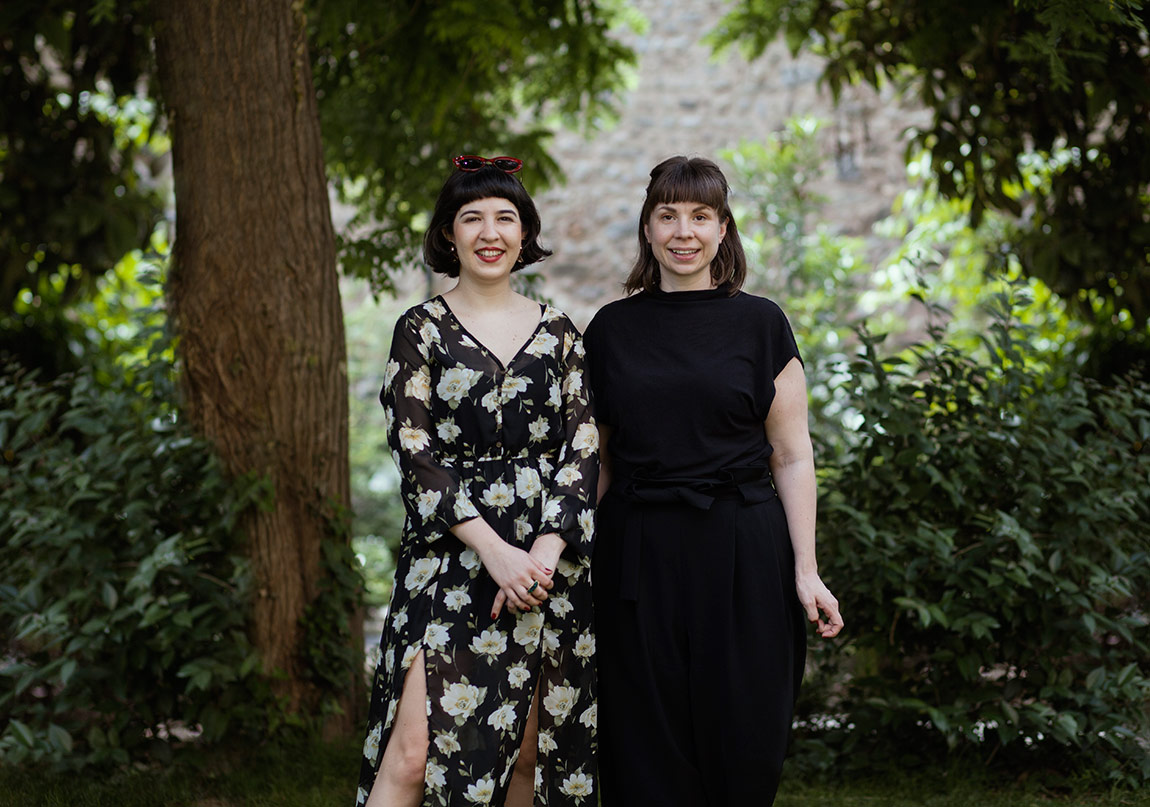
Now, let’s talk about the multi-national artists participating in IdentityLab. Işıl Eğrikavuk, one of your Turkish participants, has been on the news after her public art video work ‘Havva Elmanı Bitir Kızım! / Finish up your apple, Eve!’ shown on the YAMA screen was shut down by the municipality officers, reportedly causing visual pollution. Ironically enough, the video went viral hours after the banning took place. How do you relate this to her upcoming performance for “The Condition of Place” as a means to monitoring the condition of places?
Naz: We were both really sad to learn about the news about Işıl’s work “Time to Sing a New Song.” Censorship in art has been an increasing issue in Istanbul lately. First, Akbank Sanat’s international curator award’s exhibition “Post-Peace” by curator Katia Krupennikova was cancelled with the terror attacks in Ankara given as an excuse. Then, Volkan Diyaoğlu’s exhibition at Bozlu Art Project was cancelled as a result of a Kurdish text and a work related to circumcision. After these two recent examples, now we have the third one. Of course, surveillance is a hot topic of our time and it is important to ask: “How does surveillance in spaces affect our identity through leading our behaviors and even ideas?” It also leads us to the idea of auto-censorship through the art practices in this sense. In line with this idea, Işıl will do a performance that can be perceived as “Eve Part 2.” I do not want to give too many details about this, let it be a surprise for the audience!
This brings the next question about how a place's identity is formulated through conflict. You are also curating a program with performances, screenings, workshops and conversations. Your panel discussion will be dwelling on “The Fragility of Place,” inviting Hera Büyüktaşçıyan, Ferhat Özgür, Lisa Torell, Can Sungu and Liv Strand. What is the artist role in all this? To what extent does the artists’ identities play into this?
Susanne: We do believe that this project is important mainly because places are under extreme conflict at the moment. Maybe that has been the case throughout history but we do see things occurring in both Sweden and Turkey that don’t resemble anything we have come across in our lifetimes. In Sweden for instance the Swedish Democrats, a nationalistic and populist party is gaining more recognition and you come across reactionary and even racist statements in various situations to a greater extent than before. This is related to the recent wave of refugees that has entered Sweden, mainly due to the conflicts in Syria. But it makes one think of culture and belonging and disparate perceptions that exist around these concepts. It is such a complex situation and of course identity and identity politics play a big role in it. It is a sad thing to even imagine people of the Swedish society trying to stop refugees from entering the country and sabotage their stay by for instance burning newly established housings where they live. When I try to understand this, why they think of Sweden as a place to protect from that “other” culture that they fear, I become frustrated and confused. Going back to Massey, once again, she writes about the general misconception about places having one single essential identity, when in fact most places in the world have been influenced by ideas, trends, ideologies and culture from elsewhere and even the ones that hasn’t to any larger extent is often perceived in various ways by inhabitants of different age, class or gender. From this line of thought one might argue that places should be shared and that cultures can mix and what comes out of it is a place with a multi-layered and flexible identity. But if we instead look at places from the perspective of the minority, this situation becomes even more complex. The IdentityLab team went to Jokkmokk in the far north of Sweden in February to meet with artists and museum professionals. It became clear that the local conflicts between the Samí population and the Swedish people were much greater than we could have imagined. Even myself, living in Sweden, having partly a Samí heritage, I did not know of the way these conflicts play out in everyday life. We have the idea of Sweden being a very democratic and well managed country when compared to other countries, but when it comes to the relationship between the Swedish government and the Samí people there are many unresolved conflicts stemming back in history and prevailing today. The artist Katarina Pirak Sikku will address some of this in her talk at DEPO the 20th of May. We have also invited a number of artists to the panel talk on the next day hoping that they will shed further light on the complex issue of places and how they relate to people and power. Also the artist's role in all this; is the minority artist always obliged to relate to his/hers identity - does any artist? Can you make art independently of your identity? How does art influence places - should it? IdentityLab is a platform to bring issues like these on the table, we are very eager to see what happens when this great group of artists looks at this together with us during the sessions.
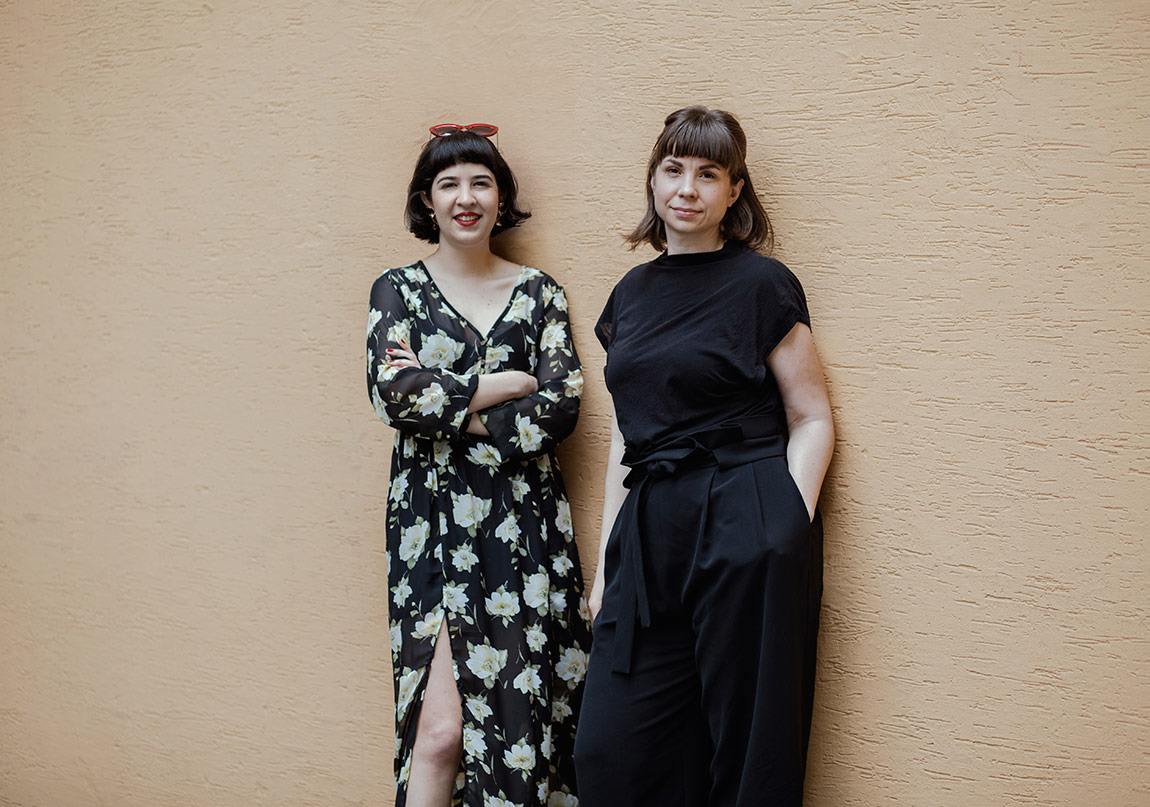
And the last question… I would like to ask you about Subject to erring, one of your core attitudes in the IdentityLab project. Identities are also involved in our habitual definitions and destinations. In consideration to Massey, Augé and Bhabha amongst other thinkers, social-anthropologist and geographers, how would you think architecture reflects the stories behind identities through spaces, places and cities?
Naz: “Subject to erring” is a workshop in which artist Liv Strand is inviting a limited number of artists from Sweden and Turkey to meet around discussions about identity and place. The workshop is actually a key part of IdentityLab Sessions and stems back to us wanting to create a platform for exchange of ideas. It is the only closed workshop we have, all the other parts are public. We organized a similar closed workshop at Norrköping Art Museum as well when we were in Sweden and we just found it very beneficial to create a sense of community between participants as it generates a more sincere atmosphere and lets you discuss topics that you may not be able to do in front of a general public. As we deal with fragile topics, this is one of the solutions we found. For “Subject to erring,” Liv invites artists to consider and discuss identity as interdependent with place and location. We want to broaden our perspectives through exchange of collective and individual experiences. Each participant will write a subjective report, recording personal experiences about the feeling of displacement. It can be about finding oneself in a strange state, from an actual or an imaginary journey. We will use the reports to collectively discuss and analyze how identity relates to place.
Taking its reference from Homi Bhabha’s concept “Third Space” and Mary Louise Pratt’s idea of “Colonial Contact Zones,” Liv states the importance of this workshop as the following: “The force in these concepts provide a space for a multiform analysis, rather than an almost automatic, Western, dichotomized one. This is especially important in the present days of increasing antagonism between religions, and between emigrants and comfortable citizens.” And I personally totally agree with this perspective especially after our trips, conversations and discussions in Sweden. To give an example, we visited a housing complex; part of the “Million Program”, in Stockholm and it was very interesting to learn about this program implemented in Sweden 1965-1975 to make sure everyone could have a home at a reasonable price, with the aim to construct a million new dwellings. Since it’s creation it has been associated with various social problems and today many of these complexes are in a bad state and very run down. Appreciated by some inhabitants as friendly neighborhoods they are also associated with contradicting opinions and are often inhabited by low-income families and people of immigrant background. In some cases there is a high level of social problems and crime in these areas. They are often placed in a peripheral position against the city center and Stockholm is a city of great segregation with a wealthy population in the center and people with less income and power in these suburbs. People from the latter group are often referred to a residence in one of those outlying areas regardless of whether they have a social community right there or would prefer to stay on the other side of town.
These thoughts can also be linked to the current situation in Istanbul, with an increasing level of incoming mobility, how do we deal with this? What are some alternative solutions? Our surroundings are an important part of our identities. Of course this is just an example from our journeys but it is in general obvious that architects and urban planners have much to do about this issue especially at a time when we are discussing voluntary and involuntary mobility more than ever.
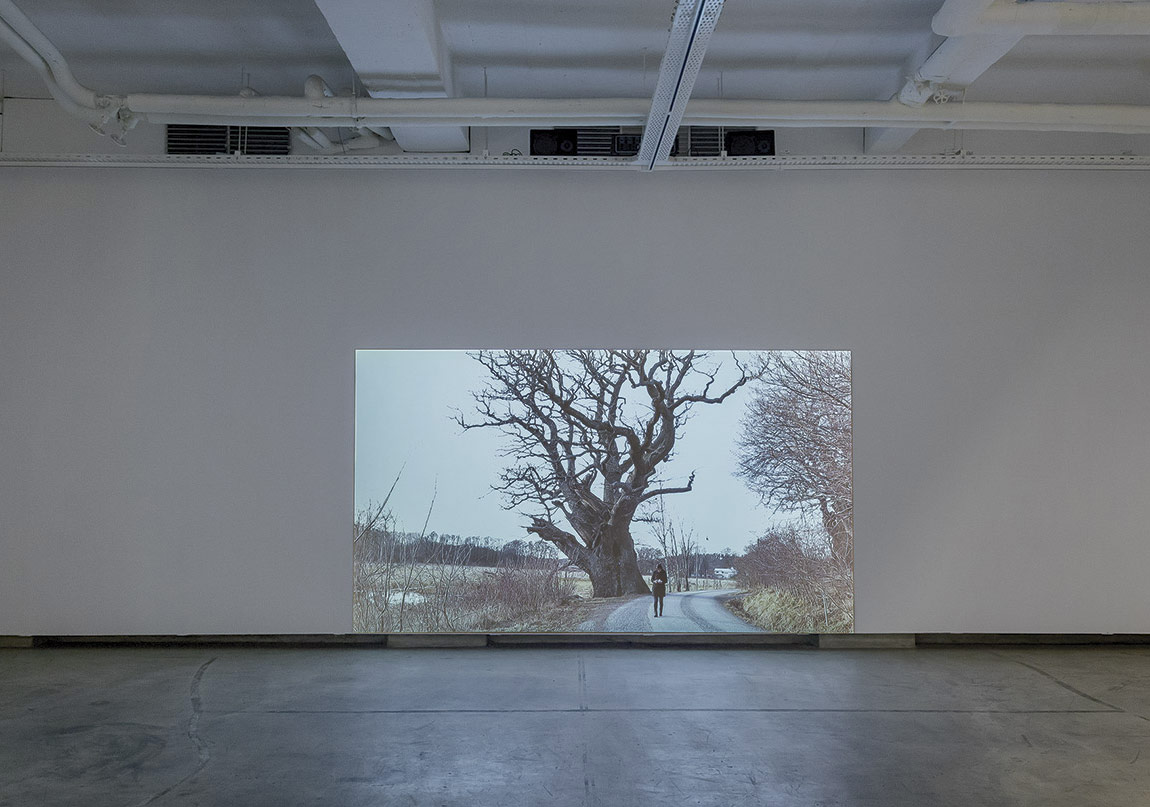
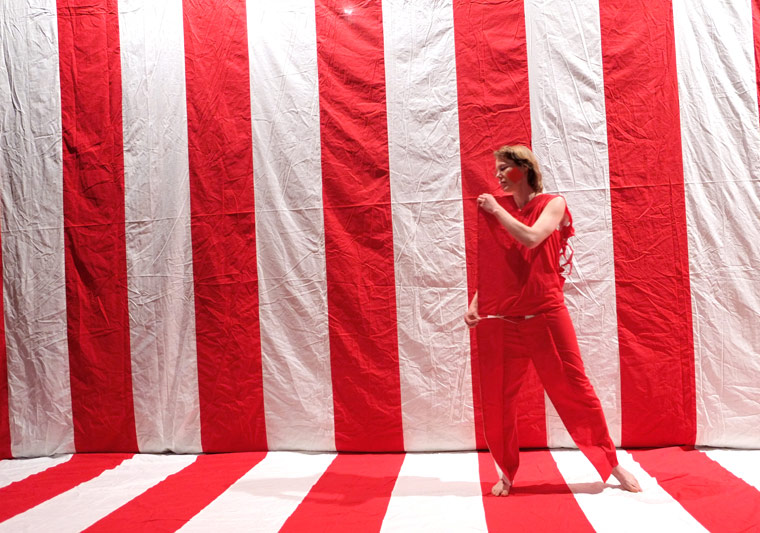
Susanne: How the physical surroundings are made and managed, form a base for creating community and culture in a given site. Some of the participating artists address the issue of public space and how it is negotiated and used, not only the architecture, even though it is a major factor in how the city is created. Lisa Torell focuses on the smaller gestures. By highlighting the single individual’s endeavor to improve or preserve specific site or item in the public realm, she manages to provoke thoughts about the policies and relationships that are involved in creating that site. Her video Figure 3582 is documentation from Pleasure Culture, an installation in three parts on three different spots in the district Nowy Port in Gdansk. It depicts a man slowly and carefully painting an every-day generic object from the street of that particular Polish city but maybe at the same time any city we know. It is a fence with striped red and white horizontal metal bars that is there to control the flow of people or vehicles in one way or another. These kinds of objects are forming the movements in a place, their accessibility and appearance just as the architecture does. Lisa will present a new version of her performance Figure 2224 for the courtyard outside DEPO as a next step in the project.
;