When did you start collecting painting? As a collector who has been passionately involved in acquiring very important art works, what are the things that you value?
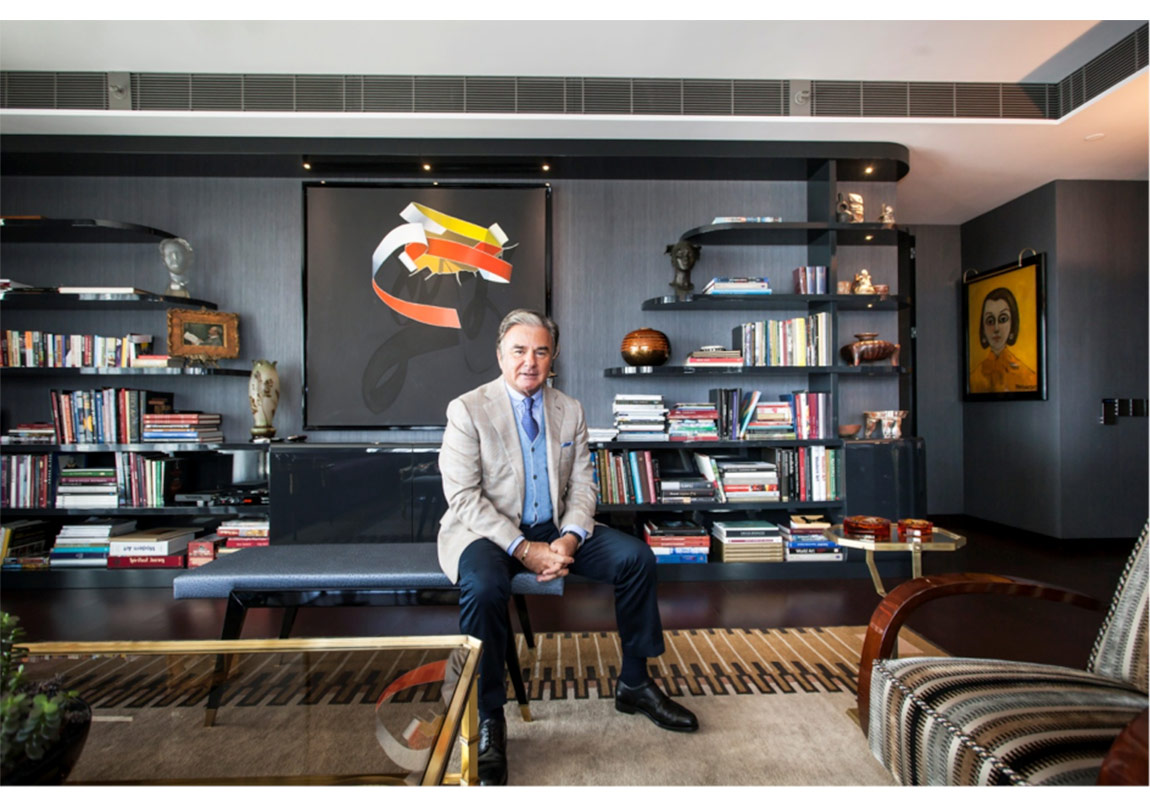
I have always been interested in art works, but I bought my first work from Cumali Art Gallery in 1983. Art is a visual thing, you have to be very careful when acquiring a work. Especially those who collect painting have to educate themselves, because an artist's medium-quality work or sketch is priced very differently from a high-quality work. In other words, you can never buy a high-quality work of an artist for a low price at any point in time. But if you want a work by that artist in your collection, you can acquire a medium-quality or sketch work for a decent price. This is what I paid attention to in my collection. I tried to acquire the highest quality work by an artist. Some collectors have 1000/1500 works, but when you look at the quality of works, there are only 300/500. I have 150/200 works, but usually, they are the best works by the artists. What is collecting anyways? If you see a better work by an artist, you sell the work you have to be able to buy the other work. Then the collection becomes high-quality and valuable.
So you are saying less is more?
Does your collection have a main theme or an era that it represents?
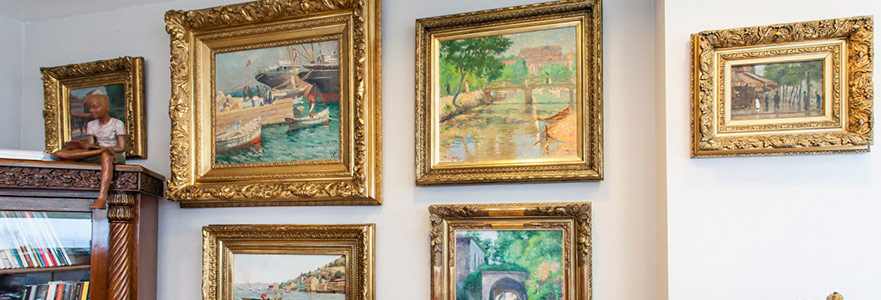
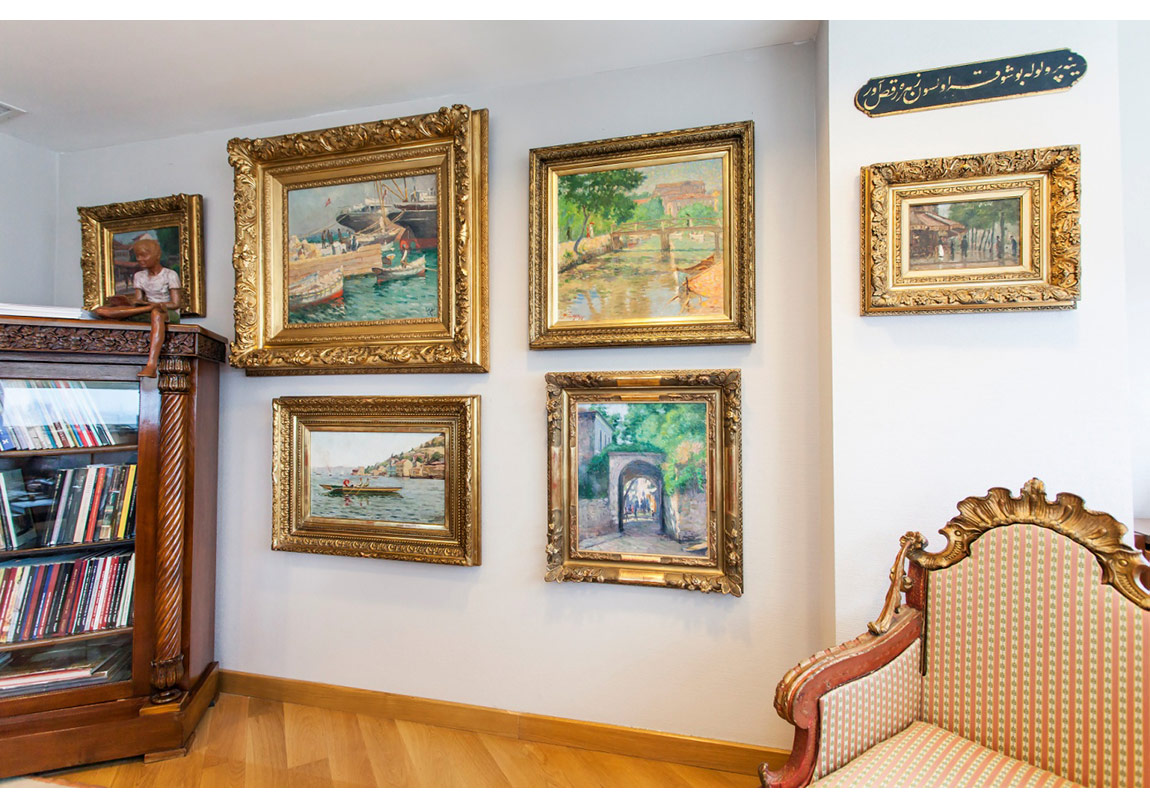
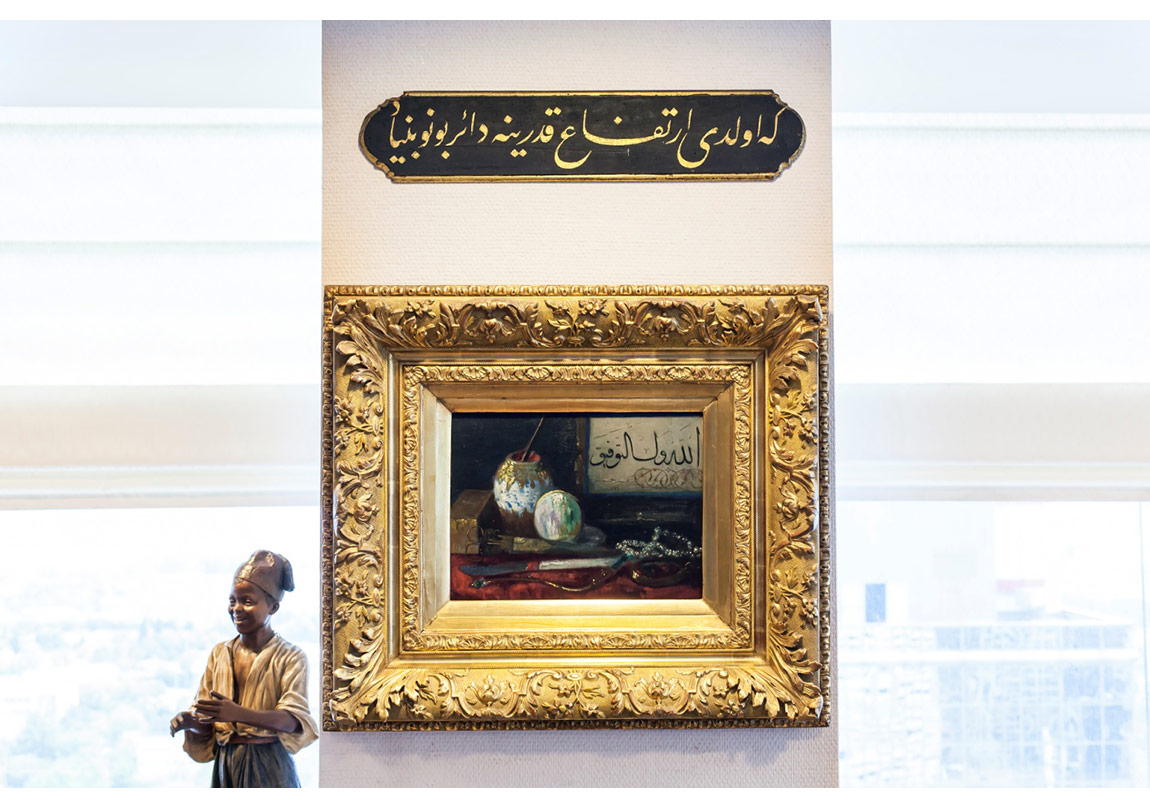
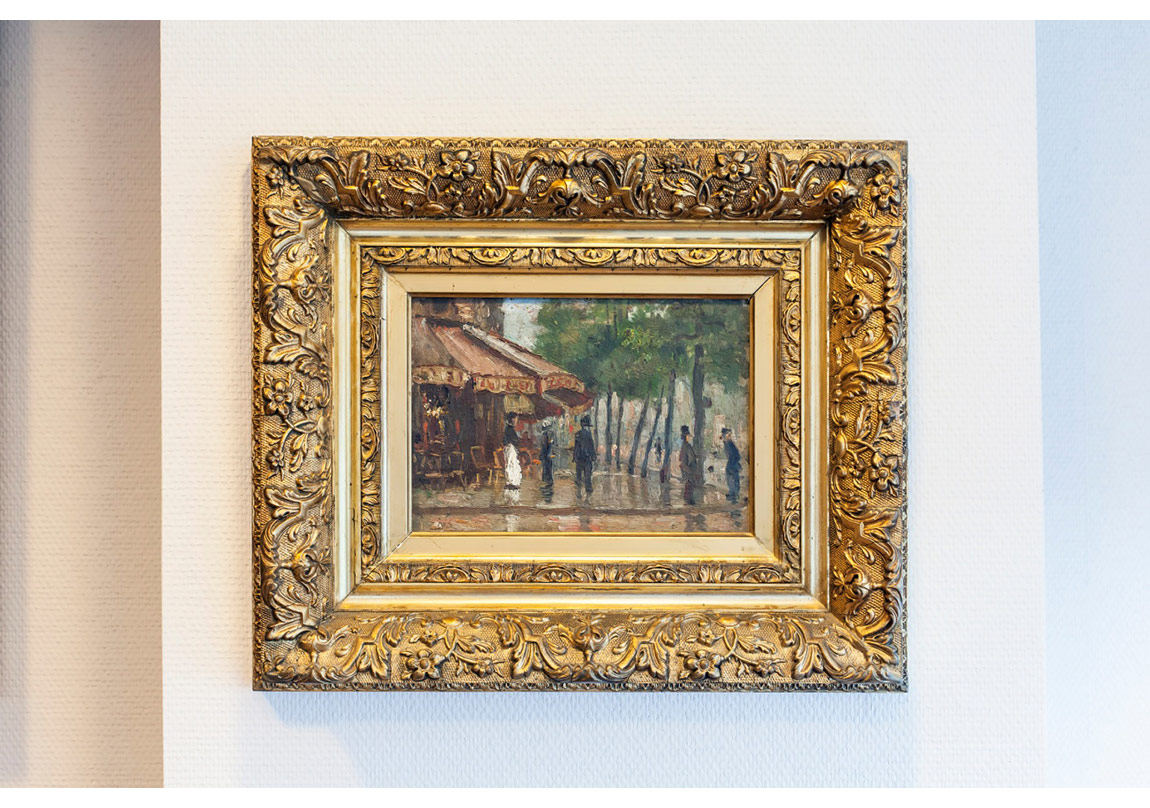
I try to focus on the artist's best period and the topics that they chose rather than focusing on a theme. For example, Nazmi Ziya used to paint Kurbağalı Dere and that used to be a beautiful place. Hikmey Onay, Vecih Bereketoğlu... There are no works of Kurbağalı Dere today, we can only remember it from these paintings. Göksu is like that too. I like the orientalists.
In the past, you were obliged to sell an important collection that you had put together meticulously and laboriously. Could you tell us more about this story?
At the time, there were not that many people collecting in Turkey. Yes, I had an argument with my father and I decided to go to the USA and in order to do this, I had to sell my collection and my house on the Bosphorus. I was not upset about my house on the Bosphorus but parting with the works that I had collecting was more difficult, as I later understood.
We know you as a traditional art collector but recently, you have been collecting contemporary art as well. When did you start becoming interested in contemporary art and why?
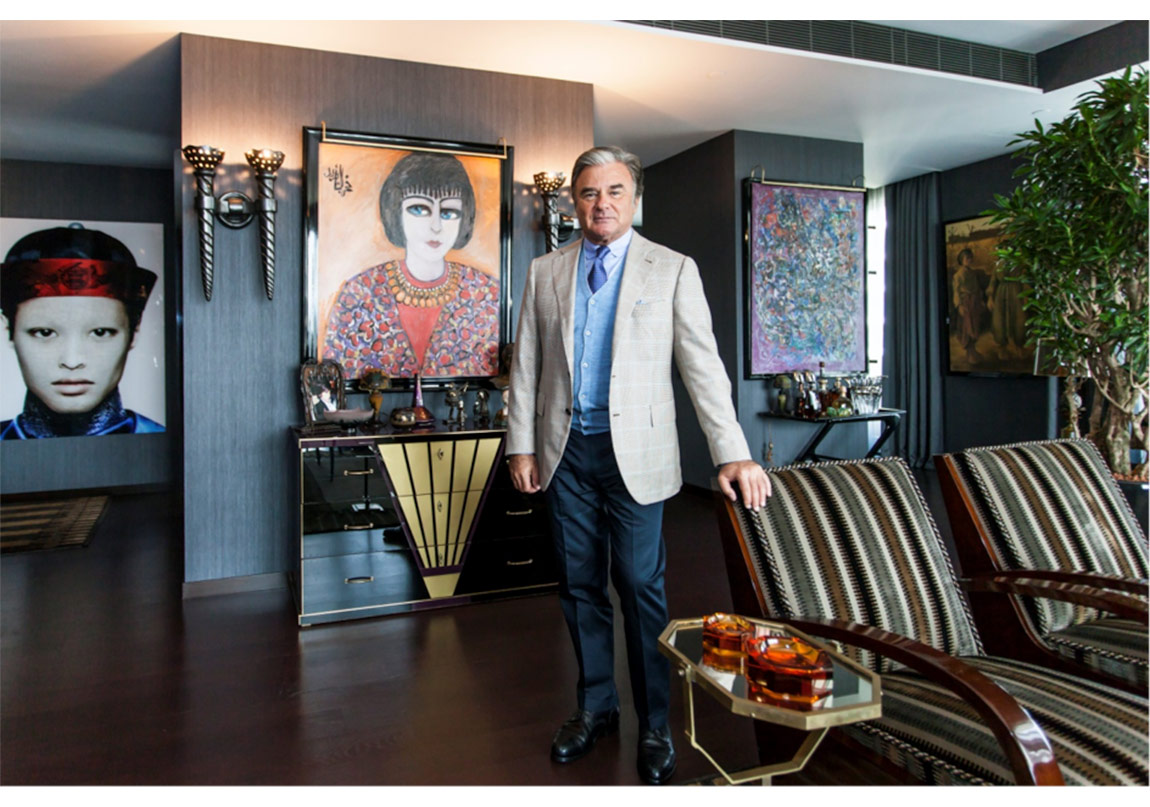
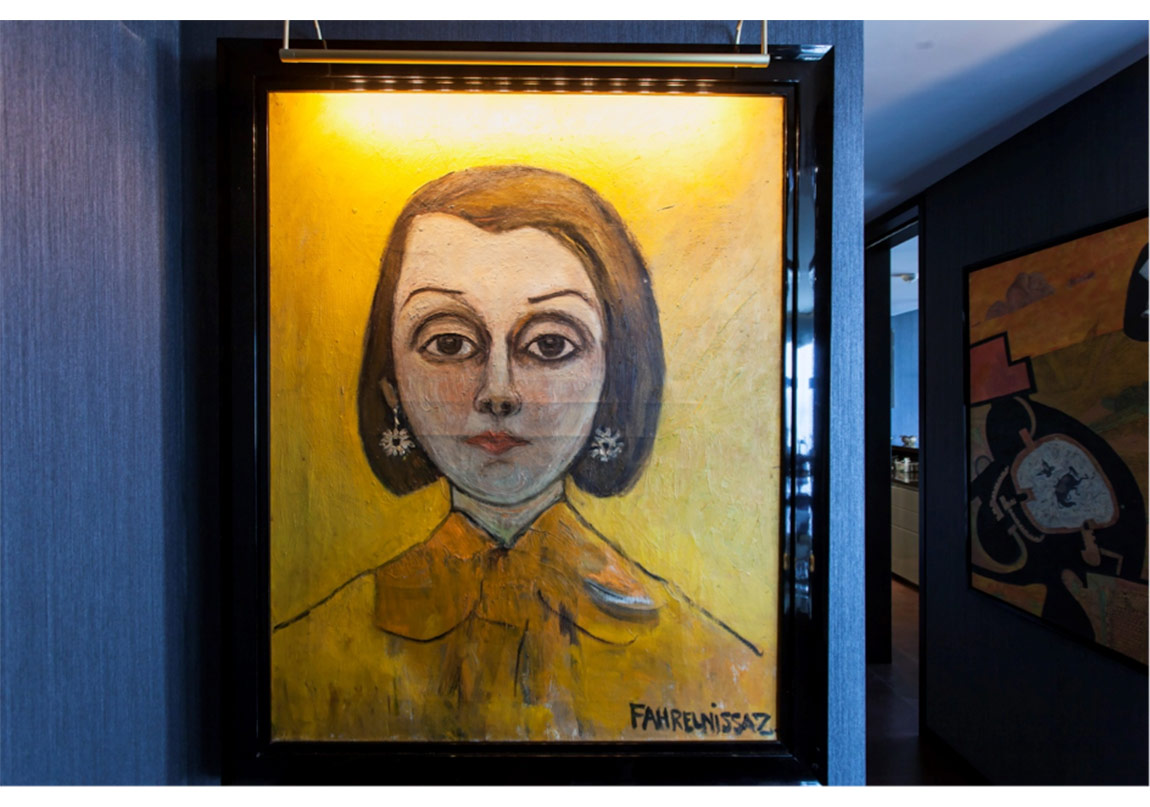
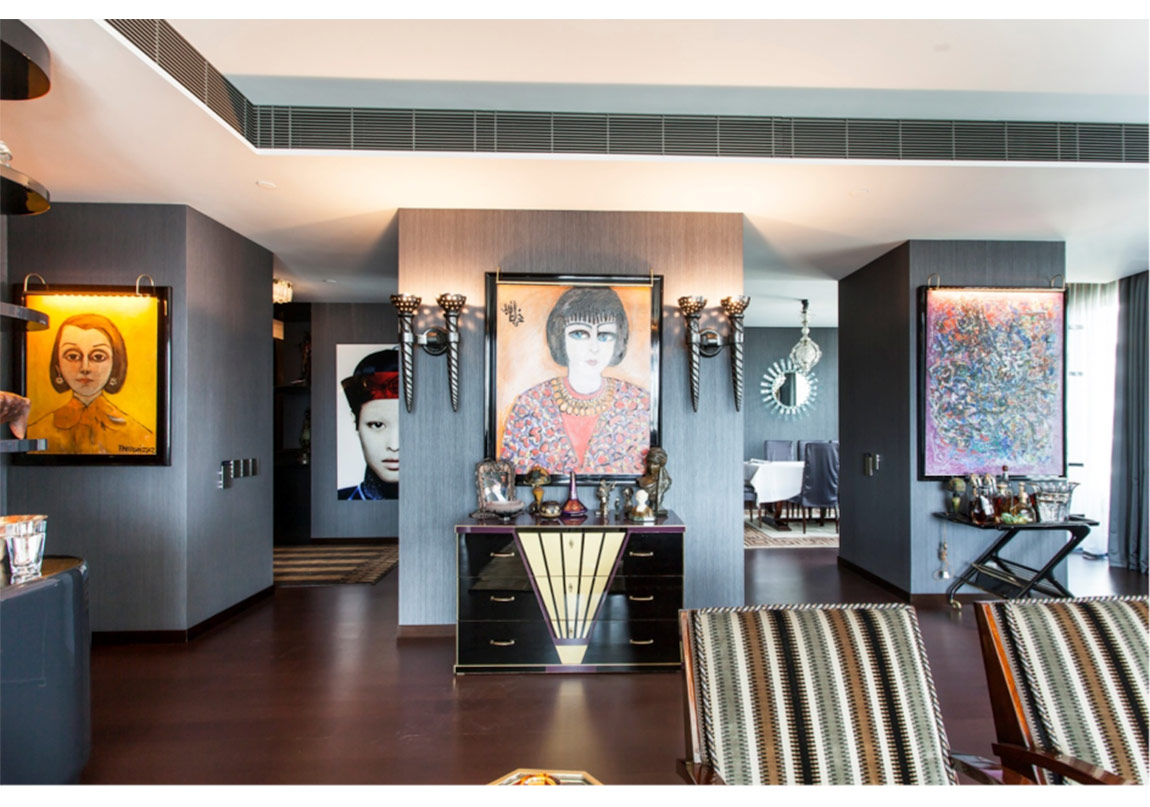
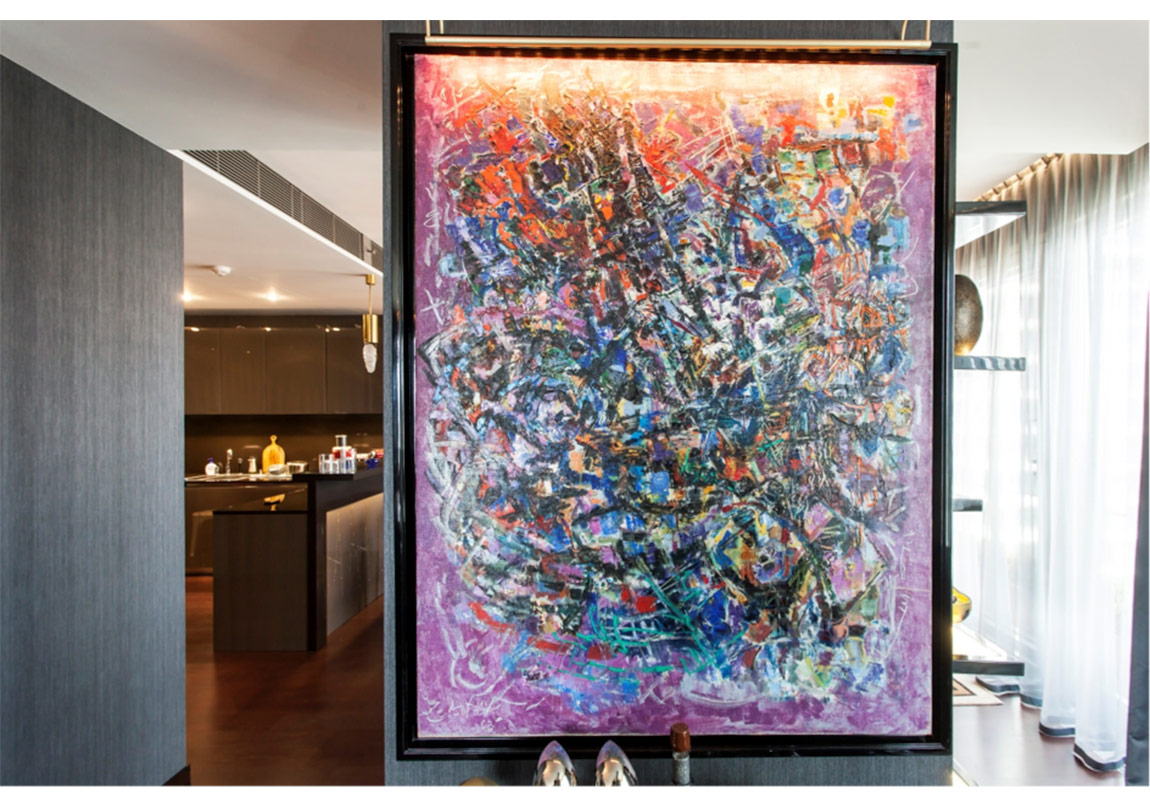
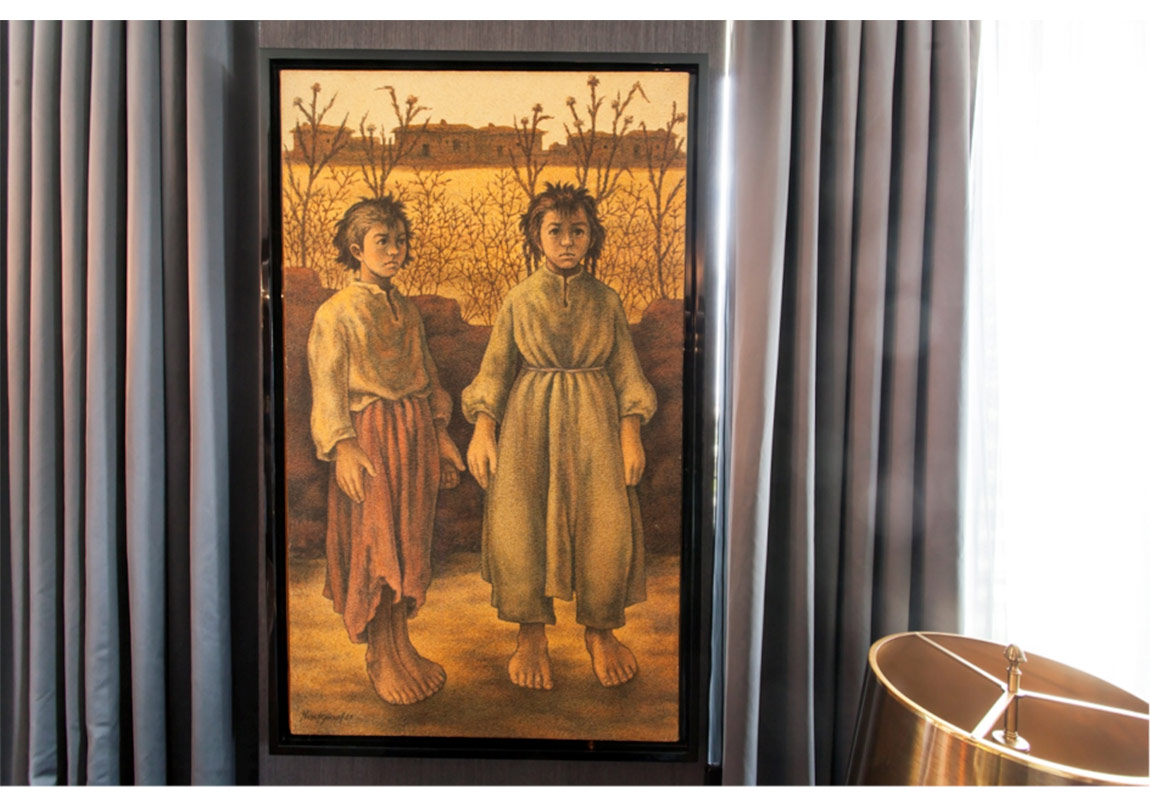
When I first started collecting, I was not interested in modern painting, but now I'm enjoying modern and contemporary art works. I think this interest began in the 2000s. Recently, I acquired portraits by Fahrünnisa Zeid. I was not interested in portraits before, but the portraits that Fahrünnisa made with her particular style, her brush were very striking.
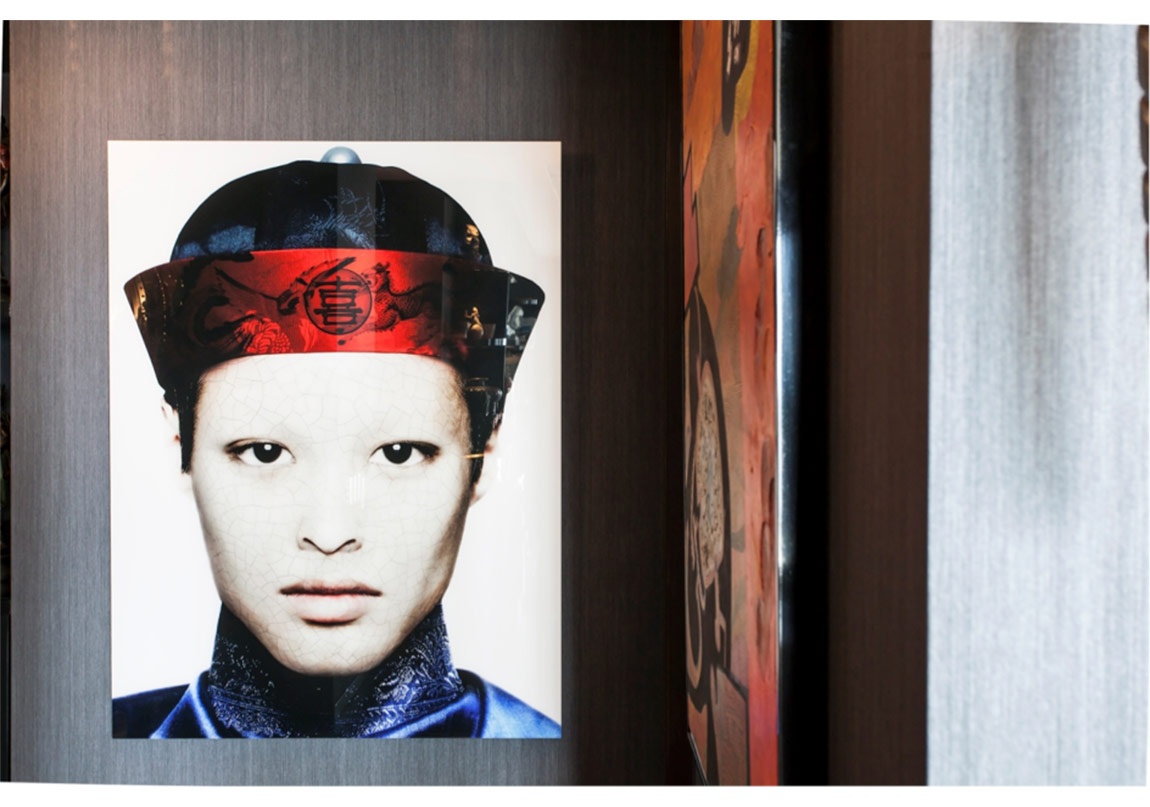
Photography has also become more interesting to me, it is a very important medium. It is only recently that we are beginning to appreciate its value. Photographs fetch very high prices around the world. Last year, I acquired from the photography artist Drew Tal and I love the work.
What do you see as the difference between contemporary art and classical art? Are you struck by the idea?
Traditional artists depicted the historic places that they saw or specific subjects, but movements of art emerged. For example, if we take Impressionism as an example, Monet used light really well. Today's art has a different use of creativity, it is open to interpretation. We know the traditional artists; with contemporary, you have to discover for yourself.
But you still continue to collect traditional art, right?
What do you pay attention to in a traditional work of art? What are the criteria that are important for you? Do you pay attention to who the work is by at first glance?
I have to first be satisfied visually. Then I look at the artist who made the work. To select a work by a good artist without knowing who it is by gives you a big pleasure. After liking the work, I make sure to follow the artist. The artist's perspective on art, the contemporaneity of the works, the continuity, quality, what they have done so far are all important criteria for me.
What are your thoughts on the developing collector market in Turkey? Are Turkish collectors knowledgeable and interested enough?
Compared to before, they are more aware, but not enough. Being a collector requires knowledge and curiosity before anything else. The buying power is also different. Today, the art market in Turkey is worth about 350 million USD. Of course, compared to 15 years ago, that is a huge increase; it was worth 5 million USD in 2001, 105 in 2010 and 300 in 2010. If we compare this to the world market, these numbers are of course very small. As you know, Bacon's depiction of his painter friend Lucien Freud broke a record and was sold for 142.4 USD and this month, Picasso's Algerian Women sold at 179.4 USD at Christie's, breaking the record for the most expensive painting sold at an auction.
In other words, an art work is sold for half of the value of the whole art market in our country. How about the museums?
I think that there are not enough museums and in front of the ones that exist, there is not a queue! In Abu Dhabi, which has a population of 500,000, a Guggenheim and Louvre opens, investments of billions of dollars. It is sad that in a metropolis like Istanbul, there are so few museums. In China, 400 new museums are being established. In Turkey, maybe 3-4 museums will be established, but this is not enough.
Do you think collecting is a creative enterprise?
Absolutely. Especially for those who are starting to collect now. We started by collecting works of artists who were well-known, but we tried to collect works of highest quality, from their best periods. New collectors are beginning with their own discoveries, training their own eyes. If a work by an artist that they selected by themselves goes into a museum or if a work by this artist is sold at auction for multiples of how much they paid, the creativity of the collector becomes manifest.
Passion becomes legitimized by other authorities and comes back as an investment. In other words, a cultural legacy for future generations as well as gaining returns on a financial investment, according to you, is the result of creativity.
What are your thoughts on art being viewed as an investment?
None of the collectors that I have known since the 80s bought with the intention of an investment. They did not speculate. This continued until 94/95. But later, in 96/97, art works started to be placed next to traditional investment tools. There was an increase in demand for art works. When the demand increased, prices went up. Art work prices multiplied. Auction houses also played a role in this. During financial crisis, art work prices drop rapidly, but art works are also the first to recoil in value.
Then what is the situation in the global art market?
The global art world is over 50 million EUR. 33% is in the USA, 25% in China and 23% in the UK. There are two interesting elements here. France, which was the center of art in the 19th century, went down to 3%. China, with a huge leap, became second. One of the main reasons behind this is that Chinese art has a market outside of China.
Yes, it is very interesting. There is also this point: It takes the US 40 years to get ahead of France. It takes China 10 years to get ahead of England.
Art markets rise in centers that control the global economy. In China, this rise happened very quickly. It is also important to add this. After 1889, except for 1929, which was a year of global economic depression, the stock value of art works never dropped, but has rather gone up consistently.
Let's go back to your collection. If one day you had to part with your collection again (which I hope never happens), which three works would you not be able to give up?
The works that I have hanging in my room and that I spend every day with. For me, a Nazmi Ziya is as precious as a Monet; put his work in the Louvre, nobody would be surprised to see it there. I really like the Ibrahim Çallı, "Sıkma Baş Kadınlar" that I have hanging behind my desk. And Halil Pasha's orientalist paintings.
It's true, Çallı's Art Deco painting includes many elegant details. Did you share your collection with society? Did you make loans to museums?
It is very important for good collectors to share their collection with society. The collector wants to share the works they collected with other art enthusiasts after a while. And this should be as such so that the art world gains more collectors.
You are also active in the social responsibility aspect of art. As Turkish society just began collecting contemporary art, what do you think are the duties of individuals and institutions in Turkey?
There are individuals who were dedicated and are visionaries; they are our first collectors; most of them also opened up museums. These individuals include Türkan Sakıp Sabancı, Nejat Eczacıbaşı, Ali Koçman, Ziya Sofu, Suna İnan Kıraç, Tülün Erdoğan Demirören, Sevgi Erdoğan Gönül, Sevda Can Elgiz, İnci Erol Aksoy, Suna Erdoğan Tanaltay, Lüset Mustafa Taviloğlu. Businessmen who were passionate about art took on a locomotive role in society while forming their art collections.
Could you talk to us about the Rezzan Has Museum?
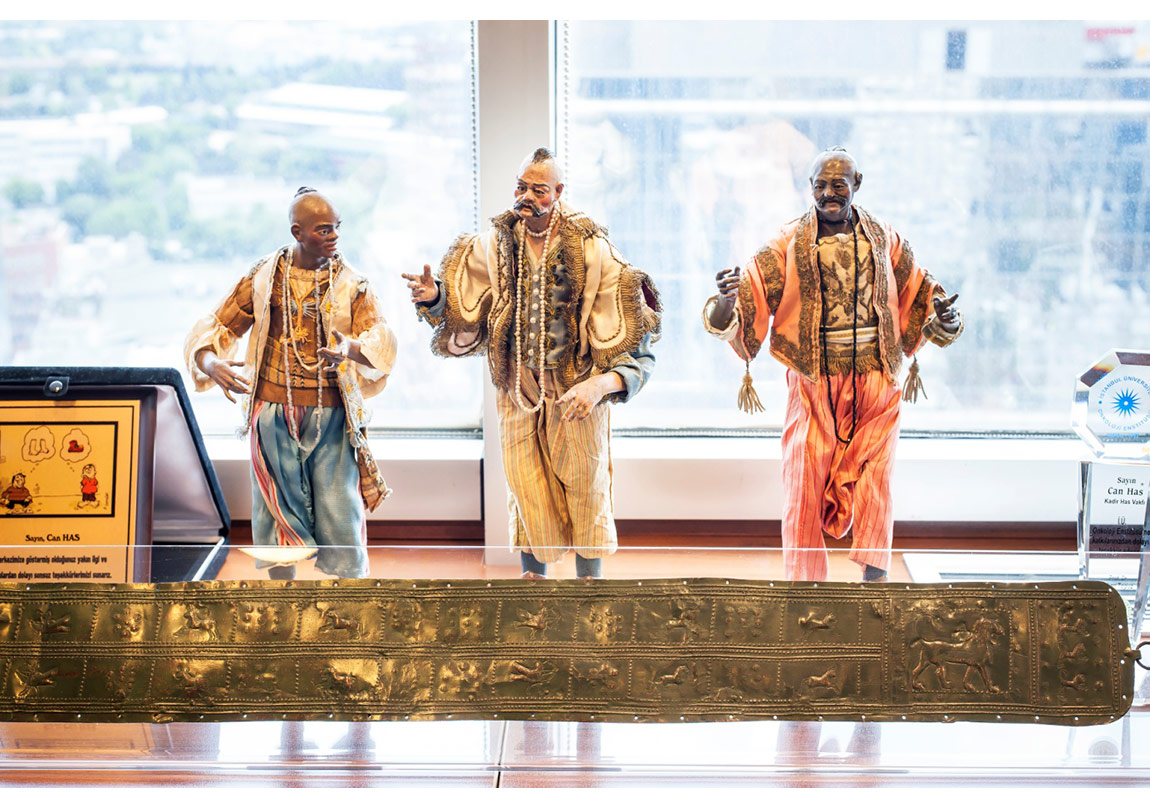
Rezzan Has is a boutique museum. In 1997, we transformed a tobacco factory into a university that produces scientific knowledge. During the restoration of Kadir Has University, we found remains from the Byzantine era and an Ottoman hammam. The idea of Rezzan Has Museum emerged from this. We organize unique exhibitions since 2007. In addition to the collection of archaeological works that go back 9,000 years, Cibali Tobacco Factory's documents and objects, the structural remains of a 17th century Ottoman building and an 11th century Byzantine water cistern can be seen at our museum. Our Urartu jewelry and belt collections are also on view now. Our wish for these precious works to be exhibited abroad.
What are your recommendations for new collectors?
This is my advice to young collectors. Young collectors should not just buy the works of contemporary artists who have achieved fame, but should rather educate themselves and make decisions in discussion with gallery owners who know the artists well or they should find an advisor that they trust to direct their tastes. Having an advisor is very important. My advice is also for them to educate themselves visually. In other words, I'm talking about a long-distance marathon, because collecting is long-term and being a collector means having passion and enthusiasm in addition to knowledge. People start collecting when their cultural and intellectual know-how come together to base their knowledge off of.
What is the last work that you acquired? What was the reason behind this acquisition?
A work by Abdurrahman Öztoprak, I really like the color tones. Also a sculpture by Zühtü Mürütoğlu.
I'm going to ask short questions. If you had to choose, figurative or abstract?
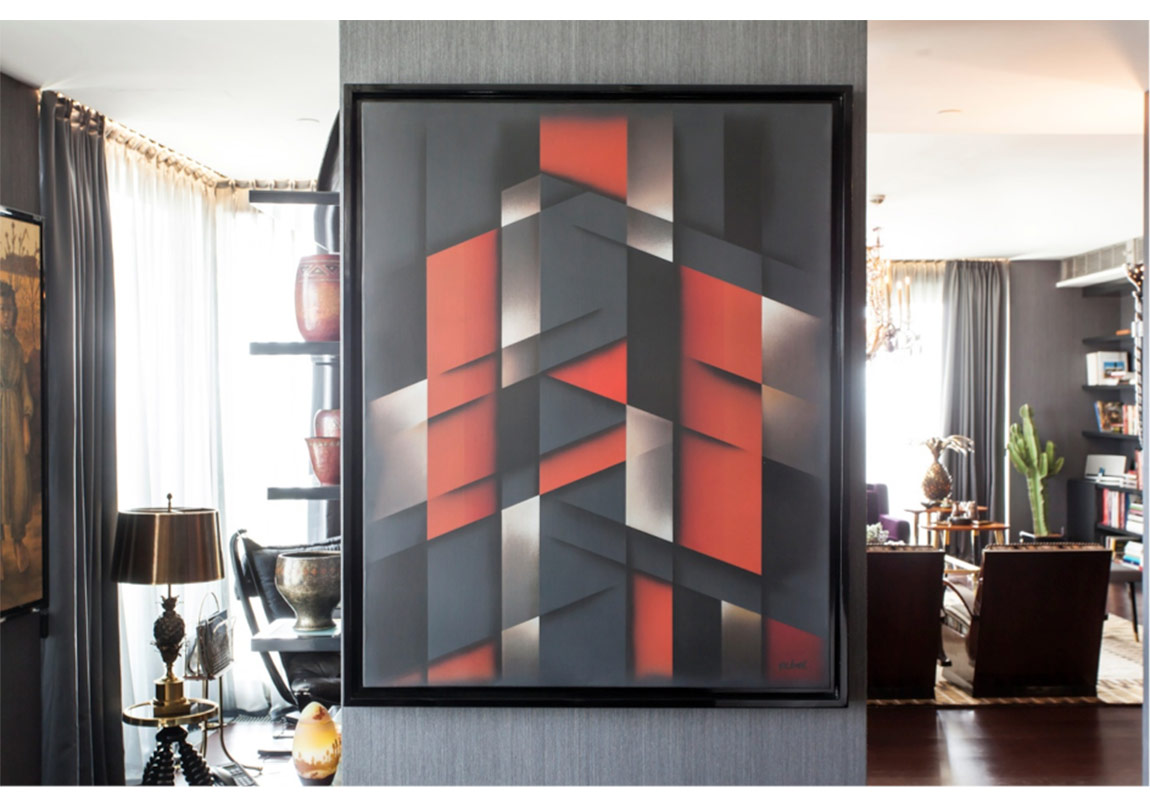
Figurative, but recently I have been drawn to abstract.
First the heart and then the brain.
Love at first sight or research?
Definitely love at first sight!
Pleasure, which sometimes comes back as investment.
Modern, I like in particular works from 50s and 60s.
My last question. I ask this question to all collectors. What defines quality for an art work for you?
As I have stated before, collecting should be separated from accumulating. In other words, there is a difference between an artist's masterpieces and their sketches or medium to low quality paintings. Also, as people get older, their eyes cannot differentiate as well between the different colors. For example, there is a tendency to use reds and blues that are too bright and extreme. It is important to pay attention to these.
In addition to the paint that the artist used, whether a canvas or dualit is used is also important. Artists who made works after World War I and while the Second World War were going on, artists in Ottoman Empire, were not able to find high-quality paint. For example, the paint that Halil Pasha used was low-quality so you see a lot of cracks. Some artists made paintings on wood and dualit because they could not find materials. I pay attention to these details and I prefer oil paintings on canvas.
;