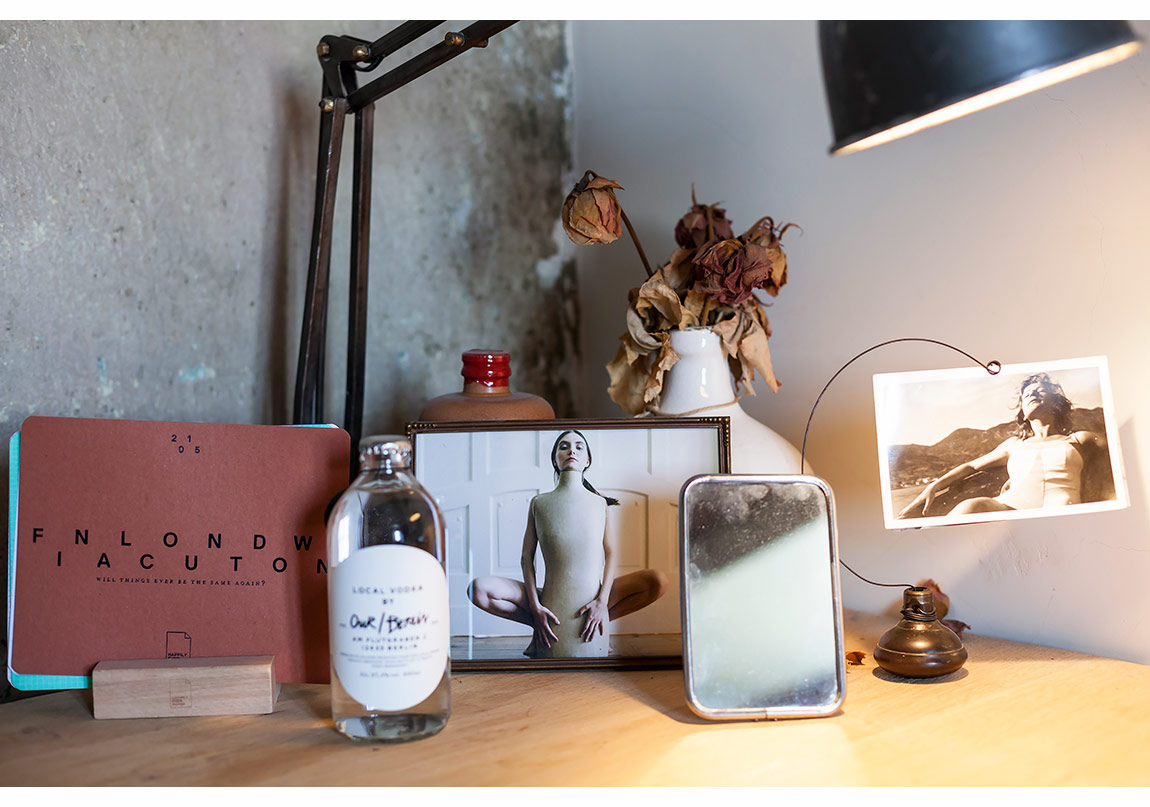
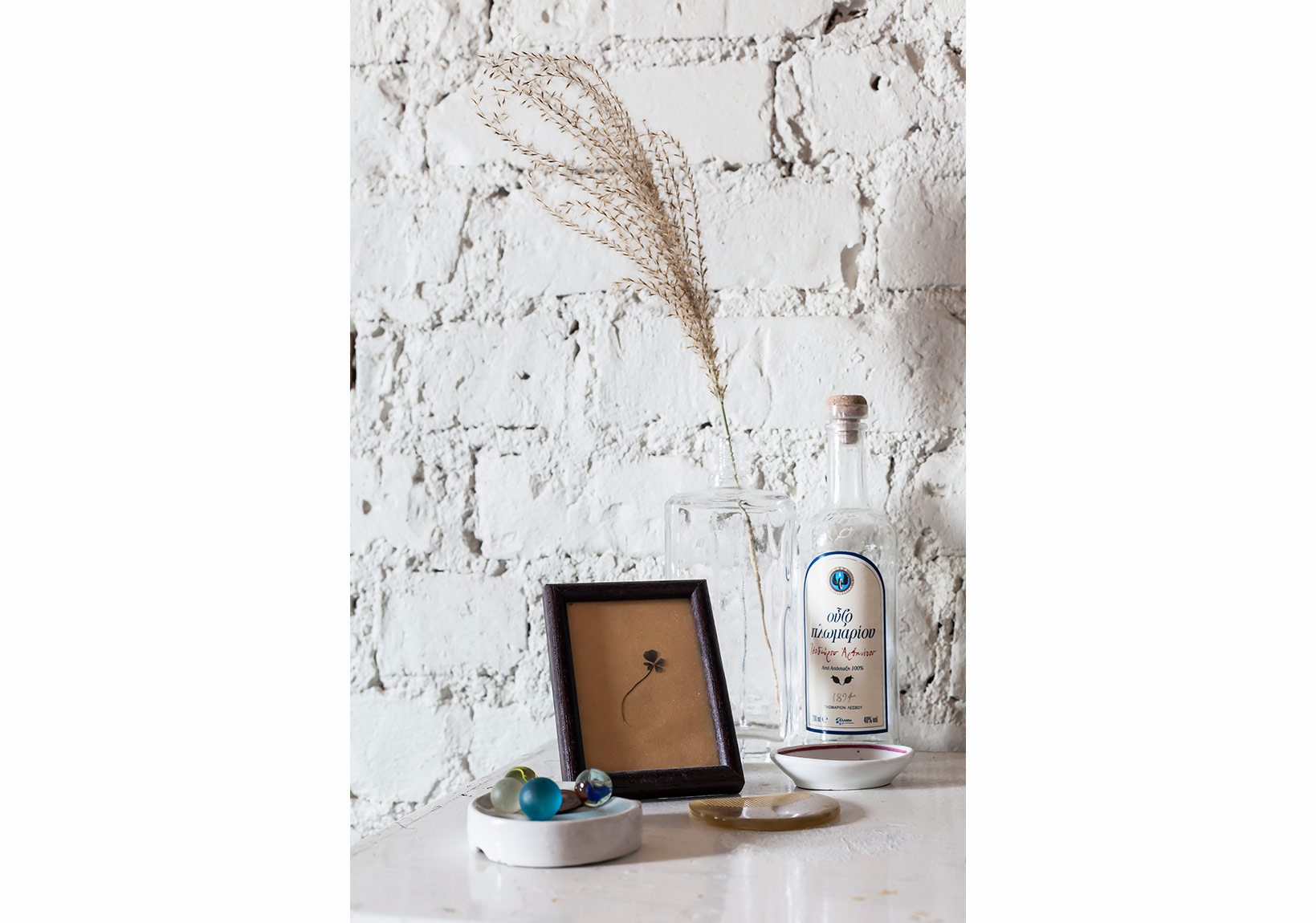
When did you move to Suriye Pasajı where your studio is located?
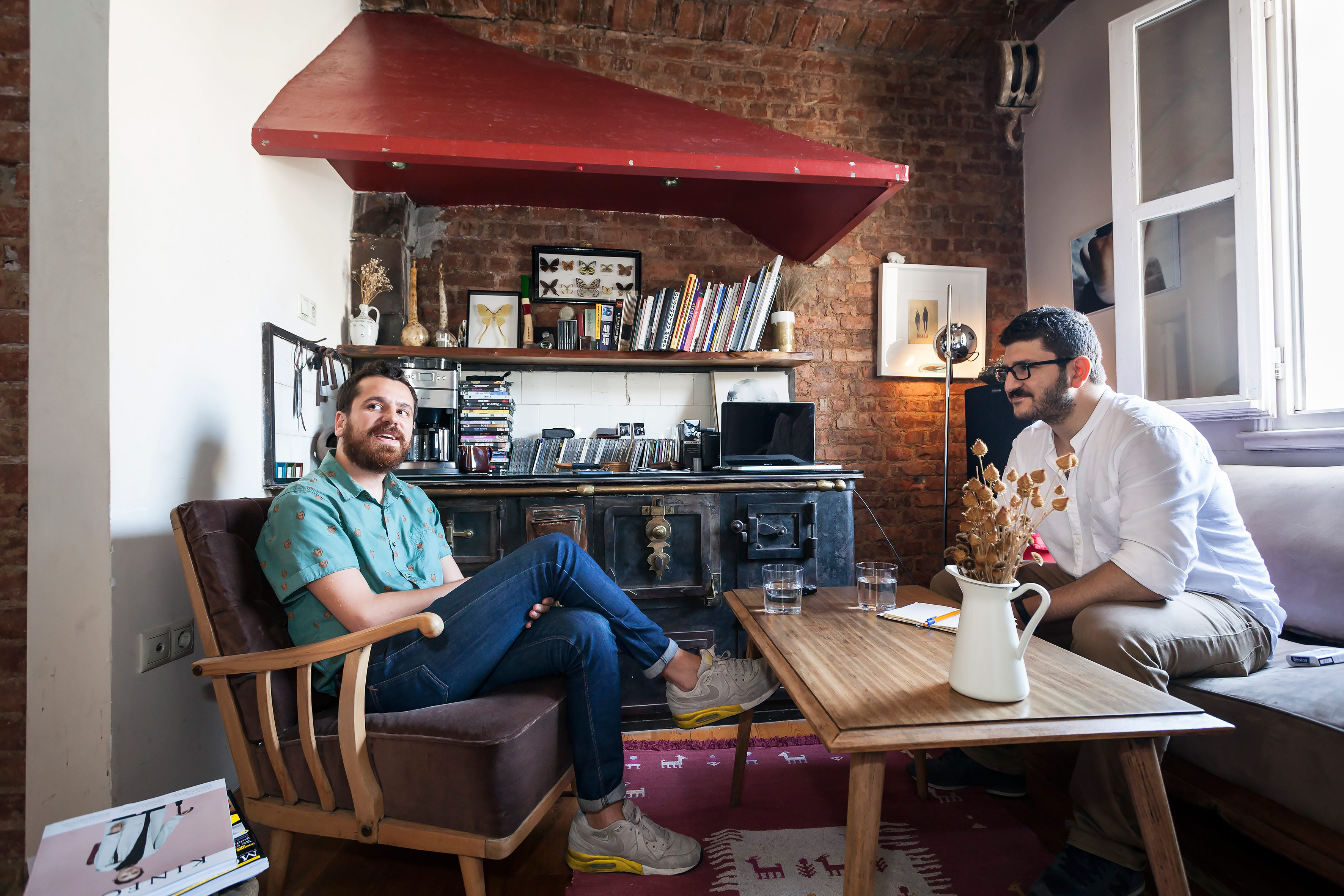
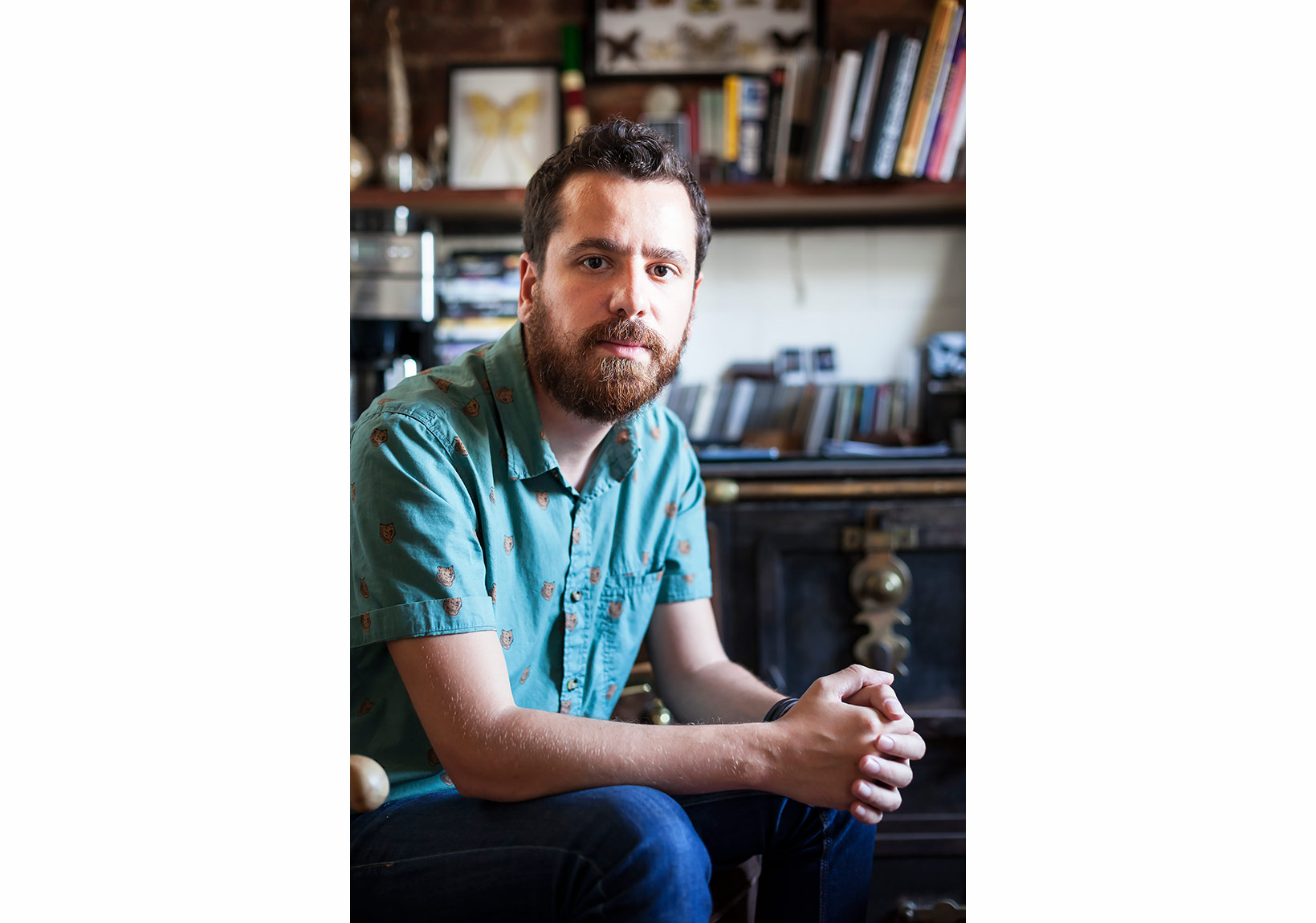
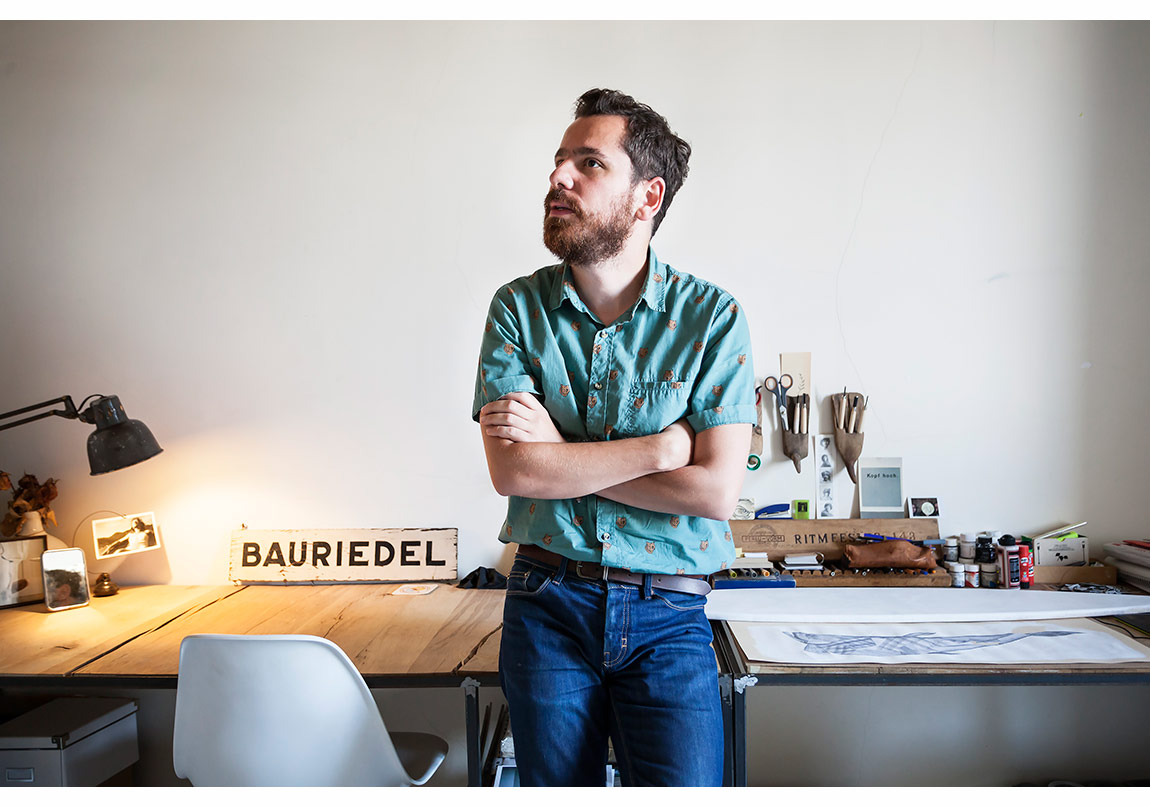
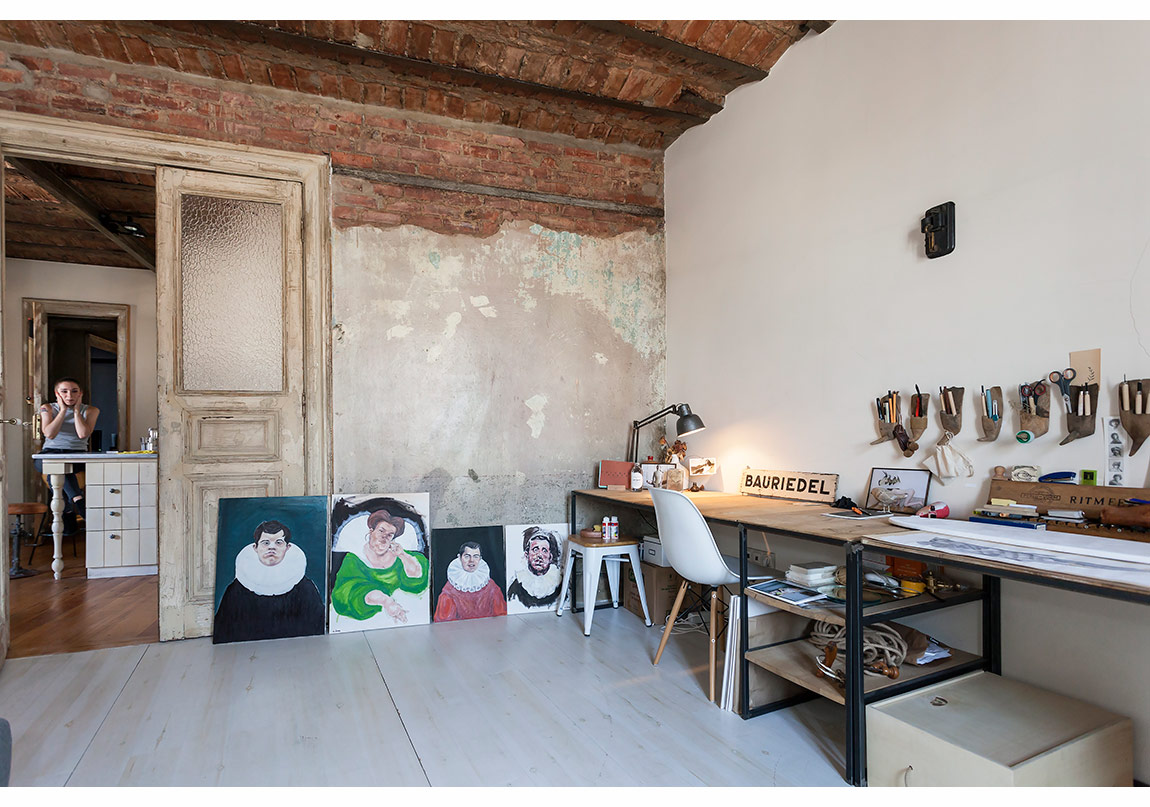
In 2010, our architecture office moved here and with that excuse, I started to experience this place. In 2012, I also moved my apartment to here. At the point where architecture did not feel enough, I thought about what I could add to this structure and I decided to open up a studio in which I could also work on my photography. I don't like working on my own, so I got in touch with a few friends. I aimed to work towards a layered and strong structure from the beginning. First, I reached out to painter Elif Deneç. Now we are together in the studio; actually, I realized my last series through discussing ideas with her.
What could you say about the relationship between architecture and photography?
In analyzing the relationship between space and object, architectural information is, of course, very important. Perception of a space, perspectives, depth, and layers become an adventure for me and these elements facilitate my forming compositions.
Architecture in Turkey has a structure in which I cannot realize what I would like do fully. The cities that I have traveled to evoke the impression that they were materialized paintings. I felt that photographing these cities could liberate me. In architecture, there is the budget, the time frame, the client etc. that limit you. Also, if you are part of an architecture office with a crowded team, it is difficult to present your individual thoughts. In photography, I can do this more easily and I can search based on my intuitions.
If you ask me whether I am distancing myself from architecture, I'd say that architecture has always been a priority for me. This is not only in relation to photography, but also in my life as a whole. I am pursuing photography and architecture in a balanced manner.
Your photographs have been featured in important magazines abroad and significant platforms on the web. We saw that your work receives positive feedback. What is the feedback that you received in Turkey after starting to present your work seriously here?
I received a lot of feedback, both positive and negative. This is a good thing; it means that your work is striking. This feedback pushed me to produce new series.
On the other hand, I care more about my own thoughts than the feedback that I receive. What is important is where I place myself rather than where people place me. I am more interested in my own questions.
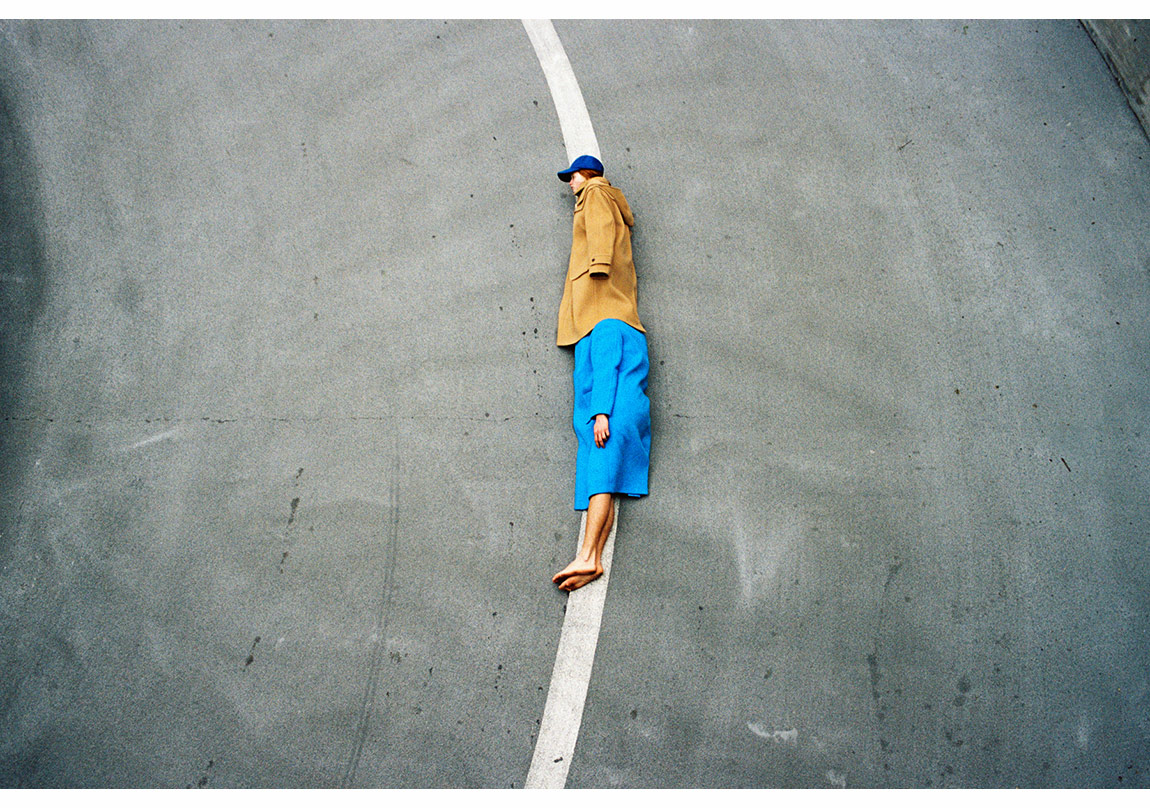
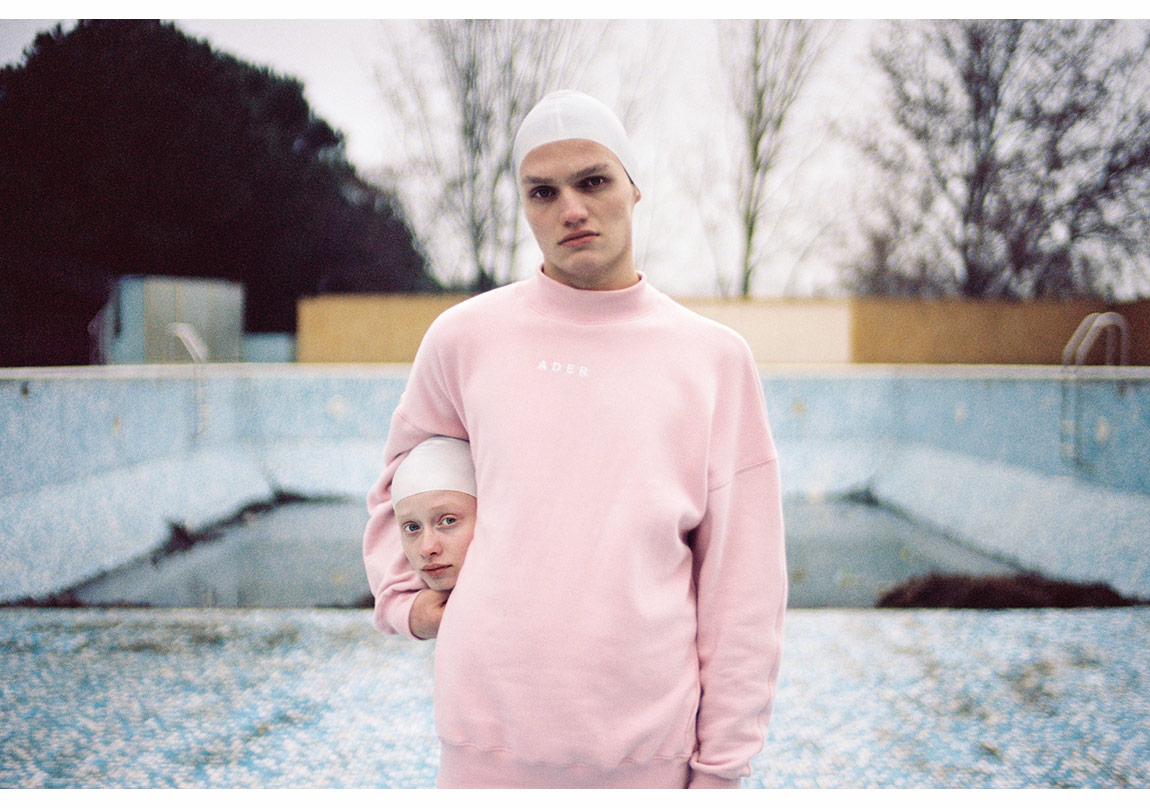
When I look at your work, your series "Identities" in which you focused on the issue of identities, you place the figures in spaces, making visible reality in an obvious way while you construct an asymmetrical scene, pushing these images towards surrealism...
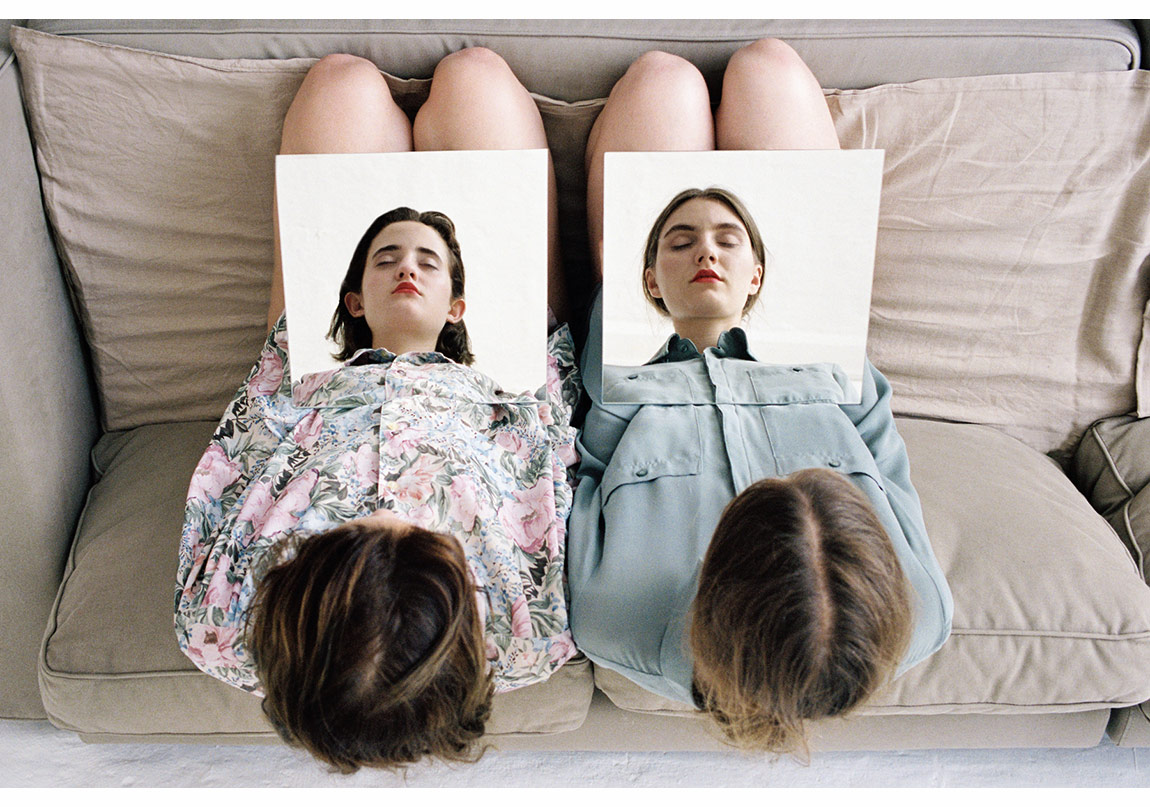
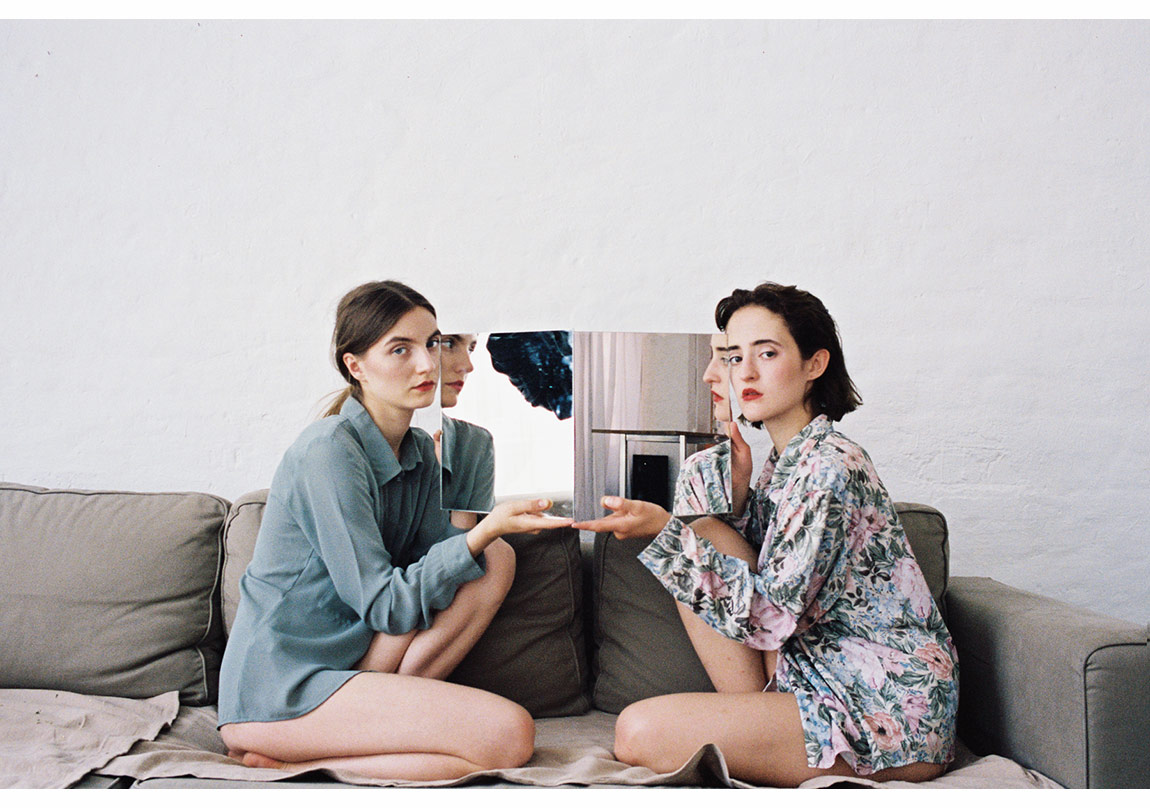
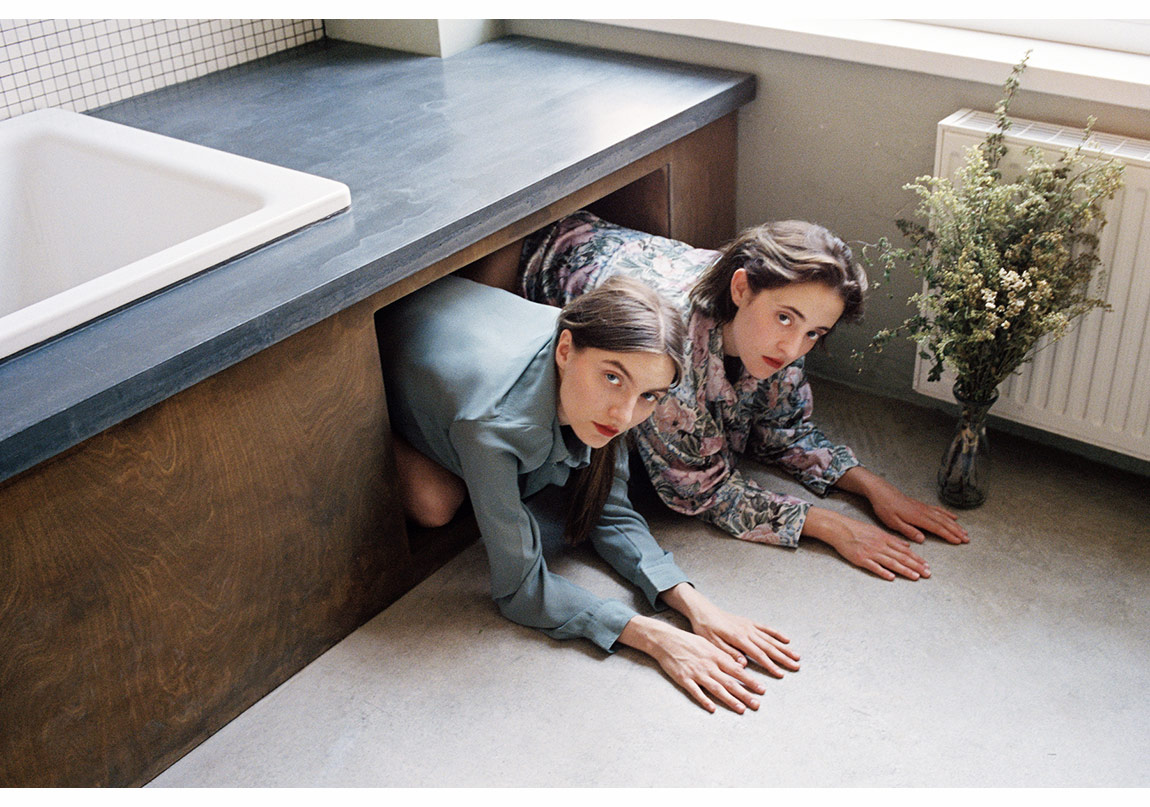
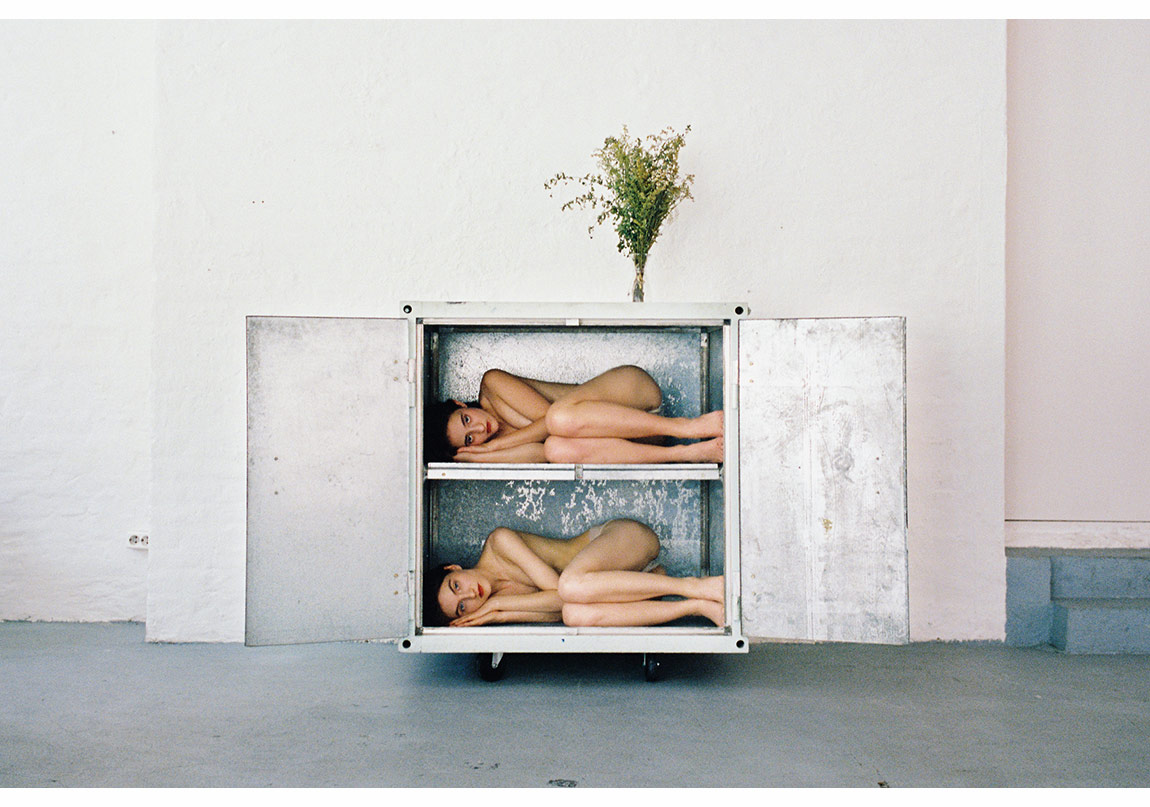
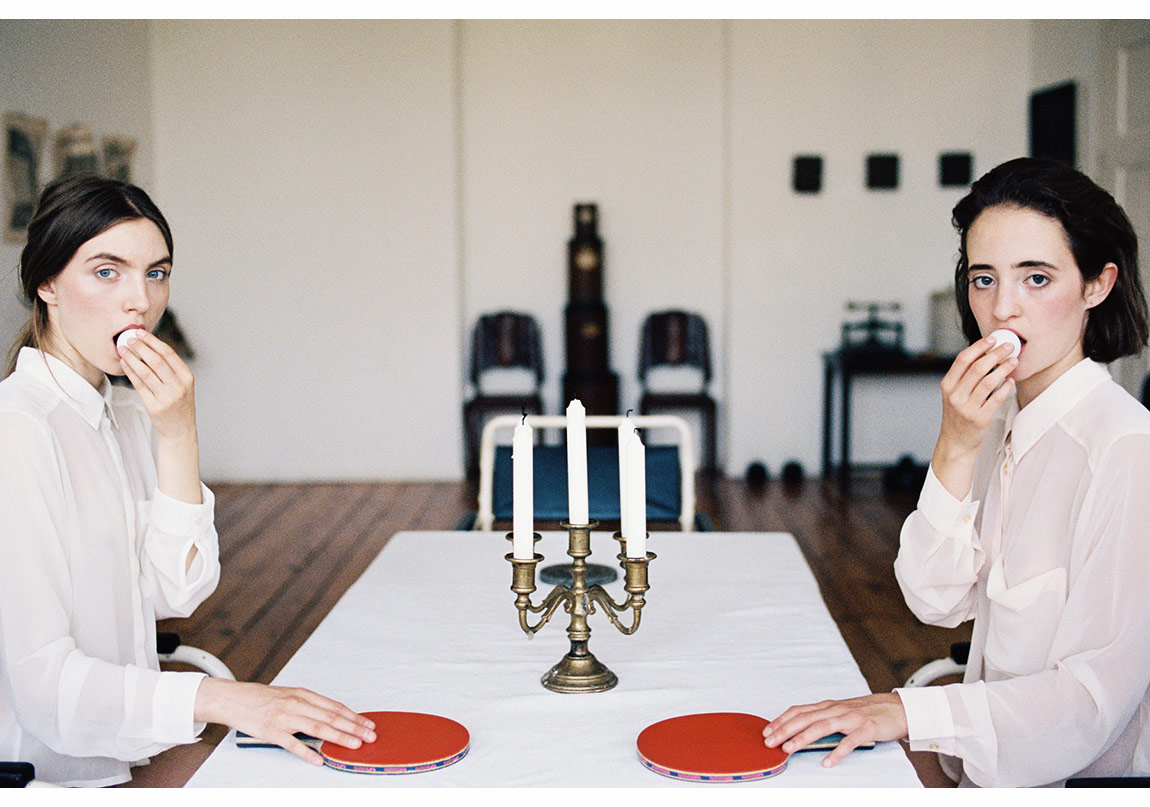
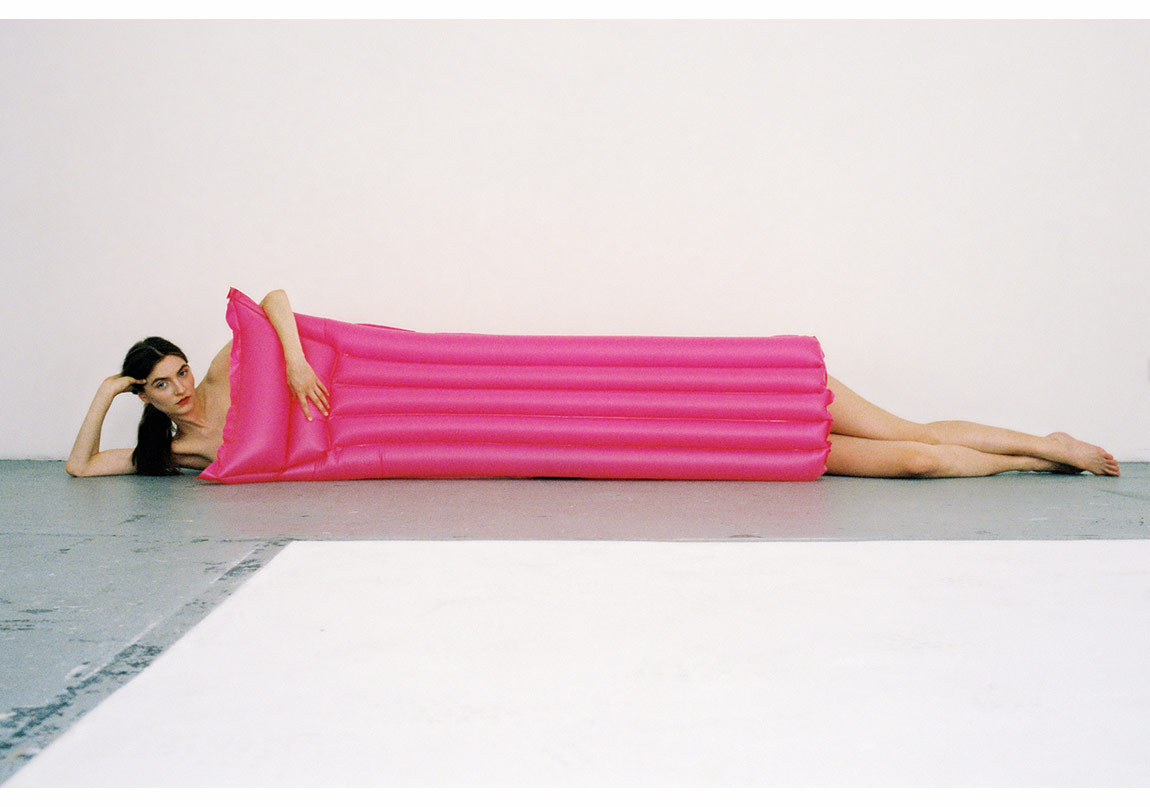
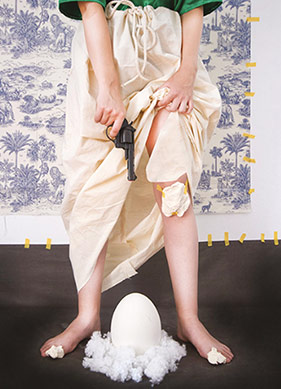
Artists all have their own production processes. Since there is no pressure on me, I can work on my series over long periods of time. The idea behind the series "Identities" was to depict two women who were inseparable parts of each other, using architectural elements.
So the spaces and models that I used during the shoot were significant to relay what I was thinking. I wanted to produce grotesque scenes placing two subjects, these inseparable women, almost like fixed marionettes, dressing them the same way and placing them the same way. After I found the models, it took me three months to perceive their characters. I met Marlene and Sophie online, but the contrast in their character and the similarity in their facial expressions were very obvious to me. Since both of them lived in Berlin, I decided to go to Berlin for the shoot.
How was your work process in Berlin? How did you choose the sites?
I chose two different sites. One of the spaces would allow me to go abstract while the other would enable me to become part of the space. The first space was a photography studio with neutral colors. But I did not stage anything in the studio's shooting area. All of the stages were constructed in the resting area and in the bathroom. The other space had the opposite fabric. There were Bauhaus objects in every corner of the house. This enabled me to relate the bodies of the models to the objects.
The uncanny feeling of two synchronized faces staring back at the viewer—I encouraged viewers to find the physical similarities between the two before realizing that the two characters did not resemble each other. The symmetry feeling helped me expose their similarities and differences.
As I mentioned before, I enjoy teamwork and my friends contribute hugely to my series. Ece Şeref's contributions to this series are very important; she helped me with all my ideas. In addition to the efforts of the models obviously.
You mentioned that you use architecture in looking at photographs. Are there other disciplines that inspire you in addition to architecture?
When I first started using photography, I was influenced by cinema. Films from the nouvelle vague movement particularly struck me. I wanted to emphasize the "no rules" aspect of nouvelle vague. In a way that had never been seen before, the directors presented their own worlds and characters in their films. However, as someone who believes that movements relate to their moment in time, I prefer to analyze the works rather than being influenced by them. Thus, I formed my structure in which I produce my works rather than chasing the existing rules of photography.
Speaking of production, what motivates you when you are working?
I listen to music in my moments of anger and peace. As my studio friend can attest to, when I'm happy in the morning I turn on the music and when I come back angry from the office, I turn on the music.
Are there artists that you are following and whose works influence you?
I mostly follow artists abroad. It is not because I'm not interested in local artists, but rather because I can't find any artists in Turkey whose visual worlds are similar to mine. I would like to remain in my own world and within my rules, so I live as far from things as possible.
If you ask me about the photographers that I'm following, the relationship between the body and the object in Ren-Hang's work is very striking. Michal Pudelka constructs a very strong communication between art and fashion. Synchrodogs produces works based on synchronization, the individual and nature.
What's next for you? Will there be events where we can see your works?
I'm planning to realize a photo shoot, but since everything moves in parallel to architecture, I cannot make clear plans. I would like to realize this shoot in a city with gray tones, because I'd like to foreground this color again. I have a city in mind and I'm researching spaces at that city to realize the work. To be honest, I'm very concentrated right now. We are working on the ideas with Elif Deneç.
I'm also going to participate in Contemporary Istanbul with Mixer. There are exhibition requests from abroad, but I don't want to rush in this regard. I'm waiting for the moment when I feel ready for my solo exhibition. Of course, this is something I'm working towards—I'm hoping to realize it next year or the year after that.
;