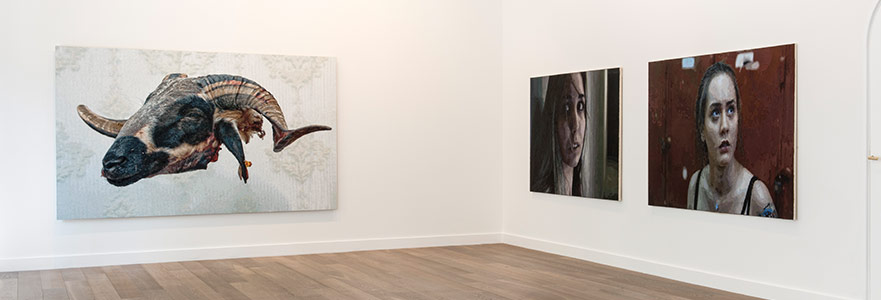
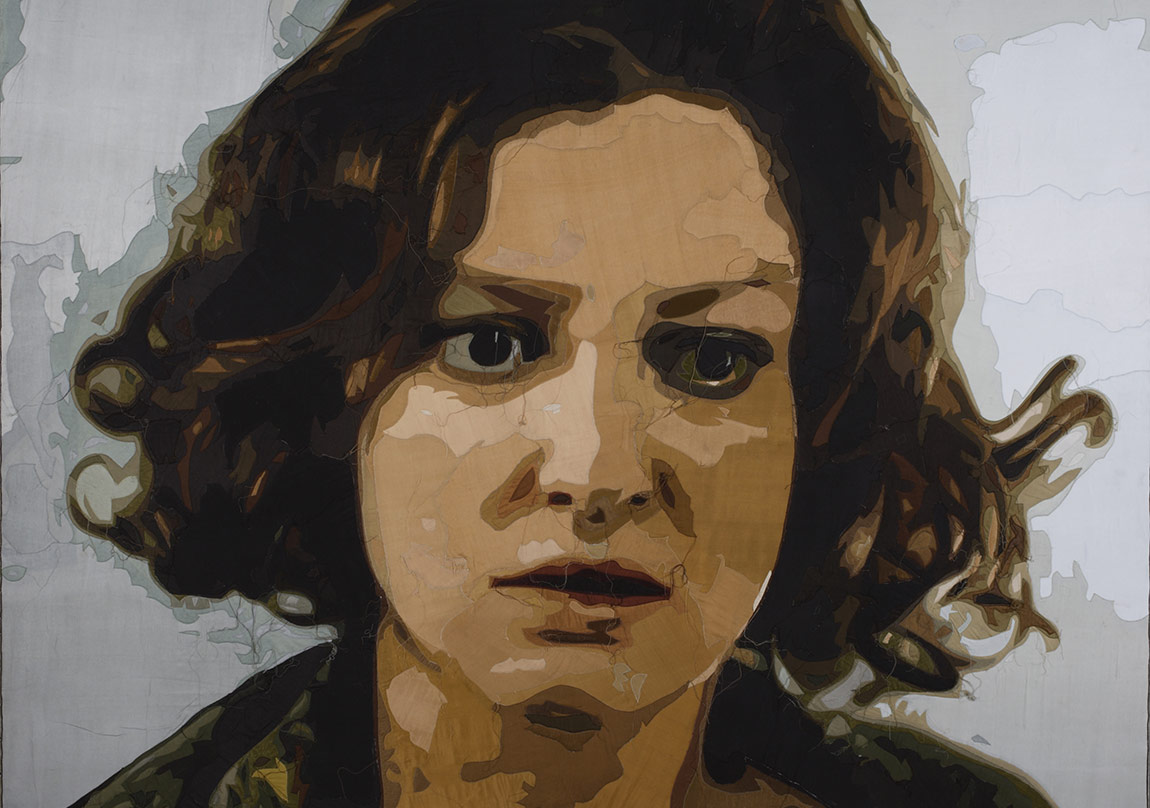
I had encountered your Alexandra Maria Lara's Portrait back when I was studying at the Fine Arts Academy in Izmir, in Adnan Saygun Art Center. (Later, we would encounter each other again at Istanbul Modern.) I remember spending a lot of time with the work and being very impressed. Could we listen to the story of this woman who seems to be deeply anxious?
Actually, this painting was the first of a series of five. The image is a moment from the film Der Untergang. This series consists of stills from films that are not really mainstream. I choose the portraits to be of women from the films, focusing on their anxious and worried expressions. The less popular the actresses are, the more valuable they become for me. I choose the portraits completely intuitively—there are no pre-set conditions. I have made three of this series; the second is of Michelle Williams from the film Land of Plenty (she was just being recognized for her work when I made the painting, she became more famous later). The third is of Michelle Rugema from the film Sometimes in April, which is a film that deals with the Rwandan genocide. There are two paintings left to do, but I don't have a set deadline. Whenever I encounter an image appropriate for this series, I will make the other paintings.
You bring together different colored fabrics. Could you elaborate on the technique that you use?
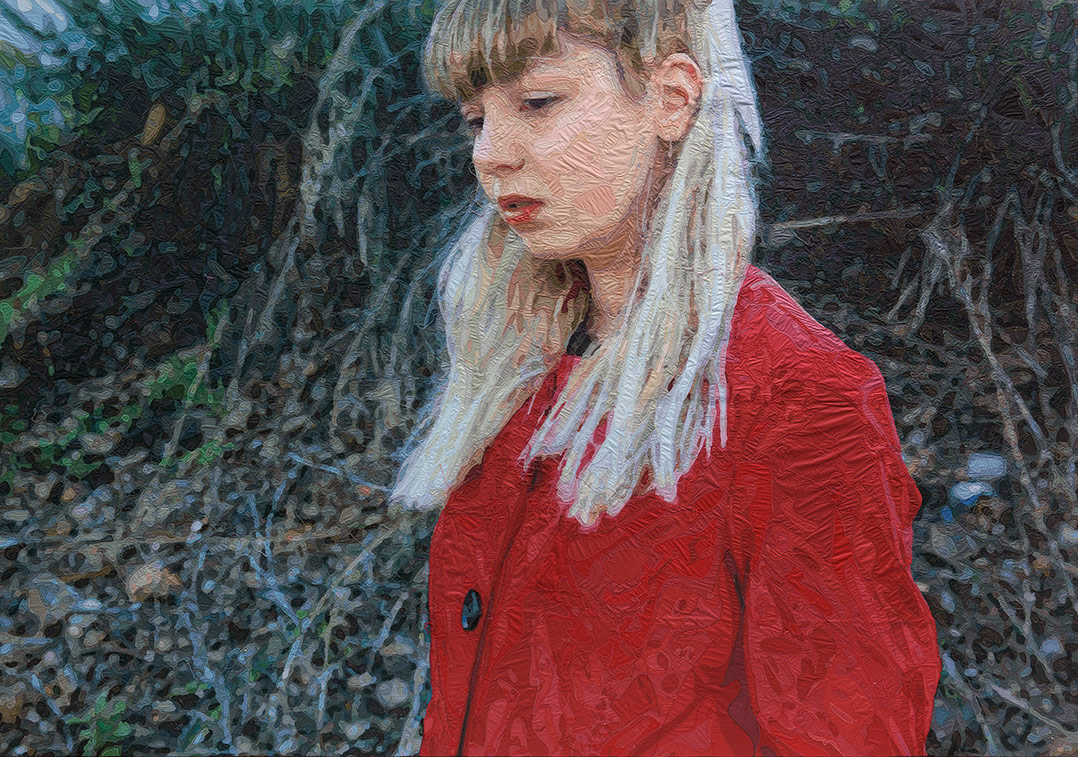
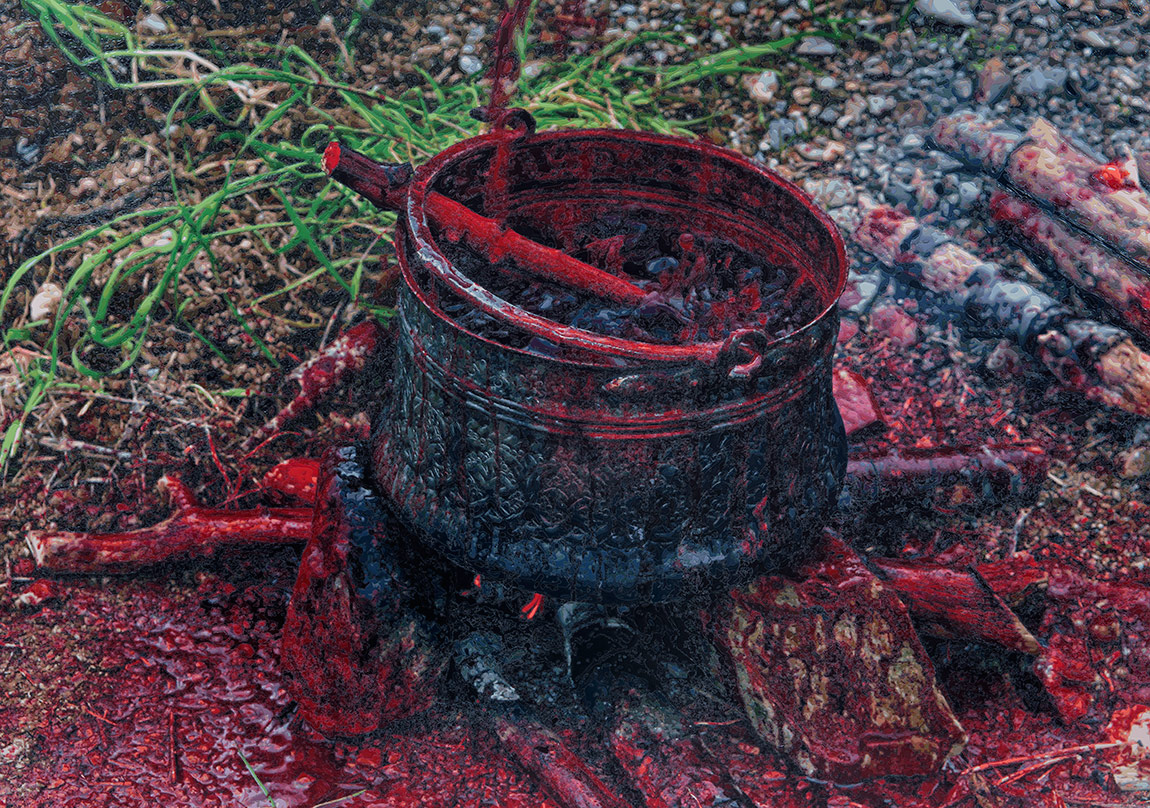
In my first paintings, I was buying the fabrics from drapers, but with manufactured fabrics, you only have 200-250 options for colors, which is very limited for painting. You can only find 3-4 tones of a certain color. I would need 50-60 tones of the same color in a portrait painting and needed even more over time. So when I realized that I couldn't make the paintings that I wanted to do with only 250 colors, I started dying the fabrics myself. In my first fabric painting, the number of colors I used was 20—now, I use 200-250 different colors in my paintings.
Many artists deal with a specific theme or a situation and approach their works through this path. Do you have a defined theme?
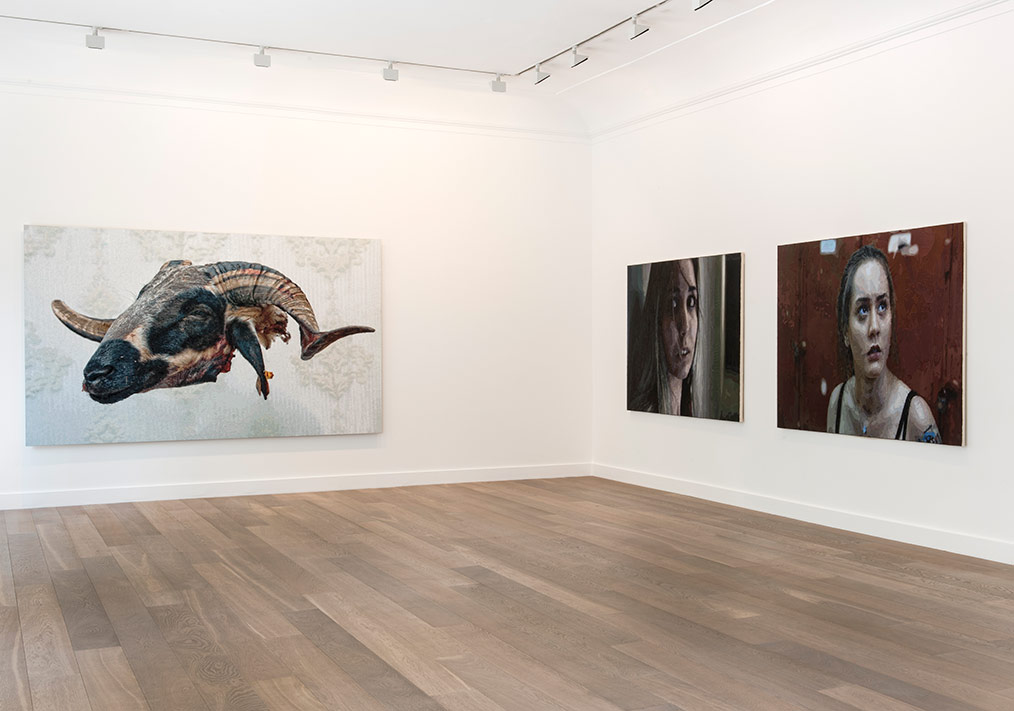
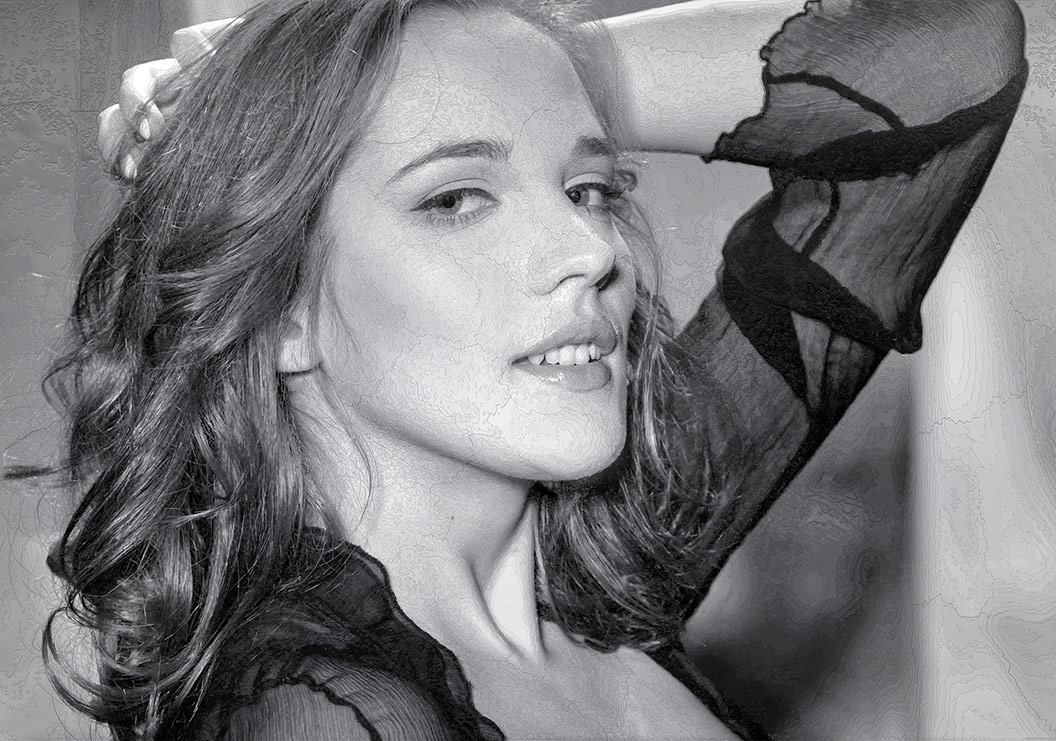
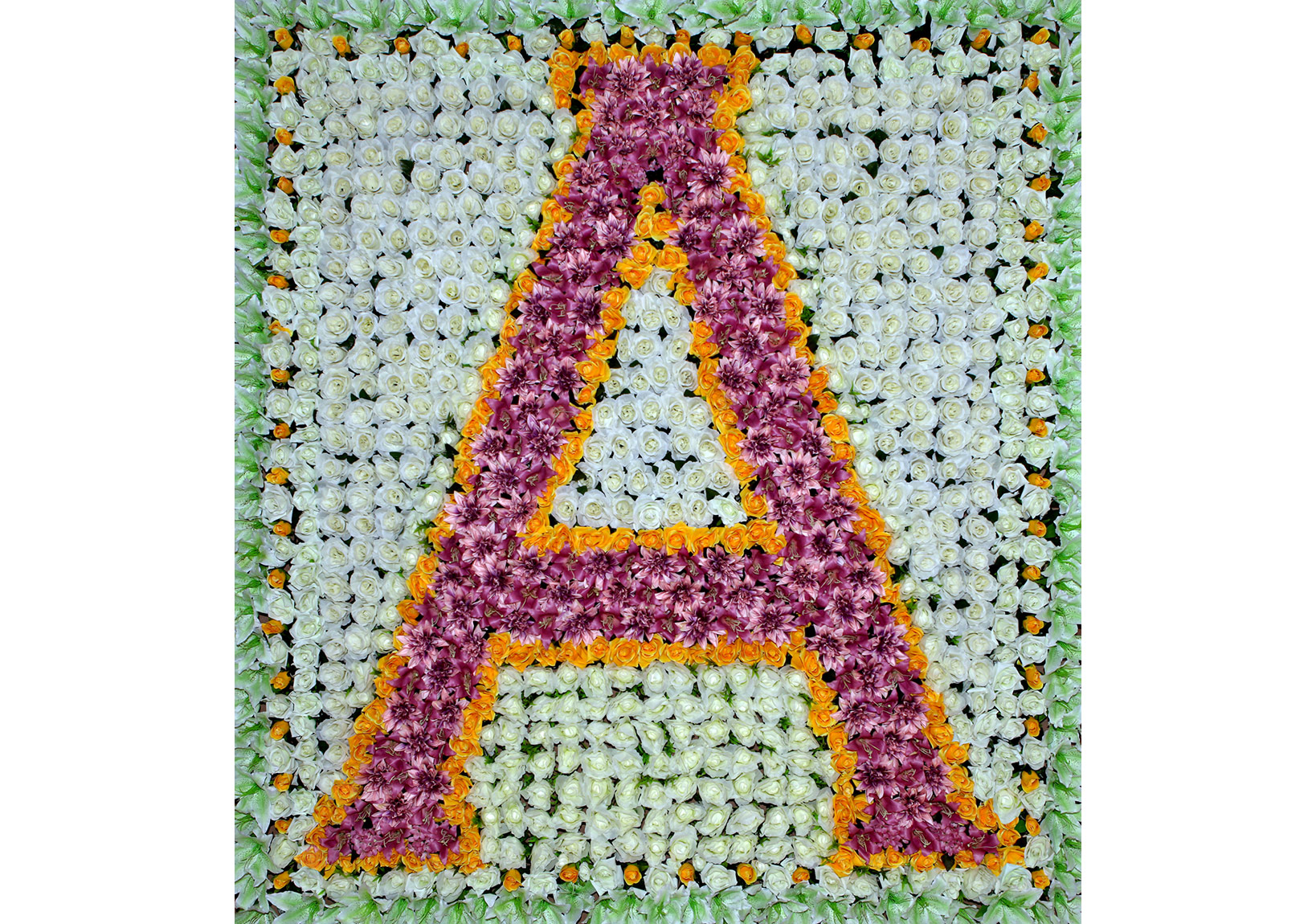
My subjects seem to be very clear, but for me, theme is something more ambiguous. Although I use a figurative painting language, until now, I did not want to make a theme more legible. But in the upcoming years, this will change. One of the things that I really care about is that the content for my work is another work. In other words, I want my paintings to be based on works produced before. This phenomenon of referencing was discussed extensively at the beginning of the postmodern era. My main goal is to produce my paintings from works and systems that I have produced. Allah's A, which we exhibited during ArtInternational, is an example of this actually. I made an arrangement with 1000 artificial flowers, photographed the arrangement and then made a painting of the photograph. The original flower arrangement was something that could have been exhibited as a relief, but after I photographed it, I deconstructed the whole thing so that the only remaining element was the painting I made.
In 2012, a portrait you made, Sandra, fetched 92,500 USD at Christie's Dubai auction. Could we learn the story of this work? What do you think about the Turkish art market and the global art market? Is there a gap between the two markets?
Auctions are not the parameters for anything and the logic of organizing an auction every month is damaging to art. They created the perception that a painting not sold at auction is bad and a painting sold at auction is good and this is completely wrong. Auction houses, by definition, are open to speculative sales—sales that are not real can be made or you could also easily use this platform to harm an artist. The best way to create a deceptive illusion is to make an auction sale. Personally, no matter what the price fetched is, I'm not happy that my painting was placed in an auction. I think that all the actors in the art field in Turkey are hasty and make plans based only on money, ruining everything. Five-six years ago, we were seen as the rising star of the world and now our art has hit rock bottom, just like our politics. In this respect, for how much money Sandra was sold does not mean anything to me; when the ship sinks, it doesn't matter how much money you have in your pocket. Art has to be wholesome and good as a totality; if it is not, individual success and gain are only short-term illusions.
You graduated from Izmir Dokuz Eylül University Painting department and after graduation, you continued to work in Izmir. Do you still live in Izmir? Do you think which city an artist lives in is important for their work?
Izmir was like my protected palace for a long time. I had the comfort of producing here and focusing on the work that I was going to make. As I became more professionalized, the limited means of the city started to become a major problem. Even finding simple technical assistance or getting something done properly became torturous. I would like to be an international artist, but within the means of Izmir today, this is difficult. But I also don't want to be in Istanbul. I don't know how to solve this problem.
On the other hand, I think that a city charges an artist with its spirit; if the city is dynamic, you are bothered by your own slowness, if the city is slow, you slow down. When I ask myself if Izmir is such a city, I realize that it's not.
You are currently represented by Galerie Lelong. What are the differences between being represented by a gallery in Paris and being represented by a gallery in Istanbul?
In principle and in application, everything is almost the same, but there is a big difference in terms of the ethics and attitude. As I have frequently expressed this in other interviews, it is an overly discussed topic for me, but no matter what you say, nothing changes. If I was to express myself really clearly, what's different in Paris is that they don't see the artist as a paid, contracted laborer who makes money for the gallery. Personally, I'm very happy with my experience.
This year, viewers will be able to see your work in Contemporary Istanbul B1-105. What should they expect?
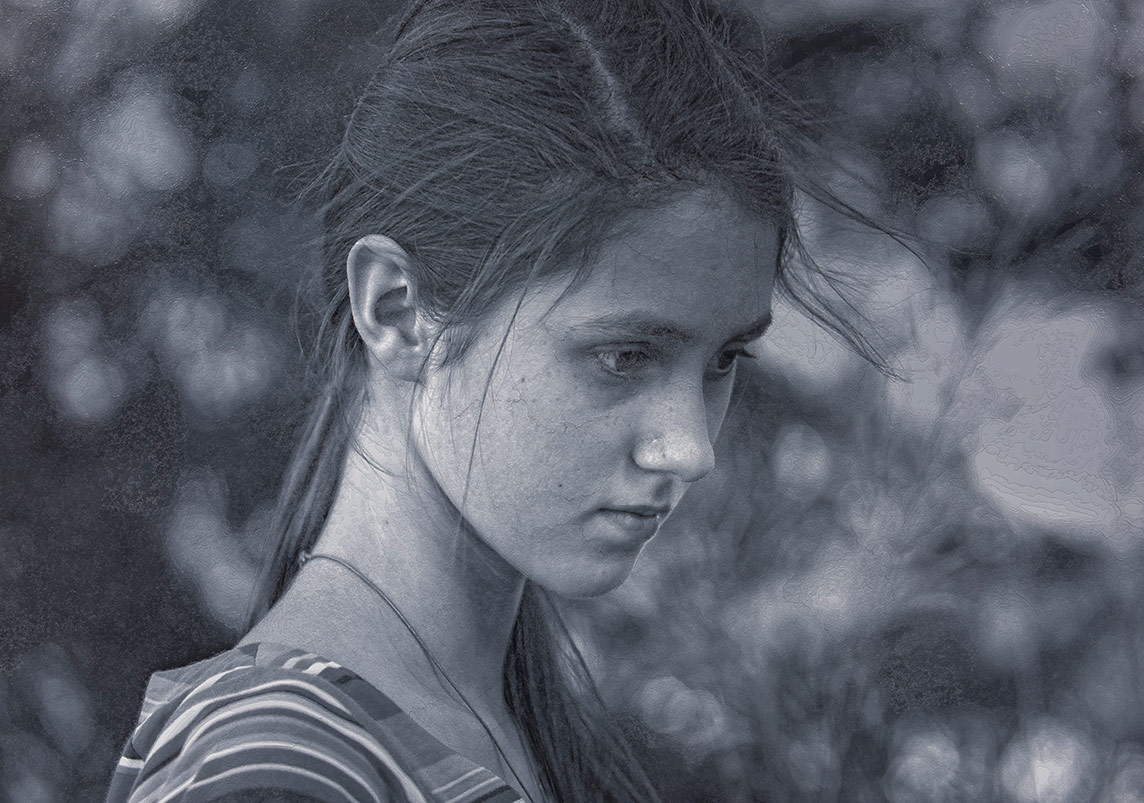
The two paintings that I conceived for the fair are both in the making, so I think they'll barely be ready on time. Since my work is very labor-intensive, I find it difficult to meet deadlines for this kind of scheduled exhibitions. If nothing goes wrong, for the first time, I'll be presenting a male child's portrait. The scene is from Funny Games, of Stefan Clapczynski. The other painting is of a photograph I took—it is a portrait of a young woman who has a very tense expression.
As for my last question, have you started your new works? Would you like to give us information on your new projects?
One of the biggest problems in the exhibition I opened at Galerie Lelong was the scale of my paintings. Lelong is a relatively large gallery for Paris, but even then, it could only fit five of the eight paintings I produced. This scale is also difficult for limited spaces like art fairs and we are not able to present certain paintings because of the scale. So I'm going to start making smaller paintings in 2016. I think this will expand the circulation of my work.
I will also make unusable the paintings that I have decided not to display, painting on them, recording and sharing this process through video and photography.
;