Let’s start with your entrance to the art world... Coming from a business background, how did Yashian Schauble find herself dealing with contemporary arts?
My work in business has kept me involved with the rapidly changing economic and social life in China. I guess that has inspired my interest in contemporary art. Art always reflects the society in which it was created and I am more interested in the art of my time, because I can see directly its interactions and effects.
I was born in Shanghai and moved to Australia to do my post-graduate studies, a Master's Degree in Engineering. A surprising background to start an art foundation, I know! While I always had great interest in art, when my daughter graduated from university with a Fine Arts degree, and when she actually became an artist, I became more involved in this area.
We know you as the founder of Australia China Art Foundation (ACAF). What is ACAF about? Why did you think that such a foundation was missing?
ACAF was established to promote understanding, generate a vital network of creative exchange, and build a reciprocal awareness of each other’s cultures and values.
ACAF is dedicated to the promotion of Australian and Chinese contemporary art and the integration of art and the community. It does this by facilitating reciprocal and meaningful cross-cultural exchange and relationship development between artists, collectors, institutions and social programs in Australia and China.
We support artists and organizations to undertake collaborative projects that develop a greater appreciation and understanding of the rich arts culture of each country and contribute to a better society.
ACAF now provides an artist residence program for Australian and international artists in China and supports artists’ careers by helping them to exhibit and promote their work around the world, in exhibitions such as Contemporary Istanbul.
Why Australia and China in particular?
Well, these are my twin cultures. Living in both China and Australia I found that there was little artistic exchange or even understanding as far as the visual arts went between the two countries. There was quite a bit going on in the performing arts and music but little in the area of painting or sculpture, photography or video.
First I founded an art gallery in Melbourne specializing in contemporary Chinese art. Involvement with artists in both countries let me see that there was a need to develop a way to encourage more exchange between artists and the Australia Chinese Art Foundation grew out of that.
Is contemporary art your only focus? Taking into consideration the huge repertoir of traditional Chinese and indigenous Australian arts, how do you position ACAF?
I spent my time in the business world in probably the fastest developing and changing society in the world and I am interested in art that reflects that. As you quite aptly say, both China and Australia have art traditions, art histories that go back thousands of years. Both countries have undergone tremendous cultural changes to become modern nations and I find that and the art this phenomenon produces very exciting.
You’ll be present at this year’s CI. Why do you think that a collaboration between ACAF and CI is important?
I think that this collaboration is important because ACAF and CI share the same vision and passion, although they emerged from totally different cultural backgrounds. The collaboration between a commercial art fair and a not-for-profit foundation is an innovative way of giving back to art and society from the commercial sector that enables participation from emerging artists from other cultures.
Within the foundation you have a branch “Arts Can Do.” Could you tell us a bit about this separate program?
“Arts Can Do” involves artists from China, Australia and other countries in a program of art making for the children of migrant workers. These children are outside the normal education system and suffer from withdrawal from society, caused by their isolation. Giving them the opportunity to be creative and to have their creativity appreciated and encouraged by adults, gives them greatly improved self confidence. In turn, this helps them grasp other educational and life opportunities. We have discovered some great artistic talents who we have been able to further assist but the main focus is to encourage the personal development of all the children who attend our program.
ACAF is a “not-for-profit” foundation. How do you manage to provide resources for your foundation’s activities?
I provide much of the funding myself. However, we are supported by private and corporate donors, artists who donate work for sale and other fund raising activities. Also, we have received some support from the Australian Government for our Arts Can Do Program.
What are we going to see at your section at Contemporary Istanbul? How did you choose the artists and the artworks to be exhibited?
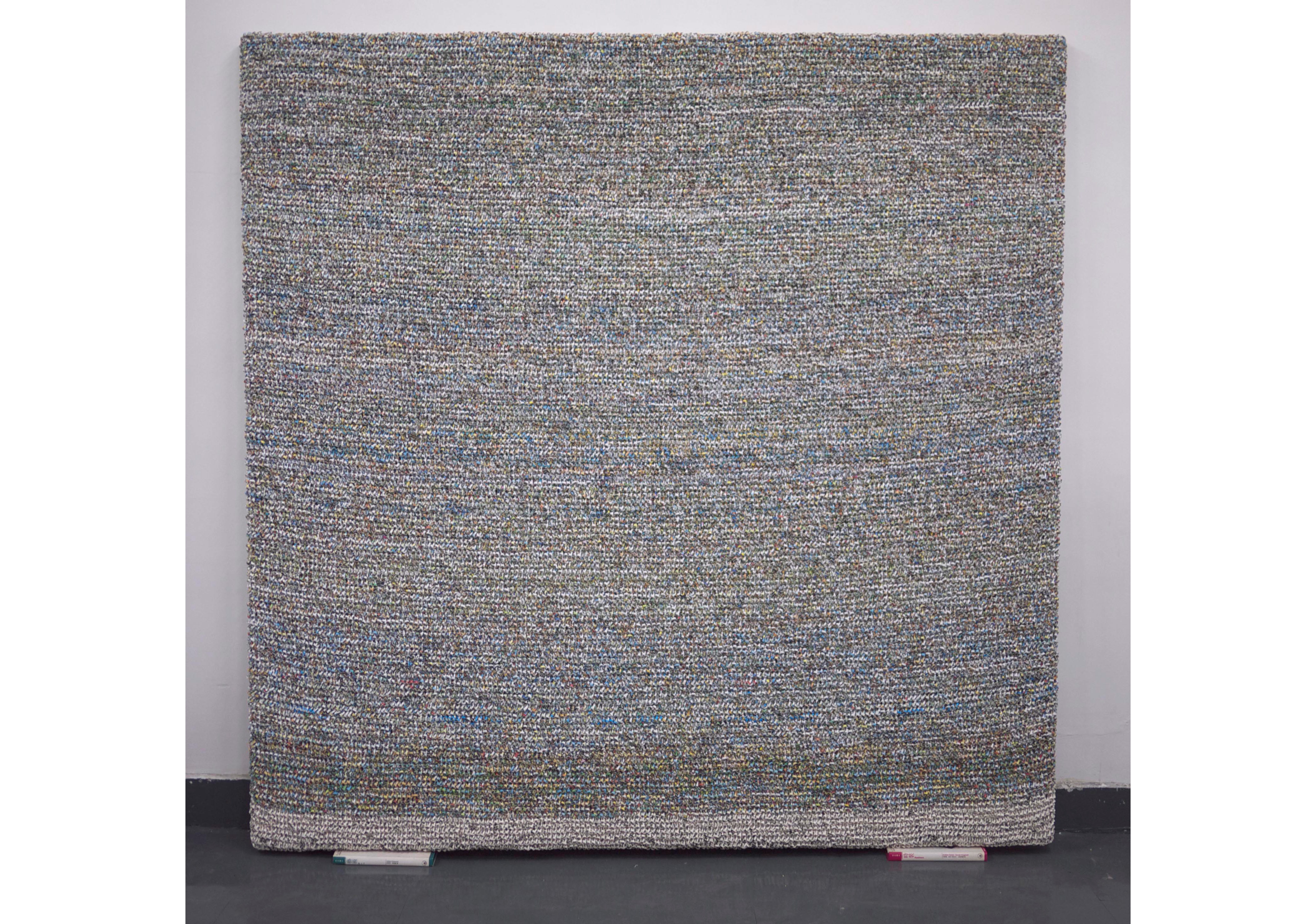
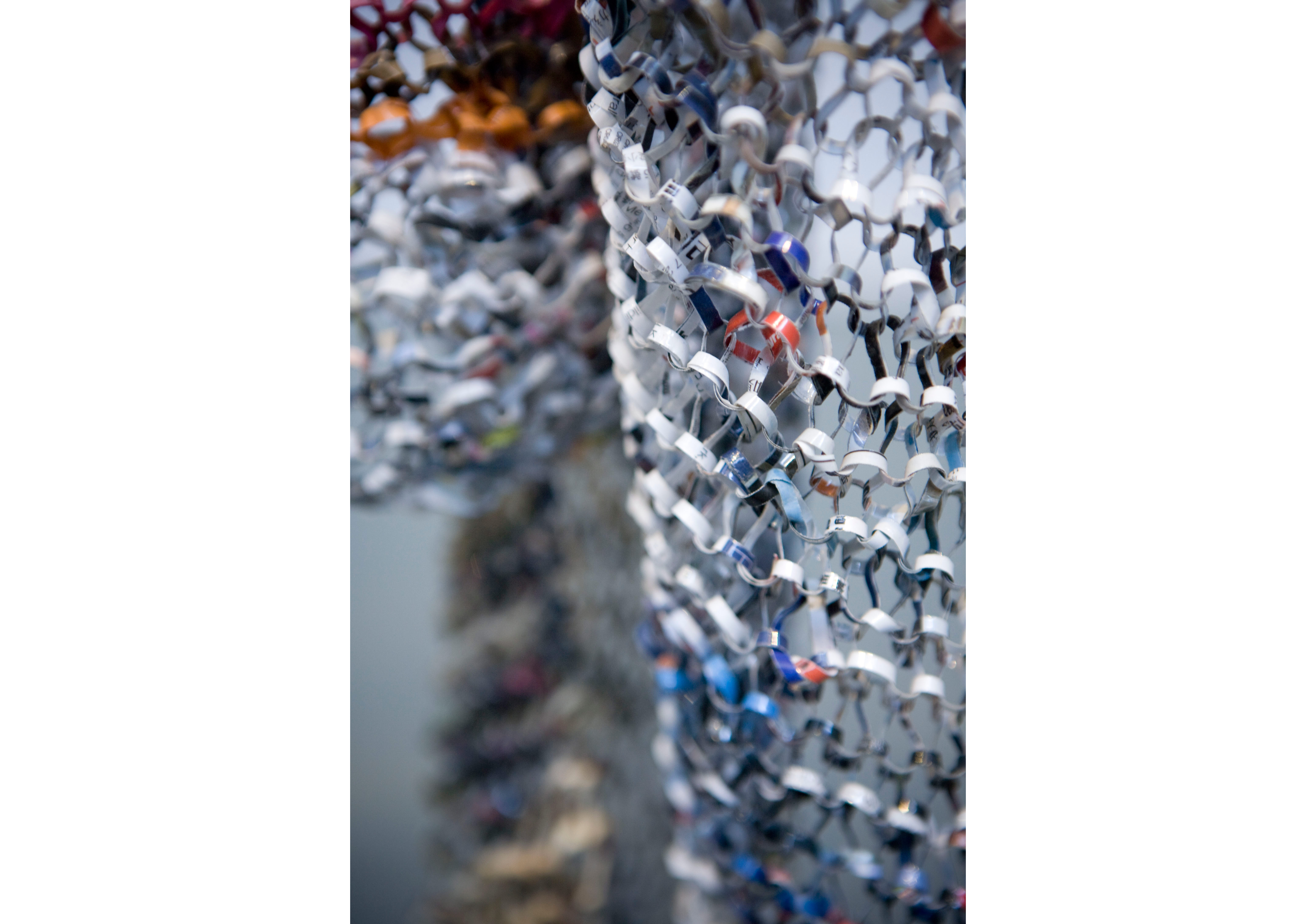
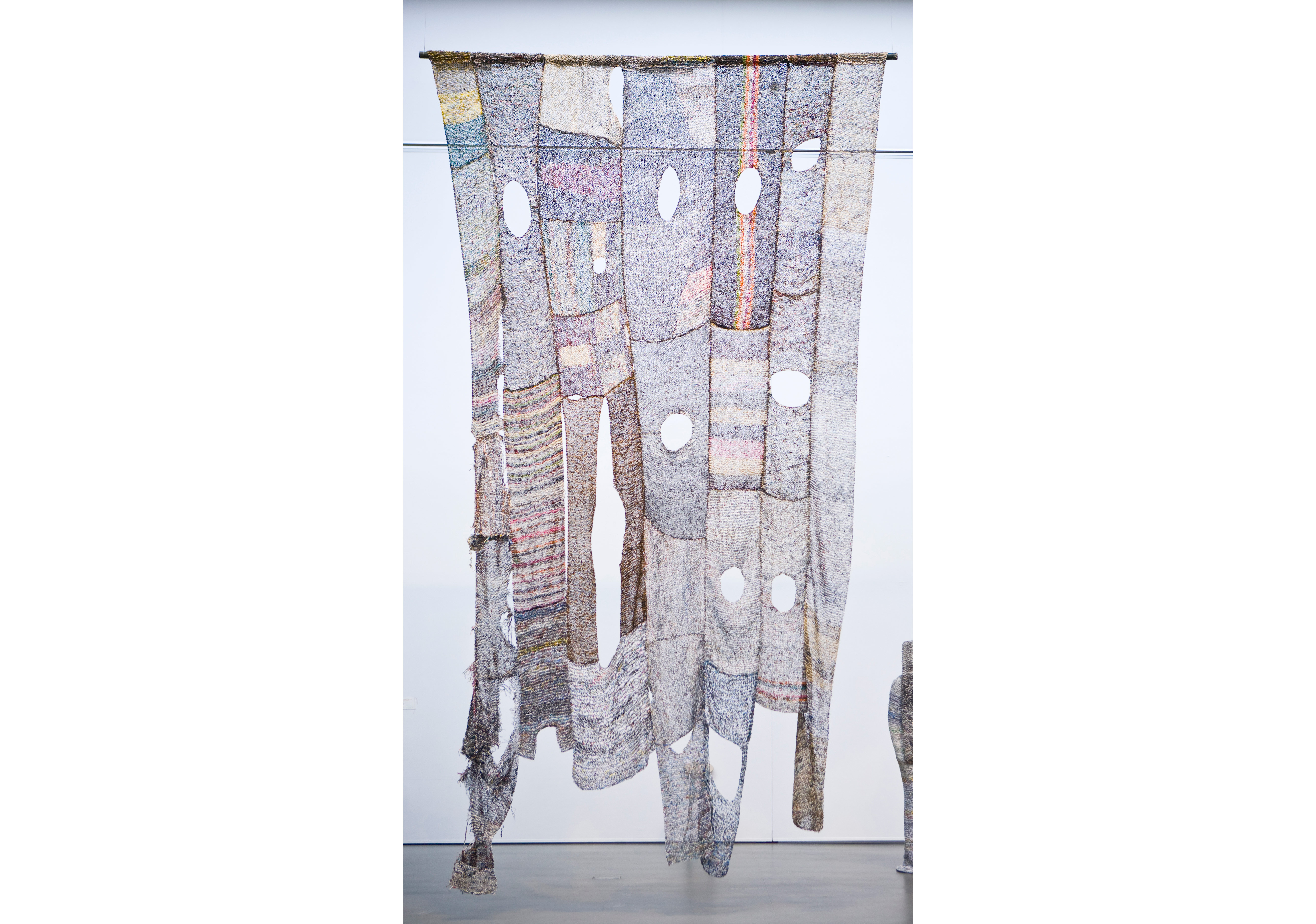
We’ll show two exceptional pieces that are going to impress the viewers. Movana Chen is an amazing conceptual artist who has been creating "magazine clothes" knitted from shredded magazines in locations around the world since 2004, often with the help of gallery visitors and the public, from beaches in Australia to galleries in New York.
In 2008, 24 of these clothes were used to create one large piece "Dreconstructing" which we will show at CI. Movana sees her work as recycling consumer commodities into new forms of expression. Quoting directly from her: "My art practice of knitting and reconstructing questions the original language of the magazines, subverting their message within an alternative means of ‘reading’ print media." It is a very large work that will be hard to miss.
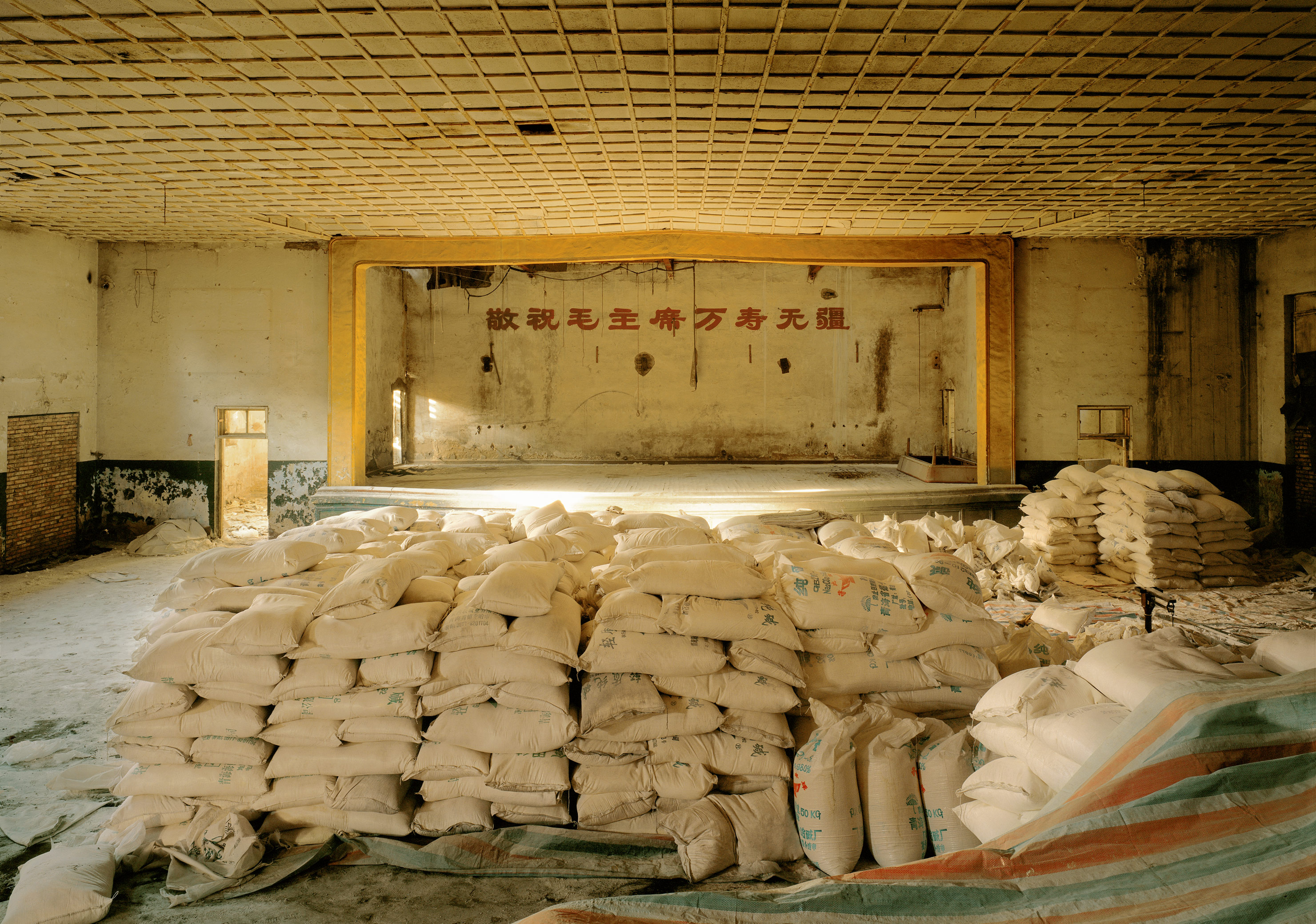
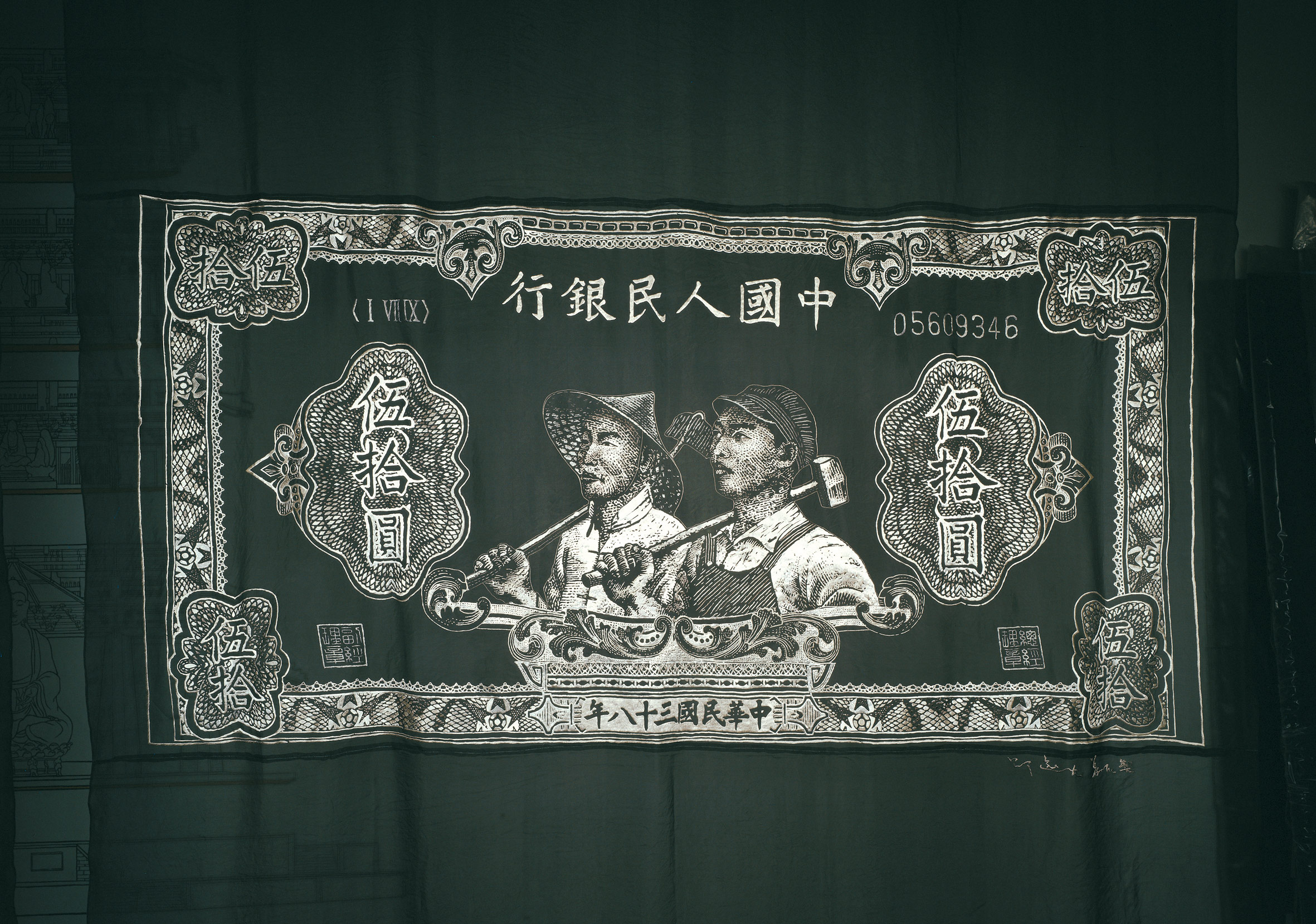
Another stunning work is "Money", a huge work by Muchen and Shao Yinong. An example of their latest group of works, it has been a long time in gestation. This is due to the painstaking and specific method by which they have been produced, hand-made using the nearly lost techniques of traditional Suzhou embroiderers. More significantly though, the length of production of these works embodies the passing of time and how memory becomes both embedded and enshrined within it. "Money" is a very large piece. A carefully rendered, large scale image of a banknote from long ago disappeared times. It illustrates baroque pretensions of identity and power through expressions of cliché and heroic archetype. Silently, eloquently and beautifully, they firmly make the point that even the grandest and most powerful of projects irrevocably fall into dust.
Do you follow artists from Turkey? If yes, which ones?
It was my first visit to Contemporary Istanbul last year and I did not really have deep knowledge about Turkish contemporary art scene. I was invited to CI VIP program as a collector to meet some outstanding collectors at their homes and collection exhibition spaces. My interest in Turkish contemporary art and artists started from there. During CI’14 I met some great young and established artists including Seçkin Pirim, Sinan Demirtaş, and Yeşim Akdeniz and bought some of their works. I have also invited both Seçkin Pirim and Yeşim Akdeniz to our China Artist-in-Residency program for 2015-2016. I also plan to have them included in our future group or solo exhibitions at our centre in Shanghai. I am looking forward to establish more links and collaborations with Turkish art institutions and artists.
How would you evaluate Turkey’s contemporary art scene?
Vibrant is the word that sums it up for me.
In one of your previous interviews, you stated that your concerns for your daughter’s future, who is an art student, triggered your idea to come up with such a foundation. Why are you concerned for arts students?
New ideas are the vital driving force of innovation in art. Most often, but not always, these come from the young artists who have a very hard time breaking in to the established art scenes. Encouraging artists at the very start of their careers is important if new ideas and ways of expressing them are to flourish.
The foundation also has a charity/social wellbeing aspect, could you please unfold this further? What are the activities that you do in this realm?
I have outlined the work of Arts Can Do which is our social work. Parallel to this is our Artists Residency program where we provide accommodation and studio space for artists from around the world, but mainly from Australia, in Shanghai. We help them meet other artists, become part of the local art community and exhibit their work in China.
;