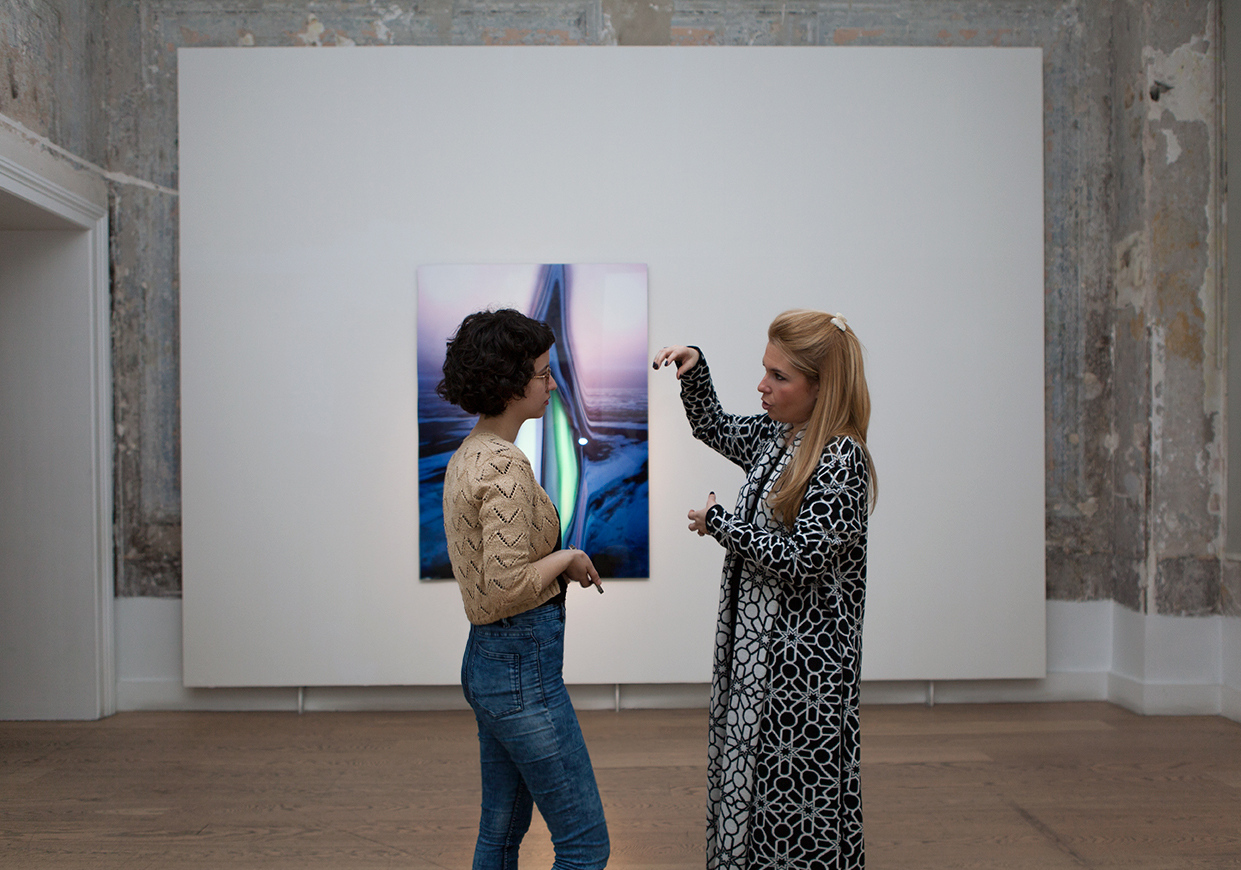
We encounter Islamic figures in your works, despite heavy digital manipulation. What is the framework within which these two styles converge?
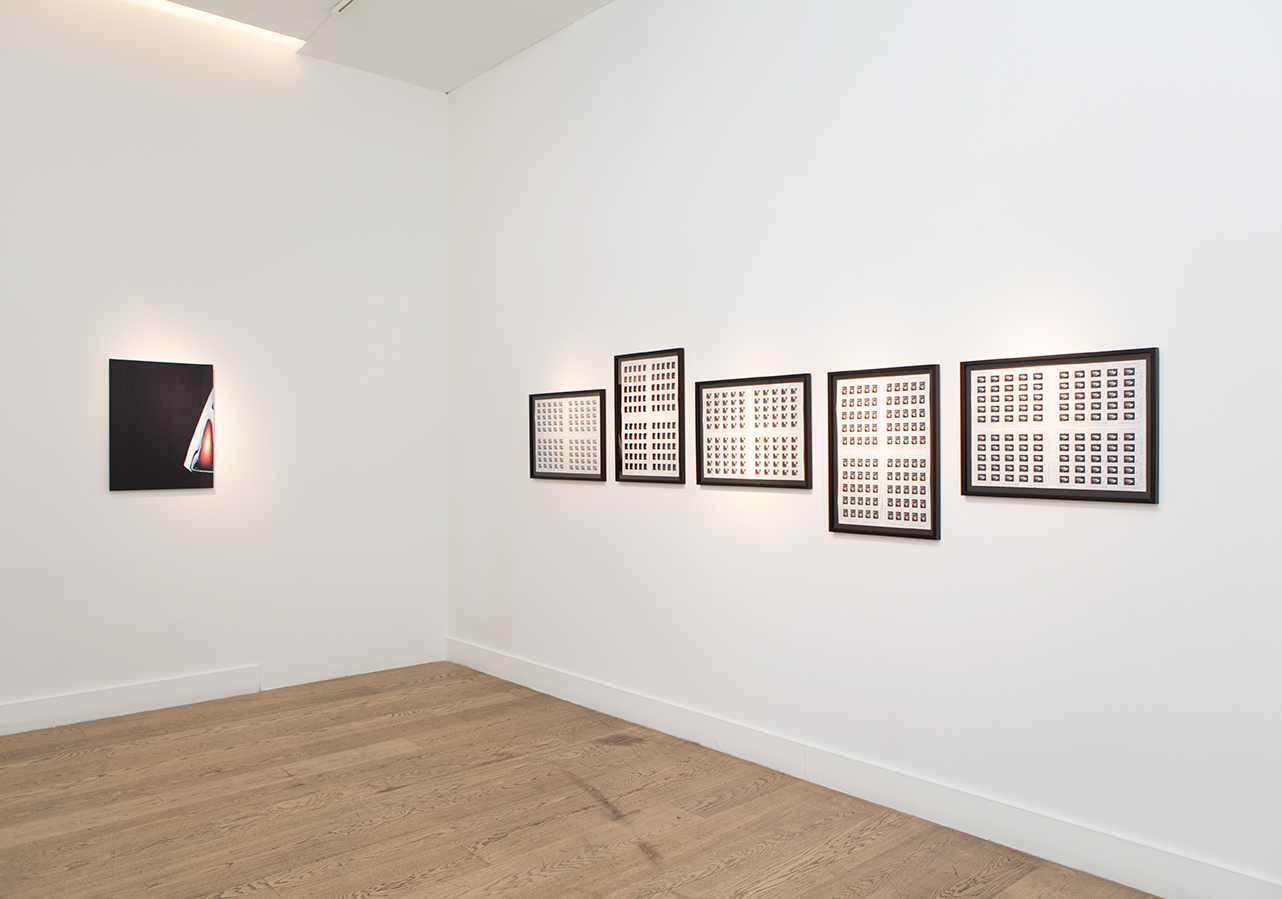
Something that was often visible in my previous works was the following: When I combined repetitions of the same object next to each other, on top of each other, in layers using the permeability of transparencies, whatever the object was, it would be removed further from functionality and would then become a motif. This reminds of two things: the first is the repetitive, rhythmic intertwining in Turkish, Arabic and Islamic works. The second is a musical quality. My works in which I use repetition recall chords in music. When I look at them visually, I see the impact of Islamic art and when I listen to them, I hear the impact of Steve Reich.
Your last exhibition “Crystagram” includes more digital and striking works. How did the idea of the exhibition emerge?
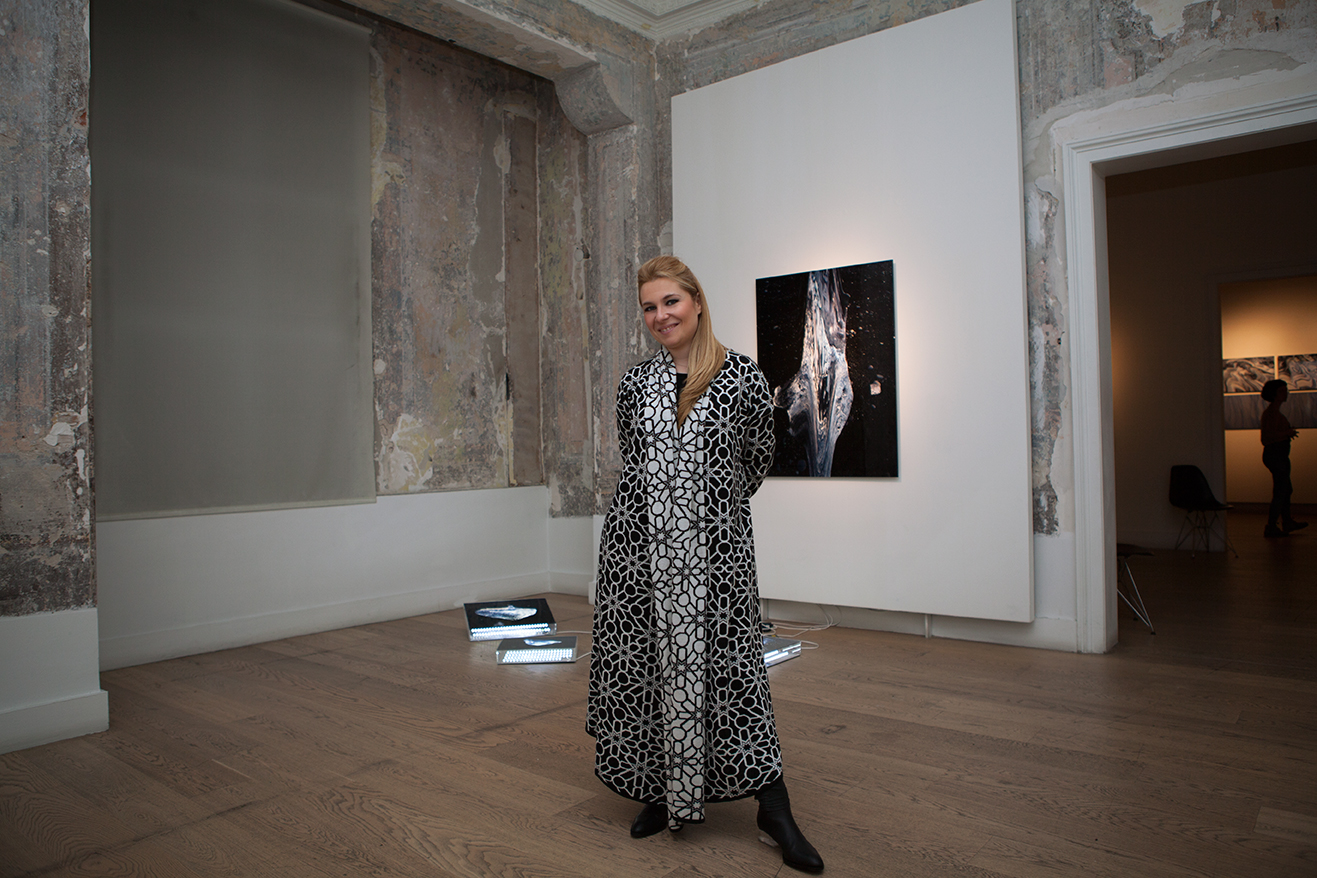
I actually had plans for another exhibition. But I had a dream and this exhibition is based on that dream. I had gone to the North Pole last year and I had taken some photographs there. I dreamt over the summer that I went back to the same place, to the North Pole. I then wanted to do something based on the photographs that I took after my dream and I started to work.
How did you formulate these photographs within the framework of the exhibition?
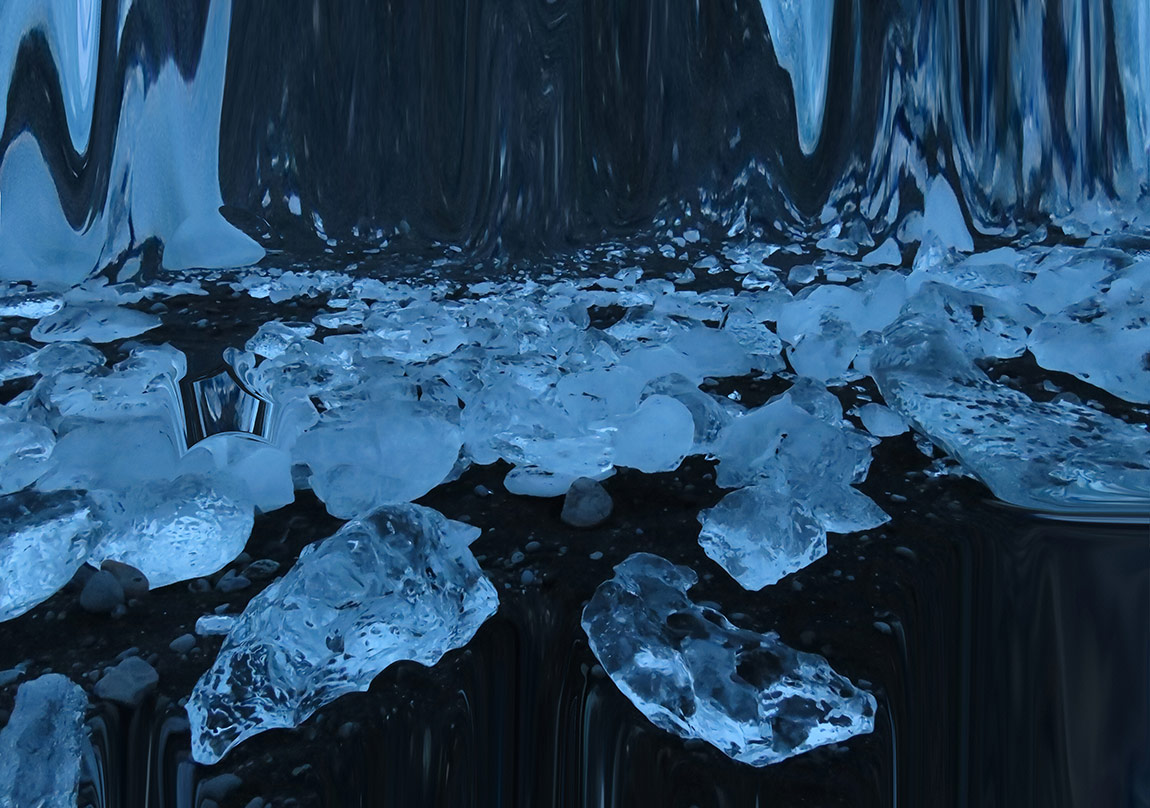
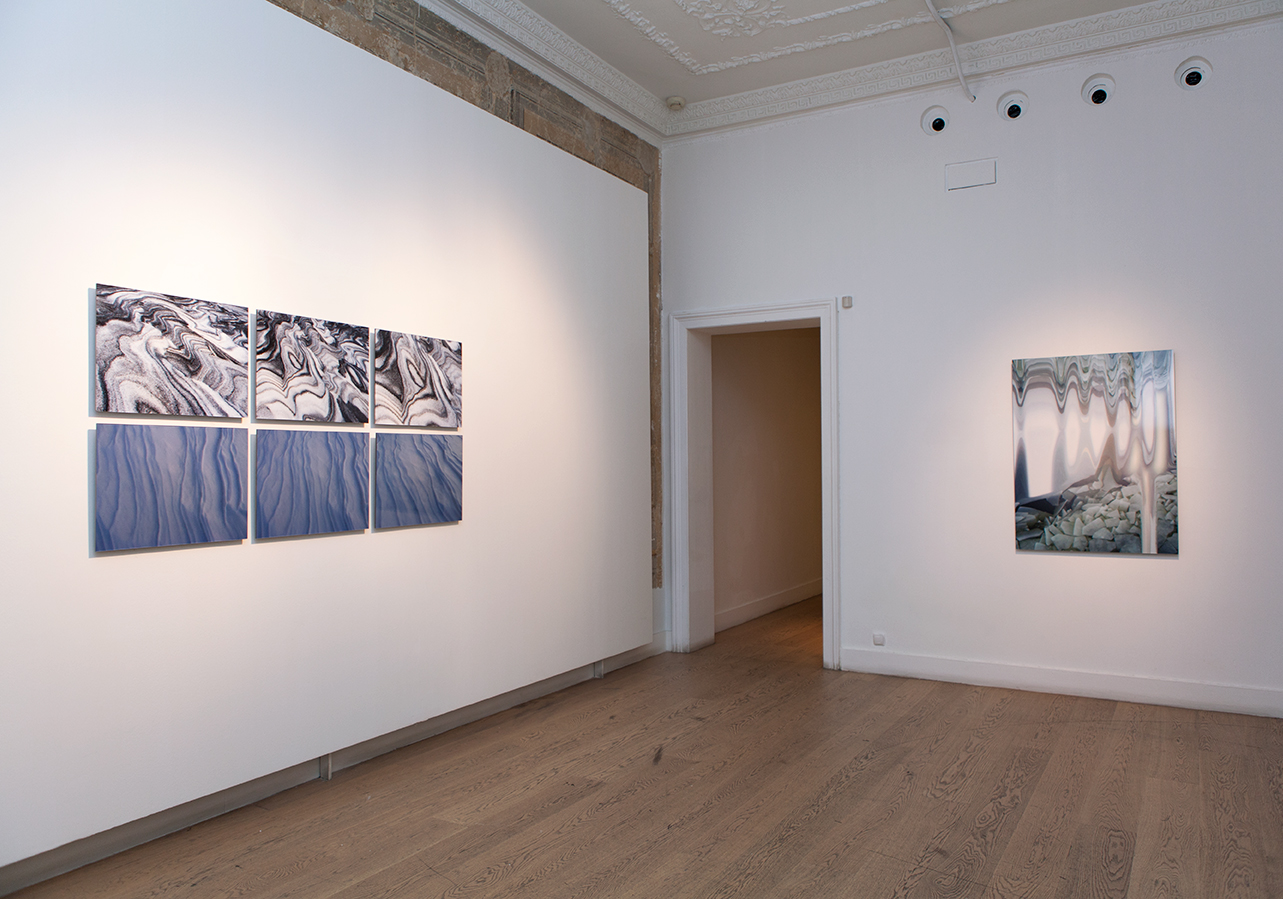
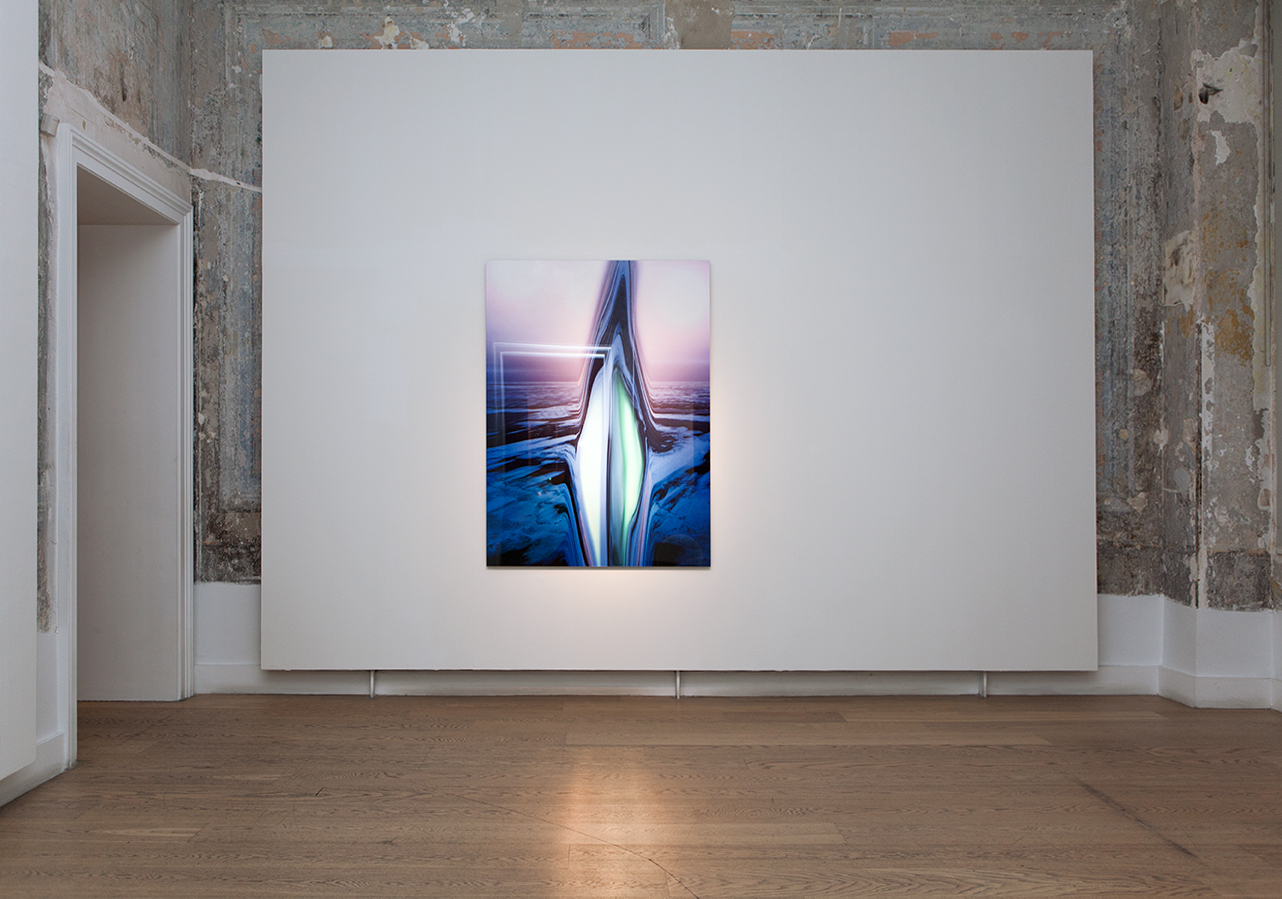
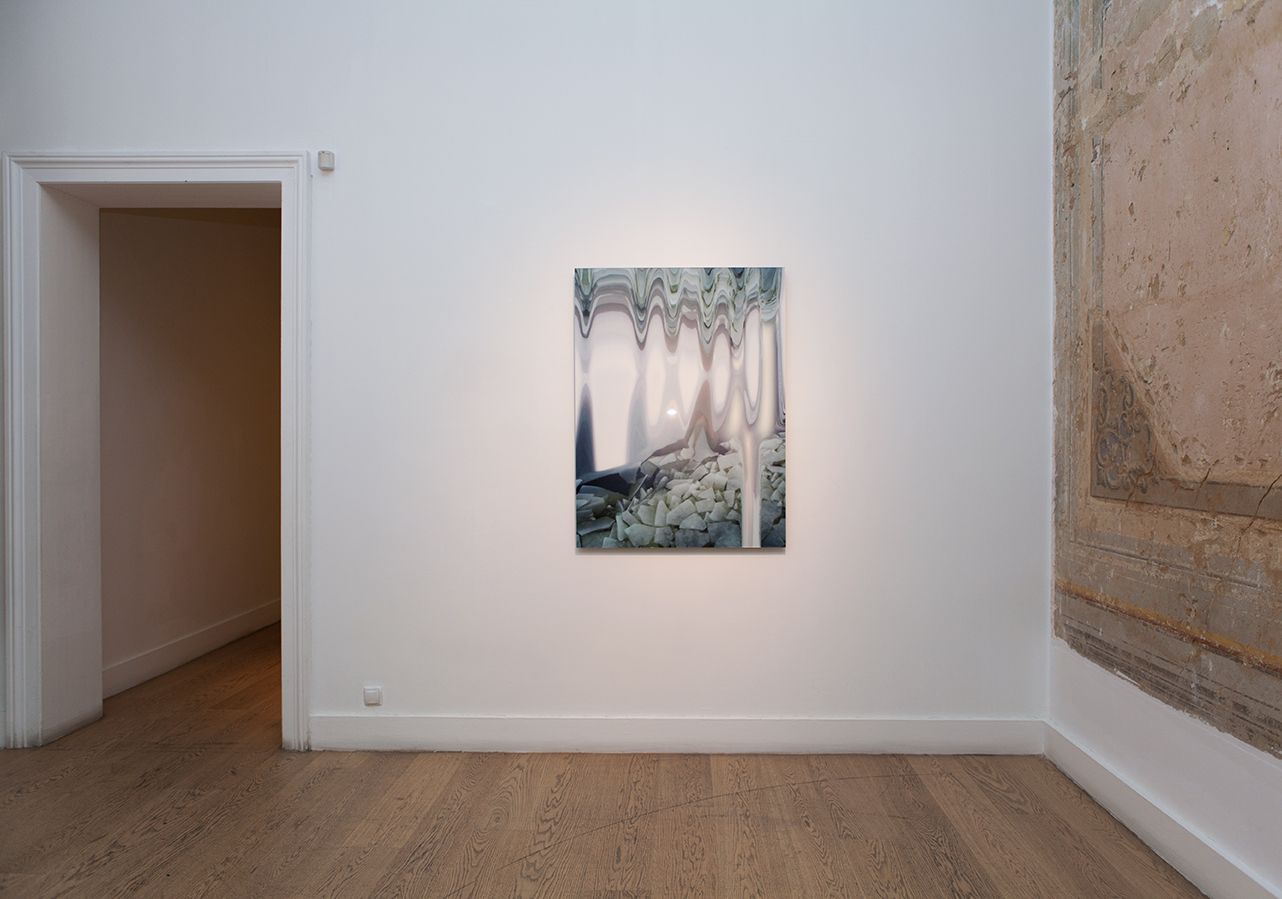
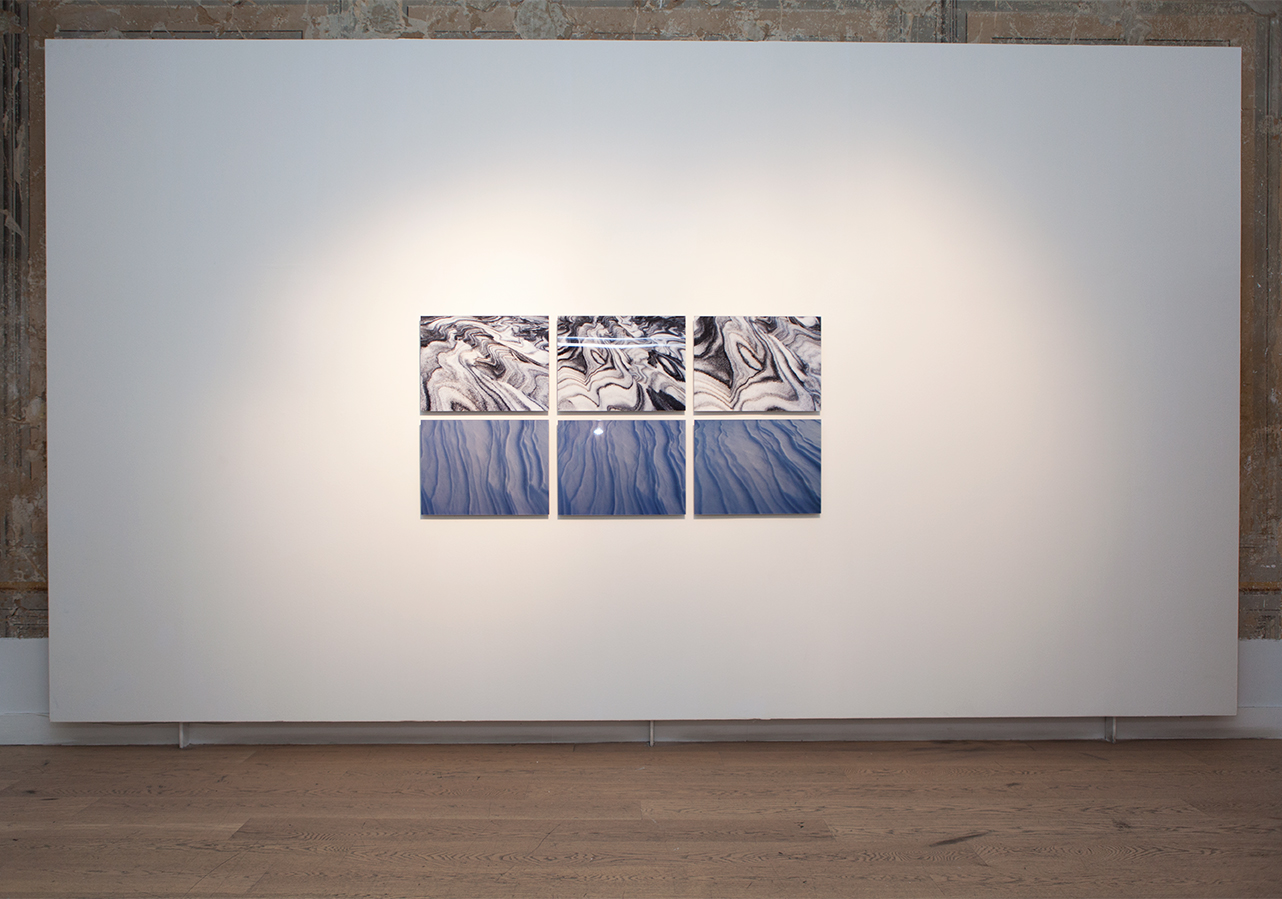
Somehow, I started to feel that my experience was insufficient. I wanted to support this experience with something else. And I started thinking about atmospheric optic. I was interested in topics such as how sunlight is reflected in different parts of the world, how that angle affects us etc. I wanted to look further into icebergs—the structure of the icebergs is in close dialogue with the waves related to the winds and the digital brushstrokes that apply.
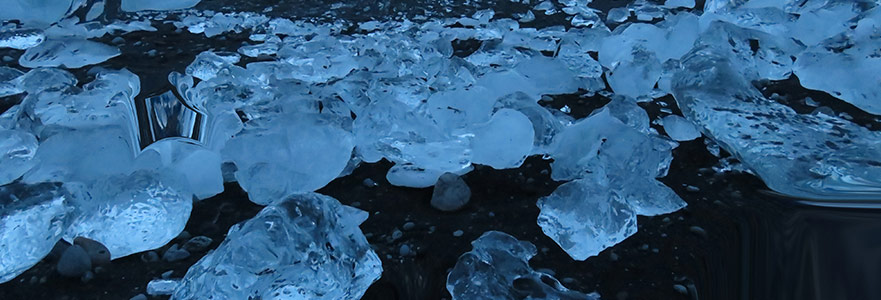
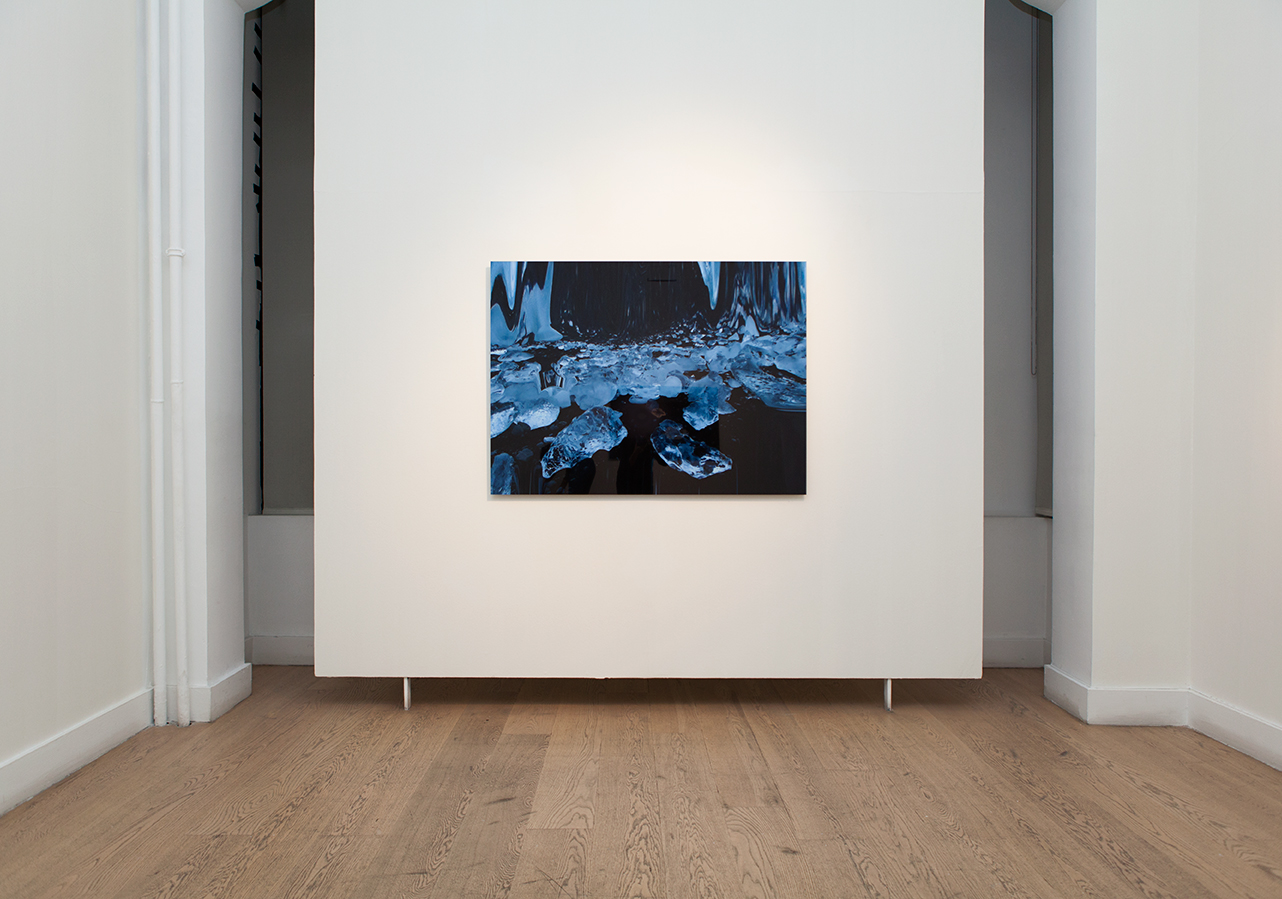
I made a second trip to experience the iceberg form. I chose Iceland in particular, because Iceland is a volcanic and relatively new place. It is not an old land, it is not within the polar ring, it is underneath. Everything is black because it is a volcanic place. I went to see the Vatnajökul iceberg. The pieces that break off of this iceberg mix with the Northern Atlantic and strike the shores with the strong waves. So you see “mini icebergs” everywhere you go. I would not be able to see the blue in the photograph if I brought them here. There is a big difference between how light hits material in the north and how light meets material here. This phenomenon is related to our specific location in the world.
I was struck first by the lightboxes in the exhibition. Could you talk more about these works?
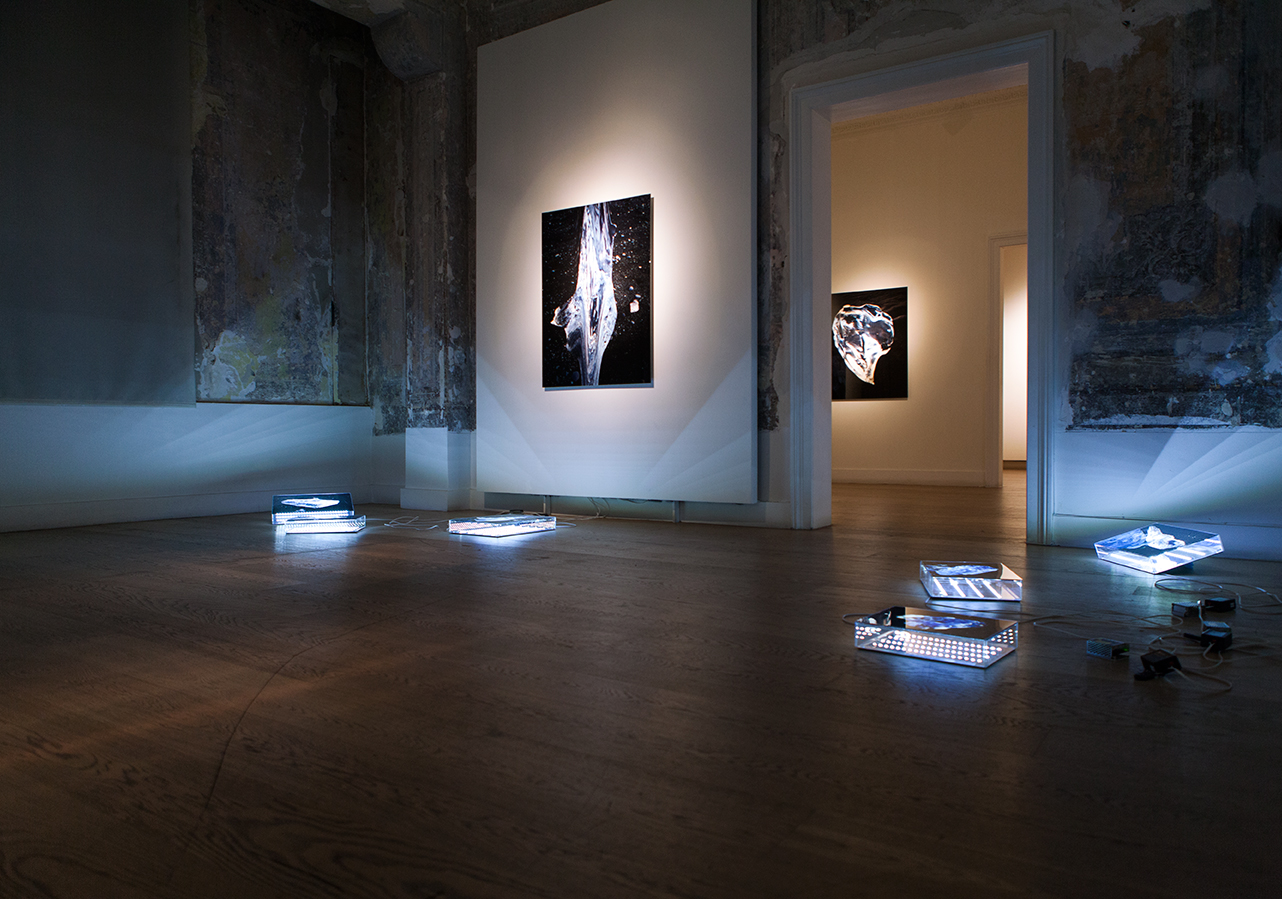
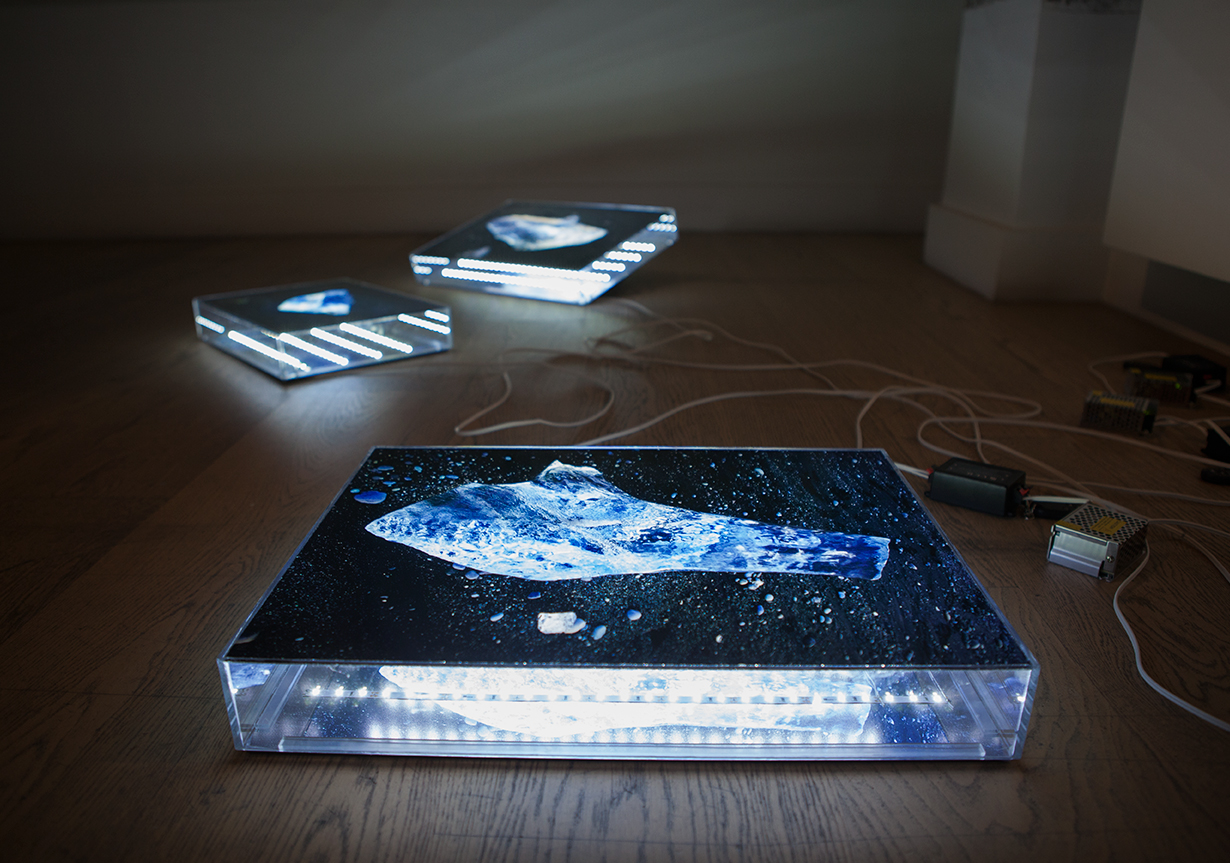
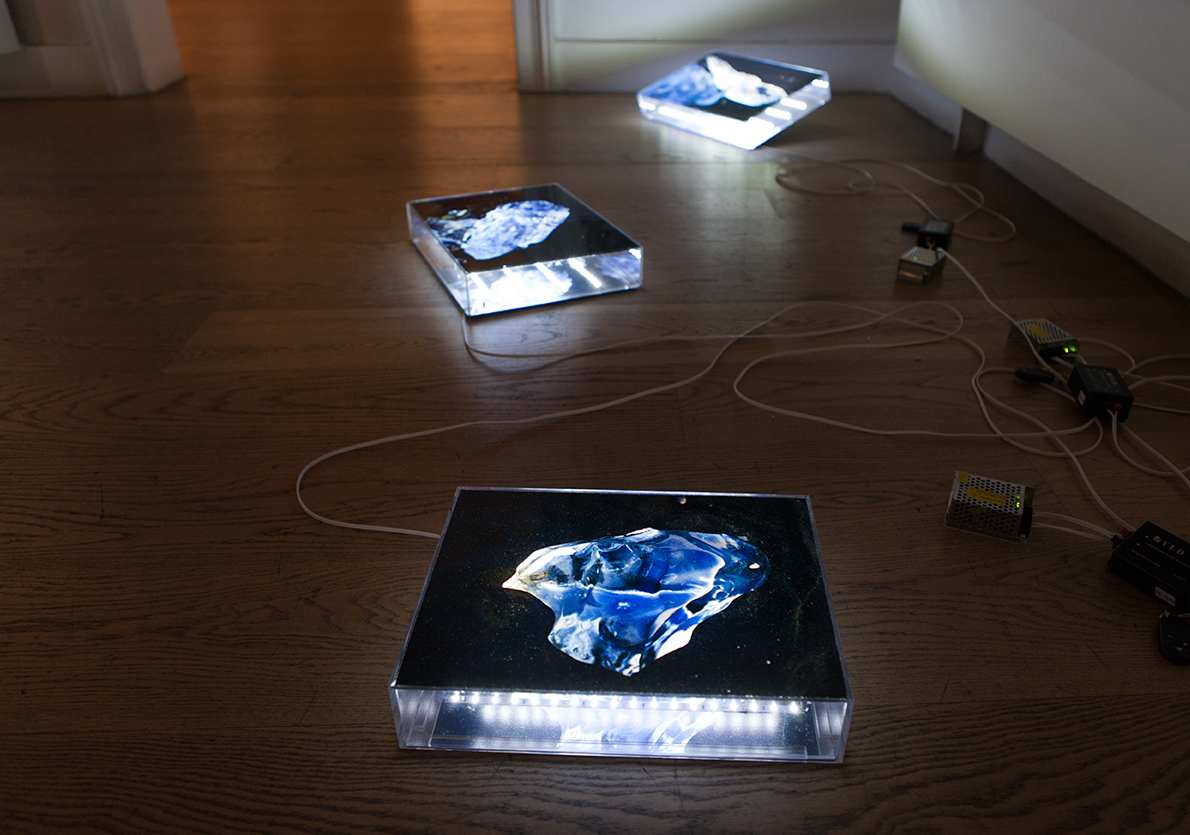
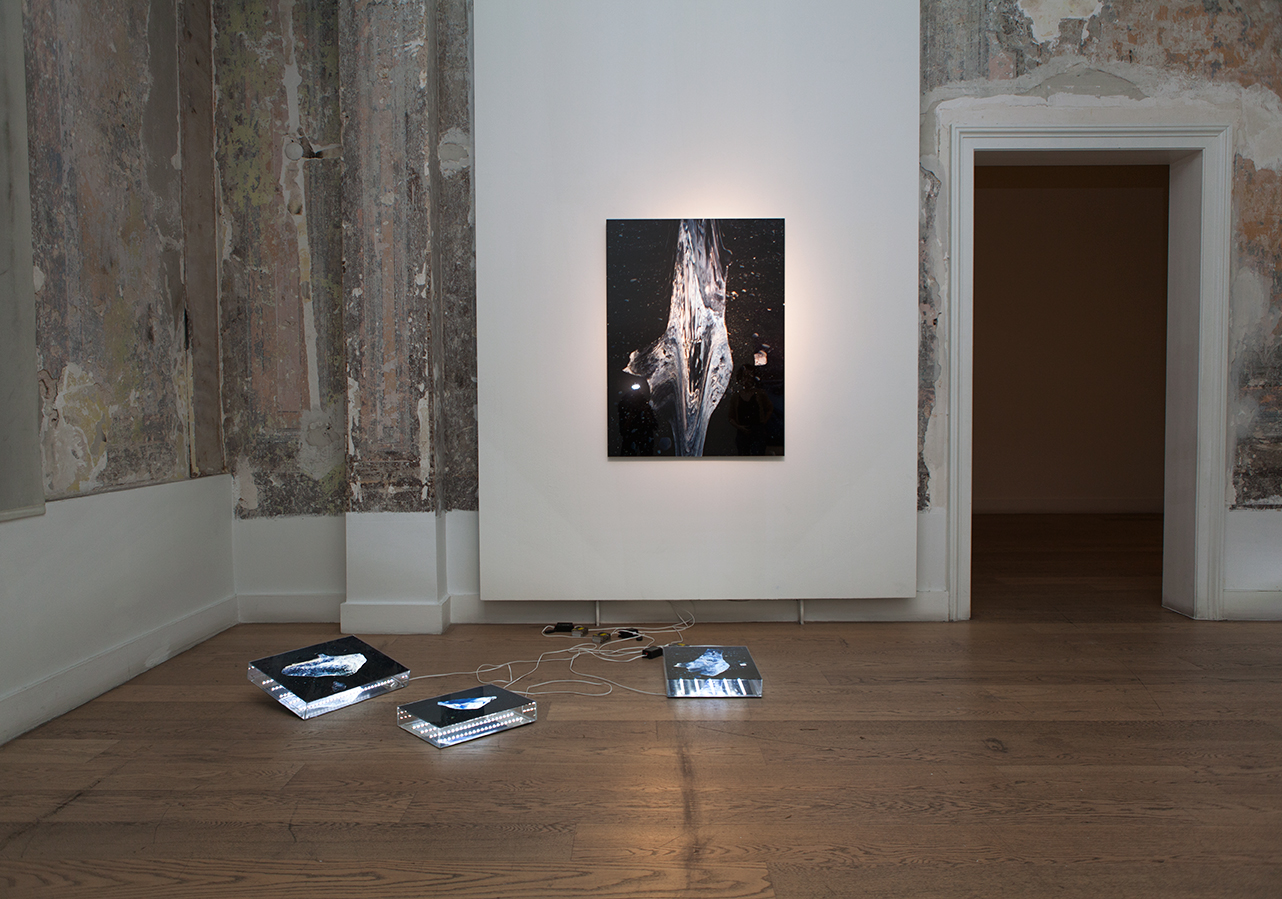
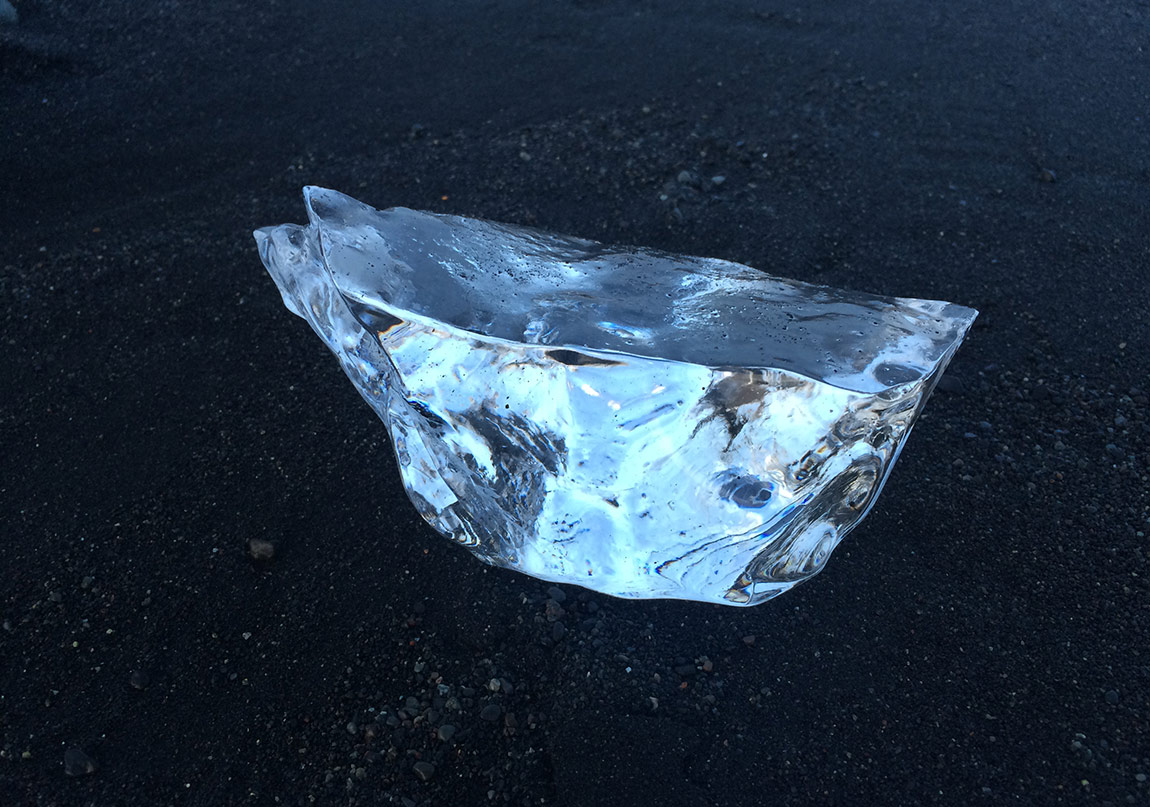
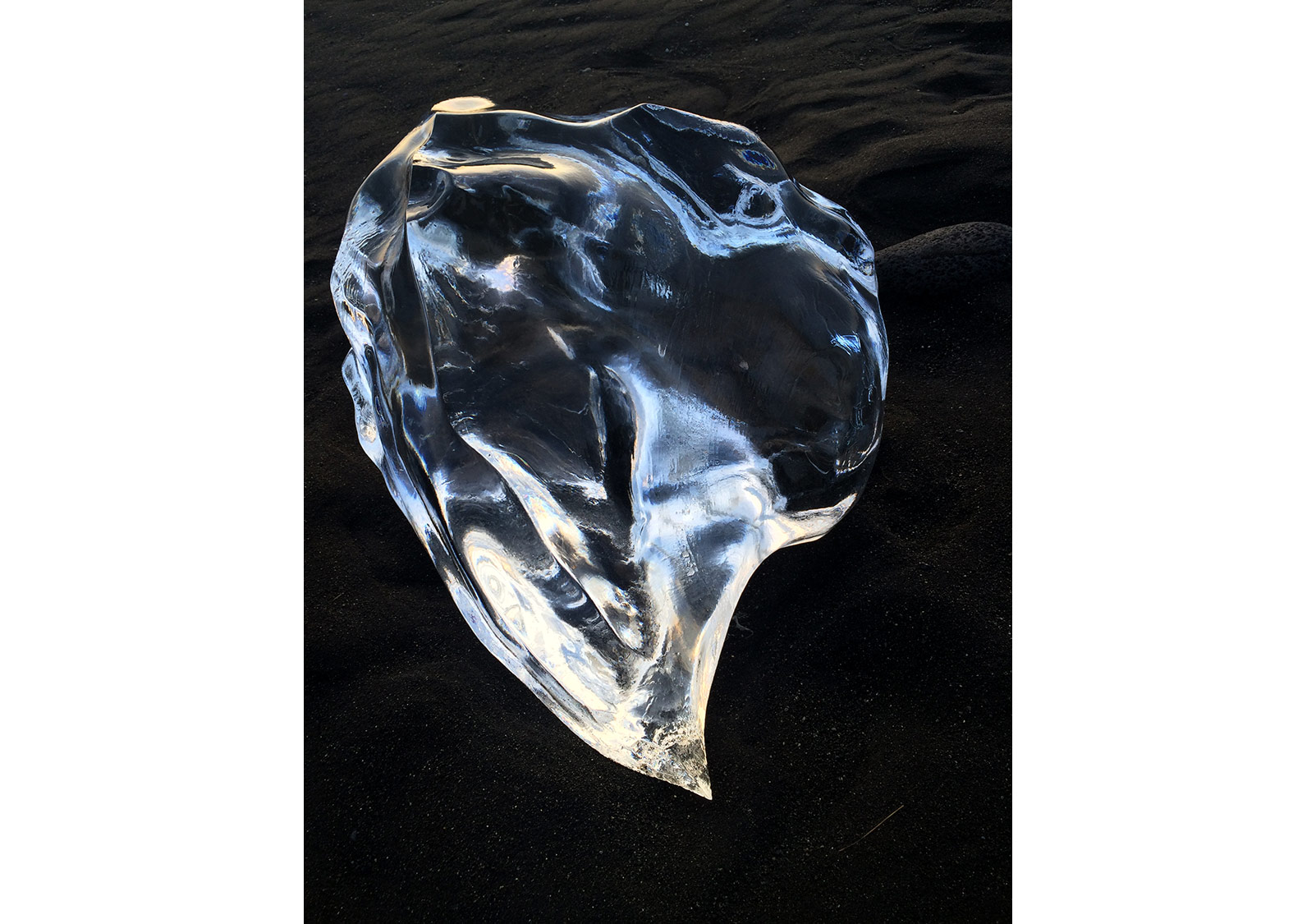
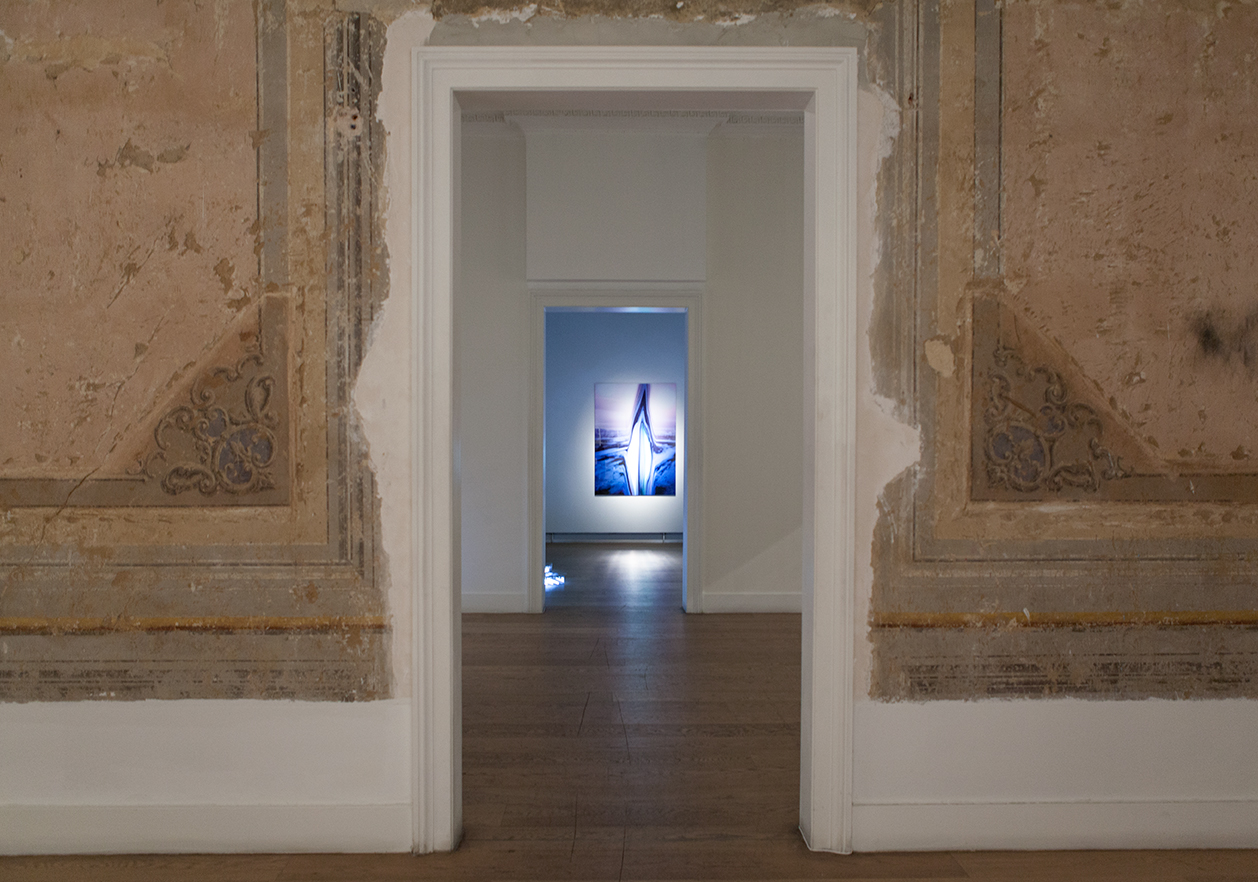
The lighboxes carry the names of the people I worked with at the gallery during the exhibition. Doris, Aslı, Gizem, Mustafa, Fuat, Sema and one of them is called Guest. These are pieces that broke from five hundred or a thousand year old icebergs, so it was not easy for them to break away. They are very hard, squeezed, with no air bubbles. However, the ice pieces have a polycrystalline structure, so when light enters these pieces of ice, it is refracted. There is no straight reflection, the reflections are intermingled. The result is a very chaotic and complicated image.
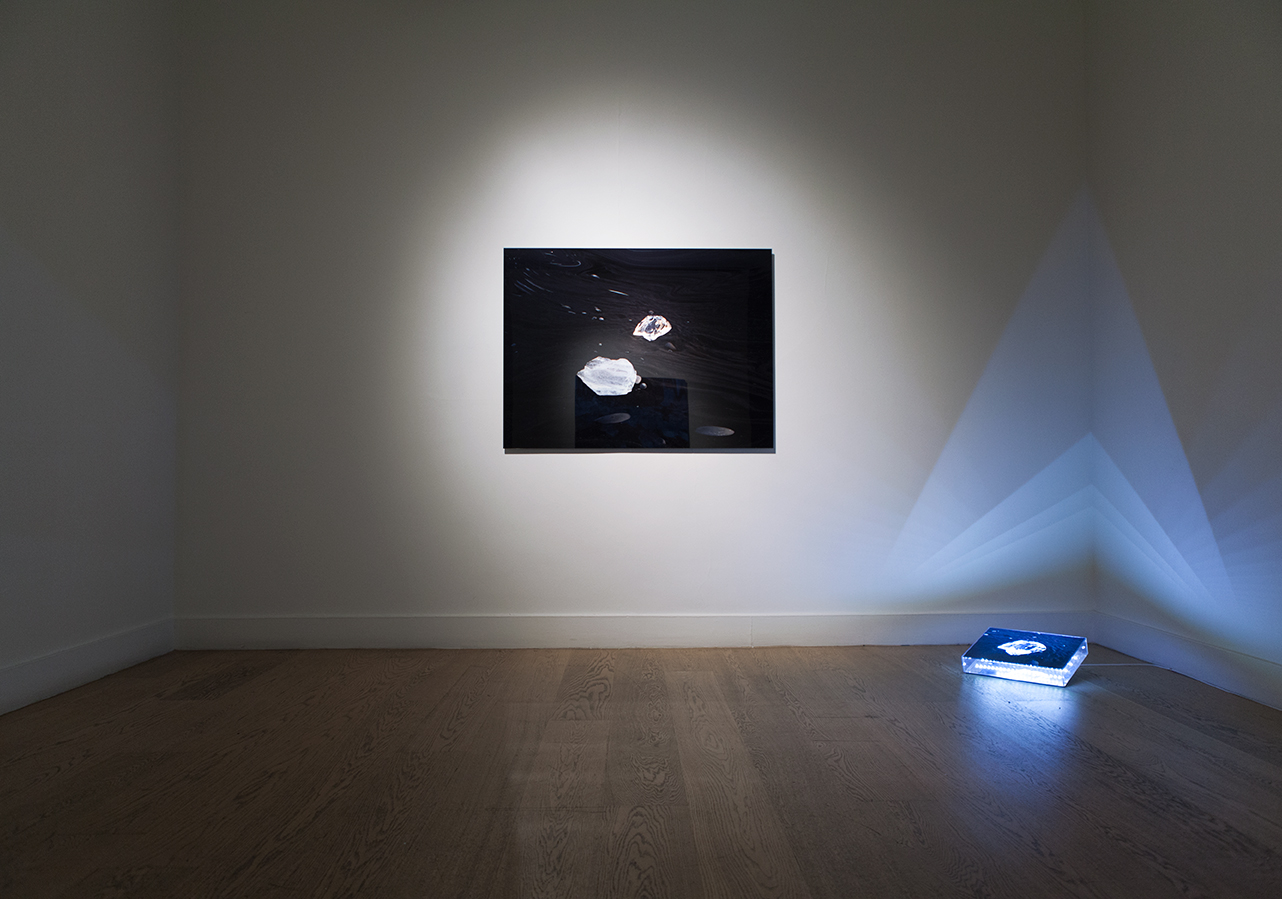
The reason I placed the lighboxes on the floor is because I think this is more appropriate for their nature. I walked among pieces of ice and I wanted to talk about them where I had the experience. Underneath the lightboxes are mirrors and LEDs. The wiring inside the LEDs are totally visible, we did not conceal them.
The LEDs are reminiscent of small pieces of ice. What is the measurement of manipulation in these works?
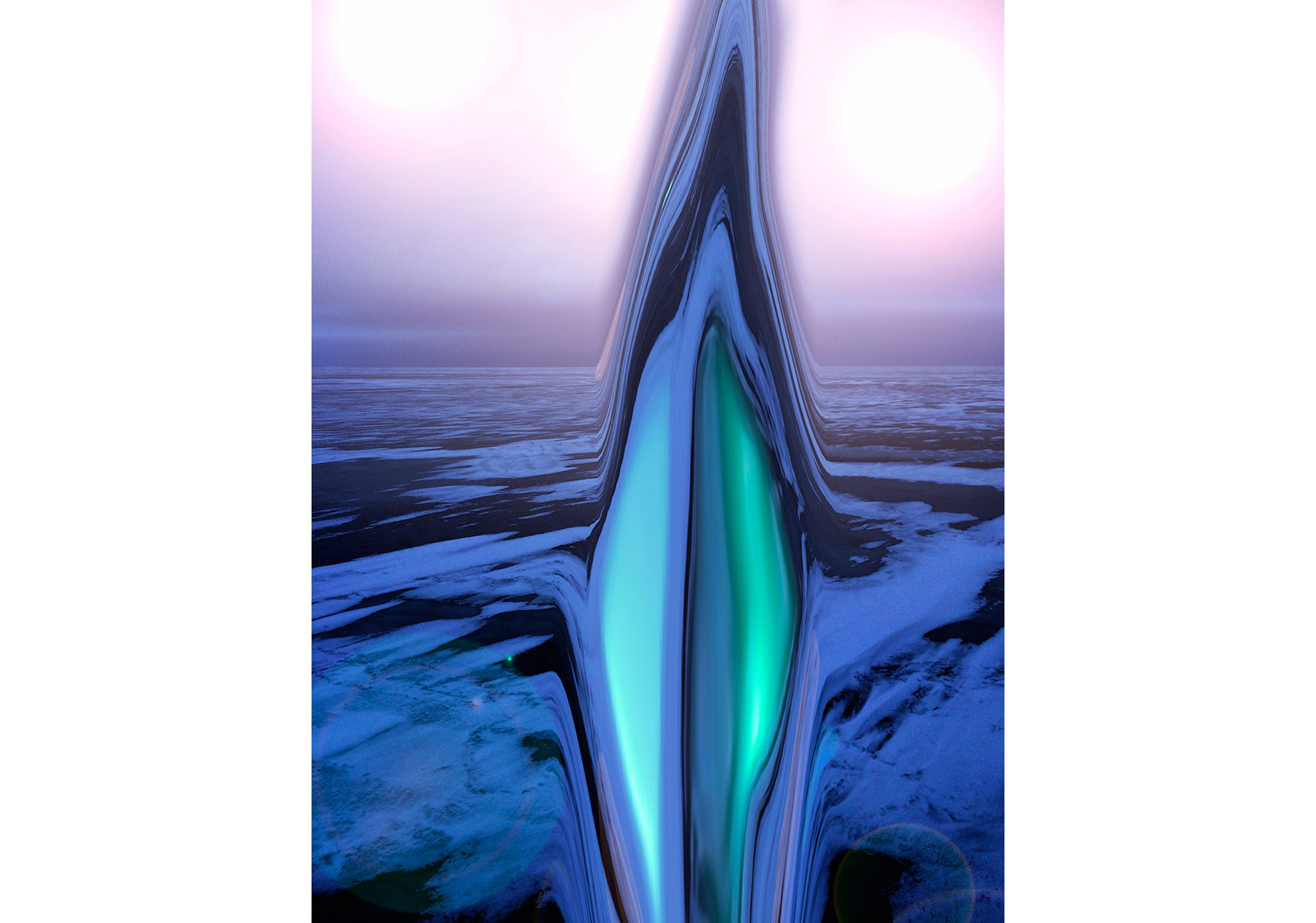
There is no manipulation on the lightboxes. The common denominator of all the works in the exhibition is that they are in my style. Even though I use this particular brush style, nature has an appearance similar to what I show through manipulation. Thus, i think about whether I’m mimicking nature or whether I adjust to nature.
I imagine a very mystical environment after all you have said and I’m growing very curious of this place.
It is very mystical. I was very lonely. I went by myself. I went especially for this—to experience this light.
For how long were you there?
Approximately a week. I can say that I took photographs nonstop. I spent a week north of Finland for a week. The climate conditions are very difficult. Those from there deal with these circumstances with passion. In order to go from one place to the other, you travel for a long time. I moved forward in a car where the steam on the windows would immediately freeze—it was kind of a psychedelic experience.
Is it possible that this process has had a psychologically therapeutic effect?
Let me tell you right now. I went there to die. I returned without dying and I feel like I won’t die easily from now on. First of all, there is a magnetism in that environment. I want to go there again. It was a teaching experience. This is how I interpreted what I learned.
We had seen sound installations in previous exhibitions; will there be such a work included in this exhibition?
There is no sound installation in this exhibition. Actually, I was going to have one, but I couldn’t really relate it to the rest of the exhibition. I’m also doing vocal training and I’m interested in experimental opera. Voice is also an instrument; we use them like drawing on the soil to make sound. I use the same manoeuvers, like pulling and playing with voice, to paint. In a way, I mimic voice. I do this with digital brushstrokes.
After a certain point, it is hard to see what is manipulated and what is natural. I start to think that these lights are natural. Or I think that a natural scene is manipulated. What are you planning to do after this exhibition?
My interest in music continues. I’m going to continue my performative works using my voice, searching for an internal sound using experimental opera. I’m thinking about sound and light. I’m trying to make a work based on lenses.
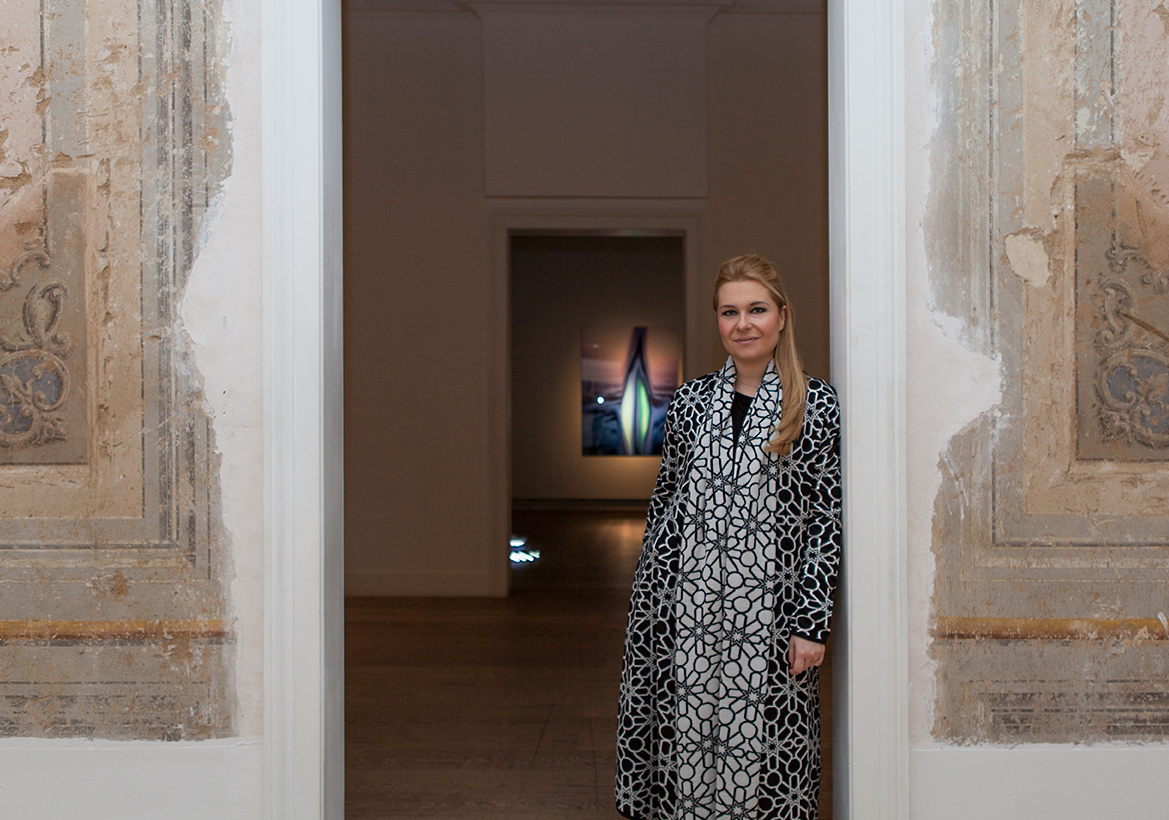
İdil İlkin’s “Crystagram” is on view at Galerist between March 4 and April 2.
;